
Nutrition comparison
Scallop vs Lobster: Nutrition, Cholesterol & Health Comparison
Scallops vs lobster: which is healthier? Compare calories, protein, cholesterol, and mercury levels to find out which shellfish is best for your diet.
Overall winner · Scallop
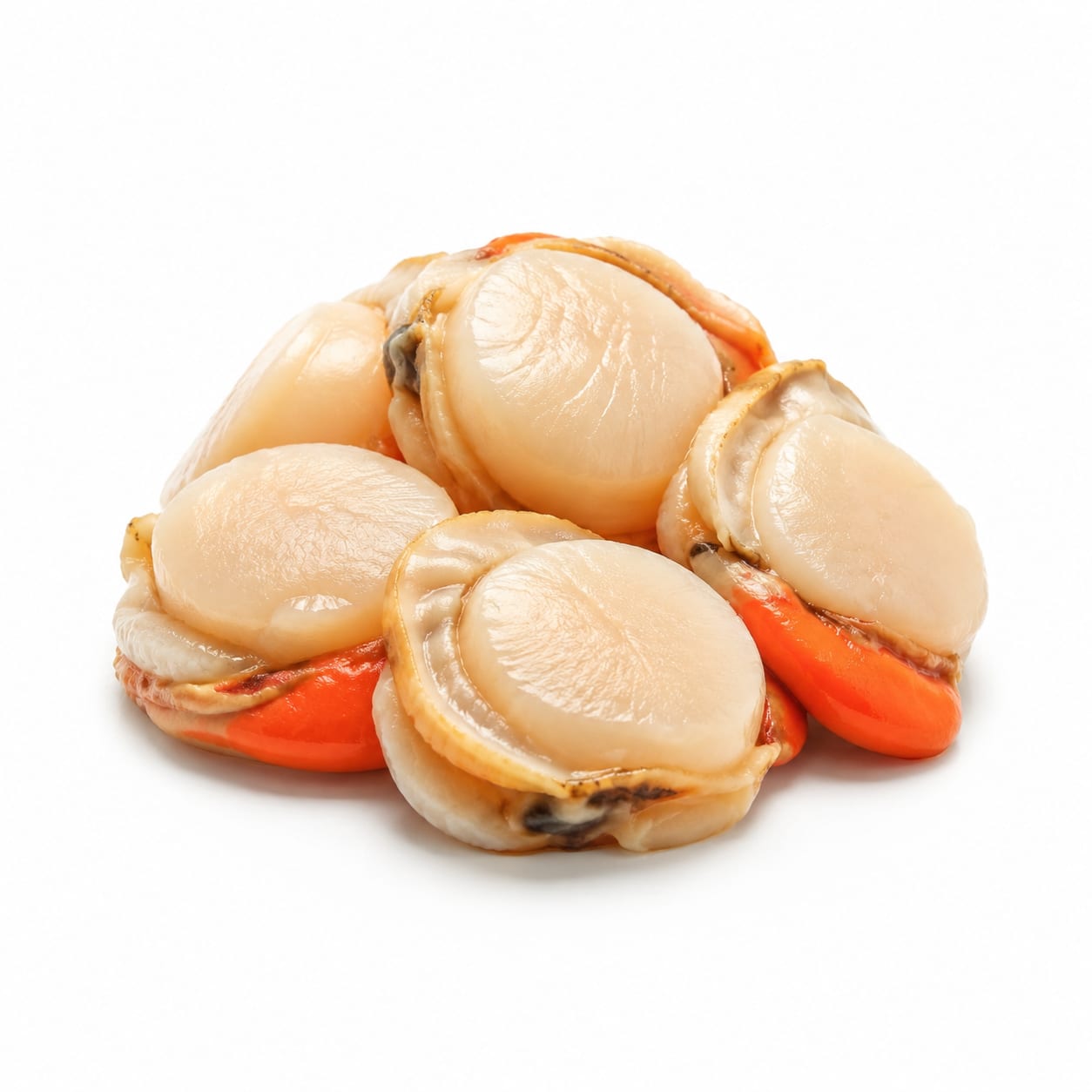
Scallop
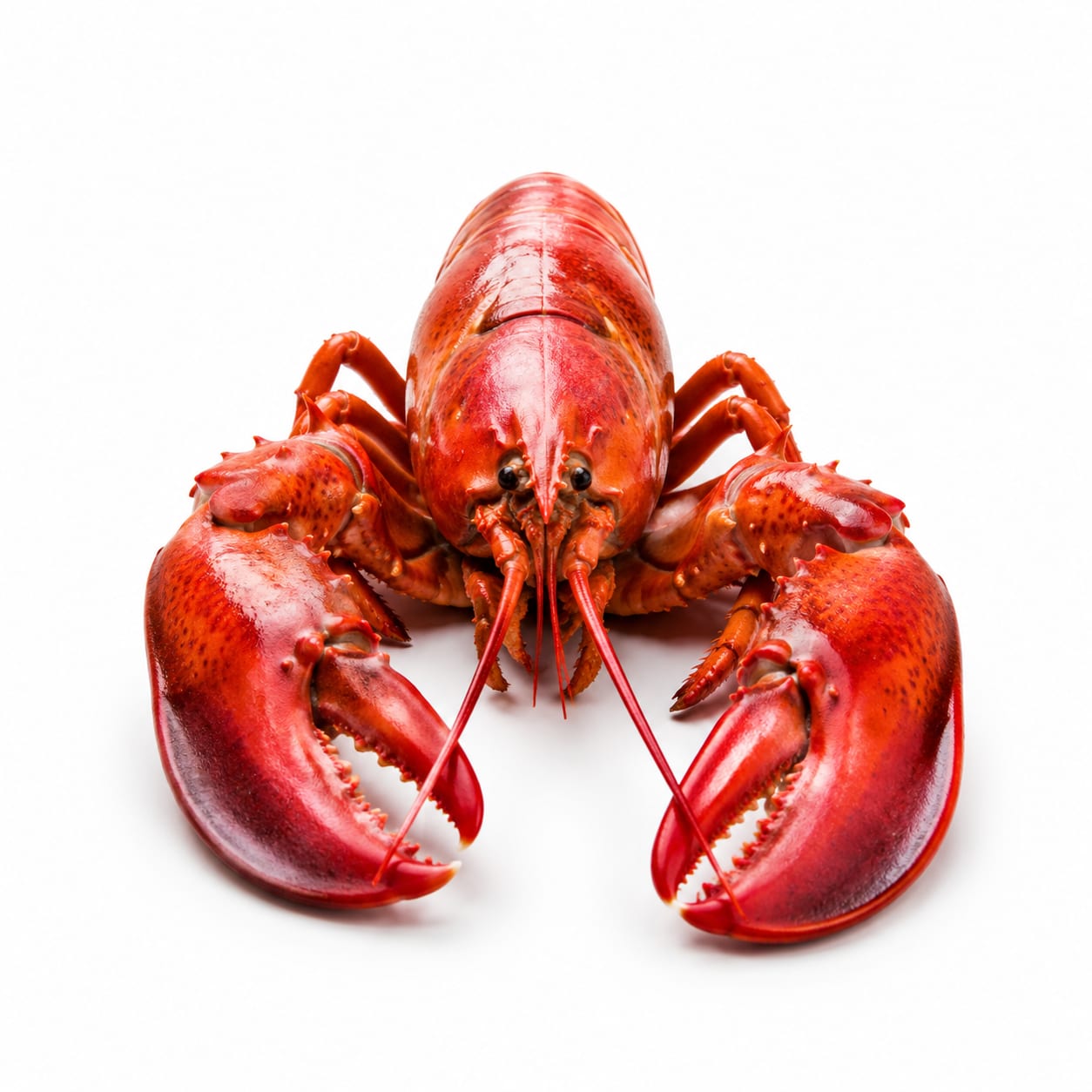
Lobster
Scallops are the lighter, more everyday-friendly choice with far less cholesterol, while lobster offers a richer, more indulgent mineral boost for special occasions.
Scallops score higher due to a stronger profile for regular consumption: lower calories, lower cholesterol, and lower heavy metal risk. Lobster remains an excellent nutrient-dense food but is held back by its cholesterol content and cost.
You trade lobster's higher zinc and B12 content for scallops' lower calorie count, lower cholesterol, and easier weeknight cooking.
At a glance
Executive summary
Overall
Scallop
Healthier
Scallop
More practical
Scallop
Daily use
Scallop
Key comparison lenses
Lean protein and calorie comparison
Both are premium seafood proteins, but users often want to know which is lighter or richer for their dietary goals.
Cholesterol and heart health impact
Lobster is famously high in cholesterol, making this a critical differentiator for health-conscious eaters.
Heavy metal and contamination risk
As shellfish, both carry specific ocean-borne contaminant risks that influence safe consumption frequency.
Practicality and home cooking ease
Lobster is intimidating to cook and expensive, while scallops are quick to sear and more accessible for regular meals.
Best choice for
Scallop
- Weight management and lean diets
- Frequent seafood eaters watching cholesterol
- Quick weeknight dinners
Lobster
- Special occasion indulgence
- Boosting zinc and B12 intake
- Those unconcerned about dietary cholesterol
Least suitable for
Scallop
- Those seeking very high zinc or copper intake
Lobster
- People strictly managing high cholesterol
- Budget-conscious weekly meal prep
Deep comparison
Dimension by dimension
Each lens scores both foods and breaks down who each option suits.
- Dimension 1 · Priority 95Scallop
Calorie Density and Leanness
Scallop · 95Lobster · 82Scallops are exceptionally lean and low in calories, making them a top-tier protein for fat loss. Lobster is also lean but packs more calories per serving.
Tradeoff
Lobster provides a slightly heartier, more filling bite, but scallops let you eat a larger volume for fewer calories.
Why it matters
If you are tracking calories or trying to stay lean, volume and calorie density make a huge difference in satisfaction.
Real-world impact
A dinner of scallops leaves you satisfied without feeling heavy, perfect for active days or warm weather.
Scallop
- Cutting calories without shrinking portion sizes
- Lighter summer meals
Better for
- Very high-calorie bulking phases
Worse for
Lobster
- Days when you want a denser, more substantial meal
Better for
- Strict calorie-counting diets
Worse for
- Dimension 2 · Priority 90Scallop
Cholesterol and Heart Health
Scallop · 88Lobster · 55Lobster is surprisingly high in dietary cholesterol, while scallops contain moderate, manageable levels.
Tradeoff
Lobster delivers more heart-healthy B12, but its high cholesterol is a dealbreaker for those with lipid concerns.
Why it matters
For the 1 in 3 adults dealing with high cholesterol, lobster's numbers can be a significant dietary setback.
Real-world impact
Eating lobster regularly can push your daily cholesterol over recommended limits, whereas scallops stay well within safe bounds.
Scallop
- Heart-healthy diets
- People with familial hypercholesterolemia
Better for
- None significant for this dimension
Worse for
Lobster
- Those who process dietary cholesterol efficiently without blood lipid spikes
Better for
- Cardiovascular disease risk management
Worse for
- Dimension 3 · Priority 85Scallop
Heavy Metals and Contaminants
Scallop · 80Lobster · 65As bottom-dwellers, lobsters can accumulate more heavy metals like mercury and cadmium. Scallops generally have a lower contaminant load.
Tradeoff
Lobster's rich flavor comes from its ocean-bottom diet, which unfortunately includes higher exposure to ocean pollutants.
Why it matters
Frequent consumption of high-mercury seafood impacts neurological health over time, especially for vulnerable groups.
Real-world impact
You can comfortably eat scallops a couple of times a week, while lobster is best reserved for occasional enjoyment.
Scallop
- Pregnant women and children
- Frequent seafood consumers
Better for
- None significant
Worse for
Lobster
- Occasional diners with minimal cumulative risk
Better for
- Daily or weekly seafood routines
Worse for
- Dimension 4 · Priority 80Lobster
Micronutrient Density
Scallop · 78Lobster · 90Lobster is a powerhouse of zinc, copper, and B12, outpacing scallops in these specific areas. Scallops still offer excellent selenium and magnesium.
Tradeoff
You get a broader mineral spectrum from lobster, but it comes with the cholesterol and cost tradeoffs.
Why it matters
Zinc and B12 are crucial for immune function and energy, making lobster a potent functional food if eaten wisely.
Real-world impact
A serving of lobster can cover your entire daily B12 needs and a huge chunk of zinc, giving a noticeable energy support.
Scallop
- Boosting selenium for thyroid health
Better for
- Correcting a zinc deficiency
Worse for
Lobster
- Supporting immune function with zinc
- Preventing B12 deficiency
Better for
- Those with copper overload conditions
Worse for
- Dimension 5 · Priority 75Scallop
Practicality and Home Cooking
Scallop · 90Lobster · 60Scallops sear in minutes and are easy to find frozen or fresh. Lobster requires specialized cooking and is intimidating for home chefs.
Tradeoff
Lobster feels like an event, but scallops deliver a restaurant-quality meal on a Tuesday night with almost no effort.
Why it matters
The best healthy food is the one you actually cook. Complexity kills consistency.
Real-world impact
Searing scallops takes 4 minutes, making them a realistic fast dinner. Lobster often means a messy, time-consuming process or a pricey restaurant visit.
Scallop
- Quick weeknight meals
- Meal prep and batch cooking
Better for
- Creating a dramatic, ceremonial dining experience
Worse for
Lobster
- Weekend dinner projects
- Impressing guests
Better for
- Last-minute weeknight cooking
Worse for
Timeline
Health impact over time
Short-term
Hours to days
Scallop
- Highly satiating without causing sluggishness
- Quick-digesting protein ideal for post-workout recovery
Lobster
- Very filling and satisfying due to denser protein and fat content
- Can cause slight heaviness if eaten in large portions
Long-term
Months to years
Scallop
- Supports lean body composition due to low calorie-to-protein ratio
- Low cholesterol supports cardiovascular health over decades
Lobster
- Excellent for maintaining nerve health and energy via high B12
- Frequent consumption could elevate cholesterol and heavy metal load
Risk profile
Safety & processing
Both scallops and lobster are whole, natural foods. The main concern is sodium added during cooking or processing (like frozen scallops soaked in STPP), so always check labels for dry-packed scallops and avoid overly salty lobster boils.
Scallop
Sodium Tripolyphosphate (STPP) additives
mediumWet-packed scallops are often soaked in STPP to retain moisture, which alters texture and adds unnatural sodium. Always buy dry-packed scallops.
Shellfish allergy
highScallops are mollusks and can trigger severe allergic reactions in sensitive individuals.
Lobster
Heavy metal accumulation
mediumAs bottom-feeders, lobsters can accumulate higher levels of mercury and arsenic compared to scallops.
High sodium from boiling
mediumLobster boiled in heavily salted water or served with drawn butter can become a very high-sodium meal.
Shellfish allergy
highLobster is a crustacean and is one of the most common and severe food allergens.
Who wins for whom
Audience fit
Same foods, different winners depending on your goal.
children
ScallopScallops have lower heavy metal levels and a softer, sweeter texture that kids often prefer over the stronger flavor of lobster.
daily consumption
ScallopLower cost, lower cholesterol, and lower heavy metal risk make scallops a much more realistic and safe everyday protein.
diabetes
ScallopBoth have zero carbs, but scallops' lower calorie density helps with weight management, which is crucial for insulin sensitivity.
elderly
ScallopScallops are easier to chew, lower in cholesterol, and gentler on the digestive system, making them better for aging bodies.
muscle gain
It dependsBoth provide excellent high-quality protein. Lobster has slightly more protein per serving, but scallops are easier to eat in larger quantities.
weight loss
ScallopScallops offer significantly fewer calories per gram of protein, making it easier to stay in a deficit while eating a satisfying portion.
Your move
Decision guide
Choose Scallop
- You want a lean, low-calorie protein for weight management
- You are watching your cholesterol or heart health
- You need a fast, elegant weeknight dinner
- You eat seafood multiple times a week and want to limit heavy metal exposure
Choose Lobster
- You are celebrating a special occasion
- You want to boost your zinc, copper, and B12 intake
- You are not sensitive to dietary cholesterol
- You crave a rich, indulgent seafood experience
Either works if
- You need a zero-carb, high-quality protein source
- You are an athlete looking for clean post-workout nutrition
Avoid both if
- You have a known shellfish allergy
- You are on a strict low-sodium diet and cannot control how they are prepared
Final recommendation
Make scallops your go-to everyday shellfish for their leanness and ease of cooking, and treat lobster as a rich, occasional indulgence to enjoy its mineral benefits without overdoing cholesterol or heavy metals.
Practical
Consumer tips
- 1
Look for dry-packed scallops at the fish counter to avoid chemical additives and get a proper sear.
- 2
If buying frozen scallops, check the ingredient list—it should just say scallops.
- 3
When cooking lobster at home, go easy on the salt in the boiling water to keep sodium reasonable.
- 4
Sear scallops in a very hot pan with a touch of butter or avocado oil for 2 minutes per side for the best texture.