
Nutrition comparison
Scallop vs Crab: Which Seafood Is Healthier for You?
Compare scallops and crab on protein, calories, sodium, mercury, and minerals. Find out which shellfish is better for weight loss, heart health, and daily eating.
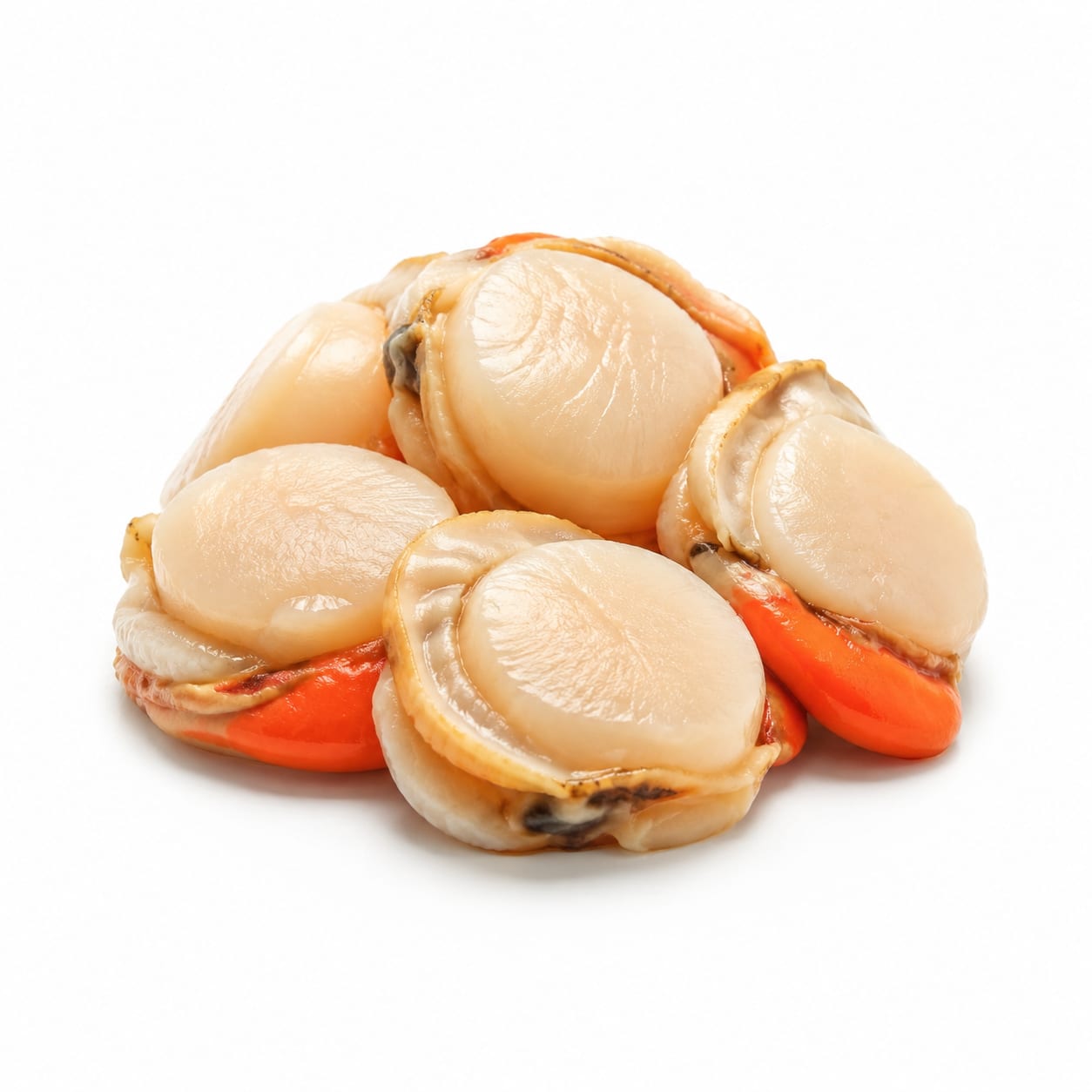
Scallop
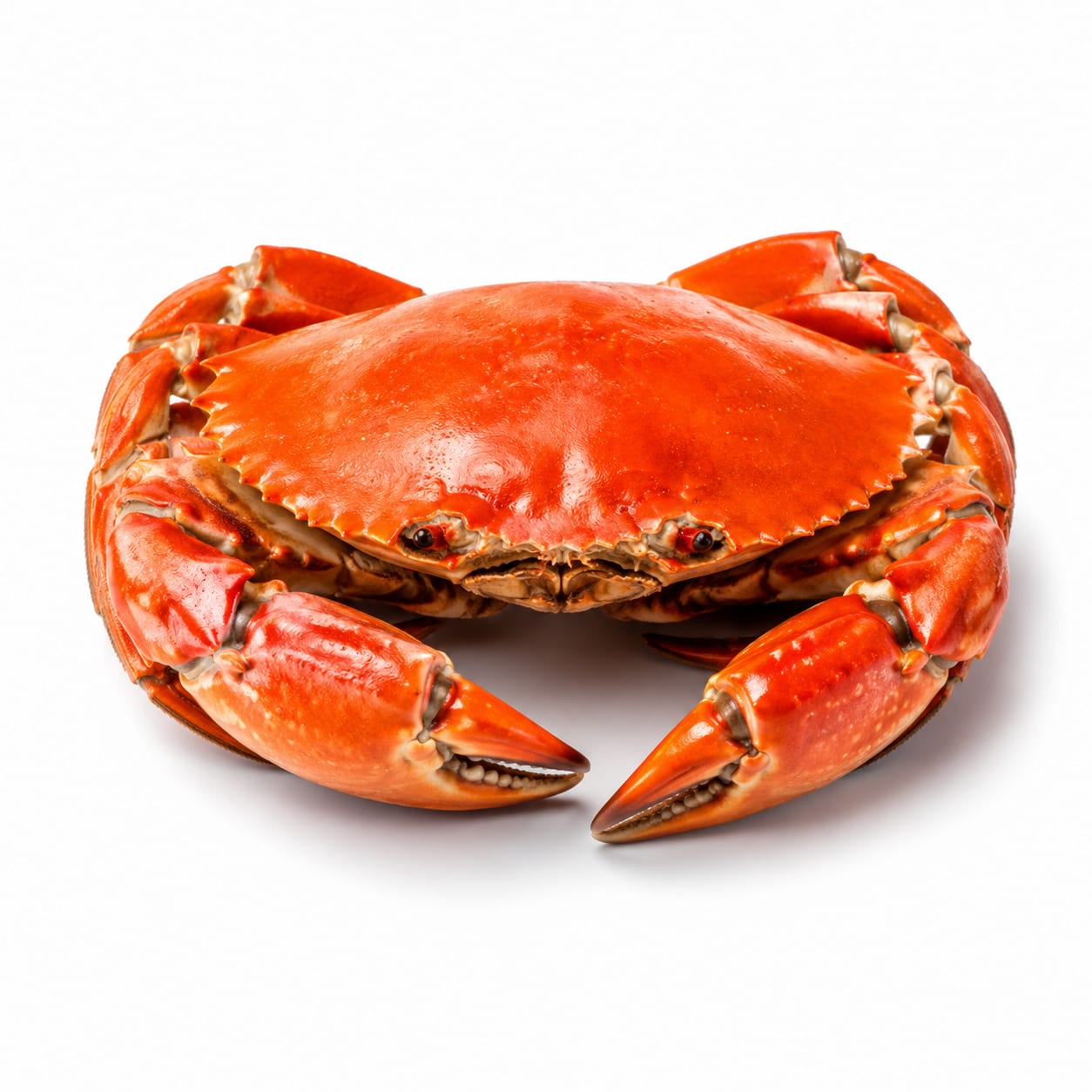
Crab
Scallops win for lean, low-calorie eating; crab wins for mineral density and flavor versatility. Your pick depends on whether you prioritize calorie control or nutrient breadth.
Scallops score slightly higher due to superior calorie-to-protein ratio and lower sodium, but crab's exceptional mineral content keeps it competitive. The close scores reflect that neither dominates across all dimensions.
Scallops give you more protein per calorie with almost no fat, while crab delivers a richer mineral profile but comes with significantly more sodium and cholesterol.
At a glance
Executive summary
Overall
It depends
Healthier
It depends
More practical
Crab
Daily use
Scallop
Key comparison lenses
lean protein source selection
Both are premium seafood proteins, but they differ significantly in calorie density and fat content
weight management compatibility
Scallops are dramatically lower in calories per serving, making them a common diet food choice
sodium and heart health awareness
Crab often carries high sodium, especially canned or processed forms, which matters for blood pressure
mercury and contaminant safety
Both are shellfish with different contaminant profiles that concern health-conscious seafood eaters
mineral and micronutrient density
Crab offers significantly more zinc, selenium, and B12, while scallops provide more magnesium and potassium
Best choice for
Scallop
- People counting calories or tracking macros precisely
- Anyone watching sodium intake or blood pressure
- Light meal seekers wanting something satisfying but not heavy
- Post-workout protein with minimal fat
Crab
- People needing zinc and selenium support such as immune health
- Those wanting more flavorful seafood without added seasoning
- Home cooks making soups, stews, or seafood salads
- Anyone prioritizing B12 intake
Least suitable for
Scallop
- Budget-conscious shoppers needing affordable regular protein
- People who find mild seafood unappealing
- Those wanting one-ingredient meals with bold flavor
Crab
- People on low-sodium diets or with hypertension
- Anyone watching cholesterol closely
- Those sensitive to or avoiding high-purine foods
Deep comparison
Dimension by dimension
Each lens scores both foods and breaks down who each option suits.
- Dimension 1 · Priority 95Scallop
Protein Quality and Density
Scallop · 88Crab · 80Scallops deliver more protein per calorie with less fat, making them a cleaner lean protein source.
Tradeoff
Crab still offers solid protein but comes with more fat and calories per gram of protein consumed.
Why it matters
If you are tracking macros or eating in a calorie deficit, scallops let you hit protein targets without burning through your calorie budget.
Real-world impact
A 4-ounce scallop serving gives you roughly 24g protein for only 120 calories. The same protein from crab costs you closer to 160-180 calories.
Scallop
- Calorie-conscious lifters
- Intermittent fasters breaking fasts with lean protein
Better for
- Anyone finding very lean meals unfilling without added fats
Worse for
Crab
- Those who find lean protein unsatisfying and prefer richer seafood
Better for
- Strict calorie counters who need maximum protein efficiency
Worse for
- Dimension 2 · Priority 90Scallop
Sodium Load
Scallop · 85Crab · 40Scallops are naturally low in sodium, while crab — especially canned or processed — can deliver a significant sodium hit.
Tradeoff
Fresh crab is moderate in sodium, but most people encounter crab in canned, pasteurized, or prepared forms that double or triple the sodium content.
Why it matters
For anyone managing blood pressure or eating multiple seafood meals weekly, sodium adds up fast with crab.
Real-world impact
A single serving of canned crab can deliver 400-900mg sodium. That is a third of your daily limit before you add any seasoning or sides.
Scallop
- People with hypertension
- Anyone eating multiple seafood meals per week
Better for
- Craving bold flavor without adding salt yourself
Worse for
Crab
- Endurance athletes who actually need sodium replenishment
Better for
- Anyone on a low-sodium diet
- People who salt their food habitually on top of what is already there
Worse for
- Dimension 3 · Priority 85Crab
Mineral and Micronutrient Density
Scallop · 70Crab · 90Crab is a standout source of zinc, selenium, copper, and B12 — all nutrients many people fall short on.
Tradeoff
Scallops offer more magnesium and potassium, but crab's overall mineral breadth is hard to match in a single seafood serving.
Why it matters
Zinc supports immunity and wound healing. Selenium protects thyroid function. B12 keeps energy and nerve health stable. These are not nice-to-haves; they are essential.
Real-world impact
One serving of crab covers over 100% of your daily B12 and selenium needs. You would need to eat more scallops to approach those levels.
Scallop
- People specifically wanting more magnesium for muscle recovery or sleep
Better for
- Those relying on a single seafood serving for broad mineral coverage
Worse for
Crab
- Anyone low on zinc or B12
- People wanting thyroid and immune support from food
Better for
- People who already get abundant zinc and selenium from other sources
Worse for
- Dimension 4 · Priority 80Scallop
Mercury and Contaminant Safety
Scallop · 82Crab · 68Scallops are among the lowest-mercury seafood options available. Crab varies more by species and habitat.
Tradeoff
Blue crab and Dungeness are moderate mercury, but some species and larger crabs accumulate more. Canned crab also raises questions about processing contaminants.
Why it matters
If you eat seafood 3+ times per week, mercury accumulation becomes a real concern, especially for pregnant women and children.
Real-world impact
Scallops are on the FDA's 'best choices' list for low mercury. Crab is on the 'good choices' list — safe in moderation but not as carefree for frequent consumption.
Scallop
- Pregnant women
- Children
- Frequent seafood eaters consuming shellfish multiple times weekly
Better for
- No significant downside here — scallops are consistently low risk
Worse for
Crab
- Occasional seafood eaters for whom mercury is less of a cumulative concern
Better for
- Pregnant women who need to monitor mercury more carefully
- People eating seafood daily who need the safest options
Worse for
- Dimension 5 · Priority 72Scallop
Cholesterol Content
Scallop · 75Crab · 55Scallops are relatively low in cholesterol for shellfish, while crab contains notably more per serving.
Tradeoff
Dietary cholesterol does not affect blood cholesterol for most people as much as once believed, but for sensitive individuals it still matters.
Why it matters
If you have genetically high cholesterol or are following a heart-protective diet, every source of dietary cholesterol adds up.
Real-world impact
Crab delivers roughly 80-100mg cholesterol per serving. Scallops come in around 30-40mg. That difference matters if you are monitoring intake.
Scallop
- People with hypercholesterolemia
- Anyone following a cardiologist's low-cholesterol guidance
Better for
- No meaningful downside on this dimension
Worse for
Crab
- Healthy individuals whose blood cholesterol is not diet-sensitive
Better for
- Those already limiting cholesterol from other animal products
Worse for
- Dimension 6 · Priority 70Crab
Convenience and Practicality
Scallop · 55Crab · 78Crab is more available in ready-to-use forms and requires less precise cooking. Scallops demand careful preparation to avoid ruining an expensive ingredient.
Tradeoff
Scallops cook in minutes but overcook in seconds. Crab, especially canned or frozen, is more forgiving and ready to use in recipes without timing stress.
Why it matters
A protein you can actually cook well and use easily will end up in your meals more often than one that intimidates you.
Real-world impact
Canned crab goes straight into crab cakes, salads, or soups. Scallops require a hot pan, precise timing, and the confidence to sear without steaming.
Scallop
- Experienced home cooks who enjoy precise stovetop work
- Anyone wanting an impressive dinner party main course
Better for
- Beginner cooks nervous about overcooking expensive seafood
- Anyone wanting grab-and-go protein
Worse for
Crab
- Busy weeknight cooks
- Meal preppers wanting seafood protein ready in the fridge
- People making seafood soups or dips
Better for
- Those who find canned seafood unappetizing
Worse for
- Dimension 7 · Priority 68Crab
Satiety and Meal Satisfaction
Scallop · 60Crab · 75Crab's richer flavor and slightly higher fat content make meals feel more satisfying. Scallops are lighter and can leave you wanting more.
Tradeoff
Light and lean feels great for some meals but unsatisfying for others. Crab fills that comfort niche better.
Why it matters
A meal that does not satisfy you leads to snacking later. The best protein is one that actually keeps you full.
Real-world impact
A scallop dinner might feel like an appetizer unless you add sides. Crab in a soup or salad feels like a complete, satisfying meal.
Scallop
- Light lunch eaters who prefer not feeling heavy afterward
- Summer meals where something refreshing matters more than filling
Better for
- Big eaters who feel scallops alone are not enough
Worse for
Crab
- Dinner-focused eaters needing meals that stick
- Anyone who finds lean protein leaves them hungry an hour later
Better for
- Those wanting light, clean-tasting meals
Worse for
Timeline
Health impact over time
Short-term
Hours to days
Scallop
- Light, clean energy without heaviness or bloating
- Minimal sodium means no post-meal thirst or puffiness
- Quick-digesting protein suitable before or after exercise
Crab
- More satisfying meal with richer mouthfeel and flavor
- Higher sodium may cause water retention or thirst in sensitive people
- B12 boost can feel subtly energizing, especially if you were running low
Long-term
Months to years
Scallop
- Consistent low-calorie protein supports weight maintenance without feeling deprived
- Low mercury allows frequent consumption without accumulation concerns
- Low sodium intake protects blood pressure over decades
Crab
- Superior zinc and selenium intake supports immune resilience and thyroid health long-term
- Higher sodium from regular crab consumption could contribute to blood pressure issues if not managed
- Moderate mercury means portion frequency should be monitored, especially for vulnerable groups
Risk profile
Safety & processing
Fresh or frozen scallops are typically sold with no additives. Crab, especially canned or pasteurized, often contains sodium-based preservatives and phosphates that increase sodium and alter texture.
Scallop
Vibrio bacterial contamination
mediumRaw or undercooked scallops can harbor Vibrio, especially in warm-water harvests. Cook thoroughly to eliminate risk.
Saxitoxin from harmful algal blooms
lowScallops are filter feeders and can accumulate biotoxins in affected waters. Commercial harvesting is monitored, but risk is not zero.
Crab
Mercury accumulation
mediumCrab mercury levels vary by species and water source. Blue crab is moderate; some larger species test higher. Limit frequency if pregnant.
High sodium from processing
mediumCanned and pasteurized crab products often contain 400-900mg sodium per serving, which is a cardiovascular risk over time.
Shellfish allergen cross-reactivity
highCrab is a major shellfish allergen. Reactions can be severe and life-threatening. Always confirm allergies before serving.
Who wins for whom
Audience fit
Same foods, different winners depending on your goal.
children
ScallopLower mercury and sodium make scallops a safer choice for developing bodies, though both should be served cooked.
daily consumption
ScallopLow mercury and low sodium make scallops safe for frequent eating. Crab's sodium and moderate mercury suggest it is better enjoyed a few times per week at most.
diabetes
ScallopScallops have virtually zero carbs and lower cholesterol, with minimal sodium that does not complicate blood pressure management common in diabetes.
elderly
It dependsCrab's B12 and zinc support aging immune and nervous systems, but its sodium is problematic for older adults with blood pressure concerns. Choose based on individual health priorities.
muscle gain
ScallopHigher protein-to-calorie ratio supports lean muscle gain without excess calories that add fat.
weight loss
ScallopScallops provide maximum protein with minimal calories and almost no fat, making them ideal for calorie-controlled eating.
Your move
Decision guide
Choose Scallop
- You are counting calories or tracking macros for weight loss
- You eat seafood frequently and want the safest low-mercury option
- You have high blood pressure or are watching sodium closely
- You want a clean, light protein after workouts
- You are cooking for someone pregnant or feeding children
Choose Crab
- You want broader mineral coverage, especially zinc and selenium
- You are making a seafood soup, stew, dip, or salad where crab shines
- You find lean seafood unsatisfying and prefer richer flavor
- You are not sodium-sensitive and want a more flavorful protein without extra seasoning
- You eat seafood only occasionally and want maximum nutrient impact per serving
Either works if
- You want high-quality complete protein from seafood
- You are building a seafood-based meal plan and want variety
- You have no specific sodium, cholesterol, or mercury concerns
Avoid both if
- You have a diagnosed shellfish allergy — both are triggers
- You are following a strict low-purine diet for gout management
- You live in an area where fresh seafood quality is unreliable
Final recommendation
Eat scallops as your everyday lean seafood and enjoy crab as a flavorful weekly addition. This gives you the best of both: scallops for clean, frequent protein and crab for mineral density and satisfaction. If you must pick one long-term, scallops are the safer daily choice — but you would be missing out on crab's exceptional zinc and selenium.
Practical
Consumer tips
- 1
Buy dry-packed scallops whenever possible. Wet-packed scallops are treated with sodium tripolyphosphate, which adds water weight and sodium while ruining searing potential.
- 2
If buying canned crab, rinse it briefly under cold water to remove some surface sodium before using.
- 3
Freeze scallops on a paper towel-lined tray before bagging. This prevents ice crystals from destroying their delicate texture.
- 4
For the best crab value, buy lump crab meat for salads and backfin for crab cakes. Claw meat is cheapest and works well in soups.
- 5
Cook scallops in a very hot pan with minimal oil. If the pan is not hot enough, they steam instead of sear and turn rubbery.
- 6
If sodium is a concern but you love crab, stick to fresh or frozen crab legs and avoid canned entirely. You will cut sodium by 60-70%.