
Nutrition comparison
Scallop vs Cod: Nutrition, Mercury, and Health Comparison
Compare scallops vs cod for protein, mercury levels, and vitamins. Find out which lean seafood is better for weight loss, daily meals, and your budget.
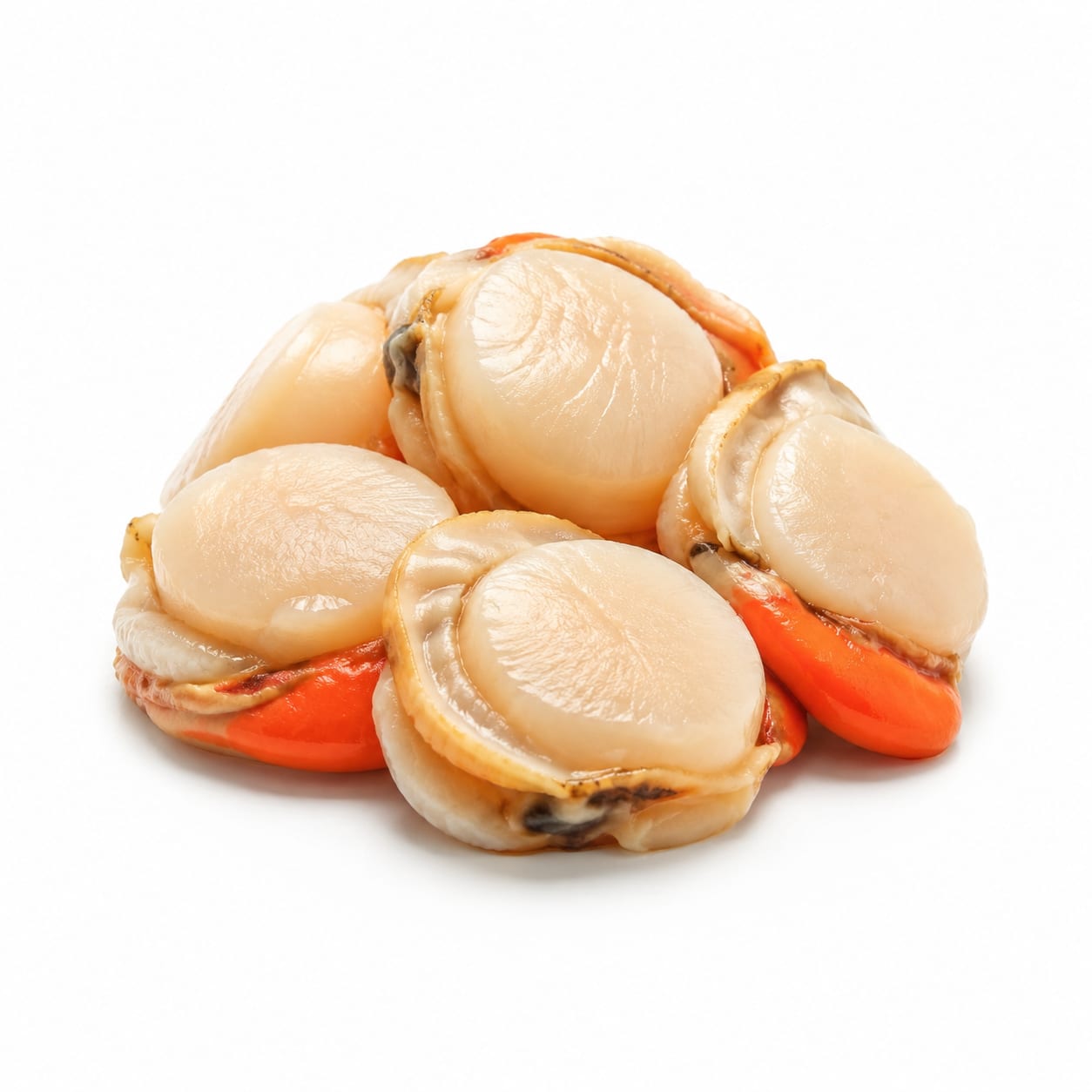
Scallop
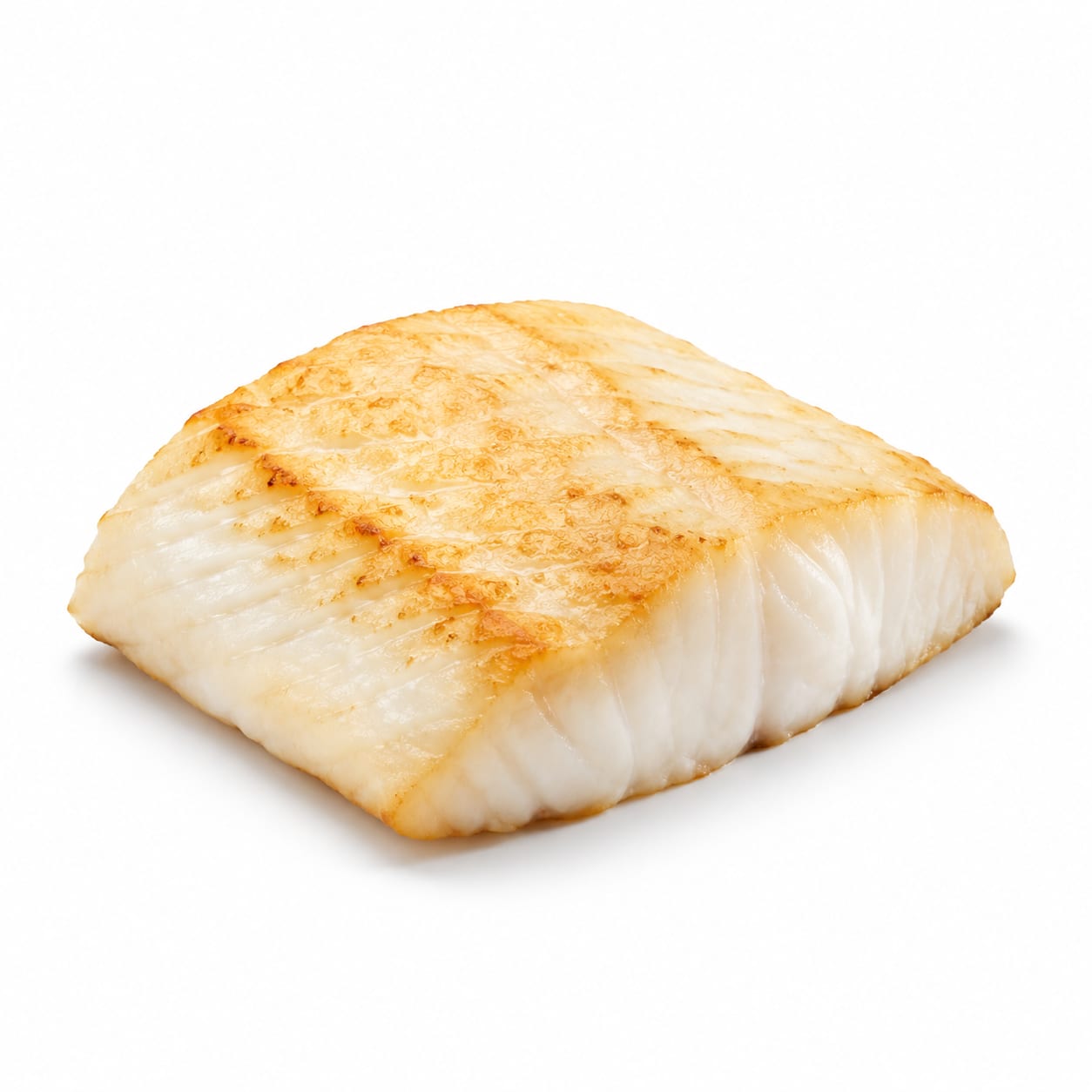
Cod
Cod is your affordable, versatile everyday lean fish, while scallops are a micronutrient-rich delicacy best for special occasions.
Cod scores slightly higher due to its affordability, versatility, and practicality for daily use. Scallops win on specific micronutrients and mercury safety but lose points on cost and accessibility.
Cost and everyday practicality versus a richer profile of essential minerals and lower mercury levels.
At a glance
Executive summary
Overall
It depends
Healthier
It depends
More practical
Cod
Daily use
Cod
Key comparison lenses
Lean protein source selection
Both are prized low-fat, high-protein seafood options often swapped in healthy diets.
Mercury and heavy metal exposure
Seafood comparisons always require a safety check on contaminants, especially for frequent consumers.
Budget and everyday practicality
Scallops are typically a premium ingredient, while cod is a staple everyday fish.
Micronutrient prioritization
Scallops offer unique minerals like zinc and selenium, whereas cod provides different B-vitamin profiles.
Best choice for
Scallop
- Special occasion dinners
- Boosting B12 and zinc intake
- Those strictly monitoring mercury exposure
- People needing easy-to-chew, tender protein
Cod
- Weekly meal prep
- Budget-conscious households
- Heart-healthy everyday dinners
- Families needing versatile white fish
Least suitable for
Scallop
- Tight grocery budgets
- Large family dinners requiring bulk protein
- People with gout or purine sensitivity
Cod
- Those avoiding moderate-mercury fish for daily consumption
- Raw seafood preparations without proper freezing
Deep comparison
Dimension by dimension
Each lens scores both foods and breaks down who each option suits.
- Dimension 1 · Priority 90Cod
Protein Quality & Satiety
Scallop · 82Cod · 88Cod offers slightly more protein per calorie and feels more filling in a standard portion.
Tradeoff
Scallops are still an excellent lean protein, but you get less total protein per serving compared to a cod fillet.
Why it matters
Higher protein volume helps with muscle maintenance and keeps you full longer between meals.
Real-world impact
A cod fillet will keep you satisfied through a busy afternoon better than a modest portion of scallops.
Scallop
- Lighter meals where you want less heavy satiety
Better for
- Bodybuilders needing high protein volume on a budget
Worse for
Cod
- Post-workout recovery
- Keeping hunger at bay for hours
Better for
- Very light eaters who find large fish fillets too heavy
Worse for
- Dimension 2 · Priority 85Scallop
Micronutrient Density
Scallop · 92Cod · 75Scallops are a powerhouse of vitamin B12, zinc, and selenium, far outpacing cod in mineral content.
Tradeoff
Cod provides good B12 and iodine but lacks the dense mineral hit that scallops deliver.
Why it matters
Zinc and selenium are crucial for immune function and thyroid health, and scallops make it easy to hit daily targets.
Real-world impact
Eating scallops a couple of times a week can noticeably support energy levels and immune resilience.
Scallop
- Immune system support
- Energy and fatigue reduction
- Thyroid health
Better for
- Those with hemochromatosis due to high heme iron
Worse for
Cod
- General maintenance of B-vitamins
Better for
- Correcting a zinc or selenium deficiency
Worse for
- Dimension 3 · Priority 88Scallop
Mercury & Contaminant Safety
Scallop · 94Cod · 78Scallops are among the lowest-mercury seafood options available, while cod carries a moderate mercury load.
Tradeoff
Cod is safe in moderation, but eating it daily could push mercury intake higher than ideal, especially for vulnerable groups.
Why it matters
Frequent consumption of moderate-mercury fish can accumulate and affect neurological health over time.
Real-world impact
If you eat fish 4-5 times a week, choosing scallops over cod reduces your long-term heavy metal burden.
Scallop
- Pregnant and nursing women
- Frequent seafood eaters
- Children
Better for
- No significant mercury downsides
Worse for
Cod
- Occasional eaters who only have fish once a week
Better for
- Daily consumers risking cumulative mercury exposure
Worse for
- Dimension 4 · Priority 82Cod
Affordability & Practicality
Scallop · 45Cod · 90Cod is widely available, easy to cook in bulk, and budget-friendly, whereas scallops are expensive and require careful cooking.
Tradeoff
Scallops can easily overcook and become rubbery, demanding more culinary skill and money for a smaller portion.
Why it matters
A healthy protein only works if you can afford and actually cook it consistently.
Real-world impact
Cod is perfect for a Tuesday night fish taco meal prep; scallops are a Saturday night splurge.
Scallop
- Impressing dinner guests
- High-end date nights
Better for
- Beginner cooks
- Feeding a family of five
Worse for
Cod
- Meal prepping
- Family dinners
- Budget-friendly grocery runs
Better for
- Upscale dining experiences
Worse for
Timeline
Health impact over time
Short-term
Hours to days
Scallop
- Quick, light energy from easily digested lean protein
- Very low likelihood of feeling sluggish or overly full
Cod
- Steady, satisfying fullness from a denser protein portion
- Gentle on blood sugar with virtually zero carbs
Long-term
Months to years
Scallop
- Excellent thyroid and immune support from selenium and zinc
- Lower lifetime mercury accumulation compared to many other fish
Cod
- Sustained muscle maintenance and heart health from consistent lean protein
- Potential moderate mercury accumulation if consumed too frequently
Risk profile
Safety & processing
Both scallops and cod are whole, natural foods in their fresh or frozen forms. Watch out for scallops treated with sodium tripolyphosphate (STPP), which retains moisture but adds unnatural sodium.
Scallop
Purine content
mediumScallops are moderately high in purines, which can trigger gout flare-ups in susceptible individuals.
STPP additives
lowWet-packed scallops are often soaked in chemical preservatives to retain water weight. Always look for dry-packed scallops.
Cod
Mercury exposure
mediumAtlantic cod contains moderate levels of mercury. Limiting intake to 2-3 servings per week is advisable, especially for pregnant women.
Parasites
lowLike most wild fish, cod can carry parasites. It must be properly frozen or cooked thoroughly to eliminate this risk.
Who wins for whom
Audience fit
Same foods, different winners depending on your goal.
children
ScallopScallops have significantly lower mercury, making them a safer occasional choice for developing nervous systems, though cod is fine in moderation.
daily consumption
CodCod is far more affordable and practical for daily or near-daily consumption, provided mercury intake is monitored.
diabetes
It dependsBoth are zero-carb, high-protein options that stabilize blood sugar perfectly. It comes down to personal preference and budget.
elderly
ScallopThe tender texture of scallops is easier to chew, and the high B12 and zinc content supports aging immune and nervous systems.
muscle gain
CodA standard cod fillet delivers a larger, more affordable dose of high-quality protein necessary for muscle repair.
weight loss
CodCod provides more protein per dollar and per bite, making it easier to maintain a calorie deficit while staying full.
Your move
Decision guide
Choose Scallop
- You want a low-mercury seafood option for frequent eating
- You need a boost in zinc, selenium, or B12
- You are cooking a special occasion meal
- You or a family member have difficulty chewing tougher meats
Choose Cod
- You need an affordable, everyday lean protein
- You are meal-prepping for the week
- You want a forgiving fish for recipes like chowders or tacos
- You are focused on maximizing protein intake on a budget
Either works if
- You just need a zero-carb, low-fat protein source for dinner
- You are mixing seafood types to balance your nutrient intake
- Blood sugar control is your primary goal
Avoid both if
- You have a severe shellfish or fish allergy
- Your doctor has advised a low-purine diet for gout management
Final recommendation
Let your budget and cooking occasion decide. Choose cod for everyday nourishment and meal prep, and choose scallops when you want a micronutrient-rich, low-mercury treat. Rotating both gives you the best of both worlds without overdoing mercury or breaking the bank.
Practical
Consumer tips
- 1
Look for 'dry-packed' scallops to avoid chemical additives and get a better sear.
- 2
Buy wild-caught Pacific cod over Atlantic cod when possible for slightly better sustainability and mercury profiles.
- 3
Do not overcook scallops; they only need 2-3 minutes per side to stay tender.
- 4
If buying frozen cod, thaw it in the fridge overnight to maintain the best texture.