
Nutrition comparison
Scallop vs Chicken Breast: Nutrition, Protein, and Health Comparison
Scallops vs chicken breast: which lean protein is healthier? Compare omega-3s, cholesterol, protein density, and safety to find out which is best for your diet.
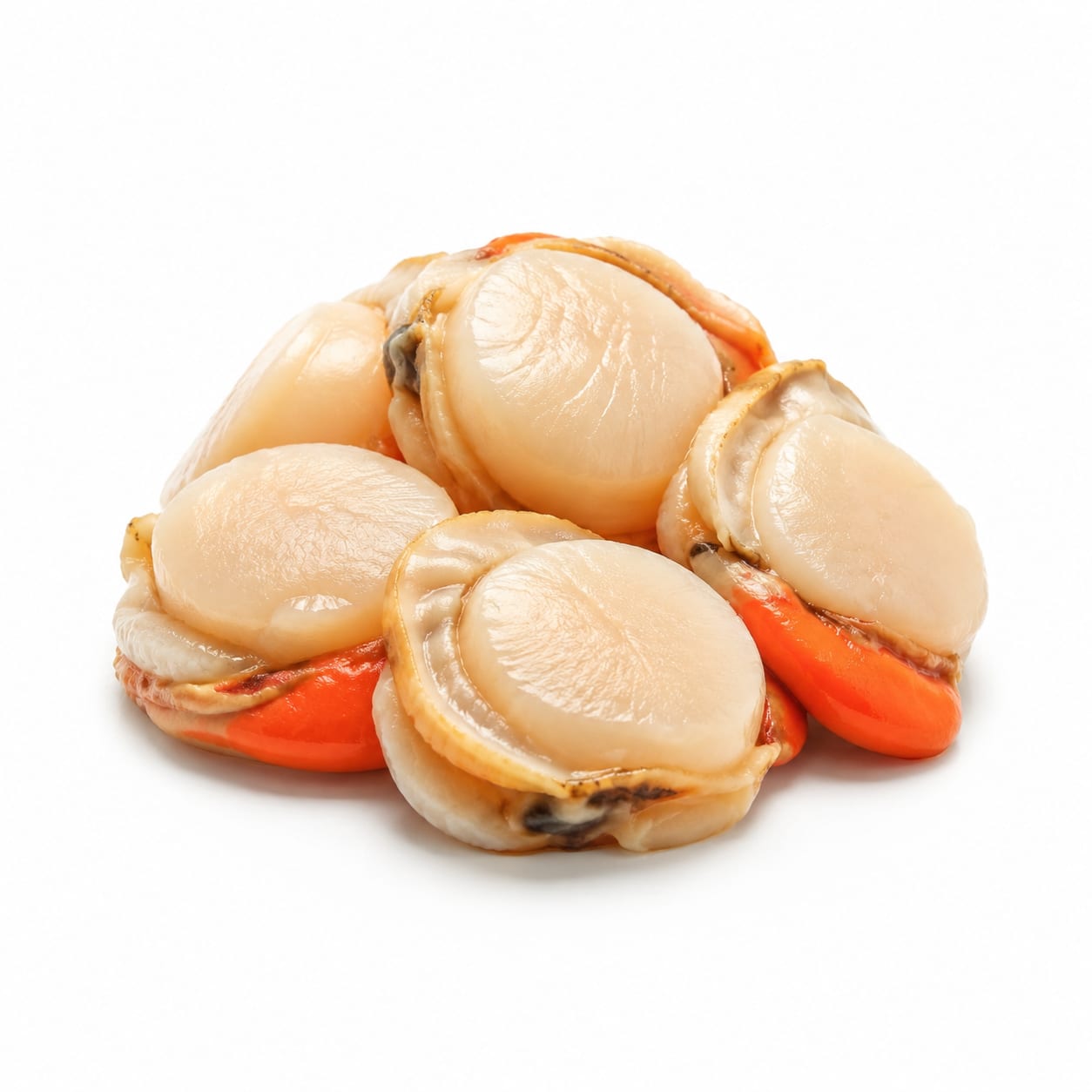
Scallop
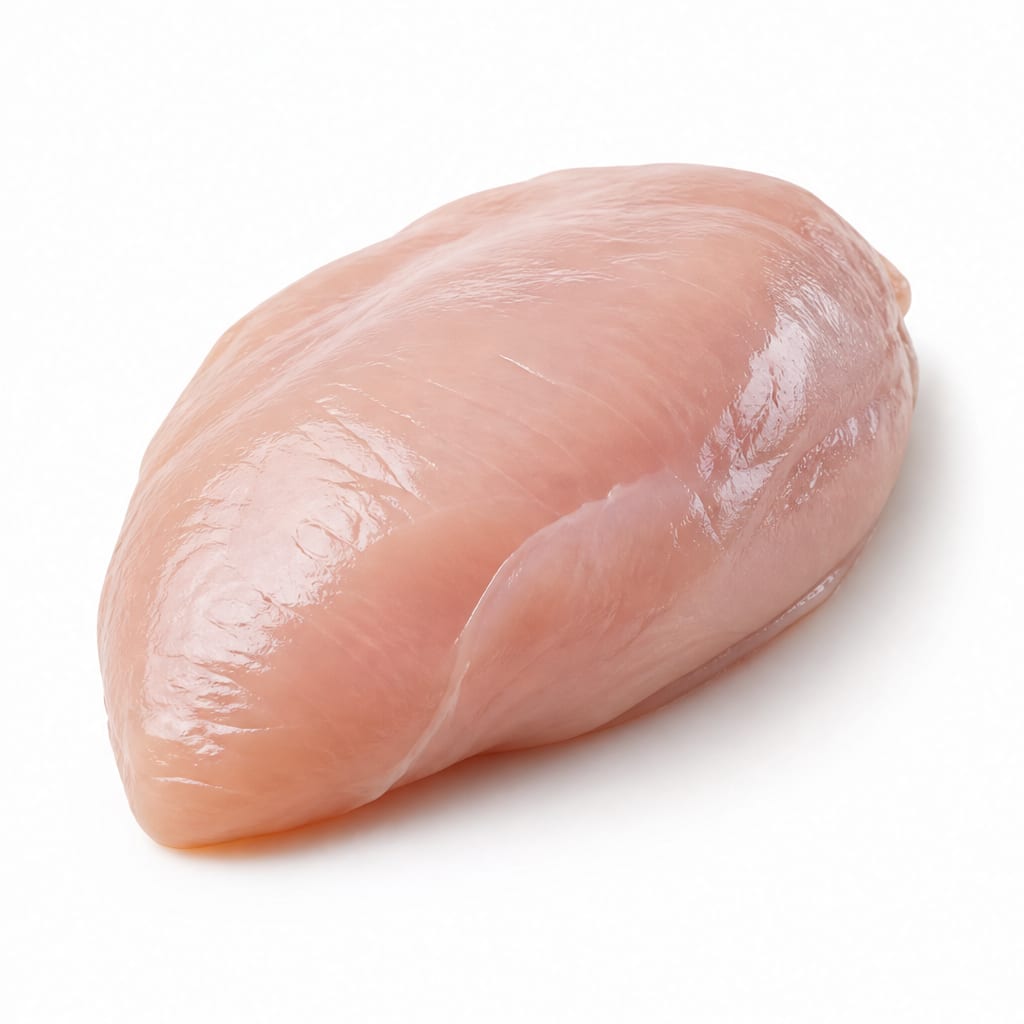
Chicken Breast
Chicken breast is the practical, everyday lean protein champion, while scallops offer unique marine nutrients and omega-3s at a higher price point.
Chicken breast edges out scallops due to affordability, availability, and lower cholesterol, but scallops remain an excellent nutrient-dense alternative.
Everyday affordability and convenience versus marine omega-3s and a richer micronutrient profile.
At a glance
Executive summary
Overall
It depends
Healthier
It depends
More practical
Chicken Breast
Daily use
Chicken Breast
Key comparison lenses
Lean Protein Quality and Satiety
Both are premier lean protein sources, but users want to know which keeps them fuller and supports muscle better.
Omega-3 and Micronutrient Density
Scallops offer unique marine nutrients that chicken lacks, creating a key health tradeoff.
Cholesterol and Heart Health
Scallops are surprisingly high in dietary cholesterol, which concerns many health-conscious eaters.
Contamination and Safety Risks
Ocean-borne heavy metals in scallops versus agricultural antibiotics and bacteria in chicken are critical long-term concerns.
Cost and Everyday Practicality
Chicken is a budget staple while scallops are a luxury item, heavily influencing daily dietary choices.
Best choice for
Scallop
- People wanting marine omega-3s without the fishy taste
- Special occasion meals
- Boosting B12 and zinc
Chicken Breast
- Meal preppers
- Budget-conscious athletes
- Daily lean protein needs
Least suitable for
Scallop
- Tight budgets
- Daily meal prep routines
- People with severe shellfish allergies
Chicken Breast
- People bored with poultry
- Those seeking marine-specific nutrients
Deep comparison
Dimension by dimension
Each lens scores both foods and breaks down who each option suits.
- Dimension 1 · Priority 95Chicken Breast
Protein Quality and Satiety
Scallop · 88Chicken Breast · 95Chicken breast packs more protein per serving, keeping you fuller longer, while scallops still offer solid high-quality protein.
Tradeoff
You get slightly less protein per calorie with scallops, but more unique amino acids and glycine.
Why it matters
Satiety drives long-term diet success and prevents overeating.
Real-world impact
A chicken breast dinner keeps you full until morning; a scallop dinner might leave you hunting for a snack an hour later.
Scallop
- Lighter meals
- Appetizer courses
Better for
- Heavy calorie deficits requiring maximum satiety
Worse for
Chicken Breast
- Post-workout recovery
- Staying full on a calorie cut
Better for
- Those wanting lighter, less dense meals
Worse for
- Dimension 2 · Priority 85Scallop
Micronutrient Profile and Omega-3s
Scallop · 92Chicken Breast · 75Scallops deliver a rare bundle of marine omega-3s, B12, zinc, and magnesium, while chicken breast leans heavily into B-vitamins like B3 and B6.
Tradeoff
Scallops offer brain and heart-healthy fats that chicken completely lacks, but chicken is better for energy metabolism.
Why it matters
Omega-3s are hard to get in land-based diets and are crucial for reducing inflammation.
Real-world impact
Eating scallops a couple of times a week boosts omega-3s without taking fish oil pills.
Scallop
- Brain health
- Reducing inflammation
- Thyroid support
Better for
- Those needing high B3/B6 for energy metabolism
Worse for
Chicken Breast
- Energy production
- Metabolic health
Better for
- Those relying on a single protein for omega-3 intake
Worse for
- Dimension 3 · Priority 80Chicken Breast
Cholesterol and Heart Health
Scallop · 70Chicken Breast · 90Scallops are surprisingly high in dietary cholesterol, while chicken breast is very low.
Tradeoff
Scallops' cholesterol doesn't raise blood cholesterol as much as saturated fat, but it's still a concern for hyper-responders.
Why it matters
People with genetic cholesterol sensitivity need to watch shellfish intake closely.
Real-world impact
If your doctor said to watch your cholesterol, chicken is the safer daily bet.
Scallop
- People with normal cholesterol who eat low saturated fat overall
Better for
- Cholesterol hyper-responders
Worse for
Chicken Breast
- People managing high blood cholesterol
- Heart disease patients
Better for
- Those who need more variety to stick to a heart-healthy diet
Worse for
- Dimension 4 · Priority 75It depends
Contamination and Safety Risks
Scallop · 75Chicken Breast · 80Scallops carry risks of heavy metals and microplastics from ocean water, while chicken carries risks of antibiotic residues and bacterial contamination.
Tradeoff
Ocean pollutants versus agricultural and processing pollutants.
Why it matters
Long-term accumulation of heavy metals or antibiotic resistance are both serious health concerns.
Real-world impact
Sourcing matters more than the food itself—wild scallops and organic chicken reduce these risks significantly.
Scallop
- Avoiding antibiotic exposure
- Those who trust sustainable seafood sourcing
Better for
- Pregnant women cautious about heavy metals
- People with shellfish allergies
Worse for
Chicken Breast
- Avoiding heavy metals
- Those who trust organic poultry sourcing
Better for
- People avoiding conventionally raised meats
- Those concerned about poultry processing conditions
Worse for
- Dimension 5 · Priority 70Chicken Breast
Cost and Everyday Practicality
Scallop · 40Chicken Breast · 95Chicken breast is one of the cheapest, most accessible proteins available. Scallops are a luxury item.
Tradeoff
You pay a premium for scallops' unique flavor and marine nutrients.
Why it matters
Budget dictates what you can actually eat consistently over months and years.
Real-world impact
You can meal prep chicken all week without breaking the bank; scallops are strictly a treat for most households.
Scallop
- Date nights
- Impressing guests
- Special occasions
Better for
- Daily consumption
- Budget diets
Worse for
Chicken Breast
- Weekly meal prep
- Feeding a family on a budget
- Bulk cooking
Better for
- Gourmet cooking
- Special occasions
Worse for
Timeline
Health impact over time
Short-term
Hours to days
Scallop
- Quick, light protein digestion
- Potential shellfish allergic reaction
Chicken Breast
- Highly satiating, stabilizes blood sugar well
- Can feel heavy or dry if overcooked
Long-term
Months to years
Scallop
- Improved omega-3 status and brain health
- Potential heavy metal accumulation if eaten too frequently
Chicken Breast
- Excellent muscle maintenance and metabolic health
- Risk of diet fatigue if eaten exclusively without variety
Risk profile
Safety & processing
Both are whole, single-ingredient foods when bought raw. Watch out for pre-packaged scallops treated with STPP (sodium tripolyphosphate) and chicken breast injected with saline solution.
Scallop
Heavy metals and microplastics
mediumScallops are filter feeders, meaning they can accumulate ocean pollutants like lead and microplastics over time.
Shellfish allergy
highOne of the top allergens; reactions can be severe and sudden.
Sodium tripolyphosphate (STPP)
lowOften used as a preservative to retain moisture, adding unnecessary sodium and a soapy texture.
Chicken Breast
Bacterial contamination
highRaw chicken is a notorious carrier of Salmonella and Campylobacter, requiring strict kitchen hygiene.
Antibiotic residues
mediumConventionally raised chicken may carry traces of antibiotics, contributing to resistance.
Who wins for whom
Audience fit
Same foods, different winners depending on your goal.
children
Chicken BreastChicken is safer for kids due to lower heavy metal risk and absence of shellfish allergy concerns.
daily consumption
Chicken BreastAffordability, availability, and lower cholesterol make chicken breast a much more sustainable daily staple.
diabetes
It dependsBoth are zero-carb and won't spike blood sugar, but scallops provide anti-inflammatory omega-3s which are beneficial for diabetic complications.
elderly
ScallopScallops are incredibly tender and easy to chew, and their B12 and omega-3s support cognitive health in aging.
muscle gain
Chicken BreastHigher protein density and leucine content make chicken breast superior for muscle repair and growth.
weight loss
Chicken BreastChicken breast offers more protein per calorie, making it more satiating for calorie-restricted diets.
Your move
Decision guide
Choose Scallop
- You want to boost omega-3s without taking fish oil
- You're cooking a romantic or special dinner
- You need a tender, easy-to-chew protein source
Choose Chicken Breast
- You're meal prepping on a budget
- You need maximum protein for muscle gain
- You're watching your dietary cholesterol intake
Either works if
- You just need a lean, zero-carb protein source
- You're making a stir-fry with lots of vegetables
Avoid both if
- You have gout and are sensitive to purines
- You are looking for plant-based protein options
Final recommendation
Rely on chicken breast for your everyday protein needs, and treat scallops as a nutrient-boosting luxury a few times a month.
Practical
Consumer tips
- 1
Buy 'dry' scallops whenever possible to avoid the STPP preservative used in 'wet' scallops.
- 2
Marinate chicken breast in yogurt or citrus to keep it tender and prevent the dreaded dryness.
- 3
Sear scallops quickly in a very hot pan—overcooking makes them rubbery.
- 4
Freeze chicken in individual portions to make daily meal prep faster and easier.