
Nutrition comparison
Sardines vs Tuna: Which Canned Fish is Healthier?
Compare sardines vs tuna on mercury, omega-3s, protein, and taste. Find out which canned fish is safer for daily use and better for your health goals.
Overall winner · Sardine
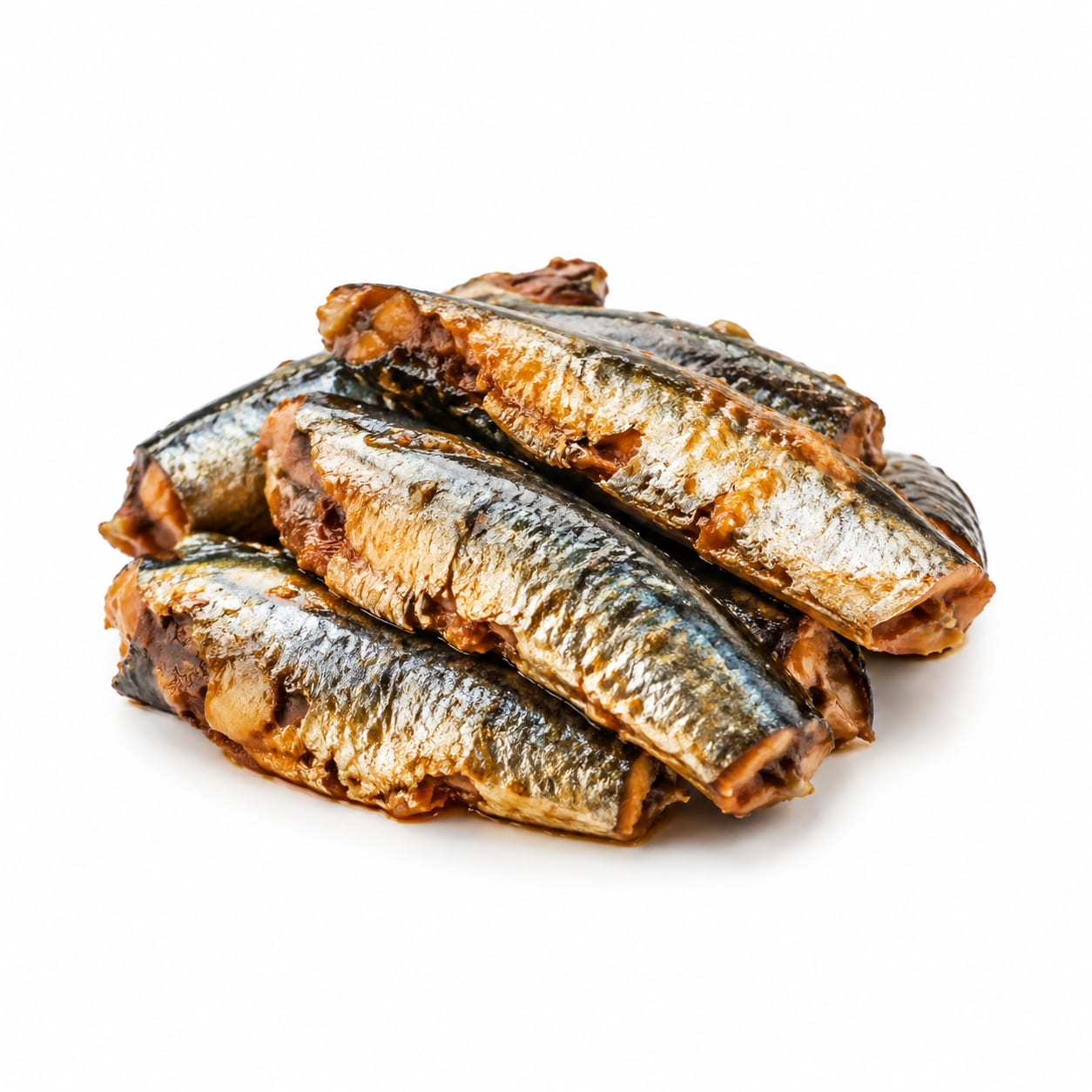
Sardine
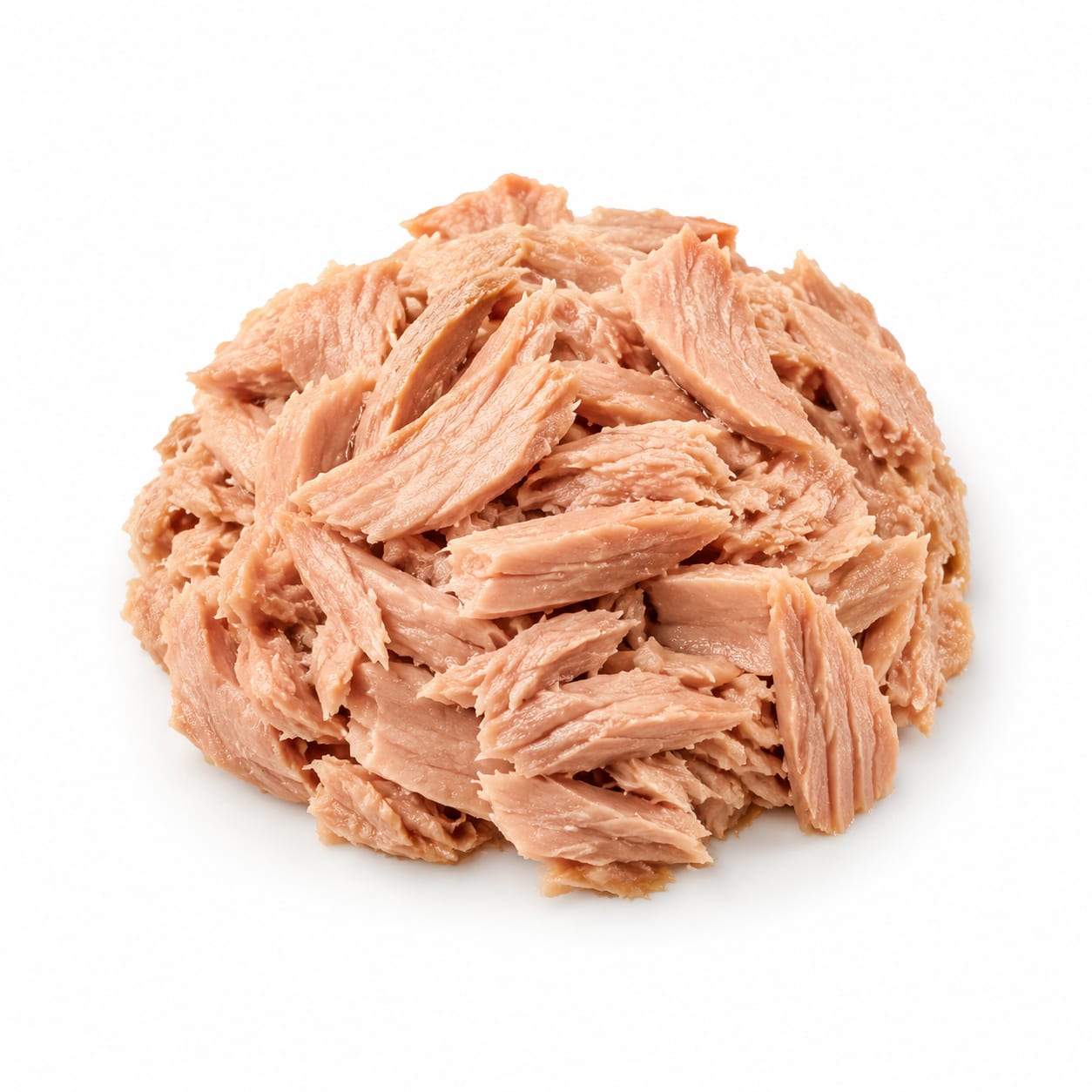
Tuna
Sardines are the safer everyday staple with more omega-3s and calcium, while tuna offers leaner protein and a milder flavor but carries a higher mercury risk.
Sardines score higher due to significantly lower mercury levels, higher omega-3s, and bone-building calcium, making them a safer regular choice. Tuna scores well for lean protein and versatility but is penalized for heavy metal accumulation risks.
You trade the mild taste and lean protein of tuna for the superior omega-3s, calcium, and mercury safety of sardines.
At a glance
Executive summary
Overall
Sardine
Healthier
Sardine
More practical
Tuna
Daily use
Sardine
Key comparison lenses
Mercury and heavy metal exposure
Tuna accumulates significantly more mercury than sardines, making safety a primary decision factor for frequent consumers.
Omega-3 fatty acid intake
Both are known for healthy fats, but sardines provide a much denser source of EPA and DHA per serving.
Protein leanness and muscle building
Tuna is a staple for lean protein, while sardines offer a higher-fat protein profile.
Bone health and micronutrients
Sardines with edible bones provide exceptional calcium and vitamin D that tuna lacks.
Taste and culinary versatility
Tuna's mild flavor makes it more versatile, whereas sardines have a distinct taste that limits pairings.
Best choice for
Sardine
- Pregnant women and children
- Frequent fish eaters
- Heart health focus
- Bone health support
Tuna
- Lean muscle building
- Mild flavor preference
- Low-calorie diets
- Meal prep versatility
Least suitable for
Sardine
- People who dislike strong fish flavors
- Those watching purine intake for gout
Tuna
- Pregnant women
- Children
- Daily consumption
Deep comparison
Dimension by dimension
Each lens scores both foods and breaks down who each option suits.
- Dimension 1 · Priority 95Sardine
Mercury & Contaminant Safety
Sardine · 95Tuna · 45Sardines are one of the lowest mercury fish available, while tuna—especially albacore—accumulates significant mercury.
Tradeoff
Choosing tuna for its milder flavor means accepting a higher load of heavy metals.
Why it matters
High mercury exposure impacts brain health and is especially risky for pregnant women and kids.
Real-world impact
You can eat sardines multiple times a week without worry, but tuna should be limited to avoid buildup.
Sardine
- Safe weekly meal prep
- Pregnancy diets
- Kids' lunches
Better for
Tuna
- Frequent consumption
- Vulnerable populations
Worse for
- Dimension 2 · Priority 90Sardine
Omega-3 & Heart Health
Sardine · 95Tuna · 75Sardines pack more EPA and DHA omega-3s per serving than most tuna varieties.
Tradeoff
Tuna is leaner with less fat, but you miss out on the robust anti-inflammatory benefits sardines provide.
Why it matters
Omega-3s are crucial for heart health, brain function, and reducing inflammation.
Real-world impact
Eating sardines a few times a week can noticeably improve your omega-3 balance without supplements.
Sardine
- Reducing inflammation
- Lowering triglycerides
- Brain health
Better for
- Strict low-fat diets
Worse for
Tuna
- Low-fat diets
Better for
- Relying on it for omega-3s
Worse for
- Dimension 3 · Priority 85Tuna
Protein & Satiety
Sardine · 82Tuna · 90Tuna provides more protein per calorie, making it a bodybuilding staple.
Tradeoff
Sardines offer filling fats and protein, but tuna gives you pure lean protein for fewer calories.
Why it matters
High-protein, low-calorie foods keep you full without overshooting your daily intake.
Real-world impact
A can of tuna after a workout gives you muscle-building protein without the extra fat calories.
Sardine
- Sustained energy from fats
Better for
- Strict calorie cutting
Worse for
Tuna
- Post-workout recovery
- Lean muscle gain
- Strict calorie counting
Better for
- Sustained satiety without carbs
Worse for
- Dimension 4 · Priority 80Sardine
Bone Health & Micronutrients
Sardine · 95Tuna · 55Sardines with edible bones are a top food source of calcium and vitamin D.
Tradeoff
You have to tolerate the soft bones in sardines to get a massive calcium boost that tuna lacks.
Why it matters
Most people don't get enough calcium or vitamin D, which are vital for bone density.
Real-world impact
Eating sardines is like taking a natural calcium and vitamin D supplement with your meal.
Sardine
- Preventing osteoporosis
- Dairy-free calcium sources
Better for
Tuna
- Bone health support
Worse for
- Dimension 5 · Priority 70Tuna
Taste & Culinary Versatility
Sardine · 55Tuna · 85Tuna has a mild flavor that blends into almost any dish, while sardines have a distinct, fishy taste.
Tradeoff
Sardines bring bold flavor that limits how you can use them, whereas tuna is a blank canvas.
Why it matters
If a food isn't enjoyable or easy to cook with, you won't eat it consistently.
Real-world impact
Tuna easily mixes into a quick salad or sandwich; sardines usually need specific flavor pairings.
Sardine
- Bold flavor lovers
- Mediterranean recipes
Better for
- Picky eaters
- Office lunches
Worse for
Tuna
- Picky eaters
- Quick meal prep
- Mild flavor preference
Better for
- Gourmet seafood recipes
Worse for
Timeline
Health impact over time
Short-term
Hours to days
Sardine
- Quick omega-3 boost
- Very filling due to healthy fats
- Strong aftertaste
Tuna
- Lean protein energy
- Light feeling after eating
- Dry if overcooked
Long-term
Months to years
Sardine
- Stronger bones from calcium
- Better heart health
- Low mercury risk
Tuna
- Muscle maintenance
- Potential mercury accumulation if eaten too often
Risk profile
Safety & processing
Both are typically canned with just water or olive oil and salt, keeping them close to their natural state.
Sardine
Purine content
lowSardines are high in purines, which can be an issue for people with severe gout.
BPA from can linings
mediumCanned sardines may have BPA in the lining, though many brands now use BPA-free cans.
Tuna
Mercury toxicity
highTuna, especially albacore, accumulates significant mercury that can harm neurological health over time.
BPA from can linings
mediumSimilar to sardines, canned tuna may expose you to BPA from can linings.
Who wins for whom
Audience fit
Same foods, different winners depending on your goal.
children
SardineSardines are much lower in mercury, making them far safer for developing nervous systems.
daily consumption
SardineLow mercury levels mean you can safely eat sardines every day, unlike tuna.
diabetes
SardineThe healthy fats in sardines help stabilize blood sugar better than the pure lean protein in tuna.
elderly
SardineThe calcium, vitamin D, and omega-3s in sardines directly support bone and heart health in aging adults.
muscle gain
TunaTuna provides more protein per calorie, which is ideal for building lean muscle.
weight loss
TunaTuna is lower in calories and fat, making it easier to fit into a strict calorie deficit.
Your move
Decision guide
Choose Sardine
- You want a safe, everyday fish with maximum health benefits
- Heart and bone health are top priorities
- You are pregnant, nursing, or feeding children
- You want to boost omega-3s without supplements
Choose Tuna
- You need lean, low-calorie protein for muscle gain
- You dislike strong fish flavors or textures
- You want a versatile protein for meal prep
- You only eat fish occasionally
Either works if
- You need a shelf-stable, quick protein source
- You are making a healthy salad topping
Avoid both if
- You have a severe fish or iodine allergy
- You are strictly avoiding sodium from canned goods
Final recommendation
Make sardines your default canned fish for everyday nutrition and safety, but keep tuna on hand for lean protein days and milder recipes.
Practical
Consumer tips
- 1
Buy sardines packed in water or olive oil instead of soybean oil for healthier fats.
- 2
Choose skipjack tuna over albacore to cut your mercury exposure significantly.
- 3
Look for BPA-free cans whenever possible for both options.
- 4
Mash sardines into avocado or mustard to mask the fishy taste if you're new to them.
- 5
Rinse canned tuna to remove some excess sodium.