
Nutrition comparison
Sardines vs Trout: Nutrition, Mercury, and Which Fish Is Better
Compare sardines vs trout for omega-3s, protein, mercury levels, and taste. Find out which fish is better for weight loss, heart health, and daily meals.
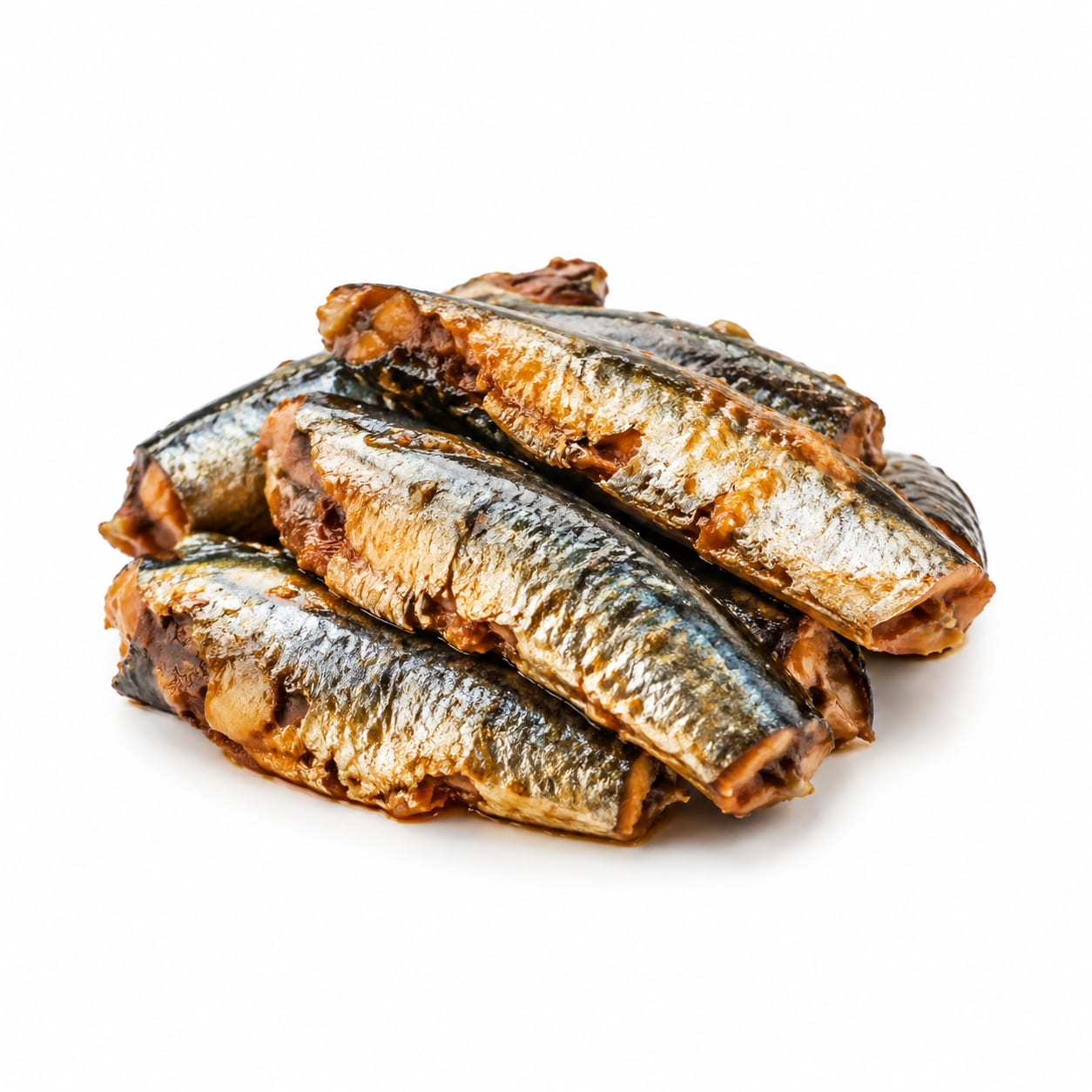
Sardine
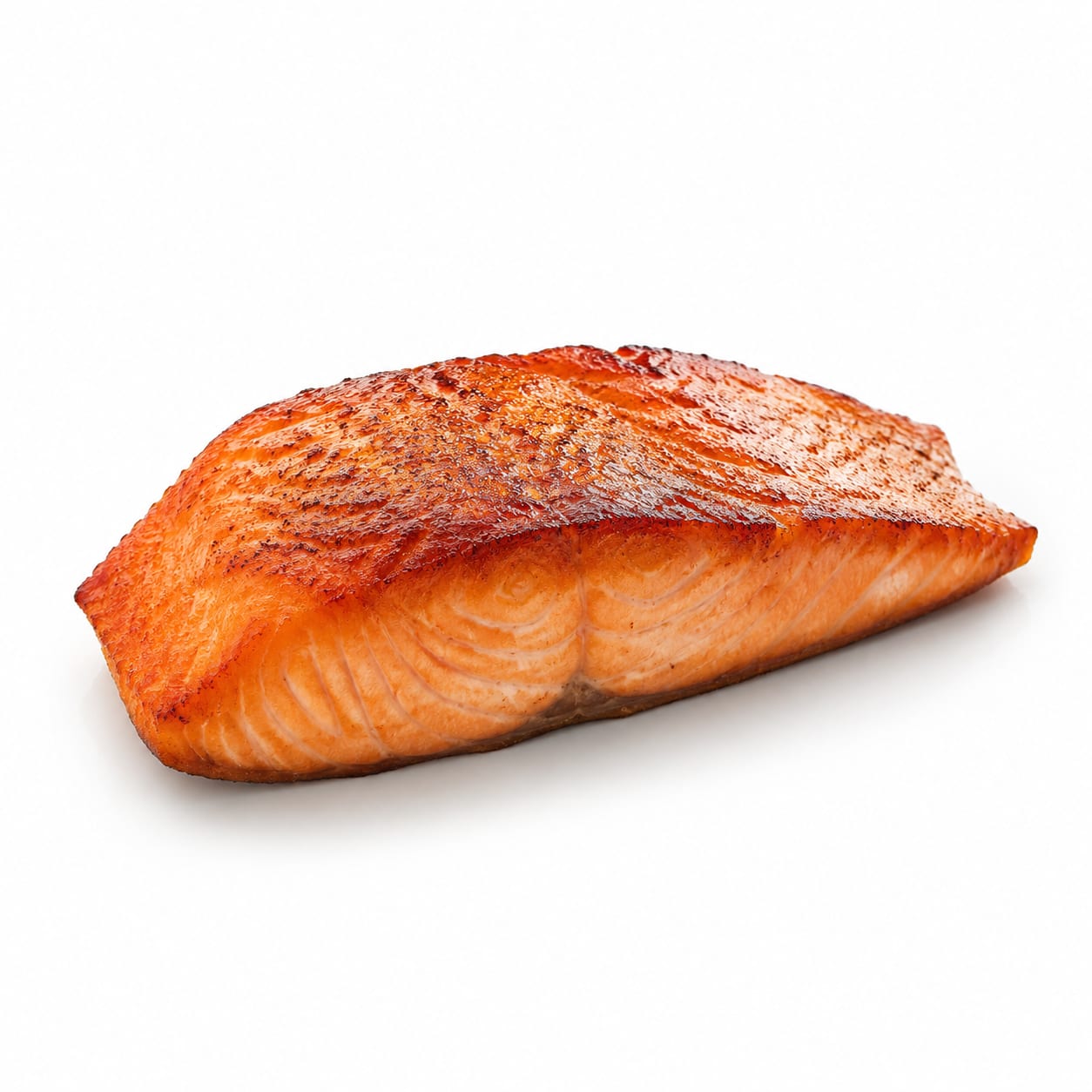
Trout
Sardines win for pure nutritional density, calcium, and mercury safety, while trout offers a milder flavor and a more versatile, fresh meal experience.
Sardines score higher due to superior omega-3 density, extremely low mercury, and built-in calcium, but trout remains an excellent high-protein, low-contaminant choice with broader culinary appeal.
Maximum nutrient density and shelf-stable convenience from sardines versus a lighter, more culinary-friendly fresh fish experience from trout.
At a glance
Executive summary
Overall
It depends
Healthier
Sardine
More practical
Sardine
Daily use
Sardine
Key comparison lenses
Omega-3 density and heart health
Both are top-tier sources of EPA and DHA, but the concentration and fat profile differ significantly
Mercury and heavy metal safety
Sardines are among the lowest-mercury fish available, while trout can vary based on sourcing
Convenience and culinary versatility
Canned sardines are a ready-to-eat staple, whereas trout typically requires cooking and preparation
Bone health and calcium intake
Sardines eaten with soft bones provide a massive calcium boost that trout fillets do not
Best choice for
Sardine
- Bone health and osteoporosis prevention
- Budget-friendly omega-3 intake
- Zero-prep quick lunches
- Daily low-mercury fish consumption
Trout
- Elegant home-cooked dinners
- Picky eaters who dislike strong fish flavors
- High-protein, lower-fat meal prep
- Those avoiding canned foods
Least suitable for
Sardine
- People disgusted by strong fishy smells or flavors
- Gout sufferers sensitive to purines
- Those who struggle with soft edible bones
Trout
- Budget-conscious daily meal preppers
- Those needing a shelf-stable emergency protein
- People looking for a no-cook option
Deep comparison
Dimension by dimension
Each lens scores both foods and breaks down who each option suits.
- Dimension 1 · Priority 95Sardine
Omega-3 & Healthy Fats
Sardine · 95Trout · 82Sardines pack significantly more omega-3s per serving than trout, making them a more efficient brain and heart fuel source.
Tradeoff
You get more anti-inflammatory fats with sardines, but the fat comes with a much stronger flavor and higher overall calorie density if packed in oil.
Why it matters
Omega-3s are critical for heart health and brain function, and getting more from a smaller portion makes hitting daily targets easier.
Real-world impact
Eating sardines a few times a week easily meets your omega-3 needs without needing supplements, whereas trout requires larger or more frequent portions.
Sardine
- Lowering triglycerides efficiently
- Meeting omega-3 targets on a budget
Better for
- Those on a strict low-fat diet
Worse for
Trout
- Those watching total fat intake
- People who prefer a leaner protein source
Better for
- Maximizing EPA/DHA intake per calorie
Worse for
- Dimension 2 · Priority 90Sardine
Heavy Metal & Contamination Safety
Sardine · 97Trout · 80Sardines are near the bottom of the ocean food chain, meaning they accumulate virtually no mercury compared to larger or lake-dwelling trout.
Tradeoff
Sardines offer peace of mind for daily eating, while trout safety depends heavily on whether it is farmed or wild-caught from clean waters.
Why it matters
Mercury buildup harms the nervous system and is especially risky for pregnant women and children.
Real-world impact
You can eat sardines daily without worrying about heavy metal accumulation, but trout should be limited to a few times a week depending on the source.
Sardine
- Pregnant and breastfeeding women
- Frequent fish eaters needing a safe daily option
Better for
- People avoiding canned goods due to BPA concerns
Worse for
Trout
- Those sourcing from verified clean wild fisheries
Better for
- Consumers unaware of their trout's specific water source
Worse for
- Dimension 3 · Priority 85Trout
Protein & Satiety
Sardine · 78Trout · 90Trout provides a leaner, denser protein hit per calorie, making it more filling for muscle maintenance and weight management.
Tradeoff
Trout keeps you full with pure protein, while sardines fill you up with a mix of protein and heavy fats.
Why it matters
Higher protein-to-calorie ratios help preserve muscle and control hunger without overeating.
Real-world impact
A trout fillet feels like a substantial, satisfying dinner, while sardines might feel heavier in the stomach but less voluminous on the plate.
Sardine
- Keto dieters needing high fat with moderate protein
Better for
- Those needing high protein without excess calories
Worse for
Trout
- Athletes needing lean protein for recovery
- Weight loss diets requiring high volume
Better for
- Those relying on fats for sustained energy
Worse for
- Dimension 4 · Priority 80Sardine
Convenience & Preparation
Sardine · 95Trout · 60Canned sardines are ready to eat straight from the pantry, while trout requires refrigeration, cleaning, and cooking.
Tradeoff
Sardines sacrifice culinary elegance for ultimate convenience, whereas trout requires effort but delivers a restaurant-quality meal.
Why it matters
Convenience often dictates whether healthy eating habits actually stick in a busy life.
Real-world impact
Sardines are a 10-second lunch solution, while trout demands at least 20 minutes of active cooking and prep.
Sardine
- Busy professionals needing instant nutrition
- Backpacking and emergency food kits
Better for
- Hosting a formal dinner party
Worse for
Trout
- Home cooks wanting an impressive dinner
- Those who enjoy the cooking process
Better for
- Quick office lunches
Worse for
- Dimension 5 · Priority 75Sardine
Bone Health & Micronutrients
Sardine · 98Trout · 55Eating soft sardine bones delivers a massive dose of calcium and vitamin D, while trout fillets contain almost none of these bone-building nutrients.
Tradeoff
You have to tolerate the texture of soft bones in sardines to unlock their full mineral profile, whereas trout is boneless but requires dairy or supplements for calcium.
Why it matters
Calcium and vitamin D are notoriously difficult to obtain in adequate amounts without dairy.
Real-world impact
A single can of sardines covers a third of your daily calcium needs effortlessly, acting as a natural supplement.
Sardine
- Dairy-free diets needing calcium
- Older adults preventing osteoporosis
Better for
- Those with texture aversions to soft bones
Worse for
Trout
- People repulsed by eating bones
Better for
- Those relying on fish as a primary calcium source
Worse for
Timeline
Health impact over time
Short-term
Hours to days
Sardine
- Provides immediate, long-lasting satiety from dense fats and protein
- Can cause strong fishy breath or aftertaste
Trout
- Delivers a lighter, energizing protein boost without feeling overly heavy
- Requires cooking, which can be a barrier to immediate hunger relief
Long-term
Months to years
Sardine
- Significantly reduces heart disease risk through high omega-3 intake
- Improves bone density due to high calcium and vitamin D
- May trigger gout flares in susceptible individuals due to purine content
Trout
- Supports lean muscle mass maintenance with high-quality protein
- Promotes cardiovascular health, though less aggressively than sardines
- Lower purine load makes it safer for long-term gout management
Risk profile
Safety & processing
Both are whole foods, but canned sardines often come in oil or sauce with added salt, while fresh or frozen trout is typically free of additives.
Sardine
Histamine toxicity
mediumImproperly stored canned sardines can build up histamine, causing allergic-like reactions in sensitive people.
BPA exposure from cans
lowMost modern cans are BPA-free, but older or cheaper brands might still use linings containing BPA.
Trout
PCBs and dioxins
mediumFarmed trout and lake-caught trout can accumulate industrial pollutants depending on water quality.
Microplastics
mediumLike all fish, trout from contaminated waters may contain microplastics, with farmed fish sometimes showing higher rates.
Who wins for whom
Audience fit
Same foods, different winners depending on your goal.
children
TroutTrout has a milder flavor and boneless fillets, making it far easier and safer for kids to eat compared to strong-flavored, bony sardines.
daily consumption
SardineExtremely low mercury levels make sardines one of the few fish safe to eat every single day without heavy metal accumulation risks.
diabetes
SardineThe higher omega-3 content and zero carbohydrates in sardines provide superior insulin sensitivity benefits and steadier blood sugar.
elderly
SardineThe soft, edible bones in sardines provide crucial calcium and vitamin D for preventing osteoporosis, a major concern for aging populations.
muscle gain
TroutTrout offers a leaner, more concentrated protein source per serving, which is ideal for post-workout recovery and muscle synthesis.
weight loss
TroutTrout provides a higher volume of food and more protein for fewer calories, making it easier to stay in a deficit without feeling deprived.
Your move
Decision guide
Choose Sardine
- You want the absolute safest fish for daily omega-3 intake
- You need a no-prep, shelf-stable protein source
- You are dairy-free and need natural calcium for your bones
- You are on a tight budget but want premium nutrition
Choose Trout
- You are cooking a nice meal for someone who dislikes fishy flavors
- You want a high-protein, leaner main course for dinner
- You are sensitive to purines or have a history of gout
- You prefer fresh cooking over canned convenience
Either works if
- You simply want to eat more seafood and reduce red meat
- You are looking for high-quality complete protein sources
- You want to improve your heart health with whole foods
Avoid both if
- You have a severe fish or seafood allergy
- You are strictly following a plant-based or vegan diet
Final recommendation
Let your lifestyle and taste preferences decide. Keep sardines in the pantry for a quick, nutrient-dense lunch, and buy fresh trout for a lighter, more elegant dinner. Both are exceptional choices that outperform almost any land-based protein.
Practical
Consumer tips
- 1
Look for sardines packed in water or olive oil rather than soybean oil to avoid inflammatory seed oils.
- 2
Choose wild-caught trout over farmed when possible to reduce exposure to antibiotics and PCBs.
- 3
If you dislike the texture of sardine bones, mash them thoroughly with mustard and avocado to hide the crunch.
- 4
Check canned sardine labels for 'BPA-free' linings to minimize endocrine disruption risks.
- 5
Rainbow trout is generally a cleaner, safer choice than lake trout, which tends to have higher contaminant levels.