
Nutrition comparison
Sardines vs Salmon: Which Fish Is Healthier for Daily Eating?
Compare sardines and salmon on omega-3, mercury, protein, calcium, cost, and taste. Discover which fish is better for your health goals, budget, and lifestyle.
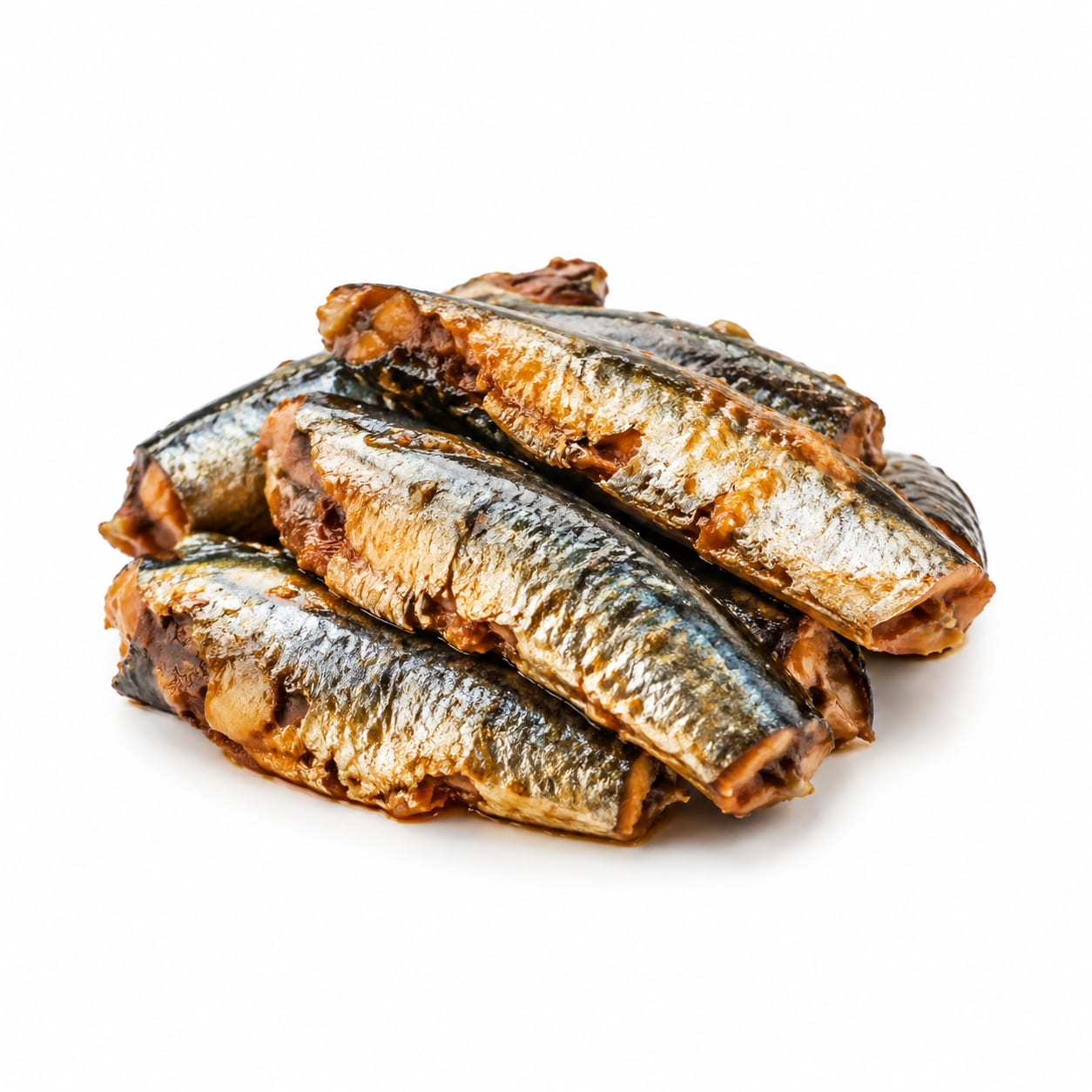
Sardine
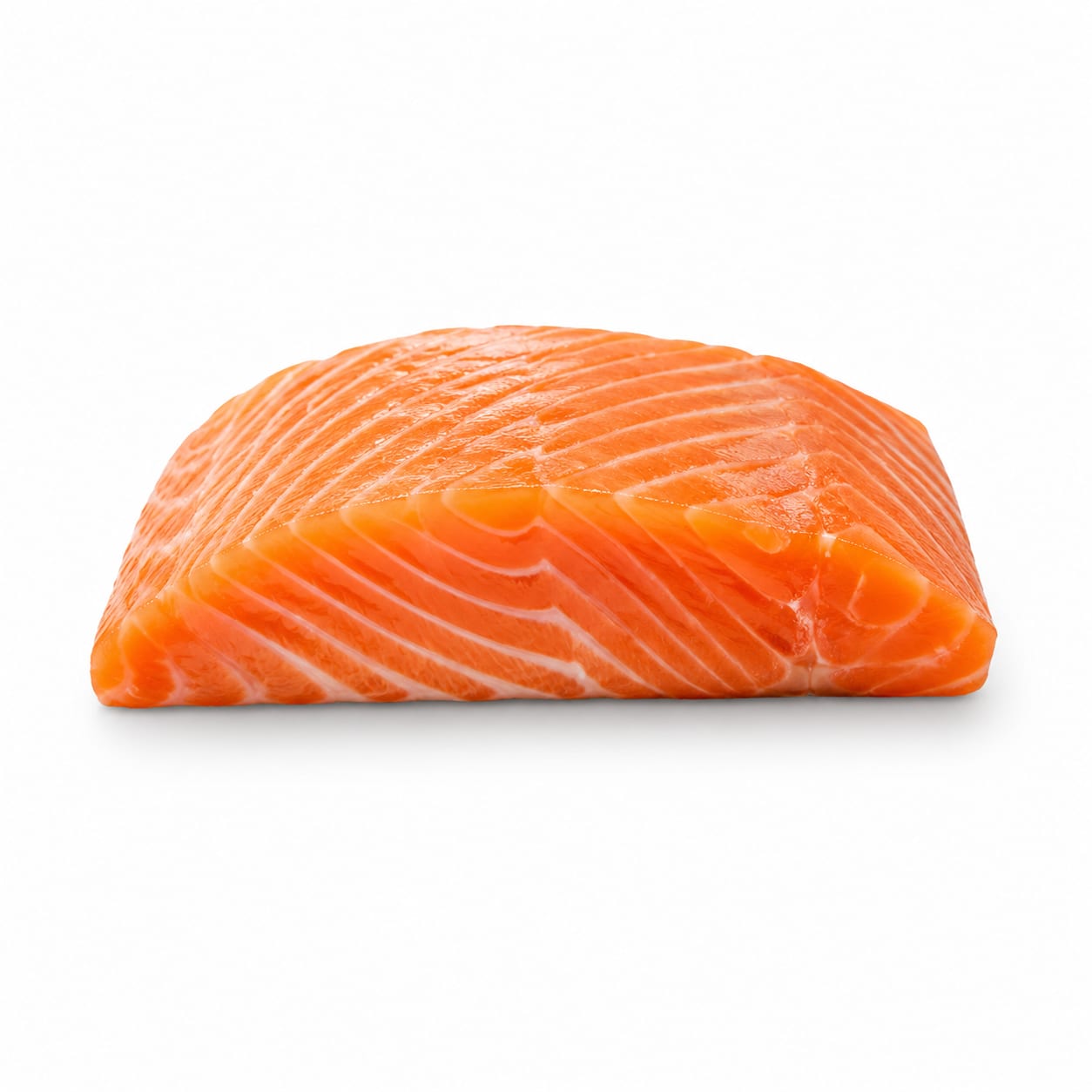
Salmon
Sardines win on safety, calcium, and budget. Salmon wins on protein, taste, and versatility. Both are nutritional powerhouses — the right pick depends on what you prioritize.
Sardines edge ahead due to lower mercury, higher calcium, better affordability, and daily practicality. Salmon scores nearly as well thanks to superior protein content and broader culinary appeal. Both are elite choices — the gap reflects safety and sustainability advantages more than nutritional dominance.
Sardines offer lower mercury and more calcium at a fraction of the cost, but salmon delivers more protein with a flavor most people enjoy more.
At a glance
Executive summary
Overall
It depends
Healthier
Sardine
More practical
Sardine
Daily use
Sardine
Key comparison lenses
omega-3 source comparison
Both are top-tier omega-3 sources, but users want to know which delivers more effectively
mercury and contamination safety
Salmon's larger size raises mercury concerns; sardines are famously low-mercury
everyday affordability and practicality
Canned sardines are cheap and shelf-stable; salmon is pricier and requires cooking or careful sourcing
bone health and calcium
Sardines eaten with bones deliver calcium most fish cannot match
taste and meal versatility
Salmon's mild flavor suits most palates; sardines are polarizing
Best choice for
Sardine
- Budget-conscious eaters wanting maximum omega-3 per dollar
- Pregnant women seeking low-mercury fish
- People who need more calcium without supplements
- Anyone wanting a no-cook, shelf-stable protein source
Salmon
- Those who find fish flavors challenging and need a milder option
- Athletes and muscle-builders wanting higher protein per serving
- People who enjoy cooking and want versatile recipe options
- Diners seeking a premium meal experience
Least suitable for
Sardine
- Pick eaters sensitive to strong fish flavors
- People who cannot stand soft bones or skin in their food
- Those wanting a centerpiece protein for dinner parties
Salmon
- Strict budget households needing daily omega-3 affordably
- Pregnant women worried about mercury in larger fish
- People wanting a grab-and-eat option with zero prep
Deep comparison
Dimension by dimension
Each lens scores both foods and breaks down who each option suits.
- Dimension 1 · Priority 95It depends
Omega-3 & Heart Health
Sardine · 88Salmon · 90Salmon delivers slightly more omega-3 per serving, but sardines provide excellent amounts with a better EPA-to-DHA ratio for some needs.
Tradeoff
Salmon has the edge in total omega-3 volume; sardines offer a more balanced fatty acid profile and you actually absorb more because you eat the whole fish including skin and oils.
Why it matters
Both foods dramatically reduce heart disease risk. The difference between them is small compared to the difference between either fish and no fish at all.
Real-world impact
Eating either fish twice a week meaningfully lowers heart risk. Choosing salmon gives you a bit more per bite; choosing sardines gives you comparable benefits at lower cost.
Sardine
- Getting omega-3 on a tight budget
- Whole-food omega-3 with natural co-factors intact
Better for
- Matching the sheer omega-3 density of a large salmon fillet
Worse for
Salmon
- Maximizing omega-3 per serving
- Post-workout recovery combining protein and anti-inflammatory fats
Better for
- Budget-limited households needing consistent daily intake
Worse for
- Dimension 2 · Priority 90Sardine
Mercury & Contamination Safety
Sardine · 95Salmon · 70Sardines are among the lowest-mercury fish available. Salmon, especially larger or farmed varieties, carries noticeably more contamination risk.
Tradeoff
Salmon's size and longer lifespan mean more bioaccumulation. Farmed salmon adds antibiotic and PCB concerns. Sardines' small size and short lifespan keep them remarkably clean.
Why it matters
Mercury exposure affects brain health, fetal development, and long-term neurological function. Frequent fish eaters need to think about cumulative load.
Real-world impact
You can eat sardines daily with minimal concern. With salmon, most health agencies recommend limiting to 2-3 servings per week, especially for pregnant women and children.
Sardine
- Pregnant and breastfeeding women
- Children developing neurological systems
- Daily fish eaters watching cumulative mercury
Better for
- Minimal concern — sardines are among the safest fish
Worse for
Salmon
- Occasional diners who eat fish once or twice weekly
Better for
- Pregnant women limiting mercury exposure
- People eating fish 4+ times per week
Worse for
- Dimension 3 · Priority 85Salmon
Protein & Satiety
Sardine · 72Salmon · 90Salmon provides significantly more protein per serving, making it more filling and better for muscle maintenance.
Tradeoff
A salmon fillet delivers roughly 40g of protein versus 23g in a typical sardine tin. Sardines compensate with more calcium and vitamin D, but lose on pure protein power.
Why it matters
Higher protein meals keep you full longer, stabilize blood sugar, and support muscle — especially important as you age or stay active.
Real-world impact
A salmon dinner leaves you satisfied for hours. A tin of sardines may need pairing with grains or vegetables to feel like a complete meal.
Sardine
- Light lunches where you want protein without feeling heavy
Better for
- Hard to hit high protein targets from sardines alone
Worse for
Salmon
- Athletes needing serious protein recovery
- Older adults fighting muscle loss
- Anyone wanting a single food to anchor a filling meal
Better for
- Minimal downside for protein — salmon excels here
Worse for
- Dimension 4 · Priority 80Sardine
Bone Health & Micronutrients
Sardine · 94Salmon · 72Sardines eaten with bones deliver exceptional calcium and vitamin D. Salmon offers good micronutrients but cannot match the bone-building package.
Tradeoff
Those soft sardine bones are a calcium goldmine — one tin provides roughly 30-35% of your daily needs. Salmon fillets have no bones, so you miss that calcium entirely.
Why it matters
Most people under-consume calcium and vitamin D. Getting both from a single natural food is rare and valuable, especially for those avoiding dairy.
Real-world impact
Eating sardines a few times weekly meaningfully supports bone density without supplements. Salmon helps with vitamin D but you need other calcium sources.
Sardine
- Dairy-free eaters needing calcium from food
- Post-menopausal women concerned about bone density
- Anyone wanting to replace calcium supplements with real food
Better for
- People who find bone texture unpleasant
Worse for
Salmon
- Getting vitamin D without the texture of soft bones
Better for
- Anyone relying on fish as a primary calcium source
Worse for
- Dimension 5 · Priority 82Sardine
Affordability & Sustainability
Sardine · 95Salmon · 58Sardines are one of the most affordable and sustainable fish on the planet. Salmon, especially wild-caught, is expensive and faces sustainability questions.
Tradeoff
Canned sardines cost a fraction of salmon per serving. Sardines also reproduce quickly and are low on the food chain, making them an ecologically responsible choice.
Why it matters
If you cannot afford salmon regularly, you might skip fish entirely. Sardines make daily omega-3 intake financially realistic for most households.
Real-world impact
A week of sardine-based lunches costs less than one salmon dinner. For families on a budget, this difference determines whether fish is a regular habit or a rare treat.
Sardine
- Households watching grocery spending
- Environmentally conscious consumers
- Building a consistent daily fish habit without breaking the bank
Better for
- Minimal downside — sardines dominate this dimension
Worse for
Salmon
- Special occasions where cost matters less than experience
Better for
- Budget-limited families
- Those wanting to eat fish daily without high spending
Worse for
- Dimension 6 · Priority 75Salmon
Taste & Culinary Versatility
Sardine · 55Salmon · 90Salmon's mild, buttery flavor works in countless dishes and appeals to nearly everyone. Sardines have a strong, polarizing taste that limits their use.
Tradeoff
You can grill, bake, poach, smoke, or raw-serve salmon and it shines every way. Sardines work beautifully in specific preparations but are not a blank canvas.
Why it matters
The best healthy food is the one you actually enjoy eating. If sardines sit uneaten in your pantry, their nutritional advantages mean nothing.
Real-world impact
Salmon turns a Tuesday dinner into something special. Sardines are a quick mash on toast — satisfying but less exciting for most people.
Sardine
- Mediterranean-style meals where strong flavor is welcome
- Quick no-cook meals on busy days
Better for
- Anyone put off by fishy flavor or aroma
- Hosting guests with unknown preferences
Worse for
Salmon
- Date nights and dinner parties
- Meal prep with varied recipes across the week
- Converting picky eaters to fish consumption
Better for
- Minimal culinary downside — salmon is widely loved
Worse for
Timeline
Health impact over time
Short-term
Hours to days
Sardine
- Quick satiety from protein and fat combination
- Steady energy without blood sugar spikes
- Possible digestive adjustment if unaccustomed to eating fish with bones
Salmon
- Strong feeling of fullness after a protein-rich meal
- Sustained energy from healthy fats
- Mild digestive comfort — very easy on the stomach for most people
Long-term
Months to years
Sardine
- Significantly reduced heart disease risk from consistent omega-3 intake
- Stronger bones from regular calcium and vitamin D
- Very low cumulative mercury burden even with frequent consumption
- Potential aversion fatigue if flavor never grows on you
Salmon
- Excellent cardiovascular protection from high omega-3 levels
- Preserved muscle mass from superior protein content
- Mercury accumulation possible if eaten too frequently
- Higher grocery spending may make consistent intake harder to sustain
Risk profile
Safety & processing
Both are whole, minimally processed foods. Canned sardines may contain added salt or oil, so check labels. Fresh or frozen salmon is as natural as it gets. Farmed salmon may contain color additives and antibiotic residues — choose wild when possible.
Sardine
Sodium in canned varieties
mediumCanned sardines often pack 300-400mg sodium per serving. Choose water-packed or low-sodium versions if watching blood pressure.
Purine content
lowSardines are high in purines, which can trigger gout flares in susceptible individuals. Most people are unaffected.
BPA from can linings
lowSome cans still use BPA linings. Look for BPA-free labeled brands to minimize exposure.
Salmon
Mercury accumulation
mediumSalmon contains moderate mercury — not the highest, but enough to warrant limiting intake to 2-3 servings weekly, especially for pregnant women.
Farmed salmon contaminants
mediumFarmed salmon may contain PCBs, dioxins, and antibiotic residues. Wild-caught is significantly cleaner but more expensive.
Parasites in raw preparations
lowSushi-grade salmon must be properly frozen to kill parasites. Never use regular fresh salmon for raw dishes.
Who wins for whom
Audience fit
Same foods, different winners depending on your goal.
children
SardineLower mercury makes sardines safer for developing nervous systems. However, most children strongly prefer salmon's milder taste — so the fish a child will actually eat may be the better practical choice.
daily consumption
SardineLow mercury, high calcium, affordable, and shelf-stable make sardines the safer daily habit. Salmon is best limited to a few times per week due to mercury and cost.
diabetes
SardineBoth have zero carbs and excellent fat profiles. Sardines edge ahead with slightly fewer calories and more calcium, which some studies link to better metabolic outcomes.
elderly
SardineSardines deliver calcium for bone density, omega-3s for brain health, and vitamin D for immunity — all critical concerns for older adults. The lower mercury load also matters more with age.
muscle gain
SalmonSalmon's higher protein content per serving makes it easier to hit muscle-building targets. Sardines work but require larger quantities or complementary protein sources.
weight loss
It dependsSardines are lower in calories per serving and very filling for their size. Salmon provides more protein which helps preserve lean mass during deficits. Both work — sardines for calorie control, salmon for muscle retention.
Your move
Decision guide
Choose Sardine
- You want the safest, most affordable daily omega-3 source
- Calcium from food matters to you, especially if you avoid dairy
- You are pregnant, breastfeeding, or feeding young children
- Budget constraints would otherwise prevent you from eating fish regularly
- You enjoy or can learn to enjoy bold Mediterranean flavors
Choose Salmon
- You want the most protein-dense fish for athletic performance
- You find strong fish flavors off-putting and need a milder entry point
- You cook regularly and want a versatile centerpiece protein
- You eat fish 2-3 times per week and want each meal to feel special
- You can afford wild-caught and want a premium dining experience
Either works if
- You simply want more omega-3s in your diet and will eat whichever is available
- You are generally healthy with no mercury sensitivity concerns
- You enjoy both and can rotate them based on mood and budget
Avoid both if
- You have a confirmed fish allergy
- You are on a strict low-purine diet for gout management
- You cannot source either fish from reputable suppliers
Final recommendation
Eat sardines as your daily driver and salmon as your special-occasion fish. This combo gives you the best of both: low-mercury calcium-rich nutrition most days, and high-protein culinary enjoyment when it matters. If you must pick only one, sardines are the smarter long-term choice for health and wallet — but only if you genuinely enjoy them. The best fish for you is always the one you will actually eat consistently.
Practical
Consumer tips
- 1
Choose sardines packed in water or olive oil — avoid soybean or canola oil packs
- 2
Look for BPA-free cans or glass-jarred sardines when available
- 3
Buy wild-caught salmon over farmed when your budget allows — it is cleaner and more nutritious
- 4
If salmon is too expensive fresh, frozen wild fillets are nearly as good and much cheaper
- 5
Mash sardines with mustard and lemon on sourdough toast — the flavor transforms beautifully
- 6
Start with boneless, skinless sardines if the texture bothers you, then graduate to whole
- 7
Check canned sardine sodium labels — brands vary from 200mg to 500mg per serving
- 8
Salmon burgers from canned wild salmon are a budget-friendly middle ground between the two