
Nutrition comparison
Sardines vs Mackerel: Which Oily Fish Is Healthier and Safer?
Compare sardines and mackerel on omega-3, mercury, calcium, taste, and sustainability. Find out which fish is better for daily eating, weight loss, and heart health.
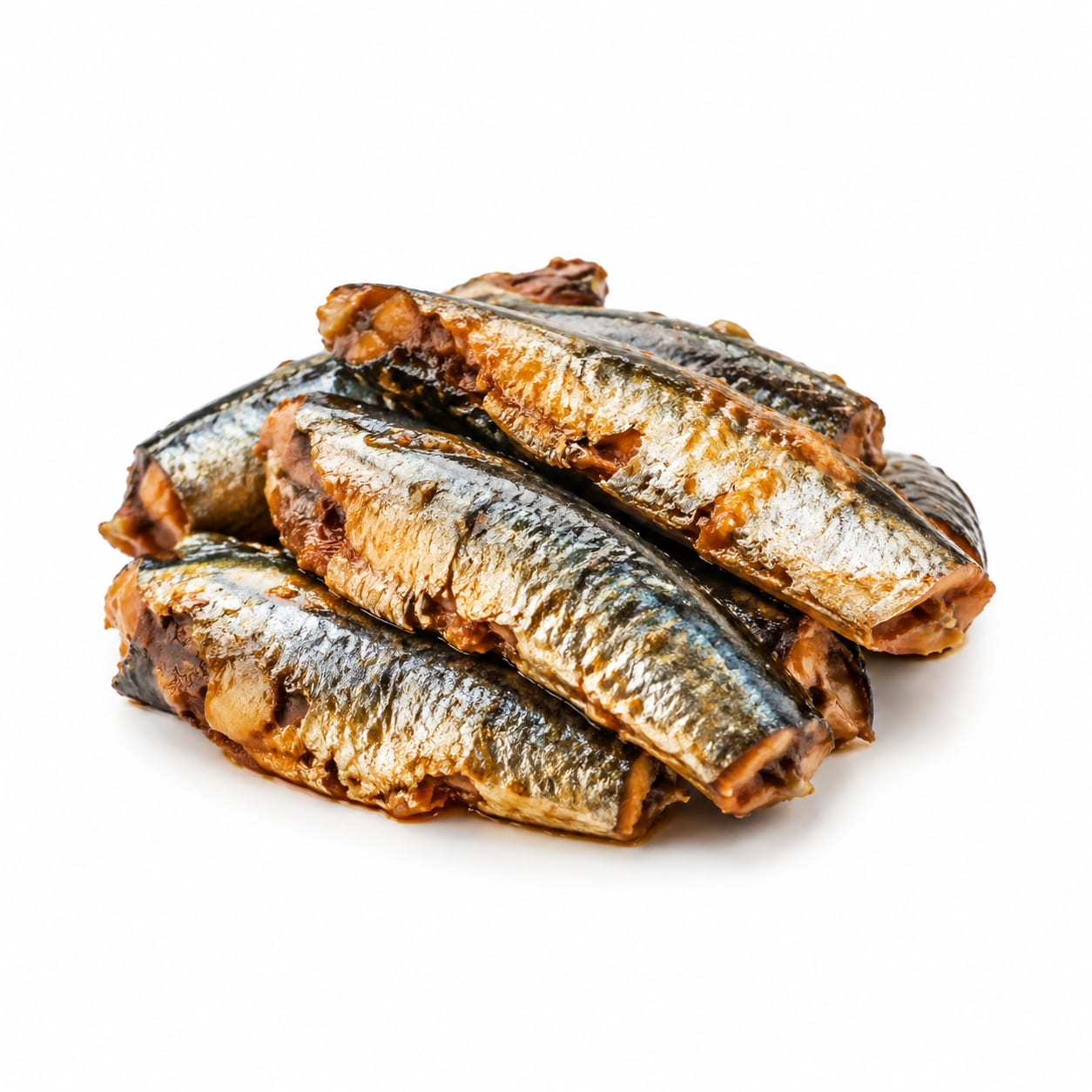
Sardine
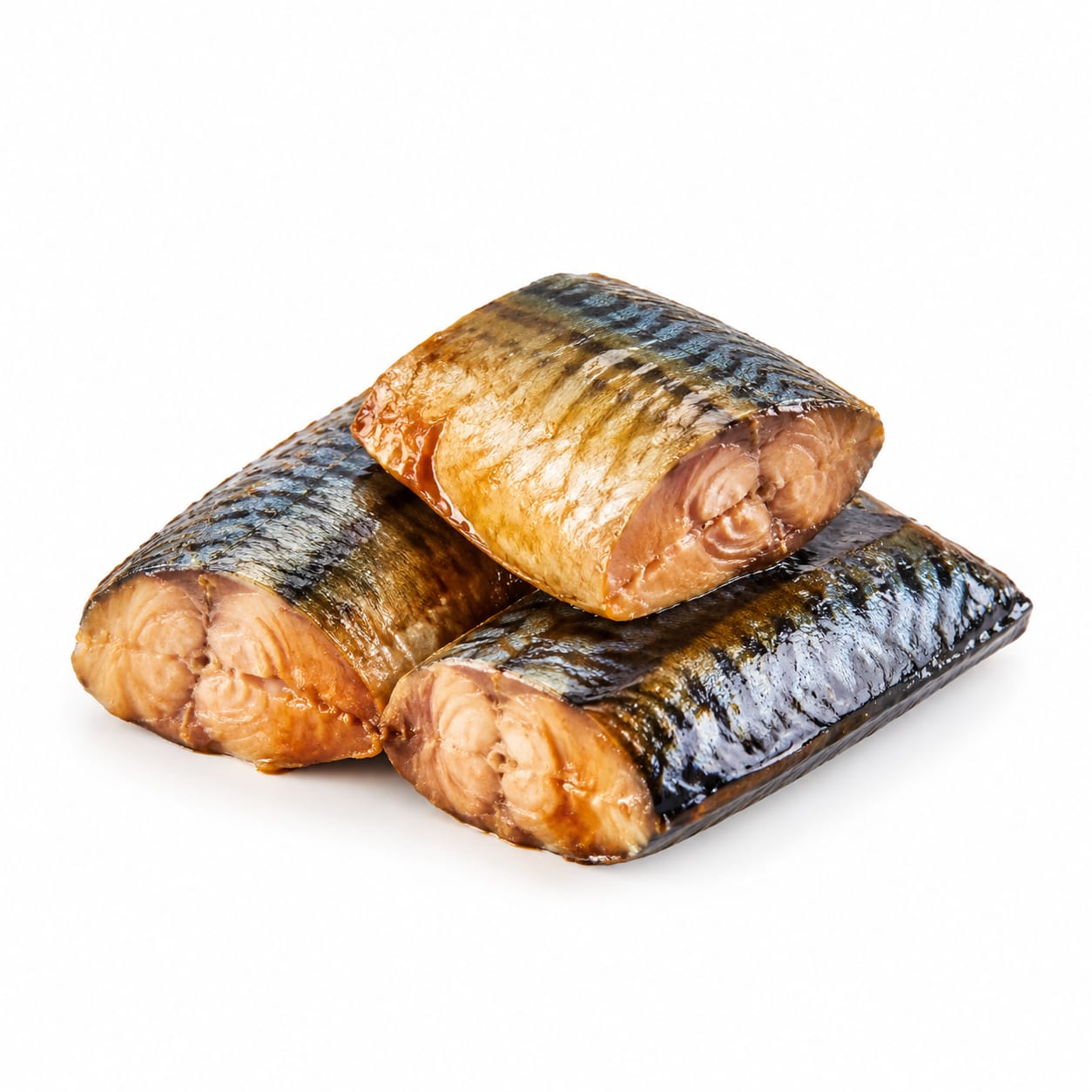
Mackerel
Sardines are safer for daily eating thanks to low mercury and bonus calcium, while mackerel delivers more omega-3 per serving with a milder flavor that most people prefer.
Sardines edge ahead primarily on safety and daily-usability, since their low mercury allows confident frequent consumption. Mackerel scores slightly lower because mercury variability introduces real caution, even though its omega-3 content is superior.
Sardines trade stronger flavor for superior safety and bone-building minerals; mackerel trades higher mercury risk for richer omega-3 content and broader taste appeal.
At a glance
Executive summary
Overall
It depends
Healthier
It depends
More practical
Sardine
Daily use
Sardine
Key comparison lenses
omega-3 potency and heart health impact
Both are top-tier omega-3 sources, so users want to know which delivers more EPA and DHA per bite
mercury and heavy metal safety
This is the dealbreaker concern — sardines are tiny and low-mercury, while mackerel species vary dramatically in contamination
everyday safety for frequent consumption
People eating fish for health want to know which one they can eat daily without accumulating toxins
bone health and mineral density
Sardines with soft bones deliver calcium most fish cannot match, a unique advantage worth highlighting
taste and palatability for regular meals
Sardines are notoriously polarizing while mackerel is milder, which affects long-term adherence
sustainability and environmental impact
Conscious consumers factor in overfishing and food chain position when choosing between these two
Best choice for
Sardine
- Daily omega-3 intake without mercury worries
- Bone health support through natural calcium
- Budget-conscious clean eating
- Pregnant women and children needing low-mercury fish
- Sustainable seafood choices
Mackerel
- Maximum omega-3 density per serving
- Milder fish flavor for picky eaters
- Vitamin D boost in darker months
- Post-workout anti-inflammatory recovery meals
- Those who eat fish 2-3 times per week rather than daily
Least suitable for
Sardine
- People who cannot tolerate strong fishy flavors
- Gout sufferers sensitive to purines
- Those seeking the highest omega-3 per calorie
Mackerel
- Pregnant women if King mackerel species (high mercury)
- Daily fish eaters concerned about heavy metal accumulation
- Strict budget shoppers
Deep comparison
Dimension by dimension
Each lens scores both foods and breaks down who each option suits.
- Dimension 1 · Priority 95Mackerel
omega-3 and anti-inflammatory power
Sardine · 82Mackerel · 92Mackerel delivers roughly 25-40% more EPA and DHA per serving than sardines, making it the more potent anti-inflammatory choice.
Tradeoff
You get more omega-3 from mackerel, but the mercury load that comes with it limits how often you can safely eat it.
Why it matters
Omega-3s are the main reason people eat these fish. More EPA and DHA means stronger heart, brain, and joint protection per meal.
Real-world impact
A single mackerel fillet can cover your entire weekly omega-3 target, while sardines might take two servings to hit the same mark.
Sardine
- Eating omega-3 rich fish 4+ times per week safely
Better for
- Lower total omega-3 per serving means you need more frequent portions
Worse for
Mackerel
- Getting maximum omega-3 in fewer meals
- Post-workout inflammation reduction
- Supporting brain health with fewer servings
Better for
- Cannot safely eat as often due to mercury, partially offsetting the per-serving advantage
Worse for
- Dimension 2 · Priority 92Sardine
mercury and heavy metal safety
Sardine · 94Mackerel · 58Sardines are among the lowest-mercury fish you can eat. Mackerel safety depends heavily on species — Atlantic is moderate, King mackerel is dangerously high.
Tradeoff
Choosing mackerel for omega-3 means accepting a higher mercury ceiling, especially if you cannot verify the species.
Why it matters
Mercury accumulates over time and damages the nervous system. This is the single factor that prevents mackerel from being a clear winner.
Real-world impact
You can eat sardines daily without concern. With mackerel, most health agencies recommend limiting to 2-3 servings per week, and avoiding King mackerel entirely.
Sardine
- Pregnant and breastfeeding women
- Children and developing nervous systems
- Daily fish consumers
- Anyone worried about long-term heavy metal accumulation
Better for
- No real safety downside — sardines are a benchmark low-mercury fish
Worse for
Mackerel
- Occasional eaters who only have fish 1-2 times weekly and want maximum benefit per serving
Better for
- King mackerel is on the FDA do-not-eat list for pregnant women and children
- Even Atlantic mackerel requires portion frequency limits
- Species mislabeling at stores makes it hard to know what you are actually buying
Worse for
- Dimension 3 · Priority 72Sardine
bone health and mineral density
Sardine · 91Mackerel · 55Sardines eaten with soft bones provide exceptional calcium and phosphorus that mackerel simply cannot match.
Tradeoff
The very thing that makes sardines a bone-building superfood — soft edible bones — is also what creeps some people out texturally.
Why it matters
Most people do not get enough calcium, and sardines offer it in a highly bioavailable form alongside vitamin D for absorption.
Real-world impact
One tin of bone-in sardines delivers roughly 30-35% of your daily calcium. You would need to eat a large serving of dairy to match that.
Sardine
- Older adults fighting bone density loss
- Dairy-free diets needing calcium alternatives
- Anyone wanting a whole-food calcium source with built-in vitamin D
Better for
- Bone texture can be off-putting for some eaters
Worse for
Mackerel
- Those who already get plenty of calcium from other sources
Better for
- Fillets lack the calcium bonus, making mackerel a weaker bone-support food
Worse for
- Dimension 4 · Priority 68Mackerel
taste and eating enjoyment
Sardine · 52Mackerel · 74Mackerel has a richer, meatier texture with milder fishiness. Sardines are more intensely fishy and polarizing.
Tradeoff
Sardines may be nutritionally superior for daily use, but if you dread eating them, mackerel's approachability wins in real life.
Why it matters
The healthiest food only works if you actually eat it. Taste is the biggest barrier to consistent fish consumption.
Real-world impact
Many people enjoy mackerel straight from the tin or grilled. Sardines often require masking with crackers, mustard, or hot sauce to be palatable.
Sardine
- Adventurous eaters who love bold fish flavor
- Mediterranean diet traditionalists
Better for
- Strong smell and taste can cause aversion
- Social stigma around sardine lunches
Worse for
Mackerel
- Picky eaters new to oily fish
- Meal prep where you want something that tastes good plain
- Serving guests who might not eat sardines
Better for
- Still fishy enough to bother people who dislike any seafood
Worse for
- Dimension 5 · Priority 65Sardine
sustainability and environmental impact
Sardine · 88Mackerel · 68Sardines are lower on the food chain, reproduce faster, and generally carry lighter environmental footprints than mackerel.
Tradeoff
Some mackerel fisheries are well-managed, but as a larger predatory fish, mackerel inherently requires more ocean resources per pound.
Why it matters
If you eat fish regularly, the cumulative environmental impact of your choice adds up significantly over years.
Real-world impact
Choosing sardines supports a more resilient seafood system. Mackerel populations vary more by region, and some stocks are overfished.
Sardine
- Eco-conscious consumers prioritizing low food-chain seafood
- Those wanting a reliably sustainable canned fish option
Better for
- Some regional sardine fisheries have faced overfishing, though most have recovered
Worse for
Mackerel
- Atlantic mackerel from certified sustainable fisheries is still a decent choice
Better for
- Larger predatory fish place more strain on marine ecosystems
- Stock health varies significantly by region and species
Worse for
- Dimension 6 · Priority 55Mackerel
vitamin D content
Sardine · 70Mackerel · 82Mackerel typically contains more vitamin D per serving, which matters especially in winter or for people with limited sun exposure.
Tradeoff
The vitamin D gap is meaningful but not dramatic — both fish are excellent sources compared to most other foods.
Why it matters
Vitamin D deficiency is widespread and linked to immune weakness, mood dips, and bone loss. Few foods deliver it naturally.
Real-world impact
A serving of mackerel can provide roughly 80-100% of daily vitamin D needs. Sardines cover about 50-70%.
Sardine
- Still a strong vitamin D source, especially combined with its calcium content
Better for
- Slightly less vitamin D per serving than mackerel
Worse for
Mackerel
- Anyone with diagnosed vitamin D deficiency wanting maximum food-based intake
- Northern latitude residents with limited winter sunlight
Better for
- Advantage is modest and may not justify choosing mackerel over sardines for this alone
Worse for
- Dimension 7 · Priority 60Sardine
price and accessibility
Sardine · 86Mackerel · 64Canned sardines are one of the cheapest sources of high-quality protein and omega-3 available. Mackerel is typically 30-60% more expensive.
Tradeoff
Sardines give you more nutritional bang per dollar, but budget constraints might force you toward whatever is on sale.
Why it matters
Cost determines whether healthy eating is sustainable long-term. The cheapest omega-3 rich food that people will actually eat wins.
Real-world impact
A tin of sardines often costs $1-2. Comparable mackerel tins run $2-4. Over a year of eating fish twice weekly, that difference adds up.
Sardine
- Budget-conscious meal planning
- Students and young professionals wanting cheap superfood options
- Stocking a pantry with affordable protein
Better for
- Cheaper price sometimes signals lower perceived quality to consumers
Worse for
Mackerel
- Worth the premium if taste compliance is the bottleneck
Better for
- Higher cost per serving makes frequent consumption expensive
Worse for
Timeline
Health impact over time
Short-term
Hours to days
Sardine
- Quick satiety from protein and healthy fats keeps you full for hours
- Steady energy without blood sugar spikes
- Possible digestive adjustment if you are new to eating whole soft bones
Mackerel
- Rich, satisfying mouthfeel that feels like a complete meal
- Strong omega-3 hit may reduce joint stiffness within weeks of regular eating
- Heavier portion may feel too rich if eaten before physical activity
Long-term
Months to years
Sardine
- Consistent low-mercury omega-3 intake supports heart and brain health safely over decades
- Calcium and vitamin D together protect bone density as you age
- Low contamination risk makes this a sustainable daily habit without accumulating toxins
Mackerel
- Higher omega-3 per serving may deliver faster cardiovascular and cognitive benefits if eaten regularly
- Mercury accumulation risk requires mindful portion frequency, especially for vulnerable groups
- Excellent vitamin D intake supports immune resilience long-term when consumed 2-3 times weekly
Risk profile
Safety & processing
Both sardines and mackerel are typically canned with just salt and oil or water, making them among the cleanest convenience proteins available. Watch for smoked or flavored varieties that add sugar, vegetable oils, or preservatives.
Sardine
purine content and gout flares
mediumSardines are high in purines, which can trigger gout attacks in susceptible individuals. If you have gout, limit portions or consult your doctor.
histamine sensitivity
lowCanned sardines can accumulate histamine, which may cause reactions in histamine-intolerant people. Fresh or frozen is safer if this is a concern.
BPA from can linings
lowSome canned sardines use BPA-lined tins. Look for BPA-free brands if this concerns you, especially with frequent consumption.
Mackerel
mercury contamination
highKing mackerel is a high-mercury fish that pregnant women and children should avoid entirely. Atlantic mackerel is moderate but still requires portion limits. Species identification at point of sale is often unreliable.
purine content and gout flares
mediumLike sardines, mackerel is purine-rich and can trigger gout in sensitive individuals.
histamine sensitivity
mediumMackerel is historically one of the more common fish associated with scombroid poisoning from histamine buildup, especially if improperly refrigerated.
Who wins for whom
Audience fit
Same foods, different winners depending on your goal.
children
SardineLow mercury is critical for developing nervous systems. Sardines are explicitly recommended by the FDA as a safe choice for kids, while King mackerel is on the do-not-eat list.
daily consumption
SardineSardines' low mercury profile makes them one of the few fish you can confidently eat every day. Mackerel should be limited to a few times per week.
diabetes
It dependsBoth are virtually zero-carb with healthy fats that stabilize blood sugar. The choice comes down to mercury tolerance and taste preference rather than glycemic impact.
elderly
SardineThe calcium-vitamin D combination in sardines directly addresses age-related bone loss, and low mercury matters more as the body's detoxification capacity declines with age.
muscle gain
It dependsBoth provide excellent complete protein. Mackerel has marginally more protein per serving, but sardines can be eaten more frequently, roughly equalizing the benefit.
weight loss
SardineSardines are slightly lower in calories per serving while delivering comparable satiety, making it easier to maintain a calorie deficit without feeling deprived.
Your move
Decision guide
Choose Sardine
- You want a fish you can eat daily without worrying about mercury
- Bone health and calcium intake matter to you, especially if you avoid dairy
- Budget is a factor and you want the most nutrition per dollar
- You are pregnant, breastfeeding, or feeding children
- Sustainability and low food-chain seafood choices are important to you
Choose Mackerel
- You want maximum omega-3 per serving and only eat fish 2-3 times per week
- You find sardines unpalatable and need a milder fish you will actually enjoy
- You are focused on vitamin D intake during winter months
- You can verify you are getting Atlantic mackerel, not King mackerel
- Taste compliance is your biggest barrier to eating oily fish regularly
Either works if
- You rotate fish types throughout the week anyway
- You have no mercury sensitivity concerns and eat fish moderately
- You want anti-inflammatory benefits and both are available fresh or canned
Avoid both if
- You have gout and are sensitive to purine-rich foods
- You have a diagnosed fish allergy
- You have severe histamine intolerance
Final recommendation
Eat sardines as your default daily or near-daily oily fish for safe, consistent omega-3 intake with bonus calcium. Add mackerel once or twice a week when you want a flavor change and a bigger omega-3 hit, but always confirm you are getting Atlantic mackerel, never King mackerel. This rotation gives you the best of both: sardines for safety and frequency, mackerel for potency and enjoyment.
Practical
Consumer tips
- 1
Always check the mackerel species before buying — Atlantic mackerel is safe, King mackerel is not. If the label does not specify, ask or skip it.
- 2
Choose sardines packed in olive oil or water over those in soybean or vegetable oil to avoid inflammatory seed oils.
- 3
Bone-in sardines deliver the calcium advantage. Skin-on adds omega-3. Do not remove them unless texture is a dealbreaker.
- 4
Rinse canned mackerel or sardines briefly if you want to reduce sodium by roughly 20-30%.
- 5
Freeze fresh mackerel within a day of purchase — it spoils faster than most fish due to high oil content.
- 6
Try sardines mashed with mustard and lemon on toast to make the flavor approachable if you are new to them.
- 7
Look for MSC-certified options for both fish to ensure sustainable sourcing.