
Nutrition comparison
Sardines vs Cod: Which Fish is Healthier?
Compare Sardines vs Cod for omega-3s, mercury, protein, and taste. Find out which fish is better for weight loss, heart health, and daily eating.
Overall winner · Sardine
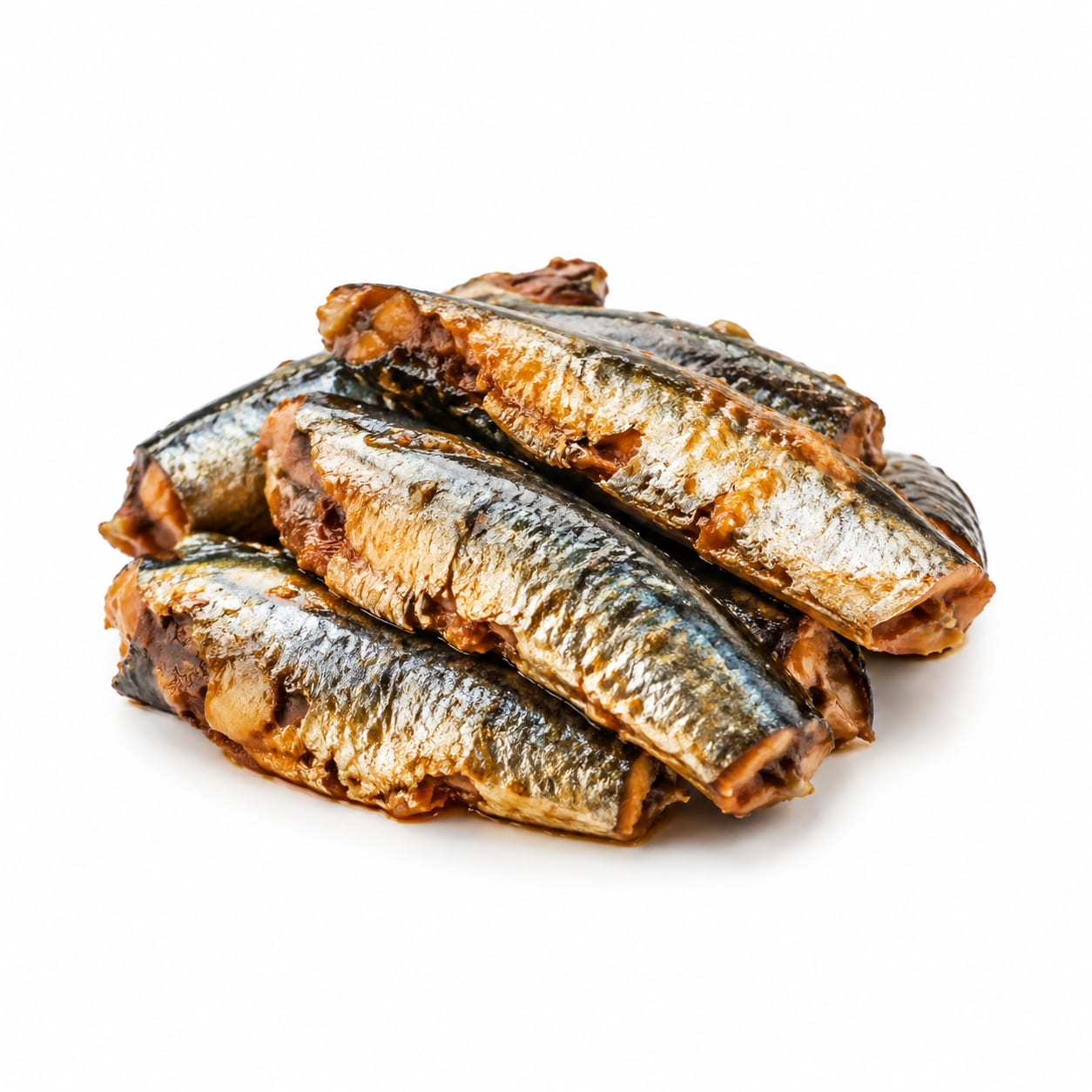
Sardine
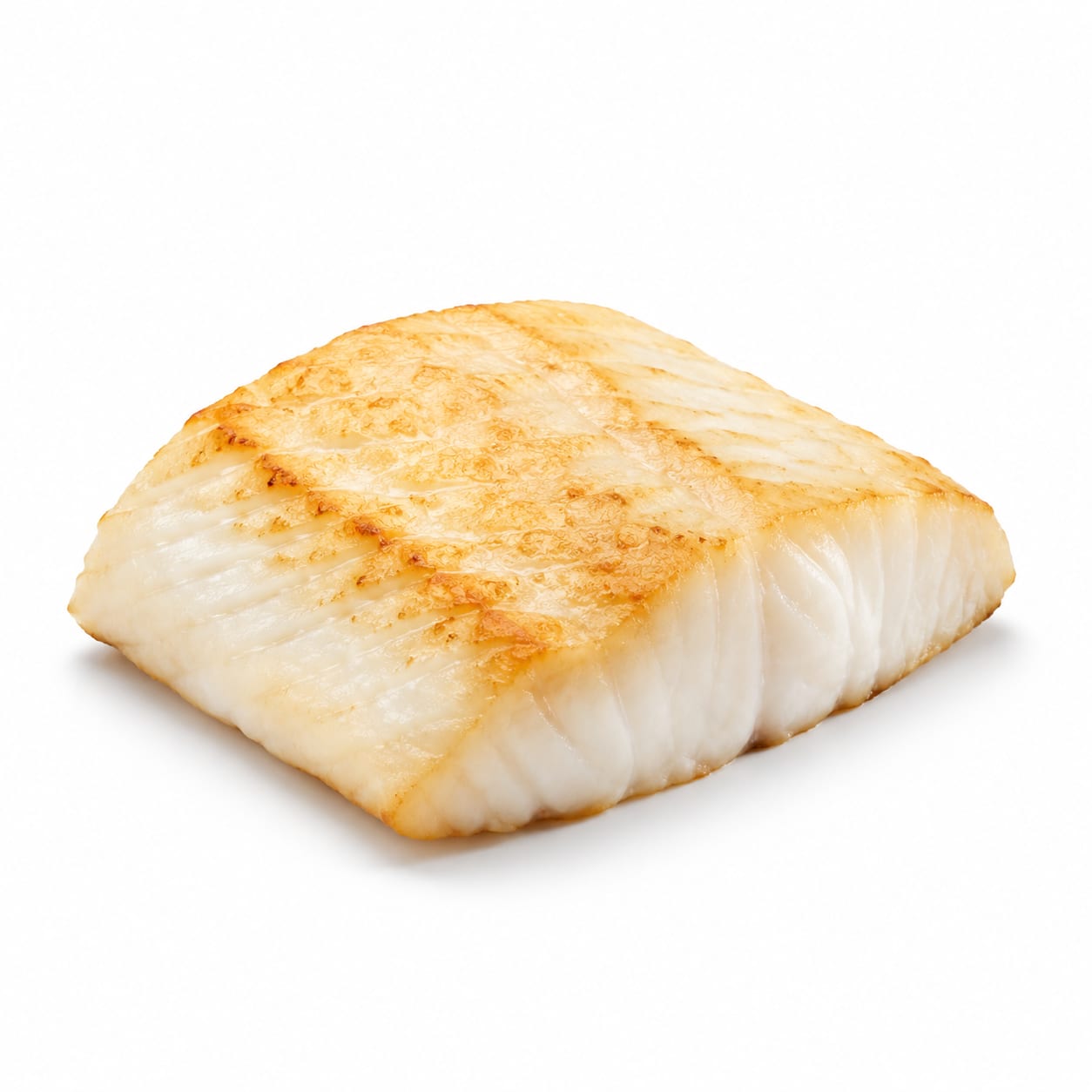
Cod
Sardines win for overall nutritional density and safety, but Cod is the better choice if you want lean protein or dislike strong fish flavors.
Sardines score higher due to exceptional omega-3 content, low mercury, and bone-building minerals. Cod scores well for lean protein and culinary versatility but lacks the healthy fats and micronutrient density of Sardines.
You trade the heart-healthy fats and calcium of Sardines for the mild taste and ultra-lean protein of Cod.
At a glance
Executive summary
Overall
Sardine
Healthier
Sardine
More practical
Cod
Daily use
Sardine
Key comparison lenses
Omega-3 and healthy fat intake
Sardines are famously rich in omega-3s, while Cod is a very lean fish, making fat quality the biggest differentiator.
Mercury and contaminant safety
Sardines are low on the food chain with minimal mercury, whereas Cod contains moderate levels that require more mindful consumption.
Protein source leanness
Cod provides high protein with almost no fat or calories, ideal for strict macro tracking, unlike the oilier Sardine.
Bone health and micronutrients
Canned Sardines with bones offer massive calcium and vitamin D, nutrients largely absent in Cod fillets.
Best choice for
Sardine
- Sardines are ideal for heart and brain health due to high omega-3s
- Sardines provide bone density support from natural calcium and vitamin D
- Sardines are a safe low-mercury omega-3 source for pregnant women
- Canned Sardines are very affordable for budget-conscious eaters
Cod
- Cod is perfect for strict calorie counters needing high-volume lean protein
- Cod suits picky eaters or children who dislike fishy flavors
- Cod offers pure post-workout protein without fats
- Cod works well in elegant dinner recipes requiring firm, flaky white fish
Least suitable for
Sardine
- Sardines may trigger gout flares due to high purine content
- Sardines can be problematic for those on low-sodium diets if canned with salt
- Sardines are tough to eat if you are sensitive to strong flavors or smells
Cod
- Cod is not ideal for daily consumption by pregnant women due to moderate mercury
- Cod falls short if you are seeking omega-3 benefits from your fish intake
- Cod does not provide the dietary calcium found in whole foods like soft-boned fish
Deep comparison
Dimension by dimension
Each lens scores both foods and breaks down who each option suits.
- Dimension 1 · Priority 95Sardine
Omega-3 & Heart Health
Sardine · 98Cod · 25Sardines are an omega-3 powerhouse, while Cod provides negligible amounts.
Tradeoff
You must get your omega-3s elsewhere if you choose Cod over Sardines.
Why it matters
Omega-3s reduce inflammation, lower heart disease risk, and support brain function.
Real-world impact
Eating Sardines a few times a week can meaningfully improve your lipid panel and joint comfort, whereas Cod offers mainly muscle-building protein.
Sardine
- Sardines are better for reducing systemic inflammation
- Sardines are better for lowering triglycerides naturally
Better for
- Sardines are worse for adding significant calories if you track fats strictly
Worse for
Cod
- Cod is better for keeping meals light and easily digestible
Better for
- Cod is worse for getting essential fatty acids if it is your only fish
Worse for
- Dimension 2 · Priority 85Cod
Protein & Caloric Efficiency
Sardine · 75Cod · 95Cod delivers more protein per calorie, making it incredibly lean.
Tradeoff
Cod fills you up with protein without the fat, while Sardines bring more calories from healthy oils.
Why it matters
For weight loss or muscle cutting phases, maximizing protein while minimizing calories is key.
Real-world impact
A Cod fillet feels like a clean, light post-workout meal. Sardines feel more like a satisfying, energy-dense snack.
Sardine
- Sardines are better for staying full longer due to higher fat content
Better for
- Sardines are worse for calorie density which can slow weight loss if portions aren't controlled
Worse for
Cod
- Cod is better for hitting high protein targets without going over calorie limits
- Cod is better for meal prepping for lean muscle gain
Better for
- Cod is worse for satiety since less fat means you might feel hungry sooner after eating
Worse for
- Dimension 3 · Priority 90Sardine
Contaminant & Mercury Safety
Sardine · 96Cod · 70Sardines are among the lowest-mercury fish available; Cod carries a moderate mercury load.
Tradeoff
Sardines can be eaten freely even by pregnant women, while Cod should be limited to a few servings a week.
Why it matters
Heavy metals accumulate in the body and impair neurological health over time.
Real-world impact
You can eat Sardines daily without worrying about mercury, but eating Cod every day could eventually push your heavy metal exposure too high.
Sardine
- Sardines are better for safe daily consumption for all ages
- Sardines are better for worry-free seafood during pregnancy
Better for
- Sardines are worse for potential microplastic exposure if canned in certain plastics
Worse for
Cod
- Cod is better for occasional variety in a low-mercury diet
Better for
- Cod is worse for mercury accumulation risk if eaten too frequently
Worse for
- Dimension 4 · Priority 80Sardine
Bone Health & Micronutrients
Sardine · 95Cod · 40Sardines with edible bones provide exceptional calcium and vitamin D, which Cod lacks.
Tradeoff
Eating soft Sardine bones gives you a dairy-free calcium boost, but the texture isn't for everyone.
Why it matters
Calcium and vitamin D are critical for preventing osteoporosis and maintaining mood.
Real-world impact
A serving of Sardines covers a huge chunk of your daily calcium needs naturally, whereas a Cod fillet offers almost none.
Sardine
- Sardines are better for dairy-free bone support
- Sardines are better for getting B12 for energy metabolism
Better for
- Sardines are worse for choking hazard for very young children if bones aren't mashed
Worse for
Cod
- Cod is better for avoiding textural issues from soft bones
Better for
- Cod is worse for relying on supplements or dairy to meet calcium needs
Worse for
- Dimension 5 · Priority 75Cod
Culinary Versatility & Mildness
Sardine · 55Cod · 90Cod has a mild flavor and flaky texture that works in countless recipes; Sardines are polarizing and strongly flavored.
Tradeoff
Cod adapts to any cuisine effortlessly, while Sardines demand a specific taste preference.
Why it matters
If a food doesn't taste good to you, you won't eat it, no matter how healthy it is.
Real-world impact
Cod is an easy sell for family dinners and fish tacos. Sardines are usually a solo lunch or an acquired taste.
Sardine
- Sardines are better for adding intense umami to pasta or toast
Better for
- Sardines are worse for strong smells that can be off-putting in shared kitchens
Worse for
Cod
- Cod is better for making fish enjoyable for picky eaters
- Cod is better for pairing with delicate sauces without overpowering them
Better for
- Cod is worse for drying out easily if overcooked
Worse for
Timeline
Health impact over time
Short-term
Hours to days
Sardine
- Sardines provide lasting satiety from their high fat and protein content
- Sardines may slightly reduce post-meal inflammation thanks to omega-3s
Cod
- Cod stabilizes blood sugar without feeling heavy
- Cod is light on the stomach and easy to digest before physical activity
Long-term
Months to years
Sardine
- Eating Sardines consistently supports cardiovascular and cognitive health
- High calcium from Sardine bones helps maintain bone mineral density
- Sardine purine load could trigger gout in susceptible individuals
Cod
- Cod is an excellent lean protein source for maintaining muscle mass into older age
- Moderate mercury in Cod requires mindful portion control to avoid accumulation
- Lack of dietary fats in Cod means you must source omega-3s from elsewhere
Risk profile
Safety & processing
Both are whole foods, but canned Sardines often contain added sodium, oils, or sauces, whereas fresh or frozen Cod fillets are typically additive-free.
Sardine
High sodium
mediumCanned Sardines can be very salty, which is a concern for blood pressure management if consumed frequently.
Gout trigger
mediumSardines are high in purines, which can exacerbate gout symptoms in prone individuals.
Cod
Mercury exposure
mediumCod contains moderate levels of mercury; frequent consumption can lead to accumulation, especially risky for pregnant women.
Parasitic infection
lowLike all wild fish, raw Cod can carry parasites, making thorough cooking or proper freezing essential.
Who wins for whom
Audience fit
Same foods, different winners depending on your goal.
children
CodCod's mild flavor and bone-free fillets make it much easier and safer for kids to eat, though Sardines are safe occasionally for their low mercury.
daily consumption
SardineLow mercury levels make Sardines safe to eat daily, whereas Cod should be limited to a few times a week due to moderate mercury.
diabetes
SardineThe omega-3 fatty acids in Sardines improve insulin sensitivity and reduce inflammation, which is highly beneficial for diabetes management.
elderly
SardineSardines provide calcium for bone density, B12 for nerve health, and omega-3s for cognitive function, addressing major elderly health concerns.
muscle gain
CodCod offers pure, lean protein ideal for muscle repair without adding extra dietary fat.
weight loss
CodCod provides high protein with minimal calories and fat, making it easier to sustain a calorie deficit.
Your move
Decision guide
Choose Sardine
- You want to boost your omega-3 intake with Sardines instead of supplements
- You need a dairy-free source of calcium and vitamin D from Sardines
- You are pregnant and need safe, nutrient-dense seafood like Sardines
- You enjoy bold, savory Sardine flavors on toast or in pasta
Choose Cod
- You are tracking macros and need ultra-lean protein from Cod
- You are cooking for picky eaters who dislike fishy alternatives
- You want a versatile white fish like Cod for elegant dinners
- You have gout and need a lower-purine fish option like Cod
Either works if
- You simply want a high-quality animal protein source
- You are alternating fish varieties to balance your diet
Avoid both if
- You have a severe fish or seafood allergy
Final recommendation
Keep both in your rotation but lean on Sardines for nutritional density and safety, and Cod for lean protein and culinary ease. Eating Sardines a few times a week gives you unmatched omega-3s and calcium, while Cod is perfect for light, high-protein dinners when you want something mild.
Practical
Consumer tips
- 1
Choose Sardines packed in water or olive oil rather than soybean oil to avoid inflammatory seed oils.
- 2
Rinsing canned Sardines can reduce the sodium content by up to 30%.
- 3
Look for MSC-certified Cod to ensure sustainable fishing practices.
- 4
If the texture of Sardine bones bothers you, mash them thoroughly into a paste with mustard and avocado for a delicious spread.
- 5
Avoid deep-fried Cod dishes like fish and chips, as the heavy batter and frying oils negate the benefits of the lean fish.