
Nutrition comparison
Sardines vs Anchovies: Nutrition, Health Benefits & Best Uses
Compare sardines vs anchovies for omega-3, sodium, and culinary uses. Find out which tiny fish is better for your health goals and when to use each.
Overall winner · Sardine
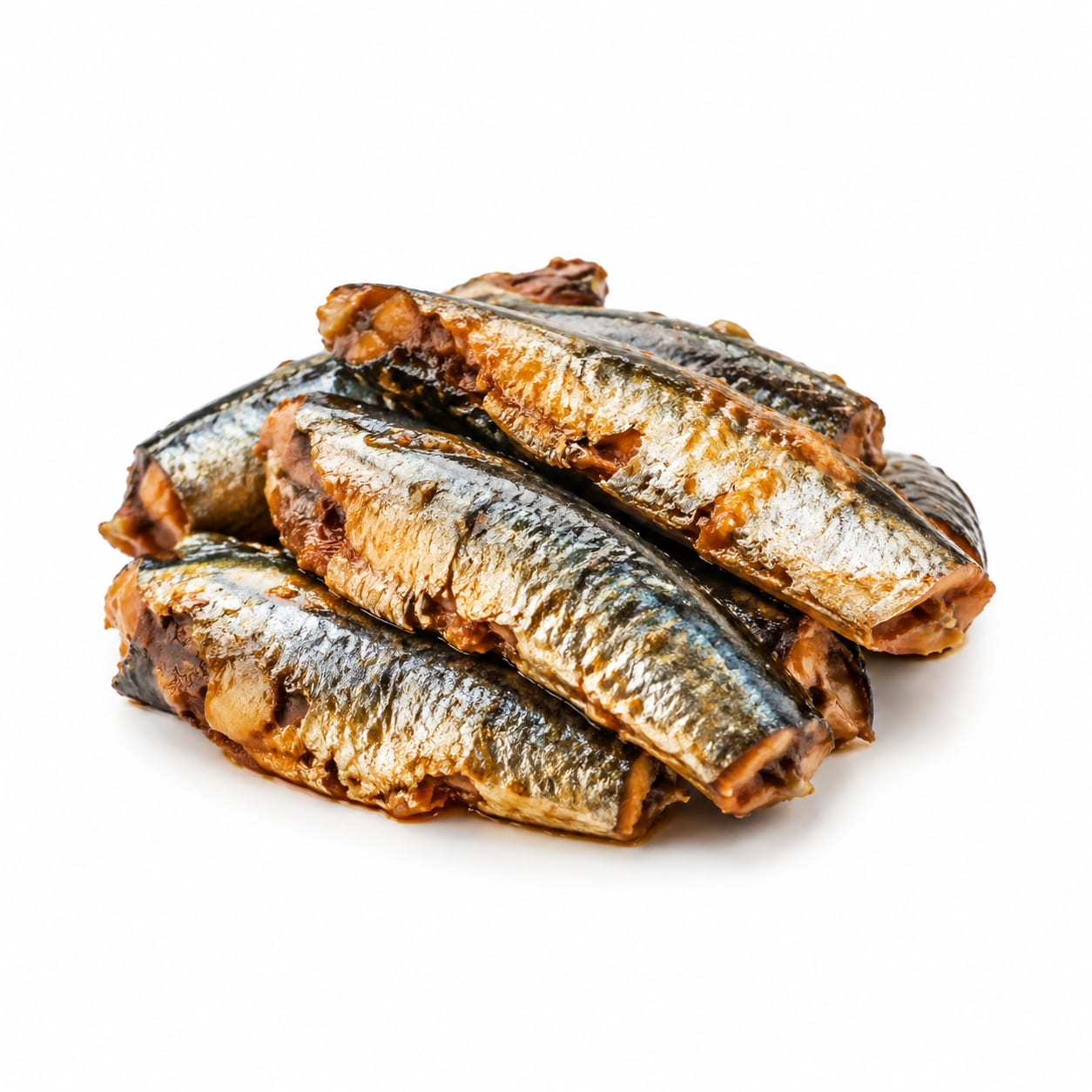
Sardine
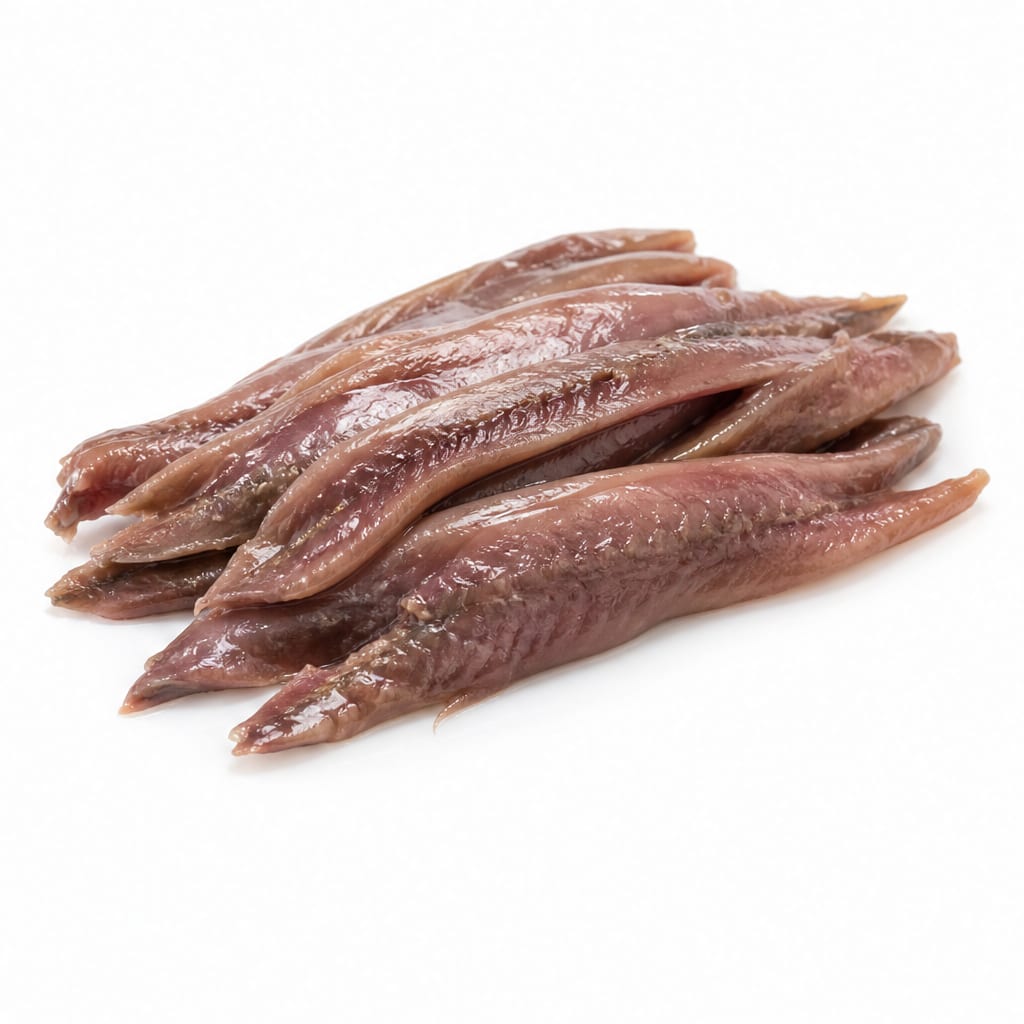
Anchovies
Sardines win as a standalone food due to lower sodium and higher satiety, while anchovies shine as an umami flavor booster rather than a main dish.
Sardines score significantly higher because they can be safely eaten in larger quantities, providing more protein, calcium, and omega-3s without excessive sodium. Anchovies lose points due to their extreme salt content, which restricts them to tiny garnish portions.
Sardines offer a filling, low-sodium meal packed with protein and calcium, whereas anchovies deliver intense flavor but come with a massive salt load that limits how much you can eat.
At a glance
Executive summary
Overall
Sardine
Healthier
Sardine
More practical
Sardine
Daily use
Sardine
Key comparison lenses
Omega-3 and heart health comparison
Both are prized for their high omega-3 content, but serving sizes drastically change actual intake.
Sodium load and blood pressure impact
Anchovies are salt-cured, making their sodium levels exponentially higher than sardines.
Culinary role and satiety
Sardines are eaten as a main protein, while anchovies are used as a condiment, affecting fullness and portion size.
Calcium and bone health
Both contain edible bones, but the quantity consumed dictates the actual calcium benefit.
Best choice for
Sardine
- People wanting a quick, filling lunch
- Those watching their blood pressure
- Anyone needing a low-sodium omega-3 source
Anchovies
- Home cooks seeking umami depth in sauces
- Those eating Mediterranean-style diets in small amounts
- Flavor enthusiasts making dressings or dips
Least suitable for
Sardine
- People who dislike eating fish with visible bones
- Those sensitive to strong fishy aromas
Anchovies
- People on strict low-sodium diets
- Anyone looking for a filling main course
Deep comparison
Dimension by dimension
Each lens scores both foods and breaks down who each option suits.
- Dimension 1 · Priority 95Sardine
Omega-3 Fatty Acids
Sardine · 92Anchovies · 80Sardines deliver far more total omega-3s per eating occasion because you can comfortably eat a full can, whereas anchovies are limited to tiny amounts by their saltiness.
Tradeoff
Anchovies are technically rich in omega-3s per gram, but the sodium prevents you from eating enough to match a sardine serving.
Why it matters
Omega-3s reduce inflammation and support heart and brain health, but you need an adequate dose to get the real benefits.
Real-world impact
Eating sardines a few times a week meaningfully moves the needle on your omega-3 intake; anchovies alone won't get you there.
Sardine
- Meeting daily omega-3 targets easily
- Reducing systemic inflammation
Better for
Anchovies
- Adding a subtle omega-3 boost to meals already containing healthy fats
Better for
- Relying on them as your primary omega-3 source
Worse for
- Dimension 2 · Priority 90Sardine
Sodium and Blood Pressure
Sardine · 85Anchovies · 20Sardines are relatively low in sodium, but anchovies are cured in salt, packing a massive sodium punch even in small bites.
Tradeoff
That salty cure is exactly what gives anchovies their savory depth, but it makes them a hazard for blood pressure if overconsumed.
Why it matters
High sodium intake drives up blood pressure and increases cardiovascular risk over time.
Real-world impact
A single can of sardines has around 300mg of sodium, while just a few anchovy fillets can deliver over 1000mg.
Sardine
- Keeping blood pressure in check
- Eating fish without retaining water
Better for
Anchovies
- Managing hypertension
- Avoiding bloating after meals
Worse for
- Dimension 3 · Priority 85Sardine
Satiety and Protein Intake
Sardine · 90Anchovies · 30Sardines are a meaty, protein-dense meal that keeps you full, while anchovies are a garnish that offers negligible protein per serving.
Tradeoff
You get satisfying, lasting fullness from a tin of sardines, whereas anchovies only provide flavor without moving the needle on hunger.
Why it matters
Protein is essential for maintaining muscle and keeping cravings at bay between meals.
Real-world impact
A can of sardines makes a complete lunch; a few anchovies on a salad will leave you hungry an hour later.
Sardine
- Staying full between meals
- Supporting muscle maintenance
Better for
Anchovies
- Using as a post-workout recovery food
- Relying on them for lasting energy
Worse for
- Dimension 4 · Priority 75Sardine
Calcium and Bone Health
Sardine · 90Anchovies · 50Both fish have edible, soft bones, but the larger portion size of sardines provides far more absorbable calcium.
Tradeoff
Anchovy bones are edible but you eat so little of the fish that the calcium contribution is minimal.
Why it matters
Calcium from whole food sources is highly absorbable and crucial for bone density as you age.
Real-world impact
Eating sardines with the bones is like taking a natural calcium supplement that actually tastes good.
Sardine
- Supporting bone density naturally
- Getting calcium without dairy
Better for
Anchovies
- Meeting daily calcium needs
Worse for
- Dimension 5 · Priority 80Anchovies
Culinary Versatility and Flavor
Sardine · 70Anchovies · 95Anchovies are a secret weapon in the kitchen, melting into dishes to create deep, savory umami. Sardines are great, but their flavor is more polarizing.
Tradeoff
Anchovies make everything else taste better, while sardines mostly just taste like themselves.
Why it matters
Enjoying what you eat is crucial for sticking to healthy habits long-term.
Real-world impact
Tossing a couple of anchovies into a hot pan with garlic transforms a basic tomato sauce; sardines are better enjoyed on their own or on toast.
Sardine
- A quick, no-cook meal
- Hearty, rustic snacks
Better for
- Disappearing into complex dishes seamlessly
Worse for
Anchovies
- Elevating pasta and dressings
- Making vegetables taste indulgent
Better for
Timeline
Health impact over time
Short-term
Hours to days
Sardine
- Provides steady, satisfying energy without a crash
- Unlikely to cause bloating or excessive thirst
Anchovies
- Can trigger intense thirst due to high salt content
- May cause bloating or water retention even in small amounts
Long-term
Months to years
Sardine
- Supports heart health and reduces inflammation through consistent omega-3 intake
- Helps maintain bone density thanks to high calcium levels
Anchovies
- Contributes to cardiovascular health when used as a flavor replacement for salt-heavy meats
- Risk of elevated blood pressure if used liberally alongside other salty ingredients
Risk profile
Safety & processing
Canned sardines are simply cooked and packed, usually in water or olive oil. Anchovies undergo a salt-curing and aging process, which alters their natural state and drastically increases sodium.
Sardine
Purine content
mediumSardines are high in purines, which can trigger gout flare-ups in susceptible individuals if eaten frequently.
BPA exposure
lowCanned varieties may have BPA in the lining, though many brands now use BPA-free cans.
Anchovies
Extreme sodium levels
highThe salt-curing process creates a very high sodium product that can quickly push daily intake over safe limits.
Purine content
mediumLike sardines, anchovies are high in purines and are a known trigger for gout.
Who wins for whom
Audience fit
Same foods, different winners depending on your goal.
children
SardineSardines are lower in sodium and provide crucial calcium for growing bones, though the fishy taste might require some creative hiding.
daily consumption
SardineThe lower sodium profile of sardines makes them safe to eat multiple times a week, whereas daily anchovy consumption would almost guarantee excessive salt intake.
diabetes
SardineSardines offer healthy fats and protein with zero carbs and low sodium, helping stabilize blood sugar without stressing the cardiovascular system.
elderly
SardineThe soft, edible bones in sardines provide highly absorbable calcium to combat osteoporosis, without the cardiovascular risks of high sodium.
muscle gain
SardineYou can actually eat a full serving of sardines, delivering the substantial protein needed for muscle repair.
weight loss
SardineSardines provide high protein and omega-3s that keep you full for hours, making it easier to eat less overall.
Your move
Decision guide
Choose Sardine
- You want a quick, satisfying lunch that keeps you full
- You are watching your blood pressure or sodium intake
- You need a dairy-free calcium and omega-3 boost
Choose Anchovies
- You want to add savory depth to a sauce, dressing, or stew
- You are cooking Mediterranean dishes and need authentic flavor
- You only need a tiny omega-3 garnish rather than a full serving
Either works if
- You are looking for low-mercury fish options
- You want to increase your intake of healthy fats
- You are prone to gout and need to moderate purines
Avoid both if
- You have a severe fish or shellfish allergy
- Your doctor has advised a strict low-purine diet for gout management
Final recommendation
Keep both in your pantry, but use them differently. Rely on sardines as a convenient, nutrient-dense meal a few times a week for protein and omega-3s. Reserve anchovies as a flavor enhancer to make healthy vegetables and whole grains taste incredible, while keeping an eye on the salt shaker elsewhere in your meal.
Practical
Consumer tips
- 1
Rinse canned anchovies under cold water before using to remove some of the excess surface salt.
- 2
Choose sardines packed in water or extra virgin olive oil rather than industrial seed oils for a healthier fat profile.
- 3
Mash anchovies into a paste with garlic and olive oil as a savory base for cooking greens instead of using bacon or salt pork.
- 4
If the visible bones in sardines bother you, look for boneless and skinless varieties, though you will lose the calcium benefit.
- 5
Look for BPA-free cans or glass jars to avoid potential endocrine disruptors in the packaging.