
Nutrition comparison
Sardine vs Shrimp: Nutrition, Mercury, and Health Comparison
Compare sardines and shrimp to see which seafood is healthier. Learn about omega-3s, mercury, cholesterol, and which is best for your diet.
Overall winner · Sardine
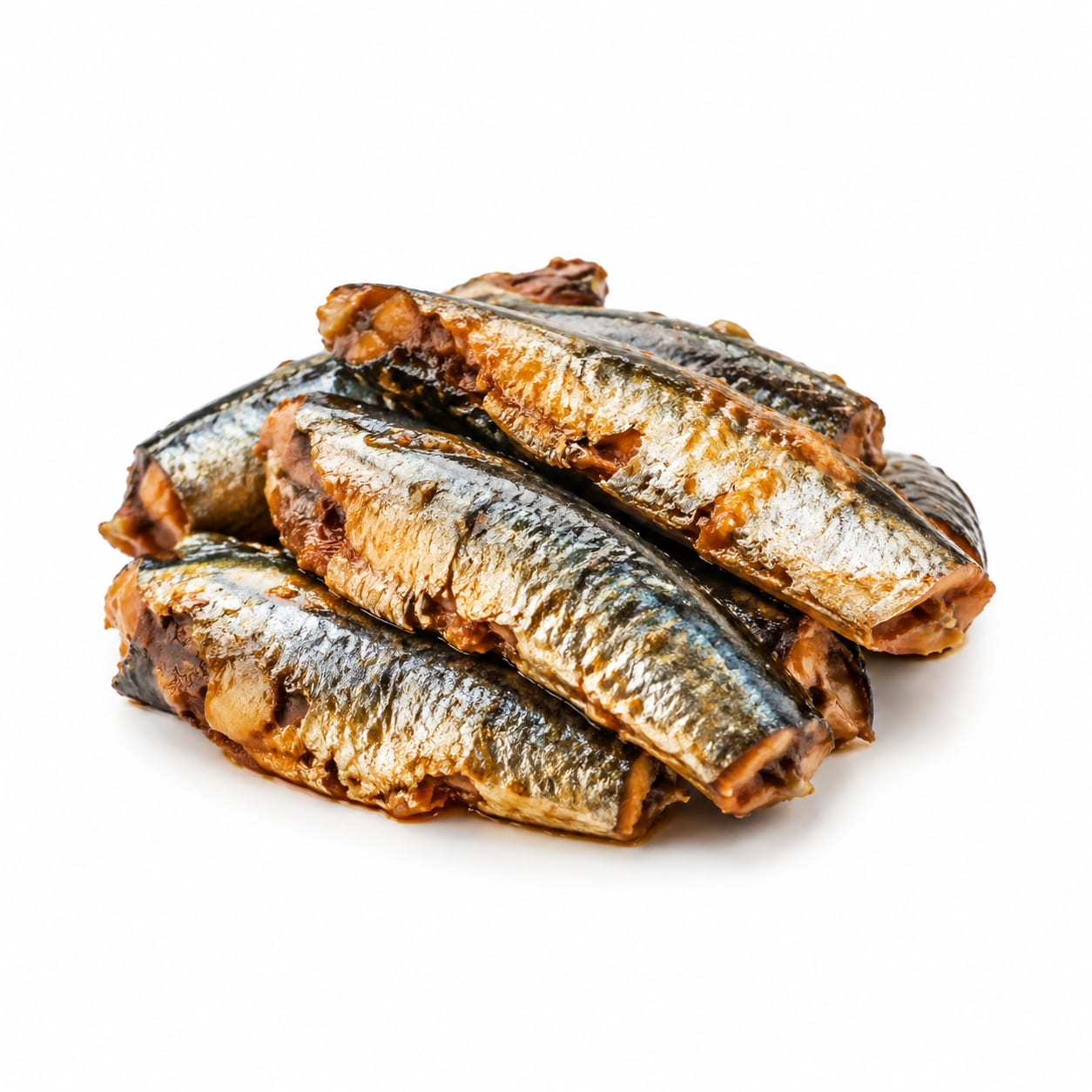
Sardine
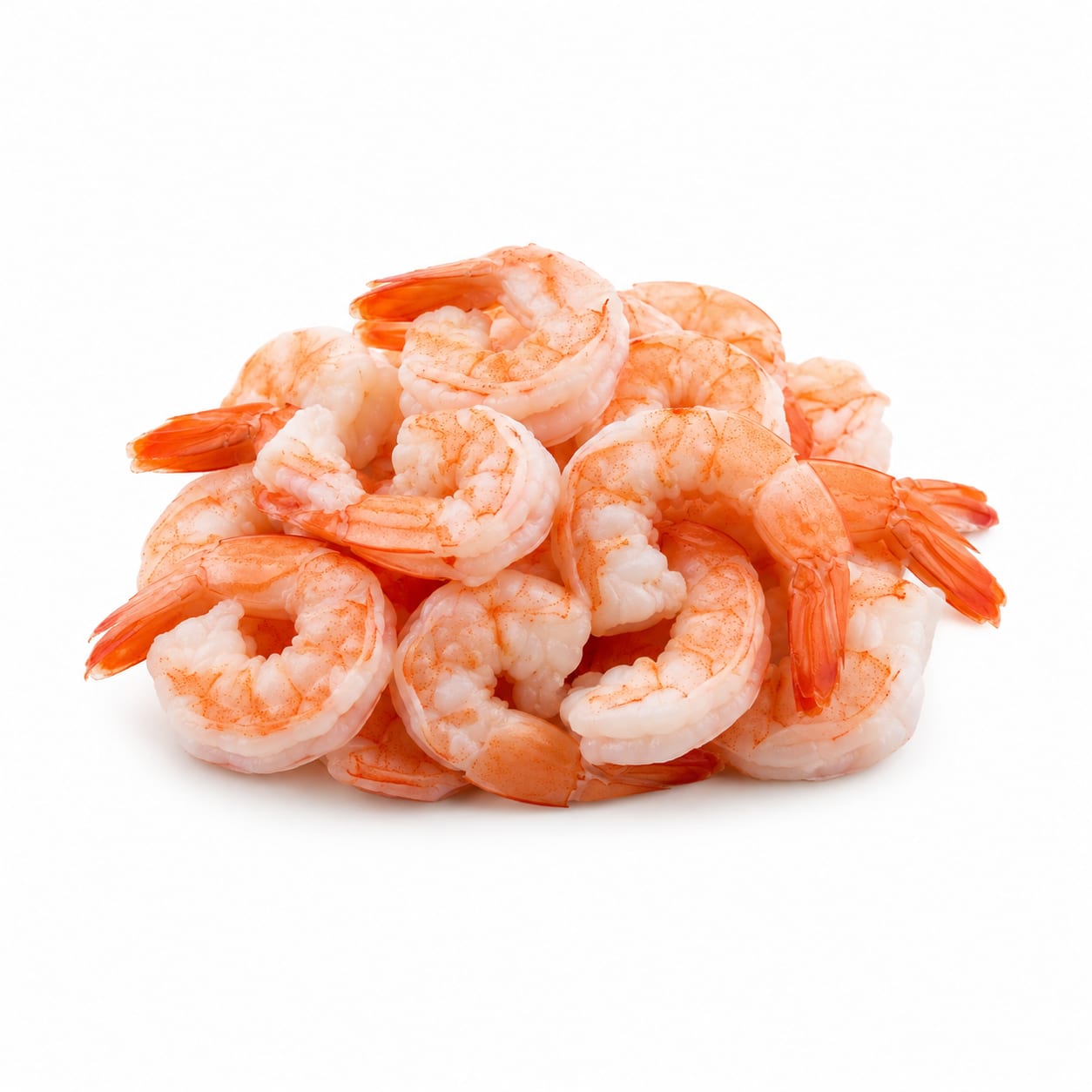
Shrimp
Sardines win on pure nutrient density and omega-3s, while shrimp offer a leaner, milder protein that's easier to cook into varied meals.
Sardines score higher due to exceptional omega-3 content, vitamin D, and calcium, but shrimp remain a strong, lean protein choice with better culinary flexibility.
You trade the massive omega-3 and calcium boost of sardines for the culinary convenience and mild flavor of shrimp.
At a glance
Executive summary
Overall
Sardine
Healthier
Sardine
More practical
Shrimp
Daily use
It depends
Key comparison lenses
Omega-3 and heart health benefits
Sardines are a top omega-3 source, while shrimp are very low in fat, making this the starkest nutritional difference.
Mercury and contaminant safety
Both are low-mercury seafood options, but farming practices for shrimp raise different contamination questions than wild-caught sardines.
Culinary versatility and flavor preference
Sardines have a strong, polarizing taste, whereas shrimp offer a mild, adaptable canvas for cooking.
Cholesterol and gout considerations
Shrimp are high in dietary cholesterol, while sardines are high in purines, making both tricky for specific conditions.
Best choice for
Sardine
- Boosting omega-3 intake with Sardines instead of supplements
- Supporting bone health naturally with Sardines
- Getting budget-friendly nutrient density from Sardines
Shrimp
- Getting lean, low-calorie protein from Shrimp for weight loss
- Serving Shrimp to picky eaters who dislike fishy flavors
- Making quick-cooking weeknight dinners with Shrimp
Least suitable for
Sardine
- People managing gout flare-ups from Sardines
- Those sensitive to the strong fishy flavor of Sardines
- Diners wanting a light, subtle protein instead of Sardines
Shrimp
- People strictly limiting dietary cholesterol from Shrimp
- Those avoiding farmed Shrimp risks
- Budget-conscious shoppers avoiding expensive Shrimp
Deep comparison
Dimension by dimension
Each lens scores both foods and breaks down who each option suits.
- Dimension 1 · Priority 95Sardine
Heart & Brain Nutrition
Sardine · 98Shrimp · 45Sardines are packed with EPA and DHA omega-3s, which are critical for brain and heart health. Shrimp have very little fat and minimal omega-3s.
Tradeoff
You get far more anti-inflammatory fats from sardines, but shrimp is leaner if you are strictly counting fat grams.
Why it matters
Omega-3s are hard to get in typical diets, and sardines provide them in one of the most efficient, absorbable ways possible.
Real-world impact
Eating sardines a few times a week can meaningfully improve triglyceride levels and mental clarity, whereas shrimp won't move the needle on omega-3 intake.
Sardine
- Reducing systemic inflammation with Sardines
- Supporting cognitive function with Sardines
- Lowering triglycerides with Sardines
Better for
- People on blood thinners needing consistent vitamin K intake from Sardines
Worse for
Shrimp
- Very low-fat diet protocols using Shrimp
Better for
- Relying on Shrimp as a primary omega-3 source
Worse for
- Dimension 2 · Priority 85Sardine
Contaminant & Heavy Metal Safety
Sardine · 92Shrimp · 75Sardines are wild-caught and very low in mercury. Shrimp are also low in mercury, but farmed varieties often carry antibiotic and microplastic concerns.
Tradeoff
Sardines offer cleaner wild-caught consistency, while shrimp safety depends heavily on sourcing (wild vs. farmed).
Why it matters
Mercury and antibiotic residues build up over time, so choosing cleaner seafood protects your long-term health.
Real-world impact
You can eat sardines freely without worrying about mercury, but with shrimp, you need to check labels or risk exposure to farming chemicals.
Sardine
- Unlimited weekly consumption of Sardines
- Pregnant women seeking safe seafood in Sardines
Better for
- BPA exposure from Sardine can linings (if canned)
Worse for
Shrimp
- Wild-caught Shrimp options when available
Better for
- Farmed Shrimp carrying antibiotic residues
Worse for
- Dimension 3 · Priority 80Shrimp
Convenience & Culinary Versatility
Sardine · 65Shrimp · 92Shrimp cook in minutes and absorb any flavor you throw at them. Sardines are ready-to-eat from a can but have a strong, polarizing taste.
Tradeoff
Shrimp take a little prep but win on flavor adaptability, while sardines are instantly ready but limit what you can pair them with.
Why it matters
If a food doesn't taste good or fit your cooking style, you won't eat it consistently enough to get the health benefits.
Real-world impact
Shrimp easily become stir-fries, tacos, or pasta, making meal prep exciting. Sardines are mostly a toast-topper or salad addition.
Sardine
- Zero-cook emergency protein from Sardines
- Backpacking or travel meals with Sardines
Better for
- People who dislike the fishy smells and flavors of Sardines
Worse for
Shrimp
- Entertaining guests with Shrimp
- Family-friendly dinners using Shrimp
Better for
- Situations with no refrigeration or stove for Shrimp
Worse for
- Dimension 4 · Priority 75Sardine
Bone & Mineral Support
Sardine · 96Shrimp · 40Sardines with bones provide exceptional calcium and vitamin D. Shrimp offer good minerals like selenium and iodine but no calcium.
Tradeoff
Eating soft sardine bones gives you a dairy-free calcium boost, whereas shrimp require you to get calcium from other parts of your diet.
Why it matters
Many adults fall short on calcium and vitamin D, and sardines are one of the few foods that deliver both together naturally.
Real-world impact
Regularly eating sardines can help maintain bone density without needing supplements, while shrimp leave a nutritional gap for bones.
Sardine
- Dairy-free diets needing calcium from Sardines
- Older adults preventing osteoporosis with Sardines
Better for
- People who can't stomach the texture of bones in Sardines
Worse for
Shrimp
- Thyroid support from iodine and selenium in Shrimp
Better for
- Those relying on Shrimp as a primary mineral source
Worse for
- Dimension 5 · Priority 70Shrimp
Cholesterol & Purine Sensitivity
Sardine · 55Shrimp · 65Sardines are high in purines which can trigger gout, while shrimp are high in dietary cholesterol but lower in purines.
Tradeoff
If you have gout, sardines are risky. If you are hyper-sensitive to dietary cholesterol, shrimp might concern you.
Why it matters
Both foods have specific compounds that can be dealbreakers for people with certain metabolic conditions.
Real-world impact
A gout sufferer might wake up with joint pain after a sardine meal, while someone with high cholesterol might see a slight bump after a shrimp feast.
Sardine
- The omega-3s in Sardines actually help moderate blood cholesterol
Better for
- Triggering painful gout flare-ups from Sardines
Worse for
Shrimp
- Lower purine load in Shrimp is safer for gout management
Better for
- Causing anxiety for those strictly monitoring dietary cholesterol in Shrimp
Worse for
Timeline
Health impact over time
Short-term
Hours to days
Sardine
- High protein and fat content in Sardines provides lasting fullness and steady energy
- Strong flavor of Sardines can be satisfying or off-putting depending on preference
Shrimp
- Light, easily digested protein in Shrimp that won't make you feel sluggish
- Shrimp is quick to prepare when you need a fast, healthy meal
Long-term
Months to years
Sardine
- Consistent omega-3 intake from Sardines supports heart rhythm and brain health
- Calcium and vitamin D from Sardine bones help preserve skeletal strength
Shrimp
- Low calorie count of Shrimp aids in sustainable weight management
- Selenium and iodine in Shrimp support long-term thyroid and immune function
Risk profile
Safety & processing
Canned sardines usually contain just fish and salt, while frozen or farmed shrimp are often treated with sodium tripolyphosphate (STPP) to retain moisture, which adds unnecessary sodium and chemicals.
Sardine
Gout flare-ups from purines
mediumSardines are high in purines, which can crystallize in joints for susceptible individuals, causing intense pain.
BPA from can linings
lowMost canned sardines use BPA-free linings now, but older or cheaper brands might still expose you to endocrine disruptors.
Shrimp
Antibiotic residues in farmed shrimp
highImported farmed shrimp are frequently treated with banned antibiotics, which can contribute to antibiotic resistance.
Shellfish allergy
highShrimp are a top allergen that can cause severe, life-threatening anaphylactic reactions in sensitive individuals.
Who wins for whom
Audience fit
Same foods, different winners depending on your goal.
children
ShrimpShrimp's mild flavor and fun finger-food size appeal more to kids, while sardines' strong taste and tiny bones are often rejected.
daily consumption
It dependsSardines are nutritionally superior for daily use, but their strong flavor makes daily eating unrealistic for most; shrimp is easier to eat daily but lacks the omega-3s.
diabetes
SardineThe healthy fats in sardines slow digestion and stabilize blood sugar, whereas shrimp's leanness offers less blood sugar buffering.
elderly
SardineSardines deliver calcium, vitamin D, and omega-3s, directly targeting the bone density and cognitive decline concerns common in aging.
muscle gain
SardineSardines offer more protein per serving alongside omega-3s, which help reduce exercise-induced inflammation and support muscle recovery.
weight loss
ShrimpShrimp are extremely low in calories while being high in protein, making it easier to stay in a calorie deficit without feeling restricted.
Your move
Decision guide
Choose Sardine
- You want to boost omega-3s with Sardines without taking fish oil pills
- You need a dairy-free source of calcium and vitamin D from Sardines
- You are looking for a budget-friendly, shelf-stable superfood like Sardines
Choose Shrimp
- You want a lean protein like Shrimp that fits seamlessly into any recipe
- You or your family dislike strong fish flavors and prefer mild Shrimp
- You are strictly counting calories for weight loss and prefer Shrimp
Either works if
- You simply want a healthy, low-mercury seafood option like Sardines or Shrimp for dinner
- You are rotating protein sources like Sardines and Shrimp to keep your diet interesting
Avoid both if
- You have a severe shellfish or fish allergy to Shrimp or Sardines
- Your doctor has advised you to avoid all seafood like Sardines and Shrimp due to specific medication interactions
Final recommendation
Make sardines your nutritional powerhouse a couple of times a week for the omega-3 and calcium boost, and use shrimp as your go-to lean, versatile protein for everyday meals. Sourcing wild-caught shrimp will minimize farming risks.
Practical
Consumer tips
- 1
Look for sardines packed in water or olive oil with no added sodium to keep the health profile pristine.
- 2
Buy wild-caught shrimp (often from the US or Canada) to avoid the antibiotic risks associated with imported farmed shrimp.
- 3
If the texture of sardine bones bothers you, mash them thoroughly into avocado for a creamy, spreadable snack.
- 4
Check frozen shrimp labels for sodium tripolyphosphate (STPP)—it acts as a preservative but adds a chemical taste and extra sodium.