
Nutrition comparison
Sardine vs Sardines in Water: Nutrition, Omega-3, and Diet Comparison
Comparing Sardine and Sardines in Water? Discover the differences in calories, omega-3s, and protein to find out which is better for your diet and health goals.
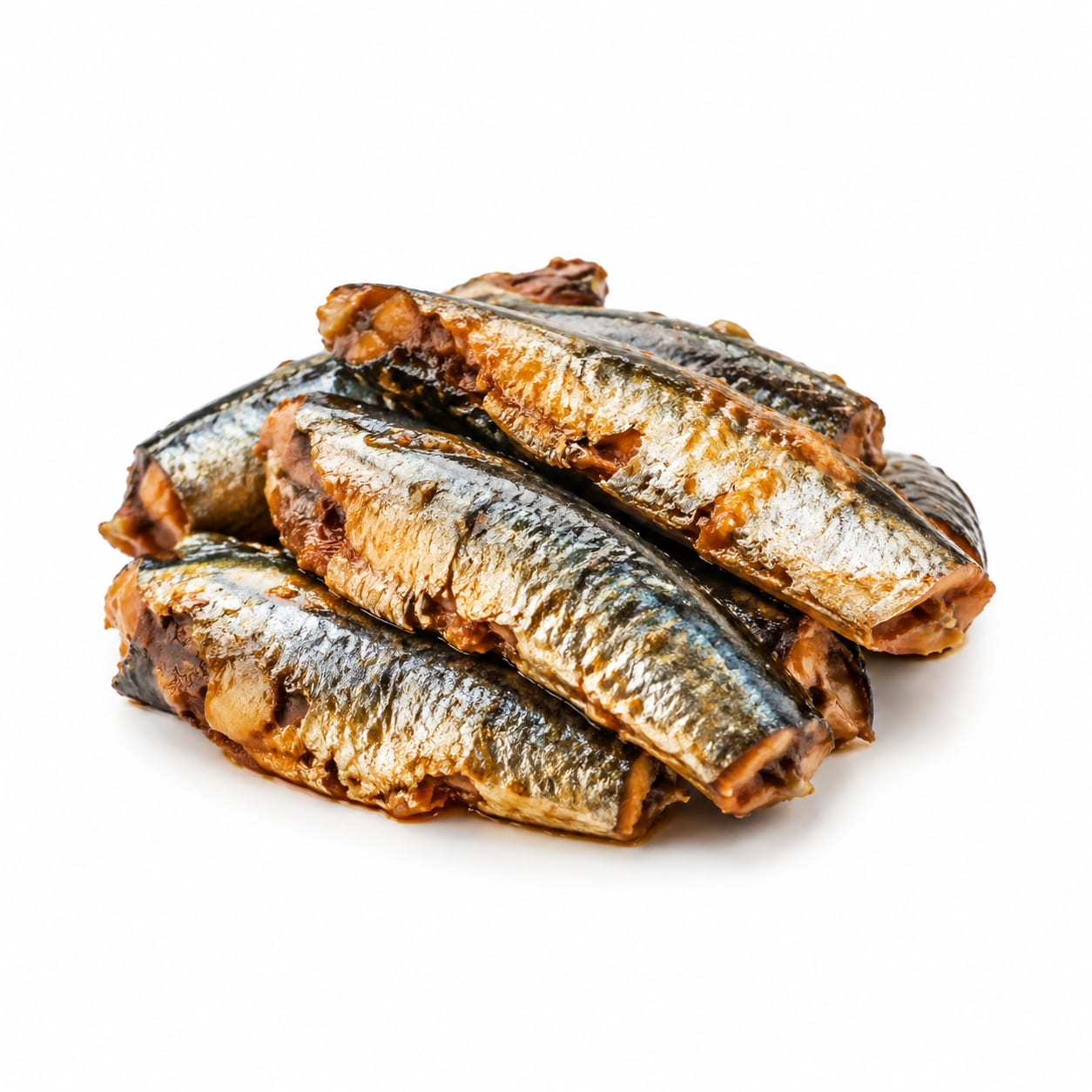
Sardine
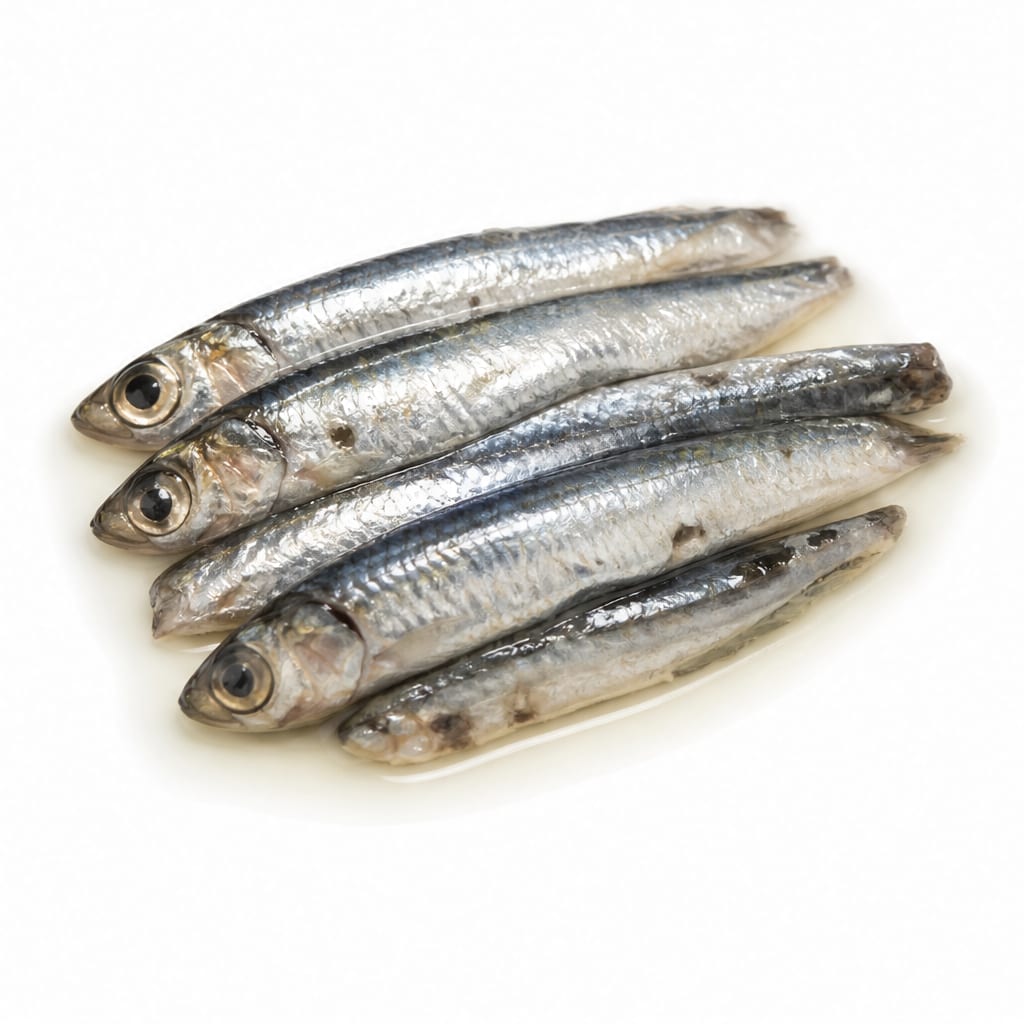
Sardines in Water
Sardines deliver superior flavor and omega-3s, while Sardines in Water provide lean, low-calorie protein for strict diets.
Sardines score slightly higher for overall nutrient density and omega-3 content, but Sardines in Water remain an excellent choice for low-calorie diets, keeping the gap narrow.
You are choosing between the rich satiety and healthy fats of regular Sardines versus the precise calorie control and leanness of Sardines in Water.
At a glance
Executive summary
Overall
It depends
Healthier
It depends
More practical
Sardines in Water
Daily use
It depends
Key comparison lenses
Calorie and fat control
Sardines in Water offer a drastically leaner profile, which is the primary reason people choose them over regular Sardines packed in oil or served fresh with higher fat content.
Omega-3 retention and absorption
Regular Sardines retain more omega-3s, especially when packed in oil, whereas water-packed sardines can lose some of their healthy fats into the draining liquid.
Satiety and flavor satisfaction
Regular Sardines are richer and more satisfying to eat, while Sardines in Water can taste bland and leave you hungry sooner.
Best choice for
Sardine
- Keto and low-carb dieters needing healthy fats
- People prioritizing maximum omega-3 intake for heart and brain health
- Those wanting a flavorful, satisfying meal that prevents snacking
Sardines in Water
- Calorie counters aiming for rapid weight loss
- Bodybuilders needing pure protein without extra fat
- People who find the taste of regular Sardines too rich or oily
Least suitable for
Sardine
- People on strict low-fat diets
- Those carefully tracking daily calories who find high-fat fish easy to overeat
Sardines in Water
- Those needing sustained energy from fats, like endurance athletes
- People who struggle with bland food and need flavor to stick to healthy eating
Deep comparison
Dimension by dimension
Each lens scores both foods and breaks down who each option suits.
- Dimension 1 · Priority 90Sardine
Omega-3 Content and Absorption
Sardine · 95Sardines in Water · 70Sardines retain significantly more omega-3 fatty acids, especially when packed in oil, while Sardines in Water lose a portion of these valuable fats into the liquid that gets drained away.
Tradeoff
You get a richer source of anti-inflammatory fats with regular Sardines, but at the cost of higher total calories.
Why it matters
Omega-3s are the main reason people eat sardines for heart and brain health. Losing them to the draining liquid reduces the primary health benefit.
Real-world impact
Eating regular Sardines a few times a week can meaningfully improve your omega-3 to omega-6 ratio, whereas Sardines in Water might require you to get your healthy fats elsewhere.
Sardine
- Reducing inflammation
- Supporting brain health
- Improving heart health markers
Better for
- Staying within a tight daily fat limit
Worse for
Sardines in Water
- Keeping fat macros low while still getting some omega-3s
Better for
- Maximizing the anti-inflammatory benefits of the fish
Worse for
- Dimension 2 · Priority 88Sardines in Water
Calorie and Macronutrient Control
Sardine · 60Sardines in Water · 95Sardines in Water are almost pure protein with minimal calories, making macro-tracking effortless, whereas regular Sardines are calorie-dense due to their fat content.
Tradeoff
You gain absolute control over your calorie and fat intake with Sardines in Water, but you lose the natural satiety that comes from dietary fat.
Why it matters
For anyone trying to lose weight or balance daily macros, the difference between 100 calories and 200+ calories per tin is a major daily decision.
Real-world impact
You can eat a full tin of Sardines in Water as a light snack without breaking your calorie budget, while regular Sardines function more like a small meal.
Sardine
- Sustained energy without carb crashes
- Feeling full for hours after eating
Better for
- Accidentally overconsuming calories if you eat multiple tins
Worse for
Sardines in Water
- Fitting high protein into a calorie deficit
- Eating lean protein late at night
Better for
- Feeling hungry again shortly after eating
Worse for
- Dimension 3 · Priority 75Sardine
Flavor and Palatability
Sardine · 90Sardines in Water · 55Sardines have a rich, savory mouthfeel that makes them enjoyable on their own, while Sardines in Water often taste flat and dry, requiring added condiments.
Tradeoff
Regular Sardines are a delicious, ready-to-eat experience, whereas Sardines in Water usually need help from mustard, hot sauce, or olive oil to be enjoyable.
Why it matters
If healthy food tastes boring, you will not stick with it. Enjoyment is a crucial factor in long-term dietary success.
Real-world impact
You can easily serve regular Sardines on crackers for a quick appetizer, but Sardines in Water might sit uneaten in your pantry unless you dress them up.
Sardine
- Enjoying the food as-is without extra prep
- Serving to guests or picky eaters
Better for
- People who dislike rich or oily textures
Worse for
Sardines in Water
- Acting as a blank canvas for your own flavor additions
Better for
- Quick, satisfying snacking without extra effort
Worse for
Timeline
Health impact over time
Short-term
Hours to days
Sardine
- High satiety from fat content keeps you full for hours
- Provides steady energy without a blood sugar spike
Sardines in Water
- Delivers a quick hit of pure protein for muscle repair
- Might leave you feeling hungry sooner due to the lack of fat
Long-term
Months to years
Sardine
- Superior cardiovascular benefits from higher omega-3 retention
- Risk of weight gain if calorie intake from fat is not monitored
Sardines in Water
- Easier weight management due to low calorie density
- Potential need to source omega-3s from elsewhere to meet nutritional needs
Risk profile
Safety & processing
Both options are whole foods preserved via canning. Regular Sardines might contain oil and salt, while Sardines in Water usually contain just the fish, water, and salt. Neither is ultra-processed.
Sardine
BPA exposure from can lining
mediumMost canned foods use BPA linings, which can leach into fatty foods like oil-packed Sardines more readily than into water.
Sardines in Water
BPA exposure from can lining
lowWhile the can lining still poses a risk, water is less likely to pull BPA from the lining compared to oil.
Who wins for whom
Audience fit
Same foods, different winners depending on your goal.
children
SardineChildren need healthy fats for brain development, and the richer flavor of regular Sardines is often more appealing to kids than the dry texture of water-packed fish.
daily consumption
It dependsChoose Sardines in Water if you eat them daily alongside other fat sources, or regular Sardines if they serve as your primary source of dietary fat for the day.
diabetes
SardineThe higher fat content in regular Sardines slows digestion and stabilizes blood sugar more effectively, though both are zero-carb and safe for blood sugar.
elderly
SardineThe concentrated omega-3s in regular Sardines are highly protective against age-related cognitive decline and joint inflammation.
muscle gain
Sardines in WaterSardines in Water provide pure protein without the extra fats, allowing lifters to easily hit protein targets without overshooting calorie limits.
weight loss
Sardines in WaterSardines in Water offer high protein and satiety for minimal calories, making it much easier to maintain a calorie deficit.
Your move
Decision guide
Choose Sardine
- You want a flavorful, satisfying meal that keeps you full for hours
- You are on a keto, paleo, or low-carb diet that embraces healthy fats
- You are eating sardines specifically for their omega-3 brain and heart benefits
Choose Sardines in Water
- You are counting calories and need a lean protein source
- You find the texture and richness of regular Sardines unappetizing
- You want to control exactly how much fat you add to your meal
Either works if
- You need a shelf-stable, high-protein emergency food
- You are looking for a zero-carb snack to stabilize blood sugar
Avoid both if
- You have a severe fish or seafood allergy
- You suffer from gout and need to strictly limit purine intake
Final recommendation
If you enjoy the taste, regular Sardines are the superior health food due to their omega-3 density and satiety. If you are strictly managing your weight or dislike oily fish, Sardines in Water are an incredibly clean protein source that lets you control your fats separately.
Practical
Consumer tips
- 1
If you buy Sardines in Water because of the calories but hate the bland taste, try draining them and adding a teaspoon of high-quality olive oil and lemon juice yourself.
- 2
When buying regular Sardines, opt for those packed in olive oil or water rather than industrial seed oils like soybean oil to avoid excess omega-6 fats.
- 3
Look for brands that specify BPA-free cans, especially when buying oil-packed Sardines, as fat absorbs the chemical more easily.
- 4
Mash Sardines with avocado as a healthier alternative to tuna salad for a rich, nutrient-dense lunch.