
Nutrition comparison
Sardine vs Chicken Breast: Which Protein is Healthier?
Compare sardines vs chicken breast for omega-3s, protein, and weight loss. Discover the nutritional tradeoffs and which lean protein fits your goals.
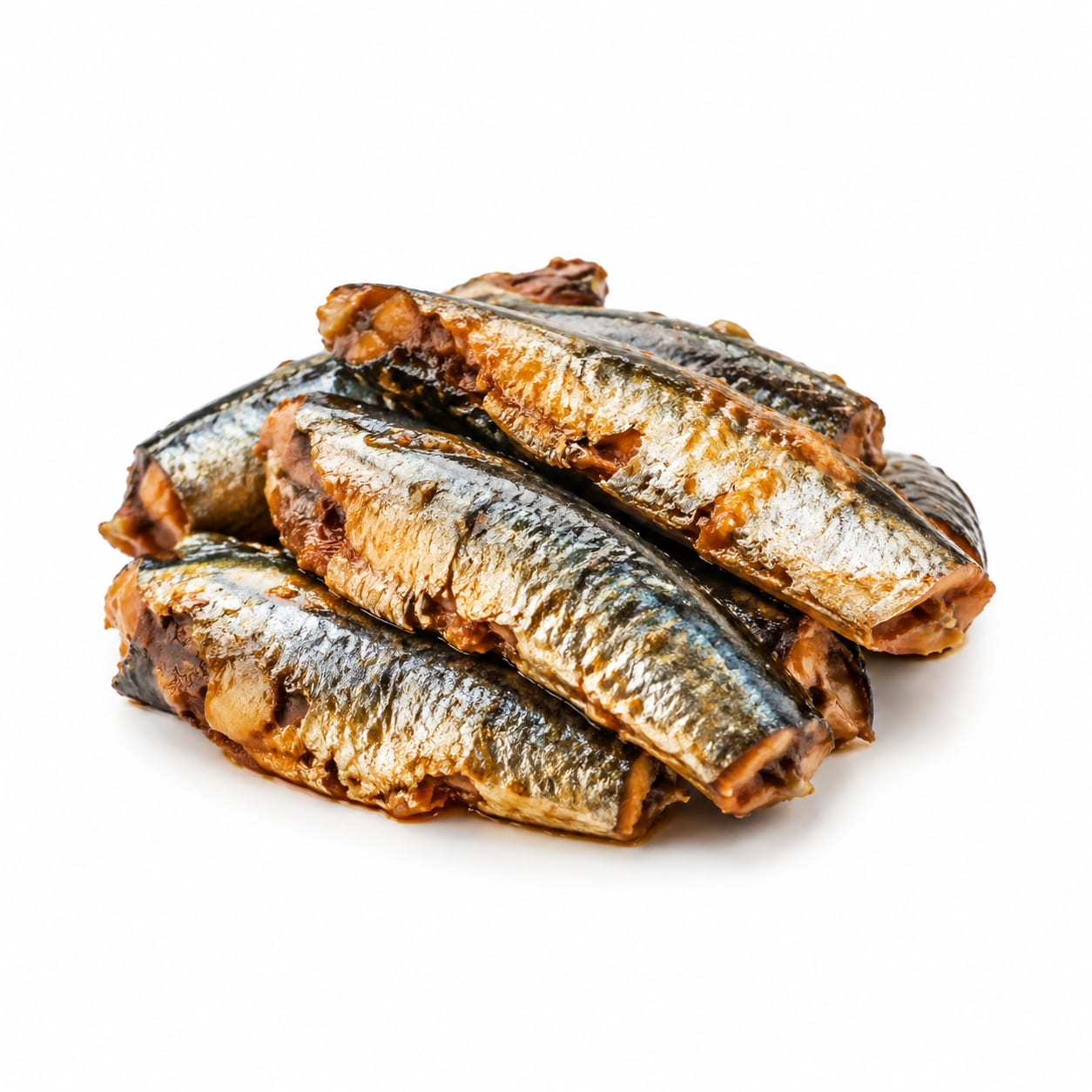
Sardine
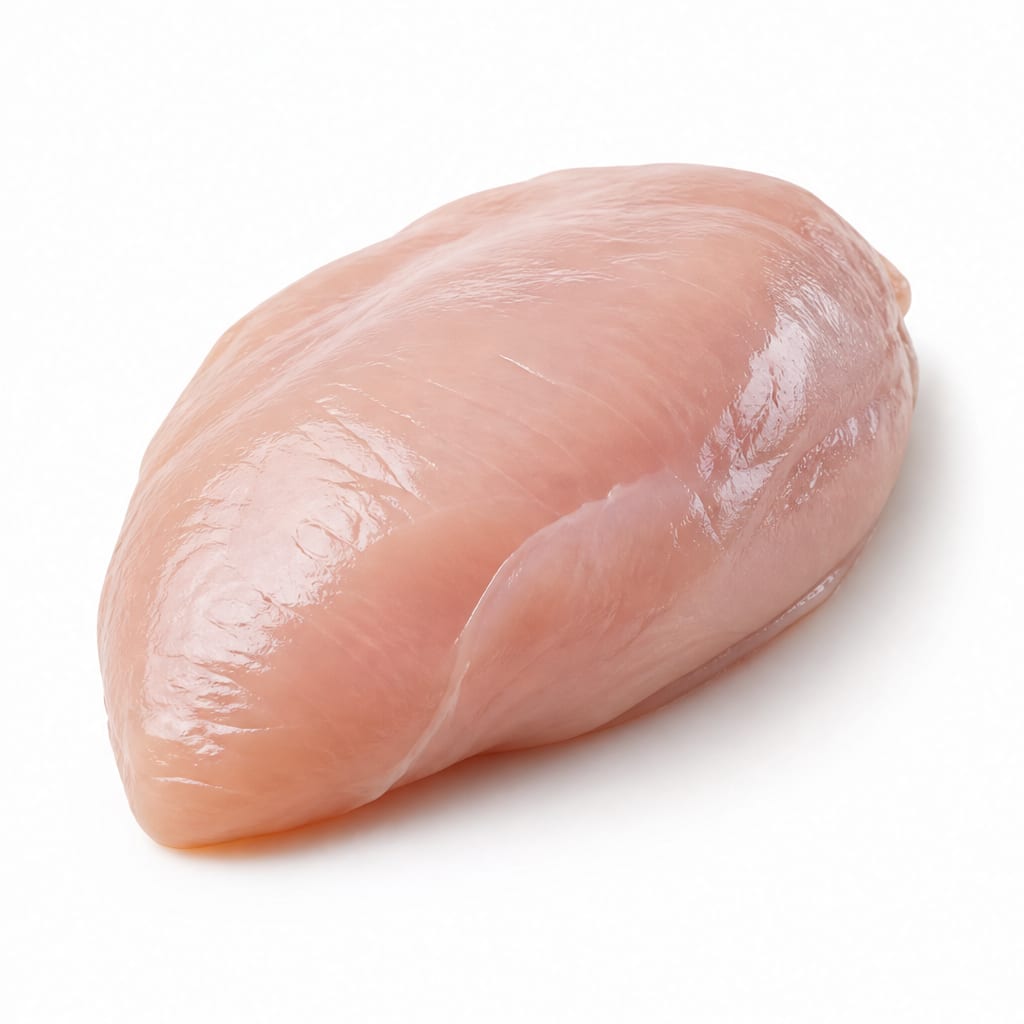
Chicken Breast
Sardines deliver massive omega-3 and micronutrient benefits, while chicken breast offers leaner, more versatile protein.
Chicken breast scores slightly higher overall due to its unmatched versatility and lean macro profile, but sardines dominate specific health dimensions like omega-3 intake and micronutrient density.
You choose between anti-inflammatory fats and bone-building minerals in sardines, or pure low-calorie protein and mild flavor in chicken breast.
At a glance
Executive summary
Overall
It depends
Healthier
It depends
More practical
Chicken Breast
Daily use
Chicken Breast
Key comparison lenses
Omega-3 vs Lean Protein Tradeoff
Sardines are one of the best sources of EPA/DHA omega-3s, while chicken breast is prized for pure lean protein with almost no fat.
Micronutrient Density Comparison
Sardines provide rare nutrients like vitamin D and calcium, whereas chicken breast is primarily a B-vitamin source.
Contaminant and Safety Profile
Comparing ocean contaminants and purines in sardines versus antibiotic residues and salmonella risk in chicken.
Culinary Versatility and Daily Sustainability
Chicken is a neutral daily staple, while sardines have a polarizing taste that limits daily use for some.
Best choice for
Sardine
- Boosting heart and brain health
- Getting natural vitamin D and B12
- Strengthening bones with dietary calcium
Chicken Breast
- Building lean muscle efficiently
- Meal-prepping for the week
- Eating a low-calorie, high-protein diet
Least suitable for
Sardine
- People with gout or high uric acid
- Picky eaters sensitive to fishy flavors
- Those on strict low-fat diets
Chicken Breast
- People needing essential omega-3 fatty acids
- Those looking for ready-to-eat no-cook protein
- People relying on food for vitamin D
Deep comparison
Dimension by dimension
Each lens scores both foods and breaks down who each option suits.
- Dimension 1 · Priority 95Sardine
Heart & Brain Health
Sardine · 95Chicken Breast · 60Sardines dominate here thanks to their high omega-3 fatty acid content, which chicken breast completely lacks.
Tradeoff
You get anti-inflammatory brain food with sardines, but miss out on the ultra-low fat profile of chicken.
Why it matters
Omega-3s are essential for heart and brain function, and most people do not get enough from their diet.
Real-world impact
Eating sardines a few times a week can improve mood and cardiovascular markers more effectively than lean poultry.
Sardine
- Reducing inflammation
- Supporting cognitive function
- Lowering triglycerides
Better for
- People on blood thinners needing consistent vitamin K intake
Worse for
Chicken Breast
- Ultra-low-fat diets
- Managing calorie density easily
Better for
- Those relying on diet for essential fatty acids
Worse for
- Dimension 2 · Priority 90It depends
Protein Quality & Satiety
Sardine · 88Chicken Breast · 92Chicken breast offers more protein per calorie, while sardines provide a more filling, fat-backed protein that keeps you satisfied longer.
Tradeoff
Chicken is better for pure protein volume, but sardines' fat content makes them more satiating in smaller portions.
Why it matters
Higher protein per calorie helps with muscle gain, while satiety helps with weight management and craving control.
Real-world impact
A chicken breast fills your macros easily post-workout, but a tin of sardines stops afternoon hunger crashes faster.
Sardine
- Staying full between meals
- Balanced macronutrient profile
Better for
- Strict macro tracking for high protein and low fat
Worse for
Chicken Breast
- Maximizing protein intake
- Bodybuilding and muscle gain
Better for
- Those who feel hungry soon after eating lean proteins
Worse for
- Dimension 3 · Priority 88Sardine
Micronutrient Density
Sardine · 96Chicken Breast · 65Sardines are a multivitamin in a can, packed with B12, vitamin D, and calcium, whereas chicken breast is mostly just B-vitamins.
Tradeoff
Sardines deliver rare nutrients like vitamin D and calcium from bones, but chicken is easier to pair with varied nutrient-dense vegetables.
Why it matters
Vitamin D and B12 deficiencies are common, and sardines are one of the few food sources naturally rich in both.
Real-world impact
Eating sardines can directly boost energy levels and bone health without needing dietary supplements.
Sardine
- Bone health support
- Correcting B12 deficiency
- Getting natural vitamin D
Better for
- Those who dislike eating fish bones, even soft ones
Worse for
Chicken Breast
- Pairing with high-iron greens for balanced meals
Better for
- People needing dietary vitamin D and calcium
Worse for
- Dimension 4 · Priority 78Chicken Breast
Culinary Versatility & Convenience
Sardine · 55Chicken Breast · 90Chicken breast adapts to almost any cuisine or flavor profile, while sardines have a distinct, polarizing taste.
Tradeoff
Sardines are ready-to-eat straight from the can, but chicken can be meal-prepped into endless varieties.
Why it matters
You will not stick to a healthy diet if you do not enjoy it; versatility keeps meals interesting long-term.
Real-world impact
Chicken breast is a blank canvas for weekly meal prep, while sardines are best as a quick snack or specific recipe addition.
Sardine
- Zero-cook emergency protein
- Quick savory snacks
Better for
- Picky eaters
- Those sensitive to fishy smells
Worse for
Chicken Breast
- Weekly meal prep
- Family dinners
- Adapting to various cuisines
Better for
- Situations with no cooking facilities
Worse for
- Dimension 5 · Priority 82It depends
Contaminant & Safety Profile
Sardine · 75Chicken Breast · 78Sardines are low in mercury but carry purine and microplastic concerns, while chicken breast poses risks from salmonella and antibiotic residues.
Tradeoff
Sardines avoid the heavy mercury of larger fish but can trigger gout; chicken is safe when cooked properly but farming practices vary.
Why it matters
Long-term exposure to contaminants or foodborne illness can undermine the benefits of otherwise healthy foods.
Real-world impact
Choosing high-quality sourcing like wild-caught sardines and organic chicken minimizes most risks for both options.
Sardine
- Avoiding mercury toxicity common in larger fish
Better for
- People with gout or uric acid issues
Worse for
Chicken Breast
- Avoiding purine-triggered gout flares
Better for
- Those concerned about factory farming antibiotics
Worse for
Timeline
Health impact over time
Short-term
Hours to days
Sardine
- Quick satiety from fat and protein
- Immediate boost in omega-3s
- Strong fishy aftertaste
Chicken Breast
- Light, easily digestible meal
- Quick protein for muscle recovery
- Can feel hungry sooner due to low fat
Long-term
Months to years
Sardine
- Stronger bones from calcium and vitamin D
- Better cardiovascular health
- Potential gout flares if overconsumed
Chicken Breast
- Maintained lean muscle mass
- Easier weight management
- Possible nutrient gaps if eaten exclusively without varied fats
Risk profile
Safety & processing
Both are whole, minimally processed foods. Canned sardines may contain added salt or oil, while raw chicken breast is completely unprocessed until cooked.
Sardine
Purine content
mediumSardines are high in purines, which can trigger gout attacks in susceptible individuals.
Microplastics and heavy metals
lowWhile low in mercury compared to tuna, sardines still carry trace ocean contaminants and microplastics.
Chicken Breast
Salmonella
mediumRaw chicken requires strict handling and thorough cooking to avoid foodborne illness.
Antibiotic residues
mediumConventionally raised chicken may carry antibiotic residues; opt for organic or certified humane brands.
Who wins for whom
Audience fit
Same foods, different winners depending on your goal.
children
Chicken BreastMilder flavor and easier texture make chicken breast far more kid-friendly than sardines.
daily consumption
Chicken BreastChicken breast's neutral flavor makes it easier to eat daily without flavor fatigue.
diabetes
SardineThe omega-3s in sardines improve insulin sensitivity and reduce inflammation, crucial for diabetes management.
elderly
SardineSardines provide calcium, vitamin D, and B12, which are critical for bone density and nerve health in aging.
muscle gain
Chicken BreastHigher protein per serving and lower cost makes chicken breast the staple for building muscle.
weight loss
Chicken BreastChicken breast provides more volume and protein for fewer calories, making it easier to stay in a deficit.
Your move
Decision guide
Choose Sardine
- You need more omega-3s in your diet
- You want to boost vitamin D and B12 naturally
- You enjoy savory, umami flavors
- You need a no-cook protein option
Choose Chicken Breast
- You are tracking macros and need lean protein
- You are meal-prepping for the week
- You have picky eaters or children to feed
- You have gout or high uric acid
Either works if
- You need high-quality, complete protein with zero carbs
- You want minimally processed whole foods
- You are building a balanced diet with varied protein sources
Avoid both if
- You have severe seafood and poultry allergies
- You are on a strict vegan diet
Final recommendation
Eat both strategically. Use chicken breast as your daily lean protein canvas, and add sardines two to three times a week as a multivitamin-like boost for your heart, brain, and bones.
Practical
Consumer tips
- 1
Choose sardines packed in water or extra virgin olive oil instead of inflammatory seed oils.
- 2
Look for wild-caught sardines to minimize contaminant exposure.
- 3
Brine chicken breast for 30 minutes before cooking to keep it juicy and tender.
- 4
Buy organic or air-chilled chicken breast to avoid antibiotic residues and added water weight.
- 5
Mash sardines with avocado and lemon for a nutrient-dense, creamy spread that balances the fishy taste.