
Nutrition comparison
Russet Potato vs Sweet Potato: Nutrition, Blood Sugar, and Which Is Healthier
Compare Russet Potato vs Sweet Potato on blood sugar impact, vitamin A, potassium, fiber, and weight management. Find out which potato fits your health goals.
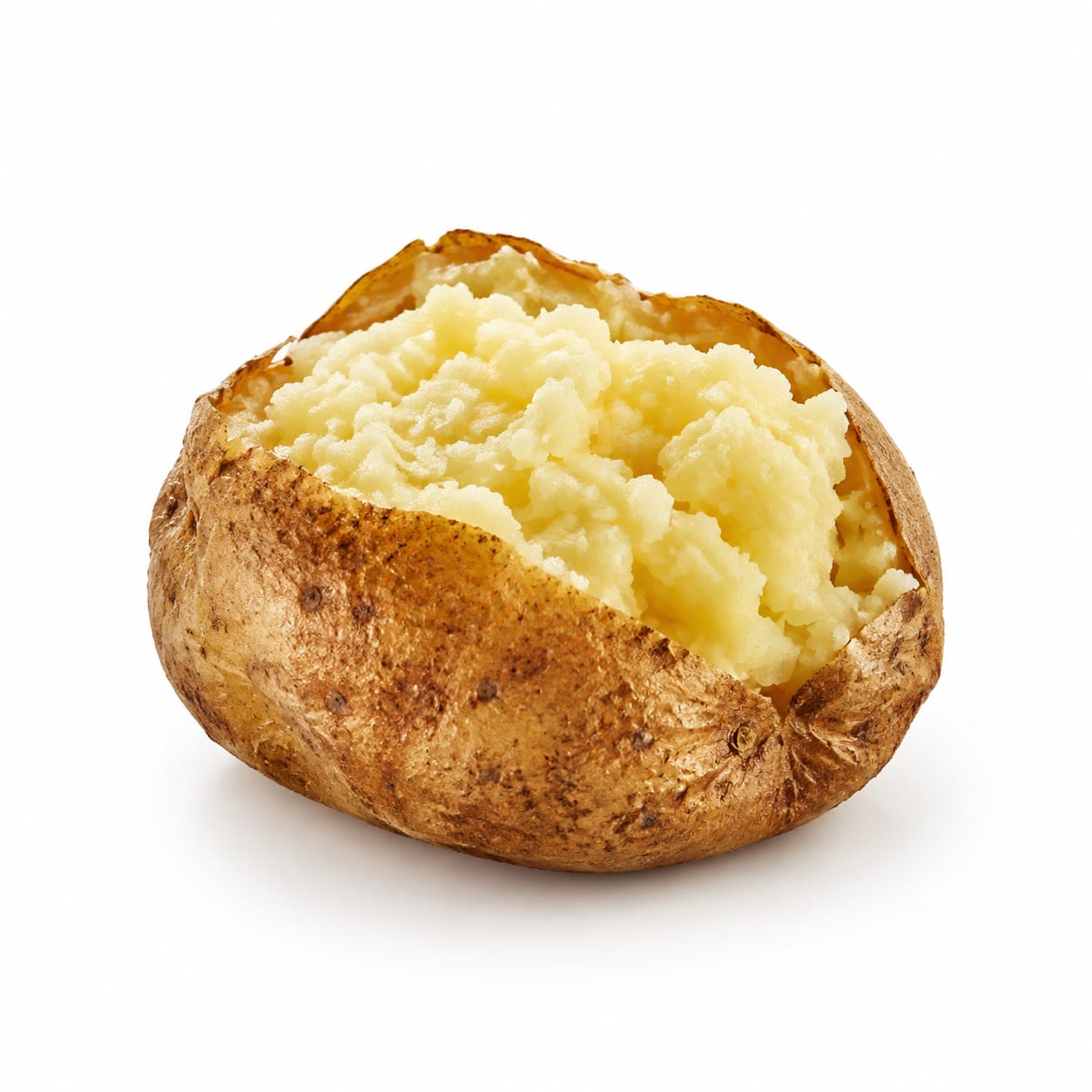
Russet Potato
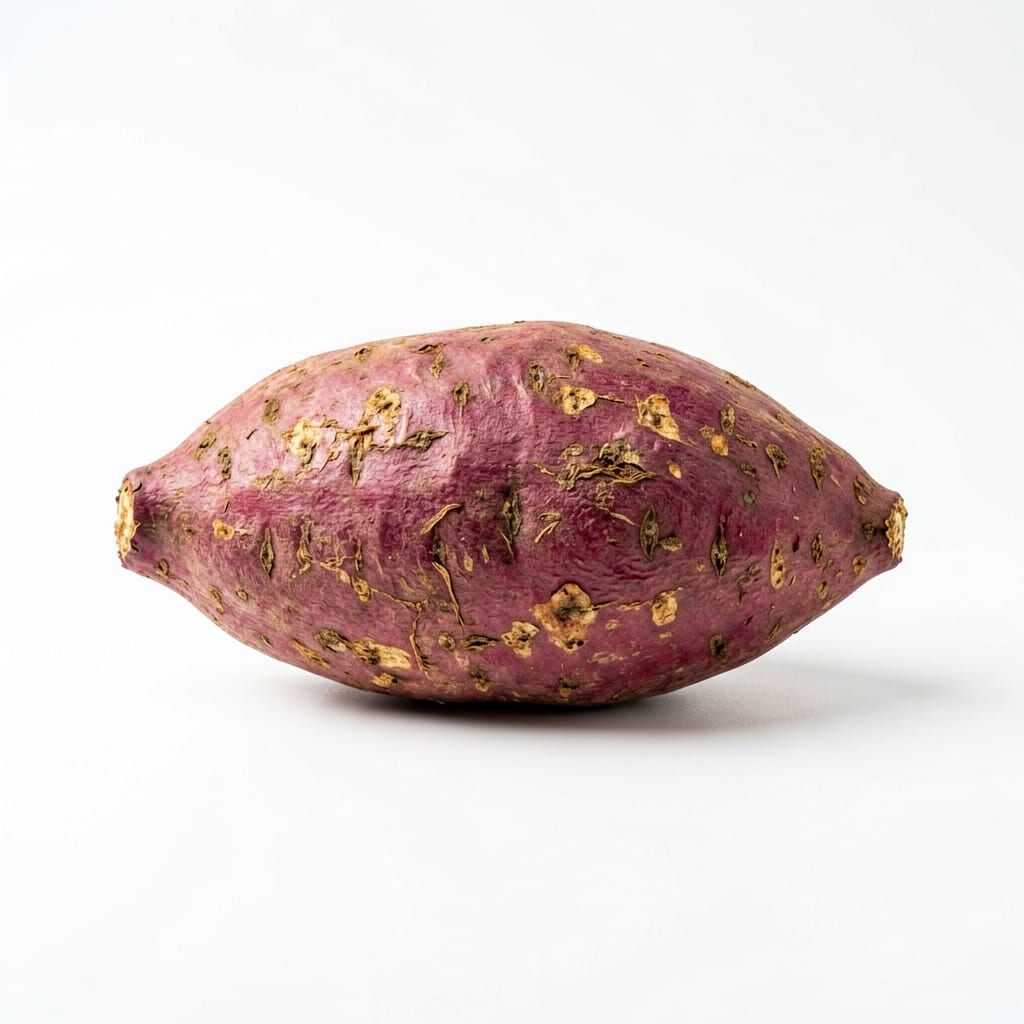
Sweet Potato
Sweet Potato wins on micronutrients and blood sugar stability, but Russet Potato offers more potassium and cheaper versatile carbs for active lifestyles.
Sweet Potato scores higher due to superior micronutrient density, more fiber, and gentler blood sugar impact. Russet Potato remains competitive thanks to potassium content, affordability, and athletic utility. The gap is moderate because both are whole nutritious foods.
Vitamin A and steadier energy from Sweet Potato versus higher potassium and faster refueling from Russet Potato.
At a glance
Executive summary
Overall
It depends
Healthier
Sweet Potato
More practical
Russet Potato
Daily use
Sweet Potato
Key comparison lenses
blood sugar management
These two potatoes differ significantly in glycemic impact, making this the top concern for most users deciding between them
nutrient density comparison
Sweet Potato offers dramatically more vitamin A while Russet Potato leads in potassium and B6, creating a real tradeoff
weight management and satiety
Both are filling starchy carbs but differ in fiber content and how they affect hunger and cravings
meal versatility and preparation
Each potato shines in different cooking methods and meal contexts, affecting practical daily use
athletic performance and recovery
Carb quality and timing matters for active people choosing between these staple starches
Best choice for
Russet Potato
- Athletes needing fast carb refueling after intense training
- Budget-conscious households wanting versatile affordable starch
- People prioritizing potassium intake for blood pressure management
- Anyone meal-prepping baked potatoes or mash in bulk
Sweet Potato
- People managing blood sugar or insulin resistance
- Anyone wanting more vitamin A for immune and eye health
- Those seeking steadier energy without afternoon crashes
- Families looking for a naturally sweet, kid-friendly vegetable
Least suitable for
Russet Potato
- People with diabetes or significant insulin resistance
- Anyone on a strict low-carb or keto diet
- Those prone to energy crashes after starchy meals
Sweet Potato
- People who need rapid post-workout glycogen replenishment
- Those watching oxalate intake for kidney stone prevention
- Anyone on a tight grocery budget where price per pound matters
Deep comparison
Dimension by dimension
Each lens scores both foods and breaks down who each option suits.
- Dimension 1 · Priority 92Sweet Potato
blood sugar stability
Russet Potato · 45Sweet Potato · 72Russet Potatoes have a high glycemic index that can spike blood sugar quickly, while Sweet Potatoes digest more slowly and cause a gentler rise.
Tradeoff
Russet Potatoes deliver faster energy for athletes but risk energy crashes in sedentary people. Sweet Potatoes trade that speed for more stable, lasting energy.
Why it matters
Blood sugar spikes drive hunger returns, cravings, and long-term metabolic strain. Steadier energy means fewer afternoon slumps and better appetite control.
Real-world impact
A Russet Potato at lunch may leave you hungry again by 2pm. A Sweet Potato with the same meal keeps you satisfied until dinner.
Russet Potato
- Post-workout recovery when fast glycogen refill is the goal
- Endurance athletes mid-event needing quick carb energy
Better for
- Sedentary individuals sensitive to blood sugar swings
- People monitoring HbA1c or fasting glucose
Worse for
Sweet Potato
- Office workers wanting to avoid the afternoon energy crash
- People with prediabetes managing glucose responses
- Anyone who gets hungry again soon after eating starchy meals
Better for
- Competitive athletes who need immediate post-exercise carb uptake
Worse for
- Dimension 2 · Priority 88Sweet Potato
micronutrient density
Russet Potato · 58Sweet Potato · 88Sweet Potatoes deliver an extraordinary amount of vitamin A along with more vitamin C and manganese. Russet Potatoes counter with more potassium and vitamin B6.
Tradeoff
You get dramatically different vitamin profiles. Sweet Potato is an A-vitamin powerhouse; Russet Potato is a potassium and B6 leader.
Why it matters
Vitamin A supports immunity, skin, and vision. Potassium supports blood pressure and muscle function. Both matter but most diets are more deficient in vitamin A than potassium.
Real-world impact
One medium Sweet Potato covers over 400% of your daily vitamin A needs. A Russet Potato covers about 26% of your potassium needs.
Russet Potato
- People specifically trying to increase potassium for blood pressure
- Those needing more B6 for energy metabolism or mood support
Better for
- People relying on potatoes as their main vegetable for vitamin diversity
Worse for
Sweet Potato
- Anyone with low vitamin A intake, especially on limited diets
- People wanting immune and skin support from whole food sources
- Children who benefit from vitamin A for growth and development
Better for
- Those already supplementing high-dose vitamin A who need to avoid excess
Worse for
- Dimension 3 · Priority 78Sweet Potato
fiber and digestive health
Russet Potato · 55Sweet Potato · 74Sweet Potatoes provide more total fiber and more soluble fiber, which feeds gut bacteria and slows digestion. Russet Potatoes offer notable resistant starch when cooled.
Tradeoff
Sweet Potato gives you more consistent fiber per serving. Russet Potato gives you resistant starch but only if you cook and then cool it before eating.
Why it matters
Fiber keeps you full, feeds beneficial gut bacteria, and smooths out digestion. Resistant starch does similar things but requires preparation awareness.
Real-world impact
A warm Sweet Potato delivers its fiber benefits immediately. A Russet Potato needs to be cooled after cooking to develop meaningful resistant starch.
Russet Potato
- Meal preppers who cook potatoes ahead and eat them cold or reheated
- People specifically seeking resistant starch for gut microbiome benefits
Better for
- Those always eating potatoes hot and never getting resistant starch benefit
Worse for
Sweet Potato
- Anyone wanting reliable fiber regardless of preparation method
- People with sluggish digestion who benefit from consistent soluble fiber
Better for
- People with irritable bowel who may react to certain soluble fibers
Worse for
- Dimension 4 · Priority 68Russet Potato
athletic performance and recovery
Russet Potato · 82Sweet Potato · 70Russet Potatoes digest faster and replenish glycogen more quickly after intense exercise. Sweet Potatoes work well for sustained energy but are slower to absorb.
Tradeoff
Speed of refueling versus nutrient richness. Athletes in a recovery window may prefer the faster carb availability of Russet Potatoes.
Why it matters
Post-exercise recovery is time-sensitive. Faster carb uptake means quicker glycogen restoration and better readiness for the next session.
Real-world impact
After a hard workout, a Russet Potato gets carbs into your muscles faster. A Sweet Potato is better as a pre-workout meal hours before training.
Russet Potato
- Strength athletes in the immediate post-workout window
- Endurance athletes doing glycogen-depleting sessions
- Anyone training twice daily who needs fast between-session recovery
Better for
- Athletes who also need anti-inflammatory nutrients around training
Worse for
Sweet Potato
- Recreational exercisers who do not need rapid glycogen reload
- Athletes eating carbs 2-3 hours before training for sustained fuel
Better for
- Competitive athletes in the critical 30-60 minute refueling window
Worse for
- Dimension 5 · Priority 65Russet Potato
affordability and accessibility
Russet Potato · 88Sweet Potato · 72Russet Potatoes are typically cheaper per pound, available everywhere year-round, and store longer. Sweet Potatoes cost more and have shorter shelf life.
Tradeoff
Lower cost and longer storage for Russet Potatoes versus higher nutrient return per calorie for Sweet Potatoes.
Why it matters
Budget constraints often determine what people actually eat daily. The cheapest nutritious option wins when money is tight.
Real-world impact
A 5-pound bag of Russet Potatoes often costs less than 3 pounds of Sweet Potatoes and lasts weeks longer in the pantry.
Russet Potato
- Families feeding many people on a tight budget
- Anyone stocking a pantry for long-term meal planning
- Rural shoppers with limited produce variety
Better for
- Those willing to pay more for superior micronutrient content
Worse for
Sweet Potato
- Shoppers prioritizing nutrient density over cost per pound
- People with easy access to well-stocked grocery stores
Better for
- Budget-limited households where every dollar per calorie counts
Worse for
Timeline
Health impact over time
Short-term
Hours to days
Russet Potato
- Quick blood sugar rise that may cause energy crash within 1-2 hours if eaten alone
- Rapid feeling of fullness that fades faster than Sweet Potato
- Immediate potassium boost helpful after sweating or dehydration
Sweet Potato
- Steadier energy curve with less dramatic spike and crash
- More sustained fullness due to higher fiber slowing gastric emptying
- Natural sweetness satisfies sweet cravings without added sugar
Long-term
Months to years
Russet Potato
- Frequent high-GI meals may contribute to insulin resistance over years if not paired with protein and fat
- Consistent potassium intake supports healthy blood pressure long-term
- Resistant starch from cooled potatoes may improve gut microbiome diversity over time
Sweet Potato
- High vitamin A intake supports immune resilience and skin health over decades
- Lower glycemic load reduces long-term metabolic strain and diabetes risk
- Consistent soluble fiber intake lowers cholesterol and supports heart health
Risk profile
Safety & processing
Both Russet Potatoes and Sweet Potatoes are whole, minimally processed foods when bought fresh. The main risk comes from how you prepare them. Frying either potato in oil or loading them with butter and sour cream changes their health profile far more than any inherent processing concern.
Russet Potato
Solanine toxicity from greening
lowRusset Potatoes can develop solanine when exposed to light, causing green spots. In large amounts solanine causes gastrointestinal distress. Simply cut away green areas before cooking.
Acrylamide formation during high-heat cooking
mediumFrying or baking Russet Potatoes at very high temperatures creates acrylamide, a probable carcinogen. Boiling or steaming avoids this. French fries and potato chips are the biggest concern.
Pesticide residue
lowConventional Russet Potatoes appear on EWG's Dirty Dozen list some years. Peeling reduces residue significantly but also removes fiber and nutrients. Washing thoroughly is a good middle ground.
Sweet Potato
Oxalate content
mediumSweet Potatoes contain moderate oxalates. People prone to calcium oxalate kidney stones should moderate intake and stay well hydrated when eating them.
Vitamin A excess with extreme consumption
lowBeta-carotene from Sweet Potatoes converts to vitamin A as needed, making toxicity rare from food alone. However, eating very large amounts daily alongside vitamin A supplements could theoretically contribute to excess.
Pesticide residue
lowSweet Potatoes typically test lower for pesticide residue than conventional white potatoes. Organic options are widely available but less critical for this crop.
Who wins for whom
Audience fit
Same foods, different winners depending on your goal.
children
Sweet PotatoThe natural sweetness appeals to kids, and the vitamin A content supports growth, immune development, and eye health during critical developmental years.
daily consumption
Sweet PotatoSweet Potatoes offer broader micronutrient coverage and gentler daily metabolic impact, making them the better staple for everyday eating.
diabetes
Sweet PotatoSweet Potatoes have a lower glycemic index and more fiber, resulting in smaller glucose spikes. They are the safer starchy carb choice for anyone managing diabetes.
elderly
Sweet PotatoOlder adults benefit more from the vitamin A for immune support, the fiber for digestion regularity, and the steadier blood sugar for metabolic health.
muscle gain
Russet PotatoRusset Potatoes deliver faster-digesting carbs that replenish glycogen efficiently after resistance training, and their potassium helps with muscle cramping and recovery.
weight loss
Sweet PotatoSweet Potatoes provide more fiber and steadier blood sugar, which helps control hunger and reduces the likelihood of overeating later in the day.
Your move
Decision guide
Choose Russet Potato
- You are an athlete needing fast post-workout carb replenishment
- You want maximum potassium for blood pressure support
- Budget is a primary concern and you need affordable calories
- You prefer a neutral-flavored base that works with any cuisine
- You meal-prep and want potatoes that store for weeks without spoiling
Choose Sweet Potato
- You want steadier energy without blood sugar roller coasters
- You are trying to increase vitamin A intake from whole foods
- You prefer a naturally sweet flavor that needs less added fat or seasoning
- You are managing prediabetes, insulin resistance, or metabolic syndrome
- You want more fiber to support digestion and gut health
Either works if
- You simply need a whole-food starchy carb as part of a balanced meal
- You are rotating starch sources for dietary variety
- You pair potatoes with protein and healthy fats, which blunts the glycemic difference
- You enjoy both and want to alternate based on the recipe
Avoid both if
- You are on a strict ketogenic or very low-carb diet
- You have severe oxalate restrictions for kidney stone prevention
- You are eating them deep-fried as french fries regularly, which negates most health benefits of either variety
Final recommendation
Eat both, but lean toward Sweet Potatoes for daily use and save Russet Potatoes for post-workout meals or budget-stretched weeks. The best approach is rotating between them: Sweet Potatoes give you vitamin A and steadier energy, while Russet Potatoes give you potassium and faster refueling. Pair either with protein and healthy fat to minimize blood sugar impact, and avoid frying either one on a regular basis.
Practical
Consumer tips
- 1
Cool cooked Russet Potatoes in the fridge overnight to develop resistant starch, which feeds gut bacteria and lowers the glycemic response when you reheat and eat them
- 2
Pair either potato with a protein source like chicken, eggs, or beans and a fat source like olive oil to dramatically slow sugar absorption
- 3
Leave the skin on both varieties whenever possible since a large portion of fiber and nutrients concentrate near the surface
- 4
Boil or steam rather than fry to avoid acrylamide formation, which is especially a concern with Russet Potatoes cooked at high heat
- 5
Choose organic Russet Potatoes when possible since conventional ones tend to carry more pesticide residue, but organic matters less for Sweet Potatoes
- 6
Store Russet Potatoes in a cool dark place and Sweet Potatoes in a cool dry place, and never refrigerate either one as cold converts starches to sugars
- 7
Mash Sweet Potatoes with a little cinnamon instead of brown sugar — the natural sweetness is already sufficient and cinnamon helps blood sugar regulation