
Nutrition comparison
Russet Potato vs Red Potato: Which Is Healthier for Daily Eating?
Compare Russet vs Red potatoes on blood sugar impact, antioxidants, potassium, and cooking versatility. Find out which potato is better for weight loss, diabetes, and everyday meals.
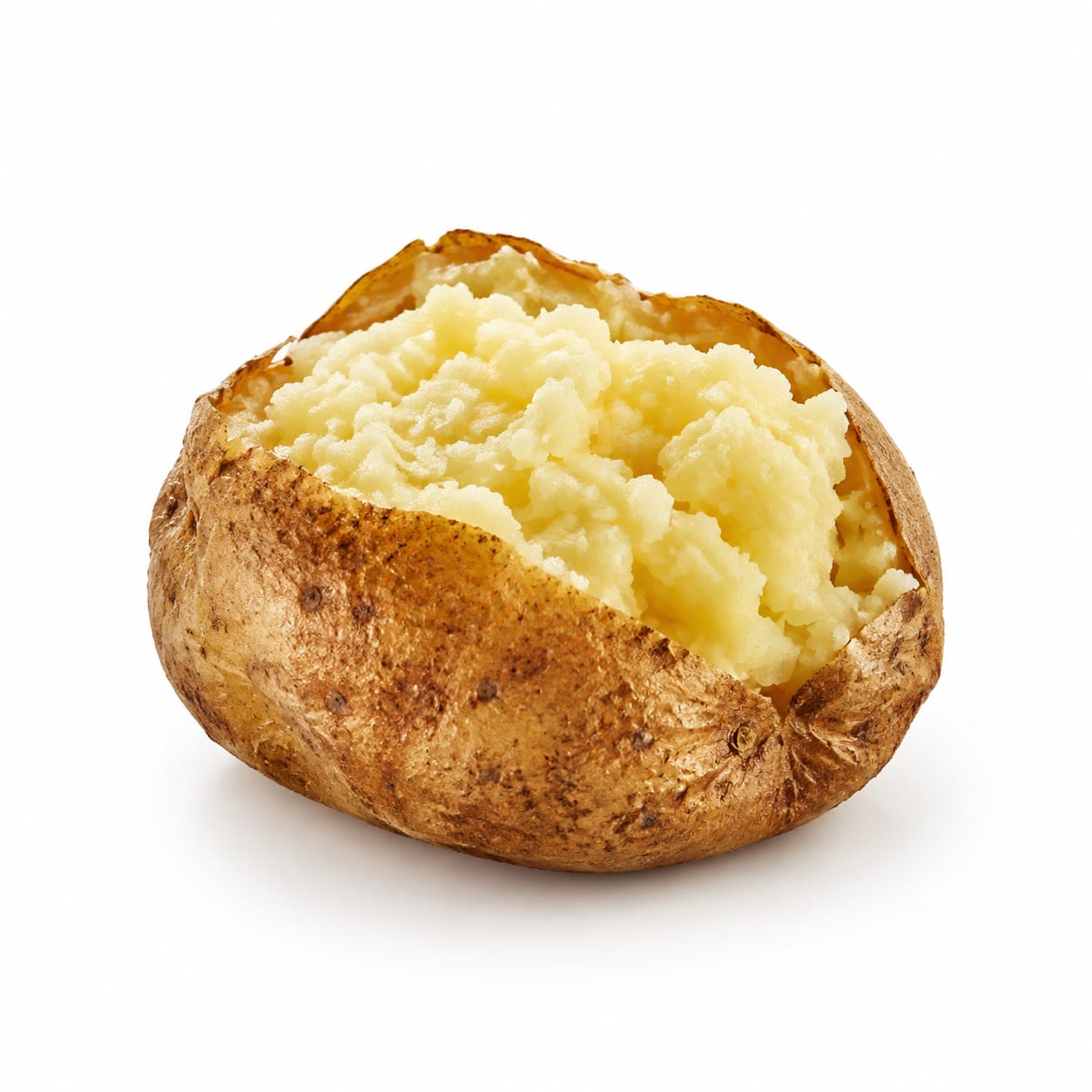
Russet Potato
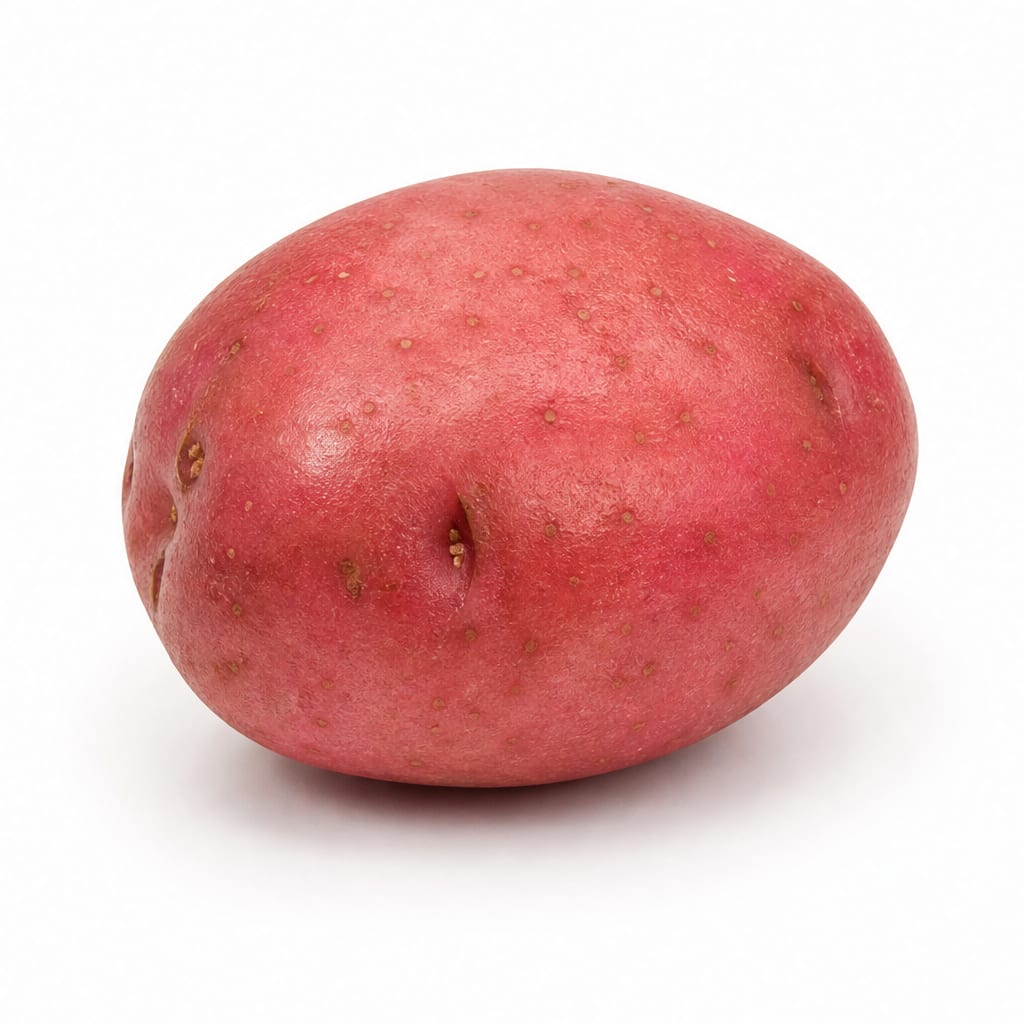
Red Potato
Red potatoes win for blood sugar stability and antioxidants; Russets win for potassium, fluffier texture, and classic baking.
Red potatoes score higher overall due to lower glycemic impact and antioxidant content, but Russets remain excellent for specific nutritional and culinary needs.
Russets deliver more potassium and a higher glycemic spike, while Red potatoes offer steadier energy and protective antioxidants from their colored skin.
At a glance
Executive summary
Overall
It depends
Healthier
Red Potato
More practical
It depends
Daily use
Red Potato
Key comparison lenses
blood sugar impact and glycemic control
Russet and Red potatoes differ significantly in glycemic index, making this the most consequential health difference for everyday eaters
antioxidant and phytonutrient content
Red potatoes contain anthocyanins from their pigmented skin that Russets lack entirely
cooking versatility and meal fit
Starch differences make each potato better suited for entirely different cooking methods and dishes
weight management and satiety
Lower GI of Red potatoes may help with steadier appetite control throughout the day
nutrient density per calorie
Both are nutritious but differ in which micronutrients they deliver most of
Best choice for
Russet Potato
- Athletes needing quick carb refueling after intense training
- Baking and mashed potato lovers wanting fluffy texture
- Those prioritizing potassium intake for blood pressure management
- People wanting higher vitamin B6 for energy metabolism
Red Potato
- People managing blood sugar or insulin resistance
- Anyone eating potatoes daily who wants steadier energy
- Roasting and salad preparations where shape retention matters
- Those seeking antioxidant variety from anthocyanins
Least suitable for
Russet Potato
- People with diabetes or prediabetes eating potatoes alone
- Those sensitive to blood sugar spikes and afternoon crashes
- Low-carb or keto-style eaters
Red Potato
- Recipes requiring fluffy, light texture like gnocchi or baked potatoes
- Athletes wanting fastest possible glycogen replenishment
- Those who dislike waxy potato textures
Deep comparison
Dimension by dimension
Each lens scores both foods and breaks down who each option suits.
- Dimension 1 · Priority 92Red Potato
Blood Sugar Stability
Russet Potato · 38Red Potato · 62Red potatoes cause a noticeably gentler blood sugar rise than Russets, making them the safer choice for sustained energy.
Tradeoff
Russets provide faster energy delivery, which helps athletes but hurts anyone watching their glycemic load.
Why it matters
The glycemic index gap between these two is large enough to feel in real life — think afternoon crash versus steady energy.
Real-world impact
Eating a Russet potato alone can feel like a sugar rush followed by a dip; Red potatoes keep you steadier for longer.
Russet Potato
- Post-workout recovery when fast carbs are desired
- Endurance athletes carb-loading before events
Better for
- Solo snacking without protein or fat to slow absorption
- Late-night eating when blood sugar spikes disrupt sleep
Worse for
Red Potato
- Anyone prone to energy crashes after carb-heavy meals
- Prediabetics and diabetics who still want potatoes
- Office workers wanting to avoid the 3pm slump
Better for
- Immediate post-exercise refueling where rapid glycogen restoration matters
Worse for
- Dimension 2 · Priority 78Red Potato
Antioxidant Content
Russet Potato · 30Red Potato · 72Red potato skin delivers anthocyanins — the same family of antioxidants found in blueberries — that Russets simply do not have.
Tradeoff
Russets compensate with more potassium and vitamin B6, but lack the protective pigment compounds of Red potatoes.
Why it matters
Anthocyanins reduce oxidative stress and inflammation over time, adding a small but meaningful long-term health advantage.
Real-world impact
Eating Red potatoes with the skin is like getting a mild antioxidant bonus with your carbs; Russets offer no such benefit.
Russet Potato
- Situations where potassium matters more than antioxidants
- Those already eating a varied colorful diet rich in anthocyanins elsewhere
Better for
- Long-term oxidative stress protection from potato consumption alone
Worse for
Red Potato
- People whose diet lacks colorful produce and antioxidant variety
- Anyone wanting small cumulative anti-inflammatory benefits from everyday foods
Better for
- Those who peel their Red potatoes, losing most of the anthocyanin advantage
Worse for
- Dimension 3 · Priority 70Red Potato
Satiety and Fullness
Russet Potato · 55Red Potato · 65Red potatoes keep you full slightly longer due to their lower glycemic response and denser waxy texture.
Tradeoff
Russets feel more filling immediately after eating because of their fluffier volume, but hunger returns sooner.
Why it matters
Feeling full longer means less snacking between meals and easier portion control without willpower battles.
Real-world impact
A Red potato lunch tends to hold you over until dinner; a Russet lunch may have you reaching for a snack by 4pm.
Russet Potato
- Big eaters who want maximum volume sensation per calorie
- Those who pair potatoes with protein and fat, which blunts the GI difference
Better for
- Solo meals where the faster digestion leads to earlier hunger
Worse for
Red Potato
- Weight-conscious eaters relying on potatoes as a staple carb
- Anyone trying to reduce between-meal snacking naturally
Better for
- Those who find waxy textures less satisfying and end up eating more
Worse for
- Dimension 4 · Priority 65It depends
Micronutrient Profile
Russet Potato · 62Red Potato · 58Russets deliver more potassium and vitamin B6; Red potatoes offer more vitamin C and antioxidant pigments — different strengths.
Tradeoff
Neither potato is a micronutrient powerhouse alone, but each contributes differently to a balanced diet.
Why it matters
Potassium helps blood pressure and muscle function; B6 supports energy metabolism; vitamin C aids immunity and iron absorption.
Real-world impact
If you need potassium for cramps or blood pressure, Russets are the better pick; for immune support and antioxidant coverage, choose Red.
Russet Potato
- Active individuals needing potassium for muscle cramp prevention
- Those not meeting daily potassium needs from other sources
Better for
- Vitamin C intake if potatoes are a primary vegetable
Worse for
Red Potato
- People wanting extra vitamin C from carb sources
- Those who eat the skin and want maximum micronutrient density per bite
Better for
- Potassium intake compared to what Russets provide
Worse for
- Dimension 5 · Priority 75It depends
Cooking Versatility
Russet Potato · 60Red Potato · 65Russets excel at baking, mashing, and frying; Red potatoes shine at roasting, boiling, and salads — each dominates different kitchens.
Tradeoff
Choosing based on cooking method matters more than nutrition for everyday enjoyment and consistency.
Why it matters
The best potato nutritionally is the one you actually enjoy cooking and eating regularly.
Real-world impact
Mashed potatoes demand Russets; potato salad demands Reds — substituting one for the other leads to disappointing results.
Russet Potato
- Baked potato nights with classic toppings
- Fluffy mashed potatoes and crispy french fries
- Making gnocchi or other dough-based potato dishes
Better for
- Potato salad — Russets turn grainy and fall apart when boiled and cooled
Worse for
Red Potato
- Roasted potato side dishes with crispy edges and creamy centers
- Hearty soups and stews where potatoes must hold their shape
- Cold potato salads and warm dinner salads
Better for
- Baking — Red potatoes stay dense and wet instead of getting fluffy
Worse for
- Dimension 6 · Priority 55It depends
Digestive Tolerance
Russet Potato · 50Red Potato · 55Both are generally well-tolerated, but Red potatoes' lower starch content and thinner skin may be gentler for sensitive stomachs.
Tradeoff
Russets' higher starch can cause bloating in some people, while Red potato skin may irritate those with specific sensitivities.
Why it matters
Potato tolerance varies widely by individual — starch sensitivity and fiber tolerance differ from person to person.
Real-world impact
If potatoes make you bloated, Red potatoes are worth trying first; if skin bothers you, peel either variety.
Russet Potato
- Those who peel their potatoes and want a milder fiber load
- People who find waxy textures harder to digest
Better for
- Starch-sensitive individuals prone to gas and bloating
Worse for
Red Potato
- Those sensitive to high-starch foods who experience bloating easily
- People who tolerate skin well and want gentler overall digestion
Better for
- Those with sensitive digestive tracts who react to potato skin fiber
Worse for
Timeline
Health impact over time
Short-term
Hours to days
Russet Potato
- Noticeable blood sugar rise within 30-60 minutes of eating, especially if consumed alone
- Quick energy availability useful for physical activity
- Possible sleepiness or energy dip 1-2 hours after a large serving without accompaniment
Red Potato
- More gradual blood sugar rise with a gentler peak
- Sustained energy without the sharp crash
- Slightly longer-lasting fullness compared to an equivalent Russet serving
Long-term
Months to years
Russet Potato
- Regular consumption without balancing foods may contribute to insulin resistance risk over time
- Excellent potassium source supporting cardiovascular health when prepared healthfully
- Higher glycemic load may accelerate appetite cycles if eaten as a dietary staple alone
Red Potato
- Anthocyanin intake from the skin provides cumulative anti-inflammatory benefits
- Lower glycemic pattern supports better long-term metabolic health
- Consistent antioxidant exposure may help protect against chronic low-grade inflammation
Risk profile
Safety & processing
Both Russet and Red potatoes are whole, minimally processed foods when purchased fresh. Concerns arise only from preparation methods — deep frying, heavy butter, or processed potato products — not the potatoes themselves.
Russet Potato
Solanine and chaconine toxicity from greening or sprouting
mediumRussets are more prone to greening under light exposure due to their larger surface area. Discard any green or sprouted areas thoroughly.
Acrylamide formation during high-heat cooking
mediumRussets' higher starch and sugar content produces more acrylamide when fried or baked at very high temperatures compared to Red potatoes.
Pesticide residue on skin
lowConventional Russets may carry pesticide residues on skin; washing thoroughly or choosing organic reduces exposure.
Red Potato
Solanine and chaconine toxicity from greening or sprouting
lowRed potatoes are somewhat less prone to greening but still require proper storage and inspection before eating.
Pesticide residue on skin
mediumSince Red potatoes are more often eaten with skin, pesticide exposure risk is slightly higher if conventionally grown. Washing or buying organic matters more here.
Acrylamide formation during high-heat cooking
lowLower starch content means Red potatoes produce less acrylamide when roasted or fried at high temperatures.
Who wins for whom
Audience fit
Same foods, different winners depending on your goal.
children
Red PotatoSteadier energy from Red potatoes avoids the sugar-rush-and-crash cycle that can affect kids' mood and focus, and the antioxidant content supports developing immune systems.
daily consumption
Red PotatoThe gentler blood sugar impact and antioxidant content make Red potatoes a more sustainable daily staple for most people.
diabetes
Red PotatoRed potatoes' lower glycemic index creates a smaller blood sugar spike, making them the clearly safer choice for glucose management.
elderly
Red PotatoLower glycemic load, antioxidant benefits, and easier portion control make Red potatoes more appropriate for aging metabolisms and cardiovascular health.
muscle gain
Russet PotatoHigher glycemic carbs from Russets drive insulin more effectively post-workout, supporting faster glycogen replenishment and muscle recovery.
weight loss
Red PotatoLower glycemic impact and slightly better satiety make Red potatoes easier to manage within a calorie-controlled diet.
Your move
Decision guide
Choose Russet Potato
- You are an athlete or highly active person who needs fast-digesting carbs after training
- You are making baked potatoes, mashed potatoes, or fries and want the best texture
- You specifically need more potassium in your diet for blood pressure or cramp management
- You find waxy potato textures unappealing and would skip potatoes entirely without fluffy options
Choose Red Potato
- You want steadier energy without the post-meal crash
- You are managing blood sugar, insulin resistance, or prediabetes
- You eat potatoes several times a week and want the healthiest daily default
- You roast, boil, or make potato salad more often than you bake or mash
- You want antioxidant benefits from the red skin pigment
Either works if
- You always pair potatoes with protein, healthy fat, and fiber — which blunts most glycemic differences
- You eat potatoes only occasionally and enjoy variety
- You are at a healthy weight with normal blood sugar and no metabolic concerns
Avoid both if
- You are following a strict low-carb or ketogenic diet
- You have a nightshade sensitivity that triggers inflammation or joint pain
- You only eat potatoes as french fries or loaded with heavy toppings that negate their nutritional value
Final recommendation
Make Red potatoes your everyday default for their steadier energy and antioxidant edge, but keep Russets in rotation for baking, mashing, and post-workout meals. The best potato is always the one prepared simply and enjoyed with balanced accompaniments.
Practical
Consumer tips
- 1
Always eat the skin on Red potatoes — that is where most antioxidants and fiber live
- 2
Pair either potato with protein and healthy fat to dramatically reduce the glycemic spike
- 3
Store both varieties in a cool, dark place — never the refrigerator, which converts starch to sugar and ruins texture
- 4
Cut away any green areas on potatoes thoroughly; solanine cannot be cooked away
- 5
Soak cut Russets in water for 30 minutes before roasting or frying to reduce acrylamide formation
- 6
Choose organic Red potatoes more often since you are more likely to eat the skin
- 7
If blood sugar is a concern, cool your cooked potatoes overnight — this creates resistant starch that lowers the glycemic response by up to 25%