
Nutrition comparison
Russet Potato vs Pasta: Which Carb is Healthier?
Compare Russet Potato vs Pasta for weight loss, blood sugar, and nutrients. Discover which starchy carb is better for your health goals and daily meals.
Overall winner · Russet Potato
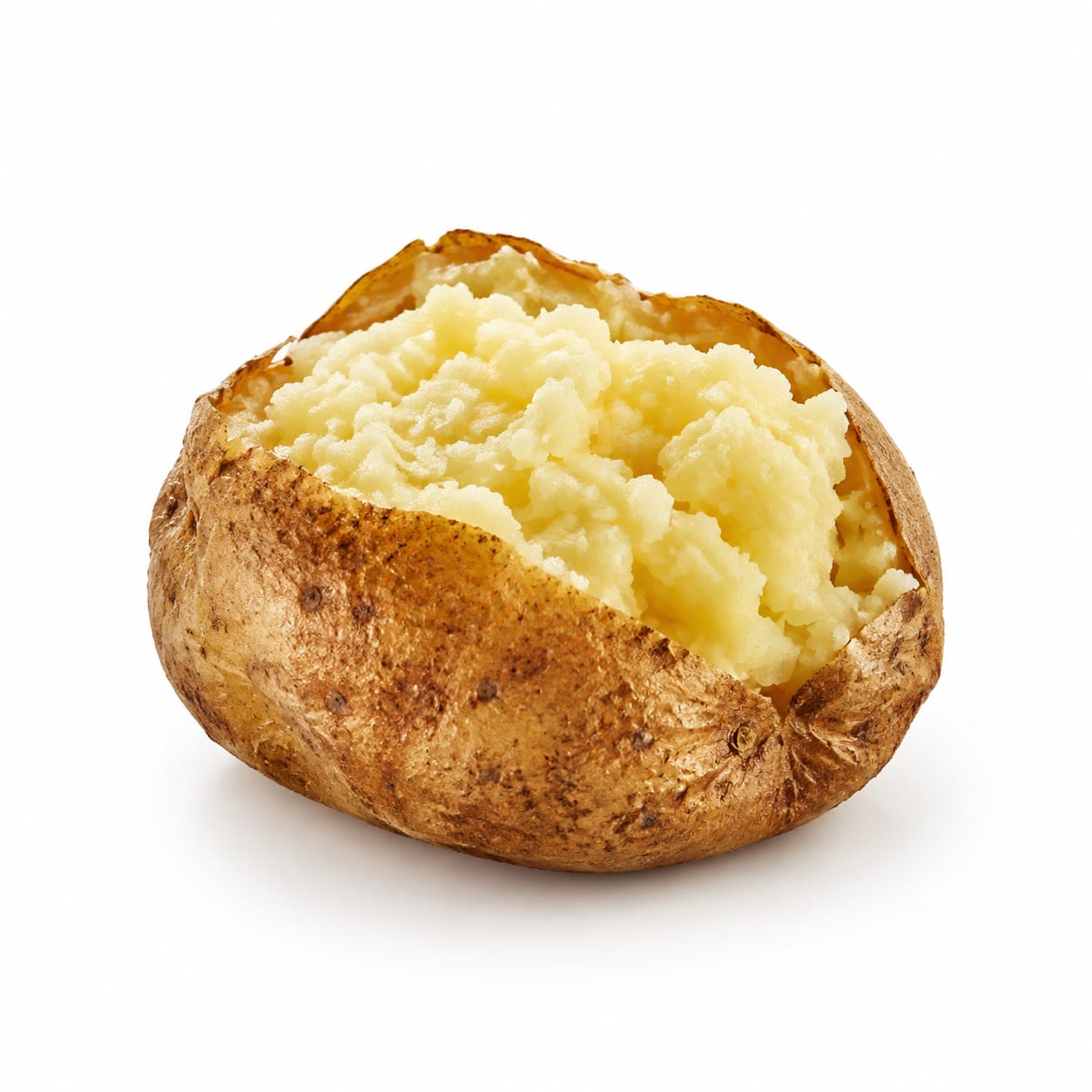
Russet Potato
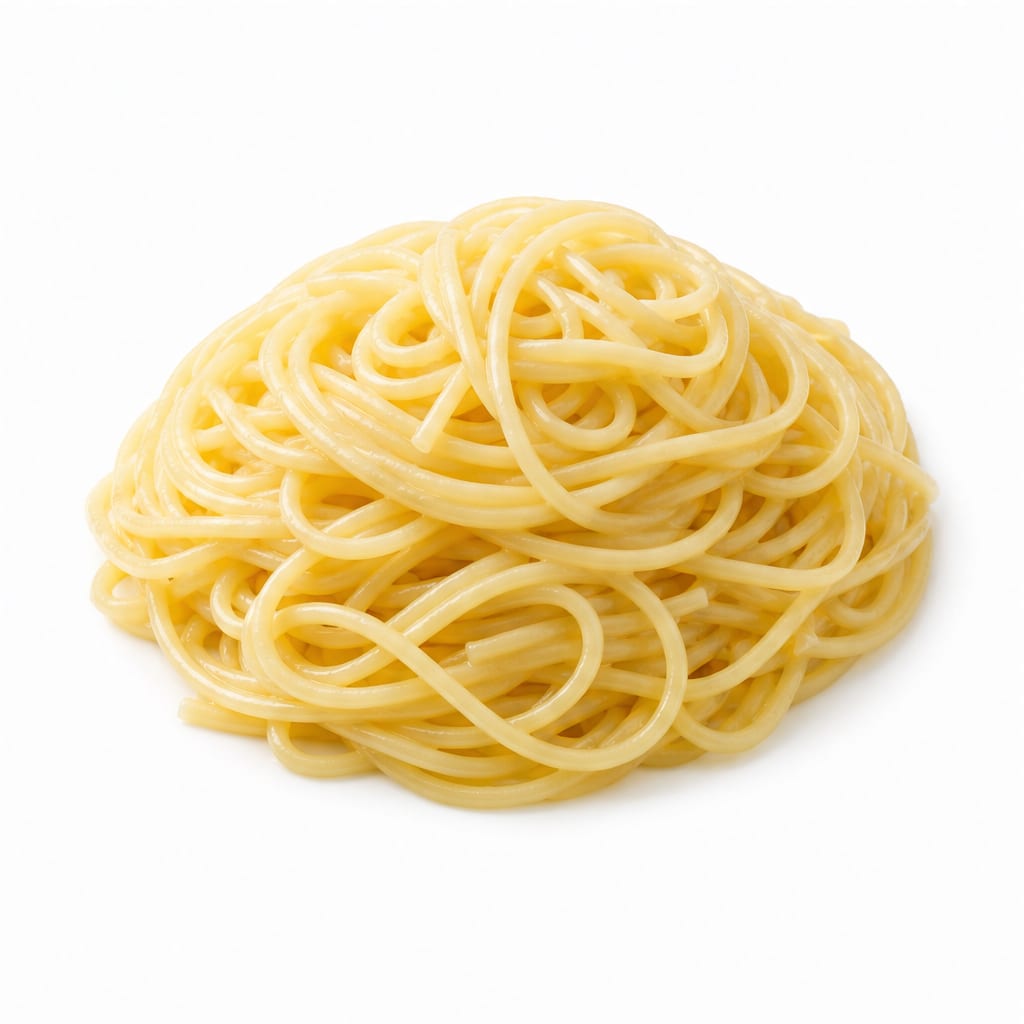
Pasta
Russet potatoes keep you fuller with more nutrients per calorie, while pasta is easier to store and cook but much easier to overeat.
Russet potatoes win on natural nutrition and satiety, making them a stronger choice for everyday health and weight management. Pasta scores lower due to heavy processing and high overeating potential, though it remains useful for quick energy and convenience.
Whole-food nutrition and supreme fullness versus shelf-stable convenience and a lower glycemic index per serving.
At a glance
Executive summary
Overall
Russet Potato
Healthier
Russet Potato
More practical
Pasta
Daily use
Russet Potato
Key comparison lenses
satiety and weight management
Potatoes are famously filling while pasta is notoriously easy to overeat
blood sugar impact
Both are dense starchy carbs, but they digest very differently depending on preparation
whole food vs processed carb
Users often wonder if the natural potato beats refined flour pasta for daily health
meal prep convenience
Shelf-stable pasta competes against perishable potatoes for weeknight practicality
Best choice for
Russet Potato
- people trying to lose weight
- those needing more potassium
- anyone seeking whole-food carbs
Pasta
- athletes needing quick carb loading
- busy families needing shelf-stable meals
- people wanting easy meal prep
Least suitable for
Russet Potato
- people strictly limiting all carbs
- those who dislike cooking from scratch
Pasta
- people prone to overeating carbs
- those seeking nutrient-dense calories
Deep comparison
Dimension by dimension
Each lens scores both foods and breaks down who each option suits.
- Dimension 1 · Priority 95Russet Potato
Satiety & Fullness
Russet Potato · 95Pasta · 55Russet potatoes rank highest on the satiety index of any food tested, while pasta is notoriously easy to overeat.
Tradeoff
You get way more fullness per calorie from potatoes, but pasta dishes often feel more comforting and indulgent.
Why it matters
If you want to eat less without feeling hungry, potatoes are a massive advantage.
Real-world impact
A medium baked potato fills you up for hours; a large plate of pasta leaves room for dessert.
Russet Potato
- weight loss
- appetite control
- large volume eating
Better for
- those who need calorie density to gain weight
Worse for
Pasta
- carb-loading before endurance events
- comfort meals
Better for
- portion control
- cutting calories
Worse for
- Dimension 2 · Priority 90Pasta
Blood Sugar Stability
Russet Potato · 55Pasta · 68Al dente pasta has a lower glycemic index than a baked russet potato, which causes a sharper blood sugar spike.
Tradeoff
Pasta digests more slowly when cooked firm, but potatoes can form resistant starch when cooled, improving their glycemic profile.
Why it matters
Avoiding blood sugar crashes helps control cravings and energy dips.
Real-world impact
A hot baked potato can cause an afternoon energy crash, while al dente pasta provides steadier energy.
Russet Potato
- post-workout recovery where quick glycogen refill is desired
Better for
- managing diabetes
- avoiding energy crashes
Worse for
Pasta
- sustained energy for long workdays
- diabetics seeking lower GI carbs
Better for
- immediate post-workout refueling
Worse for
- Dimension 3 · Priority 85Russet Potato
Micronutrient Density
Russet Potato · 78Pasta · 42Russet potatoes deliver significant potassium, vitamin C, and B6, while regular pasta is mostly empty carbs with added fortification.
Tradeoff
You get real vitamins and minerals from potatoes, whereas pasta relies on synthetic fortification to provide any nutritional value.
Why it matters
Getting nutrients from your carbs means better overall health without needing as many supplements.
Real-world impact
Eating potatoes helps hit your potassium goals for blood pressure control; pasta does not.
Russet Potato
- lowering blood pressure
- boosting immunity
- overall nutrient intake
Better for
- none significant
Worse for
Pasta
- iron deficiency (if eating enriched pasta)
Better for
- nutrient-deficient diets
- relying on food for vitamins
Worse for
- Dimension 4 · Priority 70Pasta
Convenience & Shelf Life
Russet Potato · 50Pasta · 85Dry pasta lasts for years in the pantry and cooks in 10 minutes, while potatoes spoil within weeks and take longer to bake.
Tradeoff
Pasta is a low-effort pantry staple, whereas potatoes require more planning and prep to use before they spoil.
Why it matters
Real life demands easy options; if a food is too hard to prep, you might just order takeout instead.
Real-world impact
Boiling pasta is foolproof on a busy Tuesday; baking a potato takes over an hour unless you microwave it.
Russet Potato
- meal prep with fresh ingredients
- batch cooking
Better for
- last-minute meals
- zero prep time situations
Worse for
Pasta
- quick weeknight dinners
- pantry stocking
- budget shopping
Better for
- fresh ingredient focused cooking
Worse for
Timeline
Health impact over time
Short-term
Hours to days
Russet Potato
- Quick energy boost
- High fullness immediately after eating
- Possible blood sugar spike if baked and eaten hot
Pasta
- Steady energy if eaten al dente
- Easy to overeat in one sitting
- Comforting and satisfying in the moment
Long-term
Months to years
Russet Potato
- Better blood pressure from potassium
- Easier weight maintenance due to high satiety
- Improved gut health if consumed with resistant starch
Pasta
- Potential weight gain from easy overconsumption
- Risk of metabolic issues if relying heavily on refined carbs
- Low contribution to overall micronutrient needs
Risk profile
Safety & processing
Russet potatoes are a whole food pulled straight from the ground. Pasta is a processed product made from milled flour, even if it contains minimal additives.
Russet Potato
Glycoalkaloid toxicity (solanine)
lowGreen spots or sprouts on potatoes contain solanine, which can cause digestive upset. Simply cut them away.
Acrylamide formation
mediumFrying or baking potatoes at high temperatures creates acrylamide, a potential carcinogen. Boiling avoids this.
Pasta
Gluten intolerance
mediumStandard pasta contains gluten, which triggers symptoms in those with celiac disease or gluten sensitivity.
Mycotoxin contamination
lowGrain-based products can occasionally harbor mycotoxins from mold, though strict regulations keep this rare.
Who wins for whom
Audience fit
Same foods, different winners depending on your goal.
children
PastaKids generally love pasta and it is an easy vehicle for hidden veggies and proteins, making mealtime less of a battle.
daily consumption
Russet PotatoAs a whole food with natural micronutrients and high satiety, potatoes support long-term health better than refined flour products.
diabetes
PastaAl dente pasta has a lower glycemic index than a baked russet potato, causing less dramatic blood sugar spikes.
elderly
Russet PotatoPotatoes are softer to chew, easier to digest, and provide crucial potassium for heart and muscle function in older adults.
muscle gain
PastaPasta provides dense, easy-to-consume carbohydrates that help hit high calorie and carb targets needed for muscle building.
weight loss
Russet PotatoRusset potatoes are incredibly filling per calorie, making it much easier to stay in a deficit without feeling deprived.
Your move
Decision guide
Choose Russet Potato
- You want to lose weight or control cravings
- You prioritize whole, unprocessed foods
- You need more potassium in your diet
- You are meal-prepping and want maximum fullness
Choose Pasta
- You need shelf-stable pantry meals
- You are an athlete carb-loading for performance
- You have picky eaters to feed
- You need dense calories to gain weight
Either works if
- You just need a comforting carb base for a meal
- You are pairing it with lean protein and veggies
Avoid both if
- You are on a strict ketogenic diet
- You have severe insulin resistance and need to minimize all starches
Final recommendation
Choose Russet potatoes for everyday health, weight management, and nutrient density. Opt for pasta when you need convenience, shelf stability, or dense carb fueling for athletics. When you eat pasta, watch your portions; when you eat potatoes, boil or cool them to optimize blood sugar.
Practical
Consumer tips
- 1
Cool your cooked potatoes in the fridge before eating to increase resistant starch, which feeds gut bacteria and lowers the glycemic impact.
- 2
Cook pasta al dente to keep its glycemic index low; mushy pasta digests faster and spikes blood sugar more.
- 3
Always cut away any green spots on Russet potatoes to avoid solanine toxicity.
- 4
Pair either carb with a healthy fat and protein like olive oil and chicken to slow digestion and stabilize energy.
- 5
Measure pasta before cooking—it is incredibly easy to accidentally cook two or three servings instead of one.