
Nutrition comparison
Russet Potato vs Cauliflower: Nutrition, Carbs, and Diet Comparison
Compare Russet Potato and Cauliflower to see which is better for weight loss, blood sugar, and energy. Learn the tradeoffs between carbs and calories.
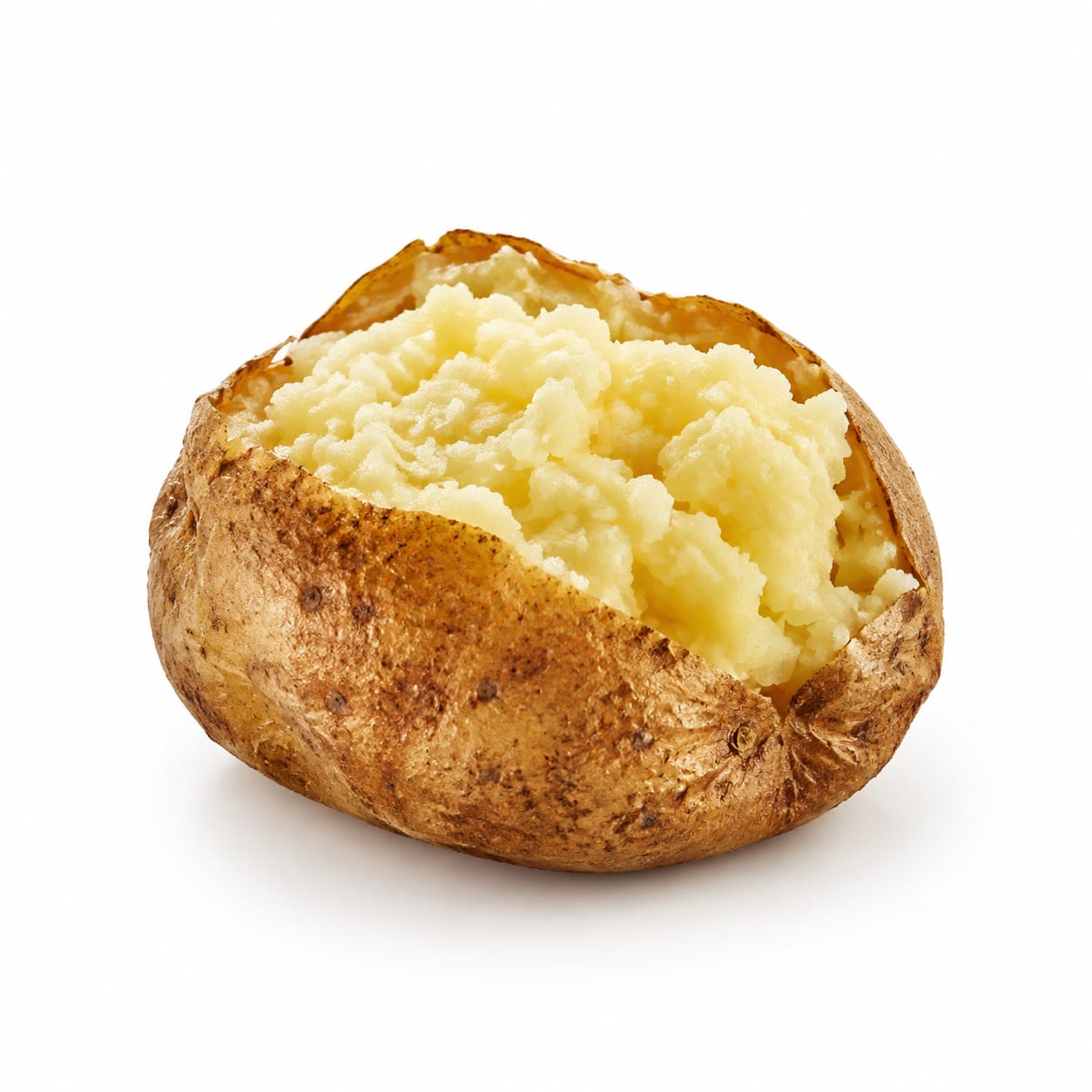
Russet Potato
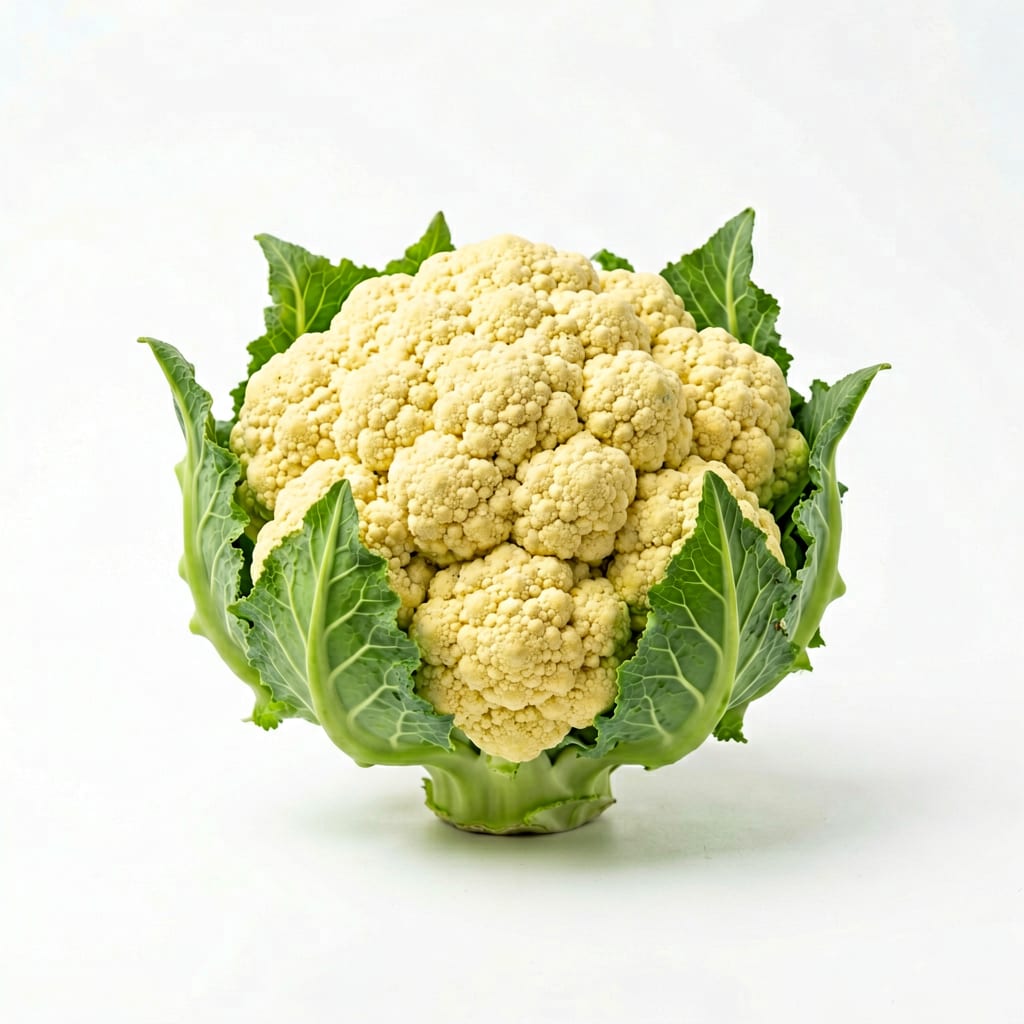
Cauliflower
Russet Potatoes fuel activity and keep you full, while Cauliflower keeps carbs and calories low for steady blood sugar.
Cauliflower scores higher overall due to its universal compatibility with metabolic health and weight management. Russet Potato scores well for specific populations needing cheap energy and high satiety, but its high glycemic impact lowers its general health score.
Sustained energy and high satiety from Russet Potatoes versus the blood sugar stability and low calorie density of Cauliflower.
At a glance
Executive summary
Overall
It depends
Healthier
Cauliflower
More practical
Russet Potato
Daily use
It depends
Key comparison lenses
carbohydrate management
The most defining difference is the high carb load of Russet Potato versus the ultra-low carb profile of Cauliflower, driving most dietary decisions between the two.
blood sugar control
Russet Potatoes have a high glycemic index causing rapid blood sugar spikes, while Cauliflower has minimal impact on glucose levels.
satiety and energy
Russet Potatoes are famously filling and provide sustained physical energy, whereas Cauliflower is light and less likely to fuel intense activity.
weight loss diet compatibility
Cauliflower is a staple low-calorie substitute, while Russet Potatoes are often restricted in weight loss diets despite their filling nature.
Best choice for
Russet Potato
- Athletes needing carb fuel before or after workouts
- People trying to gain healthy weight
- Those seeking the most filling food per calorie
- Budget-conscious shoppers needing cheap calories
Cauliflower
- Keto or low-carb dieters
- People managing type 2 diabetes
- Anyone cutting calories without shrinking portion sizes
- Those who snack late at night
Least suitable for
Russet Potato
- People with severe insulin resistance
- Those on a strict ketogenic diet
- Anyone prone to blood sugar crashes
Cauliflower
- Endurance athletes needing glycogen replenishment
- Growing children needing calorie-dense nutrition
- Those trying to overcome restrictive eating habits
Deep comparison
Dimension by dimension
Each lens scores both foods and breaks down who each option suits.
- Dimension 1 · Priority 95Cauliflower
Blood Sugar Stability
Russet Potato · 30Cauliflower · 95Cauliflower barely moves the needle on blood sugar, while Russet Potatoes cause rapid spikes.
Tradeoff
You sacrifice immediate energy for long-term metabolic calm by choosing Cauliflower over Russet Potatoes.
Why it matters
Frequent blood sugar spikes from Russet Potatoes can lead to energy crashes and increased cravings later in the day.
Real-world impact
Eating Russet Potatoes for lunch might leave you sleepy by 2 PM, whereas Cauliflower keeps your energy steady.
Russet Potato
- Post-workout recovery when insulin spike is beneficial
Better for
- Fighting sugar cravings
- Sustained desk-work focus
Worse for
Cauliflower
- Managing afternoon energy crashes
- Pre-diabetes and diabetes management
Better for
- Rapid glycogen replenishment after marathon training
Worse for
- Dimension 2 · Priority 85Russet Potato
Satiety and Fullness
Russet Potato · 92Cauliflower · 55Russet Potatoes rank among the most filling foods on the planet, while Cauliflower is light and less satisfying alone.
Tradeoff
Russet Potatoes keep you full for hours but pack more calories; Cauliflower lets you eat a huge volume but might leave you hungry soon after.
Why it matters
Staying full prevents overeating later, making Russet Potatoes surprisingly useful for weight management if portions are controlled.
Real-world impact
A baked Russet Potato can suppress hunger for hours, while a bowl of Cauliflower might have you reaching for a snack an hour later.
Russet Potato
- Getting through a long shift without eating
- Preventing evening binge eating
Better for
- Meals where you want to feel light and agile
Worse for
Cauliflower
- Light late-night snacking without feeling stuffed
- Eating large volumes on a cut
Better for
- Situations requiring sustained energy between meals
Worse for
- Dimension 3 · Priority 75Cauliflower
Micronutrient Density
Russet Potato · 65Cauliflower · 85Cauliflower delivers more vitamins per calorie, especially Vitamin C and K, while Russet Potatoes shine mainly in potassium.
Tradeoff
Russet Potatoes offer superior electrolytes for hydration, but Cauliflower provides broader antioxidant protection.
Why it matters
Vitamin C and glucosinolates in Cauliflower support cellular defense, while the potassium in Russet Potatoes helps with fluid balance and muscle cramps.
Real-world impact
Choosing Cauliflower boosts your immune defenses, while Russet Potatoes are better for preventing muscle cramps after sweating.
Russet Potato
- Replenishing potassium after heavy sweating
- Cramp prevention
Better for
- Maximizing vitamin variety per bite
Worse for
Cauliflower
- Boosting antioxidant intake
- Supporting liver detox pathways
Better for
- Electrolyte replenishment in hot weather
Worse for
- Dimension 4 · Priority 80Russet Potato
Athletic Energy and Fuel
Russet Potato · 90Cauliflower · 25Russet Potatoes are a powerhouse of usable carbohydrate energy; Cauliflower cannot fuel high-intensity performance.
Tradeoff
You must tolerate a blood sugar spike to get the high-octane fuel only Russet Potatoes can provide.
Why it matters
Muscles run on glycogen, and the starch in Russet Potatoes converts to glycogen rapidly and efficiently.
Real-world impact
Eating a Russet Potato before a race provides noticeable stamina, while Cauliflower would leave you feeling weak and underfueled.
Russet Potato
- Carb-loading before endurance events
- Fueling heavy lifting sessions
Better for
- Desk jobs with zero physical output
Worse for
Cauliflower
- Sedentary rest days with minimal energy output
Better for
- Competitive sports nutrition
Worse for
Timeline
Health impact over time
Short-term
Hours to days
Russet Potato
- Quick burst of physical energy
- Rapid satiety that kills hunger pangs
- Potential brain fog or sleepiness if eaten without protein or fat
Cauliflower
- Feeling light and unbloated after eating
- Stable mood and focus without a sugar crash
- Possibility of feeling hungry again quickly if eaten alone
Long-term
Months to years
Russet Potato
- Excellent for maintaining muscle mass and physical performance
- Risk of worsening insulin resistance if overconsumed without activity
- Reliable source of blood-pressure-lowering potassium
Cauliflower
- Supports long-term weight maintenance effortlessly
- Glucosinolates may lower inflammation and cancer risk
- Very low risk of metabolic issues over time
Risk profile
Safety & processing
Both are whole, unrefined vegetables in their natural state. The health differences come from their inherent macronutrient profiles, not industrial processing.
Russet Potato
Solanine toxicity
lowGreen spots or sprouts on Russet Potatoes contain solanine, a natural toxin that can cause digestive distress if eaten in large amounts.
Acrylamide formation
mediumFrying or baking Russet Potatoes at very high temperatures creates acrylamide, a potential carcinogen. Boiling or steaming avoids this.
Cauliflower
Pesticide residue
mediumCauliflower is prone to pest damage and is often heavily sprayed. It frequently appears on the Dirty Dozen list, making organic a smart choice.
Digestive discomfort
lowCruciferous vegetables like Cauliflower contain raffinose, which can cause gas and bloating in sensitive individuals, especially if eaten raw.
Who wins for whom
Audience fit
Same foods, different winners depending on your goal.
children
Russet PotatoKids need calorie-dense, palatable foods for growth, and Russet Potatoes are an easy, non-threatening way to provide energy and potassium.
daily consumption
CauliflowerCauliflower is safer to eat every day across various activity levels, while daily Russet Potatoes require consistent heavy physical activity to avoid metabolic downsides.
diabetes
CauliflowerCauliflower has almost no impact on blood sugar, making it a safe staple, whereas Russet Potatoes can cause dangerous glucose spikes.
elderly
CauliflowerOlder adults often need lower-calorie foods and have less active lifestyles, making Cauliflower ideal for maintaining weight without spiking blood sugar.
muscle gain
Russet PotatoRusset Potatoes provide the carbohydrate fuel necessary to train hard and the potassium needed for muscle contraction and recovery.
weight loss
CauliflowerCauliflower allows massive portion sizes for minimal calories, making it far easier to sustain a calorie deficit without feeling deprived.
Your move
Decision guide
Choose Russet Potato
- You are training hard and need real carb fuel
- You are on a tight budget and need filling calories
- You struggle with hunger and need the most satiating food possible
Choose Cauliflower
- You want to lose weight without eating tiny portions
- You need to keep your blood sugar flat and stable
- You are eating late at night or sitting at a desk all day
Either works if
- You want a neutral base for a healthy meal topping like lean chili
- You are meal prepping vegetables for the week
Avoid both if
- You have severe IBS and are sensitive to both starches and cruciferous fibers
Final recommendation
Let your activity level decide. Eat Russet Potatoes when you move hard and need the fuel; eat Cauliflower when you are resting and need the nutrients without the calories. If you love Russet Potatoes but want better blood sugar control, cook them, then chill them overnight to create resistant starch before reheating.
Practical
Consumer tips
- 1
Cool cooked Russet Potatoes in the fridge overnight before eating; this lowers their glycemic index by forming resistant starch.
- 2
Roast Cauliflower with olive oil and spices instead of boiling it to avoid the soggy, sulfurous taste many people hate.
- 3
If buying non-organic Cauliflower, soak it in a baking soda bath for 15 minutes to help remove surface pesticide residue.
- 4
Cut away any green patches on Russet Potatoes before cooking to avoid solanine bitterness and potential stomach upset.