
Nutrition comparison
Russet Potato vs Butternut Squash: Which is Healthier?
Compare Russet Potato vs Butternut Squash for weight loss, blood sugar, and nutrients. Learn which starchy side is best for your goals.
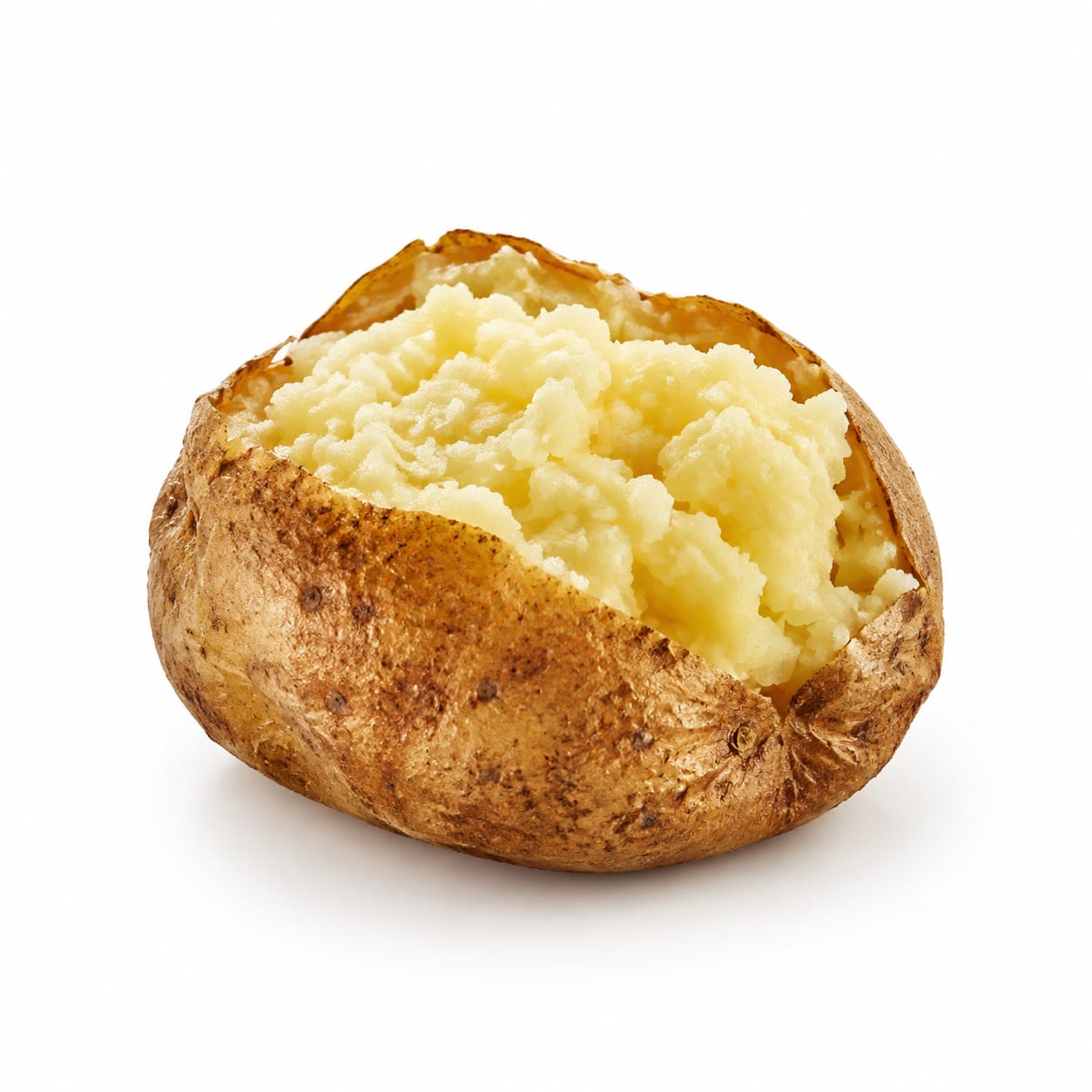
Russet Potato
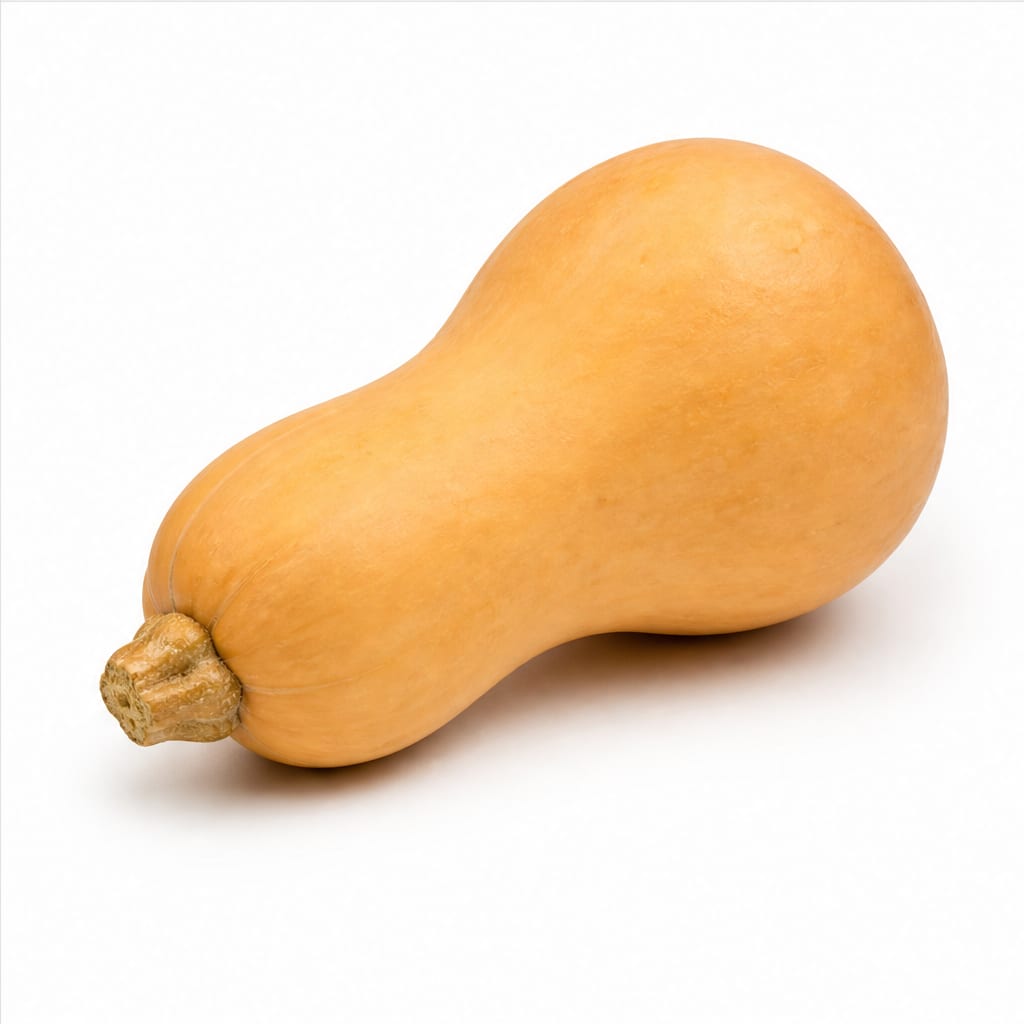
Butternut Squash
Butternut Squash offers steadier energy and massive vitamin A, while Russet Potato delivers superior fullness and potassium for a fraction of the price.
Butternut Squash scores slightly higher due to its lower glycemic impact and superior micronutrient profile, though Russet Potato remains a highly satiating and affordable staple.
Steady blood sugar and lower calories versus higher satiety and cheaper cost.
At a glance
Executive summary
Overall
It depends
Healthier
Butternut Squash
More practical
Russet Potato
Daily use
It depends
Key comparison lenses
Blood sugar impact and glycemic control
Russet Potatoes have a high glycemic index while Butternut Squash provides steadier energy, making this the most critical health differentiator.
Weight management and calorie density
Butternut Squash offers more volume for fewer calories, directly affecting portion control and satiety strategies.
Micronutrient prioritization
Butternut Squash is a vitamin A powerhouse, whereas Russet Potatoes excel in potassium, leading to different health outcomes.
Meal satiety and physical fullness
Russet Potatoes are famously filling, which is a major factor for those managing hunger on a calorie deficit.
Practicality and cost
Russet Potatoes are cheap and easy to prep, while Butternut Squash can be expensive and physically difficult to cut.
Best choice for
Russet Potato
- Post-workout glycogen replenishment
- Budget-friendly meal prep
- Maximizing fullness on a calorie deficit
Butternut Squash
- Steady energy throughout the day
- Boosting immune function via vitamin A
- Lower-calorie volume eating
Least suitable for
Russet Potato
- Strict low-carb diets
- Insulin resistance management
- Those avoiding nightshades
Butternut Squash
- High-calorie bulking phases
- Very tight grocery budgets
- Quick weeknight meals with minimal prep
Deep comparison
Dimension by dimension
Each lens scores both foods and breaks down who each option suits.
- Dimension 1 · Priority 95Butternut Squash
Blood Sugar Stability
Russet Potato · 40Butternut Squash · 82Butternut Squash has a significantly lower glycemic index, preventing the rapid spikes and crashes common with baked Russet Potatoes.
Tradeoff
Russet Potatoes provide quick energy for athletes but can trigger hunger soon after for sedentary individuals.
Why it matters
Stable blood sugar means fewer afternoon energy crashes and better appetite control.
Real-world impact
Eating Butternut Squash instead of a baked Russet Potato at lunch makes you far less likely to crave a snack at 3 PM.
Russet Potato
- Immediate post-workout glycogen replenishment
Better for
- Sitting at a desk all day
- Pre-diabetes management
Worse for
Butternut Squash
- Sustained energy during desk work
- Managing insulin resistance
Better for
- Refueling immediately after intense exercise
Worse for
- Dimension 2 · Priority 85Butternut Squash
Micronutrient Density
Russet Potato · 65Butternut Squash · 90Butternut Squash is a vitamin A powerhouse, while Russet Potatoes excel mainly in potassium and vitamin B6.
Tradeoff
You get massive antioxidant support from Butternut Squash, but Russet Potatoes are better for electrolyte balance and hydration.
Why it matters
Vitamin A is crucial for skin, vision, and immunity, while potassium helps with cramping and blood pressure.
Real-world impact
Adding Butternut Squash to your diet visibly supports immune health during winter, while Russet Potatoes help prevent muscle cramps after sweating.
Russet Potato
- Electrolyte replenishment
- Blood pressure regulation
Better for
- Correcting vitamin A deficiency
Worse for
Butternut Squash
- Immune system support
- Eye health and skin repair
Better for
- Recovering from heavy sweating or dehydration
Worse for
- Dimension 3 · Priority 80Russet Potato
Satiety and Fullness
Russet Potato · 92Butternut Squash · 75Russet Potatoes rank among the most filling foods on the planet, beating Butternut Squash by a wide margin.
Tradeoff
You feel significantly fuller after eating Russet Potatoes, but that fullness might be accompanied by a blood sugar crash later if eaten alone.
Why it matters
Higher satiety means you naturally eat less at subsequent meals, aiding weight management.
Real-world impact
A medium baked Russet Potato at dinner makes you far less likely to reach for late-night snacks compared to a serving of Butternut Squash.
Russet Potato
- Staying full on a calorie deficit
- Satisfying big appetites
Better for
- Those who prefer light, easily digestible meals
Worse for
Butternut Squash
- Lighter meals before activity
- Smaller appetites
Better for
- People who struggle with constant hunger
Worse for
- Dimension 4 · Priority 90Butternut Squash
Calorie Density and Weight Loss
Russet Potato · 65Butternut Squash · 85Butternut Squash provides more volume and fiber for fewer calories, making it easier to eat larger portions without overconsuming.
Tradeoff
Russet Potatoes are more calorie-dense, which is great for bulking but requires strict portion control for cutting.
Why it matters
Lower calorie density allows you to eat satisfying portions while staying in a deficit.
Real-world impact
You can eat a heaping cup of roasted Butternut Squash for roughly the same calories as a modest medium Russet Potato.
Russet Potato
- Gaining weight healthily
- Fueling active teenagers
Better for
- Strict calorie counting
Worse for
Butternut Squash
- Cutting calories without feeling deprived
- Volume eating strategies
Better for
- High-calorie bulking diets
Worse for
- Dimension 5 · Priority 75Russet Potato
Practicality and Cost
Russet Potato · 92Butternut Squash · 65Russet Potatoes are incredibly cheap, store for weeks, and require minimal prep. Butternut Squash is pricier and notoriously difficult to peel and chop.
Tradeoff
You save money and prep time with Russet Potatoes, but miss out on the sweeter, more nutrient-dense profile of Butternut Squash.
Why it matters
Convenience heavily dictates what people actually cook on busy weeknights.
Real-world impact
Pricking a Russet Potato with a fork and microwaving it takes 5 minutes; dicing a raw Butternut Squash can feel like an arm workout.
Russet Potato
- Quick weeknight dinners
- Feeding a family on a budget
Better for
- Gourmet dining experiences
Worse for
Butternut Squash
- Holiday meals
- Weekend meal prep
Better for
- Exhausted weeknights
- Minimal prep time
Worse for
Timeline
Health impact over time
Short-term
Hours to days
Russet Potato
- Rapid energy boost
- High satiety immediately after eating
- Potential blood sugar crash within 2 hours if eaten alone
Butternut Squash
- Steady, calm energy
- Feeling light but satisfied
- No sugar crash
Long-term
Months to years
Russet Potato
- Excellent for maintaining healthy blood pressure via potassium
- Risk of weight gain if fried or loaded with butter
- Potential blood sugar dysregulation if overconsumed
Butternut Squash
- Strong immune support from high vitamin A
- Better long-term blood sugar management
- Supports healthy skin and vision
Risk profile
Safety & processing
Both Russet Potatoes and Butternut Squash are whole, unprocessed foods you can buy in the produce aisle. The only additive risk comes from how you prepare them.
Russet Potato
Solanine toxicity
lowGreen spots on Russet Potatoes indicate solanine buildup, which can cause digestive distress. Simply cut away any green areas before cooking.
Acrylamide formation
mediumFrying or baking Russet Potatoes at very high temperatures creates acrylamide, a potential carcinogen. Boiling or steaming avoids this.
Butternut Squash
Pesticide residue
lowWhile the thick skin protects the flesh, conventionally grown Butternut Squash can still carry trace pesticides on the exterior.
Who wins for whom
Audience fit
Same foods, different winners depending on your goal.
children
It dependsKids often love the sweet taste of Butternut Squash, but Russet Potatoes are an easy, reliable way to get potassium into picky eaters.
daily consumption
It dependsButternut Squash is better for daily metabolic health, but Russet Potatoes are more practical and affordable for everyday meals.
diabetes
Butternut SquashThe lower glycemic index and higher fiber-to-carb ratio of Butternut Squash make it much safer for blood sugar management.
elderly
Butternut SquashButternut Squash is gentler on blood sugar and provides abundant vitamin A for aging immune systems and eyesight.
muscle gain
Russet PotatoRusset Potatoes provide dense, starchy carbs that rapidly replenish glycogen, which is crucial for heavy training.
weight loss
Butternut SquashButternut Squash offers lower calorie density and a lower glycemic impact, making it easier to control portions and cravings.
Your move
Decision guide
Choose Russet Potato
- You need quick post-workout carb replenishment
- You are on a tight grocery budget
- You want maximum fullness to prevent overeating later
- You are meal-prepping for a physically demanding job
Choose Butternut Squash
- You want steady energy without a mid-afternoon crash
- You are actively managing your blood sugar or weight
- You want to boost your vitamin A and antioxidant intake
- You prefer sweeter, more flavorful side dishes
Either works if
- You need a whole-food carb source for a balanced dinner plate
- You are tired of rice and pasta and want a nutritious vegetable base
Avoid both if
- You are on a strict ketogenic diet
- You have a severe carbohydrate intolerance
Final recommendation
Choose Butternut Squash for better metabolic health and nutrient density, but don't fear the Russet Potato if you need affordable, filling energy—just pair it with protein and healthy fats to blunt the blood sugar spike.
Practical
Consumer tips
- 1
Keep the skin on Russet Potatoes to triple your fiber intake.
- 2
Microwave Butternut Squash for 3 minutes before peeling to make cutting significantly easier.
- 3
Pair Russet Potatoes with a protein source like Greek yogurt or chicken to avoid the carb crash.
- 4
Buy pre-cubed Butternut Squash if you value convenience over cost.
- 5
Boil or steam Russet Potatoes instead of frying to avoid acrylamide formation.