
Nutrition comparison
Romaine Lettuce vs Swiss Chard: Which Green Is Healthier?
Swiss Chard delivers far more vitamins and minerals per serving, but Romaine Lettuce is safer for kidney health and easier to eat in large amounts. Compare nutrition, oxalate risk, and best uses.
Overall winner · Swiss Chard
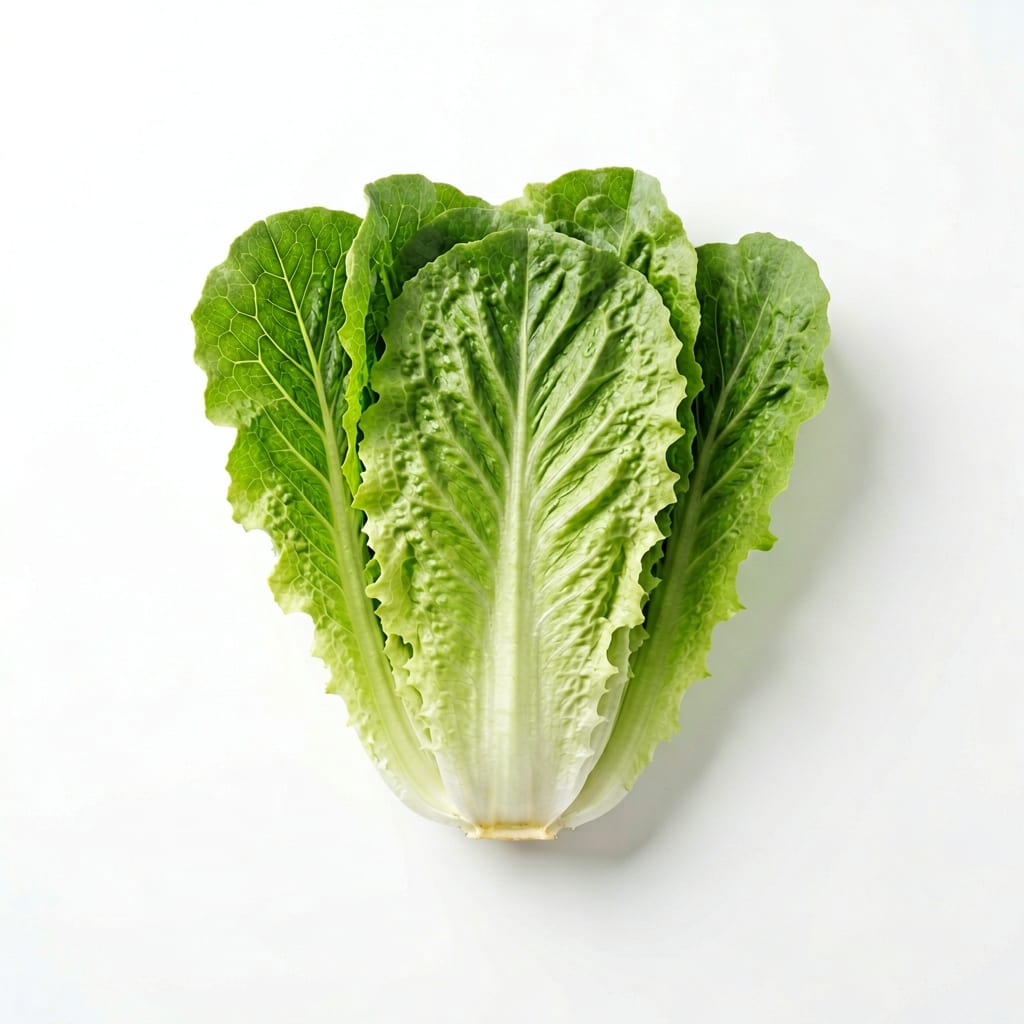
Romaine Lettuce
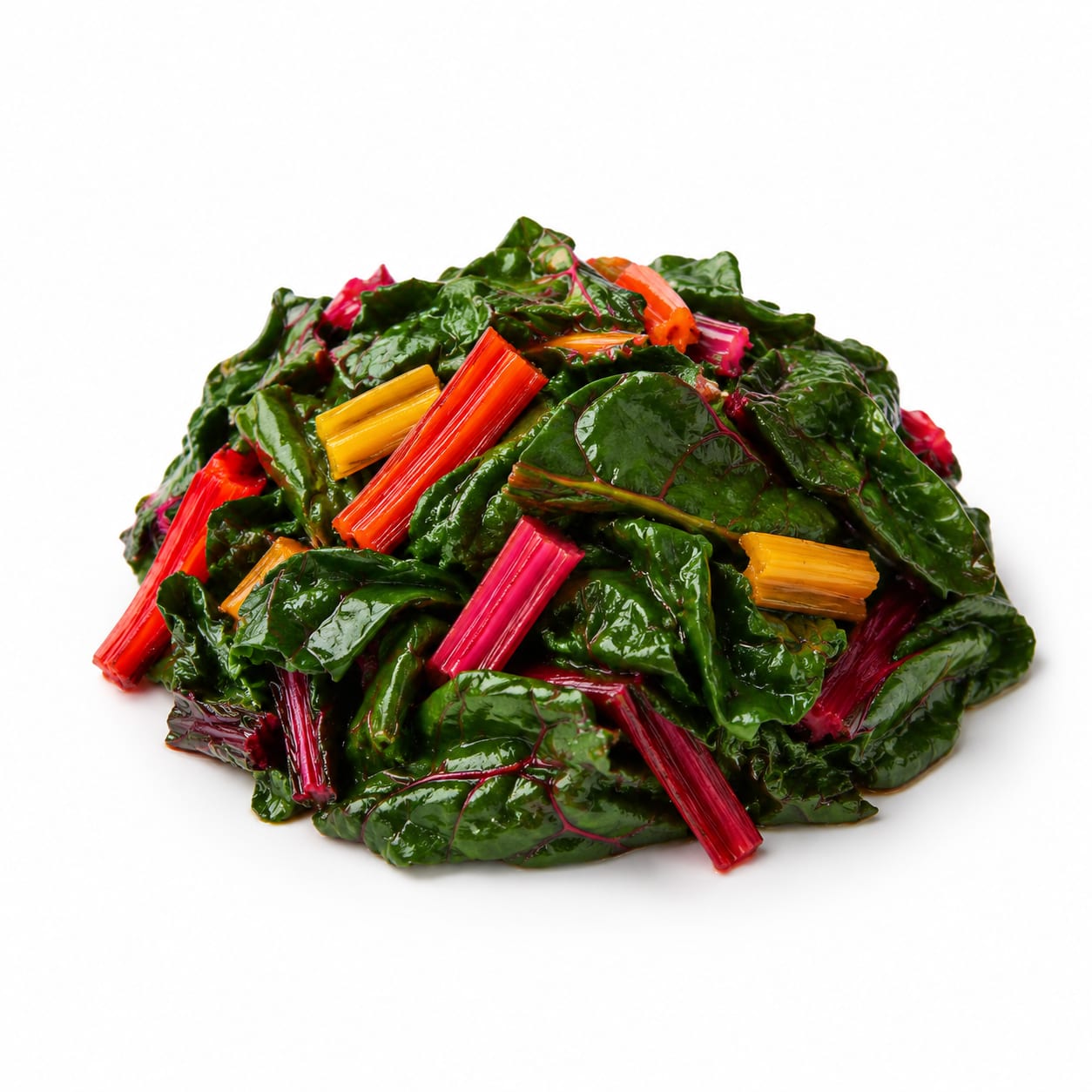
Swiss Chard
Swiss Chard delivers far more nutrition per bite, but Romaine is safer for kidney health and easier to eat in large quantities.
Swiss Chard scores notably higher due to its superior vitamin K, magnesium, iron, and antioxidant content. Romaine remains valuable for its low oxalate load, mild flavor, and higher consumption volume, but it simply cannot match Swiss Chard's nutritional density.
Nutritional firepower versus oxalate risk and eating comfort. Swiss Chard loads you with vitamins and minerals; Romaine lets you eat freely without worrying about kidney stones.
At a glance
Executive summary
Overall
Swiss Chard
Healthier
Swiss Chard
More practical
Romaine Lettuce
Daily use
It depends
Key comparison lenses
nutrient density comparison
Swiss Chard dramatically outperforms Romaine in vitamins and minerals per calorie, making this the central tradeoff
oxalate and kidney stone risk
Swiss Chard is high in oxalates while Romaine is low, a critical safety distinction for susceptible individuals
everyday salad base selection
Both are commonly used as salad greens, so practical eating experience matters greatly
digestive tolerance
Romaine is gentler on digestion; Swiss Chard's fiber and oxalates can bother sensitive stomachs
food safety contamination
Romaine has had notable E. coli outbreaks, while Swiss Chard has a cleaner safety record recently
Best choice for
Romaine Lettuce
- People prone to kidney stones
- Those wanting a mild, crunchy salad base they can eat in large volumes
- Anyone with sensitive digestion who finds leafy greens irritating
- Families needing a kid-friendly green
Swiss Chard
- Anyone maximizing nutrient intake per calorie
- People with iron or magnesium deficiency
- Those seeking powerful antioxidants like betalains
- Older adults needing vitamin K for bone health
Least suitable for
Romaine Lettuce
- Anyone relying on greens as a significant mineral source
- People treating iron deficiency through diet
- Those wanting antioxidant-dense meals
Swiss Chard
- People with a history of calcium oxalate kidney stones
- Anyone on blood thinners who must limit vitamin K
- Those who find bitter greens unpalatable and would skip salads entirely
Deep comparison
Dimension by dimension
Each lens scores both foods and breaks down who each option suits.
- Dimension 1 · Priority 95Swiss Chard
nutrient_density
Romaine Lettuce · 35Swiss Chard · 92Swiss Chard is in a different league nutritionally, offering dramatically more vitamin K, magnesium, potassium, and iron per serving.
Tradeoff
You get far more nutrition from Swiss Chard, but its stronger flavor means you may eat less of it overall.
Why it matters
If greens are your primary vegetable source, Swiss Chard ensures you actually get meaningful amounts of key minerals.
Real-world impact
A single cup of cooked Swiss Chard covers over 300% of your vitamin K needs; Romaine covers about 40%.
Romaine Lettuce
- Eating large volumes comfortably without feeling stuffed
Better for
- Anyone counting on greens for iron or magnesium
Worse for
Swiss Chard
- Correcting mineral deficiencies
- Maximizing nutrition on a low-calorie diet
- Getting substantial vitamin K and magnesium
Better for
- Situations where you want to eat a massive salad bowl
Worse for
- Dimension 2 · Priority 85Romaine Lettuce
oxalate_and_kidney_safety
Romaine Lettuce · 90Swiss Chard · 30Romaine is very low in oxalates, making it safe for kidney stone sufferers. Swiss Chard is one of the highest-oxalate greens available.
Tradeoff
Swiss Chard's mineral richness comes paired with oxalates that bind calcium and can form stones in susceptible people.
Why it matters
For the roughly 10% of people who get kidney stones, this is not a minor detail—it is a deciding factor.
Real-world impact
If you have had calcium oxalate stones, eating Swiss Chard regularly could contribute to recurrence. Romaine is the safer daily green.
Romaine Lettuce
- Anyone with kidney stone history
- People who consume large amounts of greens daily and want low oxalate intake
- Those concerned about calcium absorption interference
Better for
- No real downside here—Romaine's low oxalate level is universally safer
Worse for
Swiss Chard
- People without oxalate sensitivity who want maximum mineral intake
Better for
- Kidney stone formers must limit or avoid Swiss Chard
- High oxalate intake can reduce calcium absorption from meals
Worse for
- Dimension 3 · Priority 75Swiss Chard
antioxidant_profile
Romaine Lettuce · 30Swiss Chard · 88Swiss Chard contains unique betalain pigments with potent anti-inflammatory properties that Romaine simply does not offer.
Tradeoff
The colorful stems and leaves of Swiss Chard are functional medicine; Romaine's pale crunch is mostly water and modest vitamins.
Why it matters
Betalains support cellular defense against oxidative stress, which matters for long-term inflammation management.
Real-world impact
Regular Swiss Chard consumption contributes meaningfully to your antioxidant intake; Romaine contributes minimally.
Romaine Lettuce
- No specific antioxidant advantage
Better for
- Anyone specifically seeking anti-inflammatory food choices
Worse for
Swiss Chard
- Reducing chronic inflammation
- Supporting liver detoxification pathways
- Adding visual variety to meals which correlates with broader nutrient intake
Better for
- No real antioxidant downside
Worse for
- Dimension 4 · Priority 70Romaine Lettuce
palatability_and_eating_volume
Romaine Lettuce · 85Swiss Chard · 55Romaine's mild crunch makes it easy to eat in large quantities. Swiss Chard's earthy bitterness limits volume for many people.
Tradeoff
The green that is easier to eat more of delivers fewer nutrients per bite. The nutrient powerhouse is harder to enjoy in bulk.
Why it matters
Nutrition only matters if you actually eat it. A huge Romaine salad may deliver more total nutrients than a small portion of Swiss Chard you force down.
Real-world impact
You can easily eat three cups of Romaine in a lunch salad; getting through three cups of raw Swiss Chard takes real effort.
Romaine Lettuce
- Building big satisfying salads
- People who dislike bitter flavors
- Kids and picky eaters
- Meal prep where greens need to stay crisp
Better for
- Anyone wanting bold flavor from their greens
Worse for
Swiss Chard
- Cooked preparations where bitterness mellows
- Soups and sautés where flavor depth is welcome
Better for
- Raw salad applications for most palates
- Getting children to eat greens willingly
Worse for
- Dimension 5 · Priority 70Romaine Lettuce
digestive_tolerance
Romaine Lettuce · 80Swiss Chard · 50Romaine is gentler on the digestive system. Swiss Chard's fiber and oxalates can cause discomfort in sensitive individuals.
Tradeoff
The more nutritious green is also the more likely to cause bloating or stomach upset when eaten in quantity.
Why it matters
If eating greens causes discomfort, you will eat fewer greens overall—defeating the purpose.
Real-world impact
People with IBS or sensitive digestion often tolerate Romaine well but report gas or cramping from Swiss Chard.
Romaine Lettuce
- IBS sufferers
- People transitioning to eating more vegetables
- Anyone with a sensitive stomach
Better for
- No significant digestive downside
Worse for
Swiss Chard
- Those with robust digestion who tolerate high-fiber greens well
Better for
- Can cause bloating when eaten raw in large amounts
- Oxalates may irritate sensitive digestive tracts
Worse for
- Dimension 6 · Priority 65Swiss Chard
food_safety_contamination_risk
Romaine Lettuce · 45Swiss Chard · 80Romaine has been linked to multiple E. coli outbreaks in recent years. Swiss Chard has a notably cleaner safety record.
Tradeoff
The green you see everywhere in grocery stores has had more contamination events than the less common alternative.
Why it matters
While serious illness is rare, the risk is real and has caused repeated nationwide recalls of Romaine.
Real-world impact
Between 2018 and 2020, multiple Romaine recalls occurred. Washing helps but does not eliminate risk from internalized contamination.
Romaine Lettuce
- No safety advantage in this dimension
Better for
- Higher historical contamination risk
- Requires more careful sourcing and washing
Worse for
Swiss Chard
- Lower risk of foodborne illness
- Fewer recalls and supply chain contamination events
- Peace of mind for immunocompromised individuals
Better for
- No significant safety downside
Worse for
Timeline
Health impact over time
Short-term
Hours to days
Romaine Lettuce
- Light hydration from high water content
- Easy digestion with minimal bloating
- Mild satisfaction—unlikely to cause fullness on its own
Swiss Chard
- Noticeable nutrient boost even from a single serving
- Possible mild stomach discomfort if eaten raw in large amounts
- Slight diuretic effect from potassium content
Long-term
Months to years
Romaine Lettuce
- Consistent low-calorie hydration support
- Adequate but not impressive vitamin K and folate intake
- Kidney-safe for stone-forming individuals
Swiss Chard
- Significantly improved magnesium and iron status
- Stronger bone density support from high vitamin K
- Potential kidney stone risk if consumed excessively by susceptible individuals
- Better inflammatory marker profiles from betalain antioxidants
Risk profile
Safety & processing
Both Romaine Lettuce and Swiss Chard are whole, unprocessed vegetables with no additive concerns. Choose organic when possible to reduce pesticide exposure for both.
Romaine Lettuce
E. coli contamination
mediumRomaine has been linked to multiple multistate E. coli outbreaks, primarily from Central Coast growing regions. Washing reduces but does not eliminate risk.
Pesticide residue
lowRomaine typically appears on the middle tier of pesticide residue lists. Choosing organic reduces this concern.
Swiss Chard
Oxalate-related kidney stones
mediumSwiss Chard contains very high levels of oxalates. For people with calcium oxalate stone history, regular consumption increases recurrence risk.
Vitamin K interaction with blood thinners
mediumExtremely high vitamin K content can interfere with warfarin and other anticoagulants. Consistent intake patterns are essential for those on these medications.
Pesticide residue
lowSwiss Chard is generally moderate in pesticide residue. Organic options are widely available.
Who wins for whom
Audience fit
Same foods, different winners depending on your goal.
children
Romaine LettuceRomaine's mild flavor and satisfying crunch make it far more likely that children will actually eat it. Nutrition only works if consumed.
daily consumption
It dependsRomaine is safer for daily use if you have kidney stone risk. Swiss Chard is better for daily use if you want maximum nutritional benefit and have no oxalate concerns.
diabetes
Swiss ChardSwiss Chard's higher fiber and magnesium content supports better blood sugar regulation. Both are excellent low-glycemic choices.
elderly
Swiss ChardSwiss Chard's exceptional vitamin K and magnesium content supports bone density and cardiovascular health, both critical concerns for older adults—provided kidney function is normal.
muscle gain
Swiss ChardSwiss Chard provides more magnesium and potassium, both critical for muscle function and recovery. Neither is a protein source.
weight loss
Swiss ChardSwiss Chard's higher fiber and nutrient density provide more satiety per calorie, though Romaine's low calorie count also supports weight loss through volume eating.
Your move
Decision guide
Choose Romaine Lettuce
- You have a history of kidney stones
- You want a mild green you can eat in large volumes daily
- You are feeding children or picky eaters
- You have sensitive digestion that reacts to bitter or fibrous greens
- You need a reliable salad base for meal prep
Choose Swiss Chard
- You want the most nutrient-dense green possible
- You are working to correct iron or magnesium deficiency
- You have no kidney stone history and want maximum health benefit
- You enjoy cooking greens and prefer sautéed or souped preparations
- You want potent anti-inflammatory antioxidants in your diet
Either works if
- You simply want more vegetables in your diet and enjoy both
- You rotate greens regularly to diversify nutrient intake
- You are healthy with no specific oxalate or digestive concerns
Avoid both if
- You are on a strict vitamin K restriction due to blood thinners—consult your doctor about portion limits
- You have severe oral allergy syndrome triggered by raw greens
Final recommendation
Eat both. Use Romaine as your everyday raw salad base for volume and crunch, and add cooked Swiss Chard a few times per week for its exceptional nutrient density. This combination gives you the safety and palatability of Romaine with the mineral and antioxidant power of Swiss Chard—without overloading on oxalates.
Practical
Consumer tips
- 1
Boiling Swiss Chard and discarding the water reduces oxalate content by 30-50%, making it safer for kidney stone sufferers
- 2
Pair Swiss Chard with a calcium-rich food like cheese—calcium binds oxalates in the gut before they reach the kidneys
- 3
Romaine hearts last longer in the fridge than outer leaves—store them unwashed in a damp towel
- 4
Swiss Chard stems are edible and nutritious—slice them thin and sauté before adding the leaves
- 5
Rotate your greens weekly: Romaine, Swiss Chard, spinach, arugula. Diversity beats any single choice
- 6
If you have had kidney stones, limit Swiss Chard to once per week and always cook it