
Nutrition comparison
Romaine Lettuce vs Green Leaf Lettuce: Nutrition, Safety, and Taste Compared
Romaine Lettuce delivers more vitamins and crunch, but Green Leaf Lettuce has a better food safety record and softer texture. Learn which lettuce fits your needs.
Overall winner · Romaine Lettuce
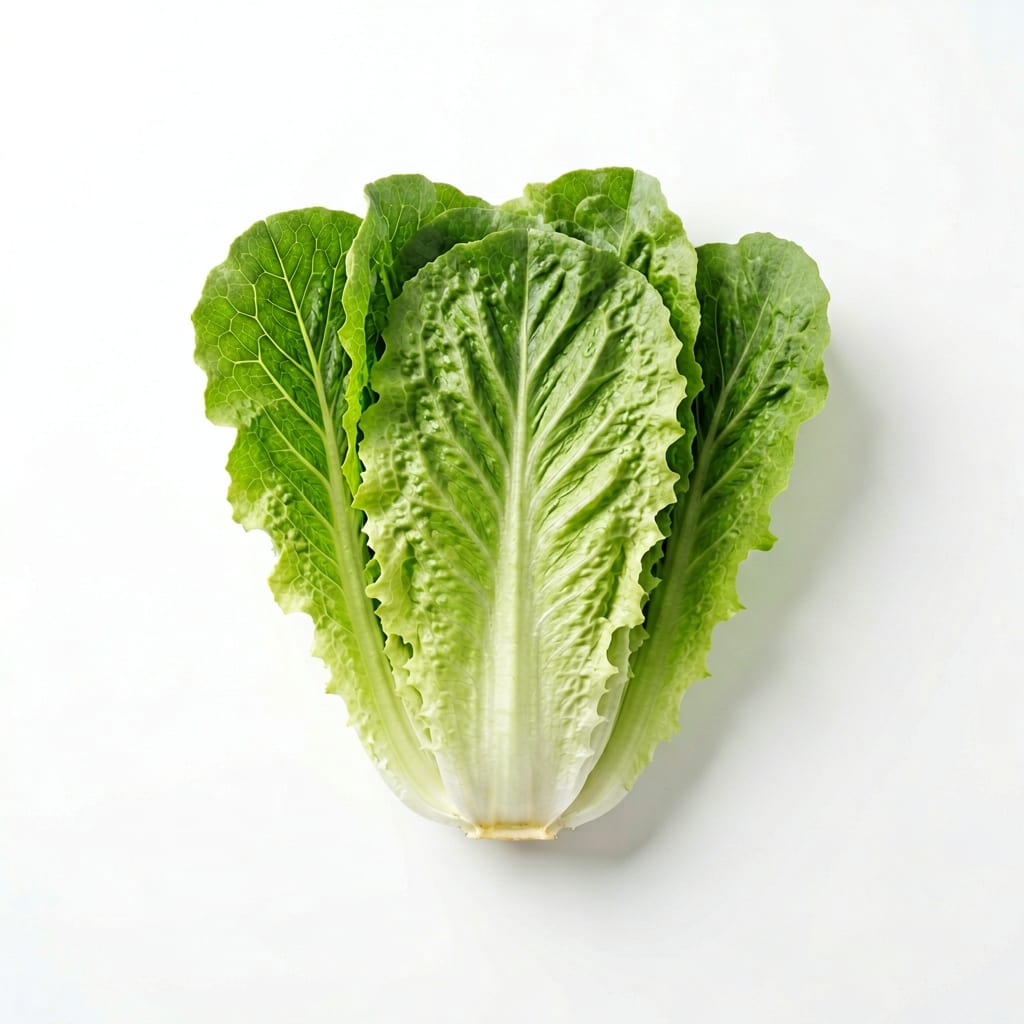
Romaine Lettuce
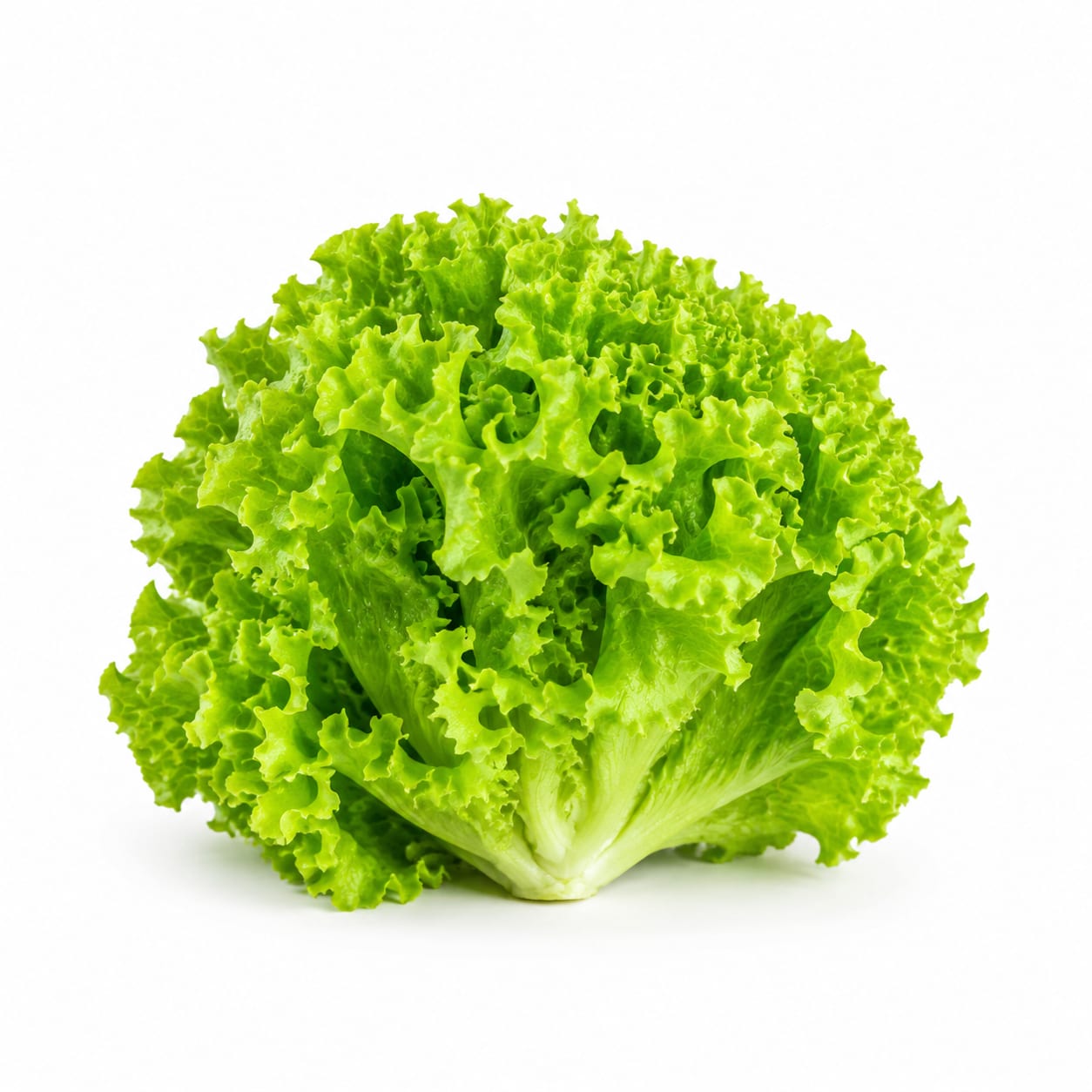
Green Leaf Lettuce
Romaine Lettuce delivers noticeably more vitamins and a satisfying crunch, but Green Leaf Lettuce avoids the food safety concerns and offers a softer, more versatile texture for sandwiches.
Romaine wins on nutrient density and versatility for structured dishes, but the food safety history narrows the gap. Green Leaf Lettuce is perfectly fine nutritionally but offers less of almost everything romaine provides except tenderness and a cleaner safety record.
More nutrients and crunch in Romaine versus safer track record and tender versatility in Green Leaf Lettuce.
At a glance
Executive summary
Overall
Romaine Lettuce
Healthier
Romaine Lettuce
More practical
It depends
Daily use
Romaine Lettuce
Key comparison lenses
nutrient density and vitamin content
Leafy greens are primarily valued for their micronutrient contribution, and these two differ significantly
food safety and contamination risk
Romaine has a well-documented history of E. coli outbreaks that consumers legitimately worry about
salad texture and culinary versatility
The crisp crunch of romaine versus the tender delicacy of green leaf changes how you actually eat them
shelf life and waste reduction
Green leaf wilts faster, leading to more food waste at home
weight management and satiety
Both are extremely low calorie but romaine's crunch and fiber make it slightly more filling
Best choice for
Romaine Lettuce
- Caesar salads and chop salads where crunch matters
- Wraps and lettuce cups needing structural integrity
- Maximizing vitamin A and K intake from greens
- People wanting more filling volume per calorie
Green Leaf Lettuce
- Sandwiches and burgers where soft texture layers better
- People anxious about E. coli recalls
- Tender mixed salads with delicate dressings
- Quick meals where wilting speed is not a concern
Least suitable for
Romaine Lettuce
- People who actively avoid romaine during recall seasons
- Delicate presentations where stiff leaves feel awkward
- Smoothies where the tougher texture blends less smoothly
Green Leaf Lettuce
- Meal prepping since it wilts within 1-2 days
- Wraps that need a sturdy vessel to hold fillings
- Anyone relying on lettuce as a significant vitamin K source
Deep comparison
Dimension by dimension
Each lens scores both foods and breaks down who each option suits.
- Dimension 1 · Priority 90Romaine Lettuce
Nutrient Density
Romaine Lettuce · 82Green Leaf Lettuce · 58Romaine packs roughly twice the vitamin A and significantly more vitamin K and folate than Green Leaf Lettuce.
Tradeoff
You get more micronutrients per bite with Romaine, but the absolute difference is small since both are mostly water.
Why it matters
If you eat a lot of salad, those extra vitamins add up over weeks and months.
Real-world impact
A large romaine salad covers most of your daily vitamin A; green leaf covers about half.
Romaine Lettuce
- Boosting vitamin A for eye and immune health
- Increasing vitamin K for bone and blood health
- Getting more folate naturally from food
Better for
- People who assume all lettuce is nutritionally equivalent and overestimate their intake
Worse for
Green Leaf Lettuce
- Anyone who gets vitamins from other sources and just wants a light base
Better for
- Relying on it as a primary vitamin source when it falls short
Worse for
- Dimension 2 · Priority 85Green Leaf Lettuce
Food Safety
Romaine Lettuce · 45Green Leaf Lettuce · 78Romaine has been linked to multiple high-profile E. coli outbreaks, while Green Leaf Lettuce has a much cleaner safety record.
Tradeoff
Romaine's nutritional edge comes with a real, though rare, contamination risk that green leaf largely avoids.
Why it matters
If you have young children, elderly family members, or a compromised immune system, this matters more than vitamins.
Real-world impact
During outbreaks, romaine disappears from shelves. Green Leaf Lettuce rarely faces the same recalls.
Romaine Lettuce
- Situations where you source from trusted local farms with good safety practices
Better for
- Immunocompromised individuals during recall periods
- Anyone who eats salad daily and wants worry-free consumption
Worse for
Green Leaf Lettuce
- Households with vulnerable individuals
- Peace of mind during outbreak seasons
- Restaurants wanting to avoid liability concerns
Better for
- No significant safety downside
Worse for
- Dimension 3 · Priority 75It depends
Texture and Culinary Use
Romaine Lettuce · 80Green Leaf Lettuce · 72Romaine delivers a crisp, snappy crunch that holds up to heavy dressings. Green Leaf Lettuce offers a silky tenderness that layers beautifully in sandwiches.
Tradeoff
Crunch versus tenderness. Each shines in different dishes.
Why it matters
The wrong texture can ruin a dish. A soggy wrap or a tough sandwich bite is immediately noticeable.
Real-world impact
Romaine makes a satisfying base for chop salads. Green Leaf Lettuce makes a burger feel more refined.
Romaine Lettuce
- Hearty salads with creamy dressings
- Lettuce wraps and boats
- Any dish where crunch is the point
Better for
- Sandwiches where the stiff rib creates an awkward bite
- Delicate plating where rigidity looks clumsy
Worse for
Green Leaf Lettuce
- Layered sandwiches and burgers
- Delicate salads with vinaigrettes
- Garnishing where soft texture blends in
Better for
- Wraps that fall apart mid-meal
- Salads that turn watery under heavy dressing
Worse for
- Dimension 4 · Priority 70Romaine Lettuce
Shelf Life and Storage
Romaine Lettuce · 75Green Leaf Lettuce · 55Romaine's sturdier structure means it lasts 5-7 days in the fridge. Green Leaf Lettuce starts wilting by day 2-3.
Tradeoff
Romaine stays crisp longer, reducing food waste. Green Leaf Lettuce demands faster consumption.
Why it matters
Wilted lettuce gets thrown away, which wastes money and defeats the purpose of buying greens.
Real-world impact
Buy romaine on Sunday and it lasts the workweek. Green leaf often needs eating within 48 hours.
Romaine Lettuce
- Meal preppers who shop once a week
- Busy households that do not cook daily
Better for
- No real downside here
Worse for
Green Leaf Lettuce
- Same-day use from farmers markets or garden harvests
Better for
- Anyone prone to letting produce sit in the crisper too long
Worse for
- Dimension 5 · Priority 60Romaine Lettuce
Satiety and Fullness
Romaine Lettuce · 68Green Leaf Lettuce · 55Romaine's crunch and slightly higher fiber content make it more satisfying to eat, even though both are very low calorie.
Tradeoff
Neither lettuce fills you up much, but romaine gives a slightly more substantial eating experience.
Why it matters
When replacing higher-calorie foods with salad, every bit of satisfaction helps you stick with it.
Real-world impact
A romaine salad feels like a meal. A green leaf salad can feel like eating air if not paired with protein.
Romaine Lettuce
- Large salad meals where the base needs to feel substantial
- Weight loss diets relying on volume eating
Better for
- Anyone expecting lettuce alone to provide lasting satiety
Worse for
Green Leaf Lettuce
- Light sides where you do not want to feel full
Better for
- Volume eaters who find it too insubstantial
Worse for
Timeline
Health impact over time
Short-term
Hours to days
Romaine Lettuce
- Hydrating due to high water content
- Mild digestive support from fiber
- Satisfying crunch can help with cravings for crispy foods
Green Leaf Lettuce
- Very gentle on the stomach due to soft texture
- Quick to eat, easy to digest
- Less chewing required, which may reduce satiety signals
Long-term
Months to years
Romaine Lettuce
- Consistent vitamin A and K intake supports bone and eye health over years
- Regular fiber contributes to healthy digestion patterns
- Potential exposure risk if sourcing is not monitored during outbreaks
Green Leaf Lettuce
- Lower but still present vitamin contribution to a varied diet
- Minimal food safety anxiety supports consistent consumption
- Less nutrient density means relying more on other vegetables for vitamins
Risk profile
Safety & processing
Both are whole, raw vegetables with no additives. The only processing is washing and chopping. Neither contains preservatives unless sold in bagged pre-washed form, which may use mild sanitizers.
Romaine Lettuce
E. coli contamination
highRomaine has been linked to multiple multi-state E. coli outbreaks since 2018, often traced to irrigation water in major growing regions. Washing helps but does not eliminate risk entirely.
Pesticide residue
mediumRomaine typically appears on EWG's Dirty Dozen list. Thorough washing or choosing organic reduces exposure.
Green Leaf Lettuce
Pesticide residue
mediumLike most leafy greens, green leaf lettuce can carry pesticide residue. Washing is essential.
Bacterial contamination
lowAny raw produce can harbor bacteria, but green leaf has not been associated with the large-scale outbreaks seen with romaine.
Who wins for whom
Audience fit
Same foods, different winners depending on your goal.
children
Green Leaf LettuceGreen Leaf Lettuce is softer and easier for small mouths to chew, and its cleaner safety record matters more for vulnerable kids.
daily consumption
Romaine LettuceHigher nutrient density and better shelf life make romaine more practical for daily salad habits, provided you trust your source.
diabetes
Romaine LettuceBoth have negligible impact on blood sugar, but romaine's slightly higher fiber and nutrient density offer marginal benefits for metabolic health.
elderly
Green Leaf LettuceTender texture is easier to chew for aging teeth, and avoiding foodborne illness risk is more critical for older immune systems.
muscle gain
It dependsNeither contributes meaningful protein. Both serve as filler alongside protein sources. Choose based on the dish.
weight loss
Romaine LettuceRomaine's crunch and slightly higher fiber make large salads more satisfying, which helps with adherence to calorie-controlled eating.
Your move
Decision guide
Choose Romaine Lettuce
- You want maximum vitamins from your salad base
- You love a crisp, crunchy texture in your salads
- You meal prep and need greens that last all week
- You make lettuce wraps or chop salads regularly
Choose Green Leaf Lettuce
- You are cautious about E. coli outbreaks and recalls
- You primarily use lettuce in sandwiches and burgers
- You prefer a tender, delicate mouthfeel
- You eat it the same day you buy it and want something gentle
Either works if
- You mix lettuces for varied texture and flavor
- You are just looking for a low-calorie meal filler
- You already get plenty of vitamins from other vegetables
Avoid both if
- You need substantial calories or protein from your greens
- You are looking for a significant fiber source on its own
- You want a cooked green with bioavailable minerals like spinach or kale
Final recommendation
Keep both in your rotation. Use Romaine Lettuce as your primary salad base for its nutrients and crunch, and keep Green Leaf Lettuce for sandwiches and tender dishes. If food safety is a serious concern in your household, lean toward Green Leaf Lettuce and get your vitamins from other dark greens like spinach or kale.
Practical
Consumer tips
- 1
Wash all lettuce thoroughly under running water, even pre-washed bagged varieties
- 2
During romaine recall periods, check FDA.gov before purchasing
- 3
Store both in a damp paper towel inside a loosely closed bag in the crisper drawer
- 4
Buy whole heads over pre-chopped bags for better shelf life and lower contamination risk
- 5
Mix romaine and green leaf together for a salad that has both crunch and tenderness
- 6
Choose organic when possible for either variety to reduce pesticide exposure
- 7
If your green leaf lettuce is wilting, revive it in a bowl of ice water for 15 minutes