
Nutrition comparison
Romaine Lettuce vs Cucumber: Nutrition, Safety, and Hydration Compared
Discover the key differences between Romaine Lettuce and Cucumber. Learn which is better for weight loss, digestion, and overall nutrition in this expert comparison.
Overall winner · Romaine Lettuce
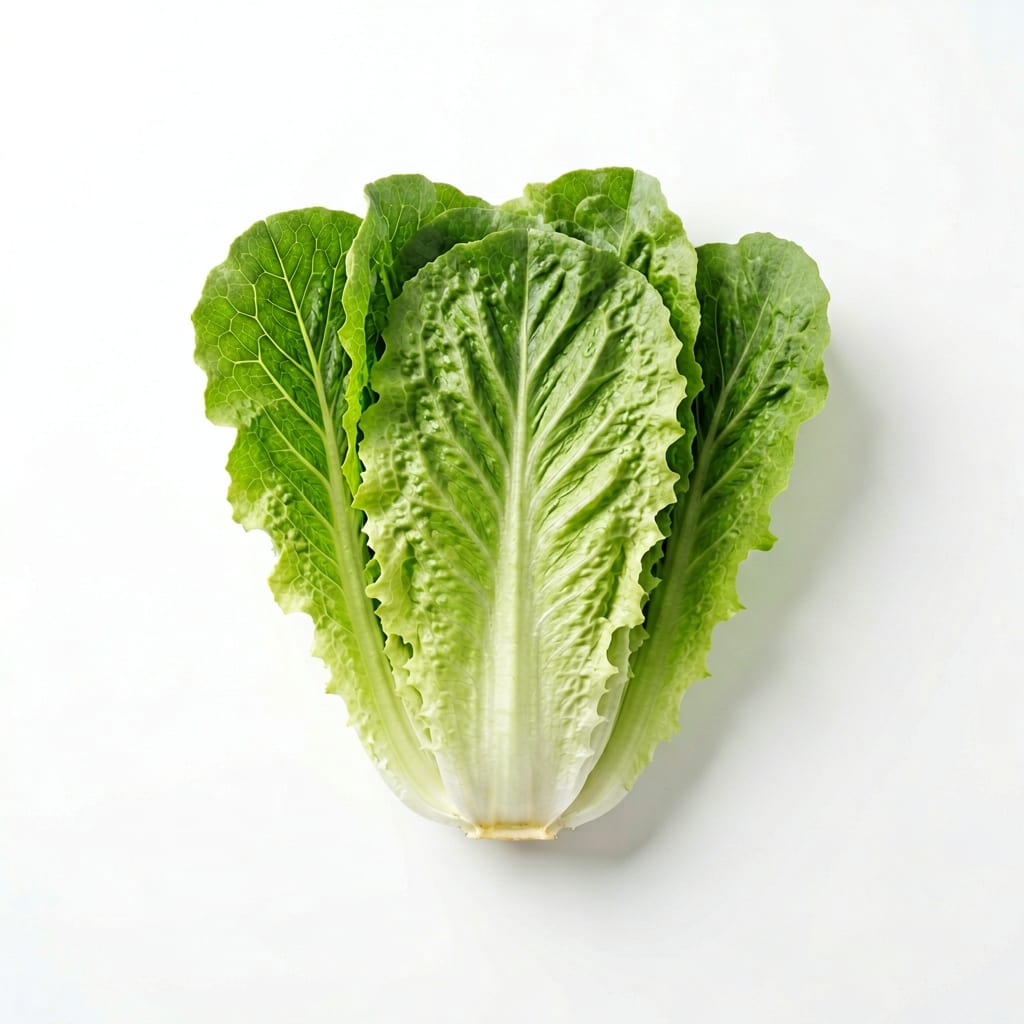
Romaine Lettuce
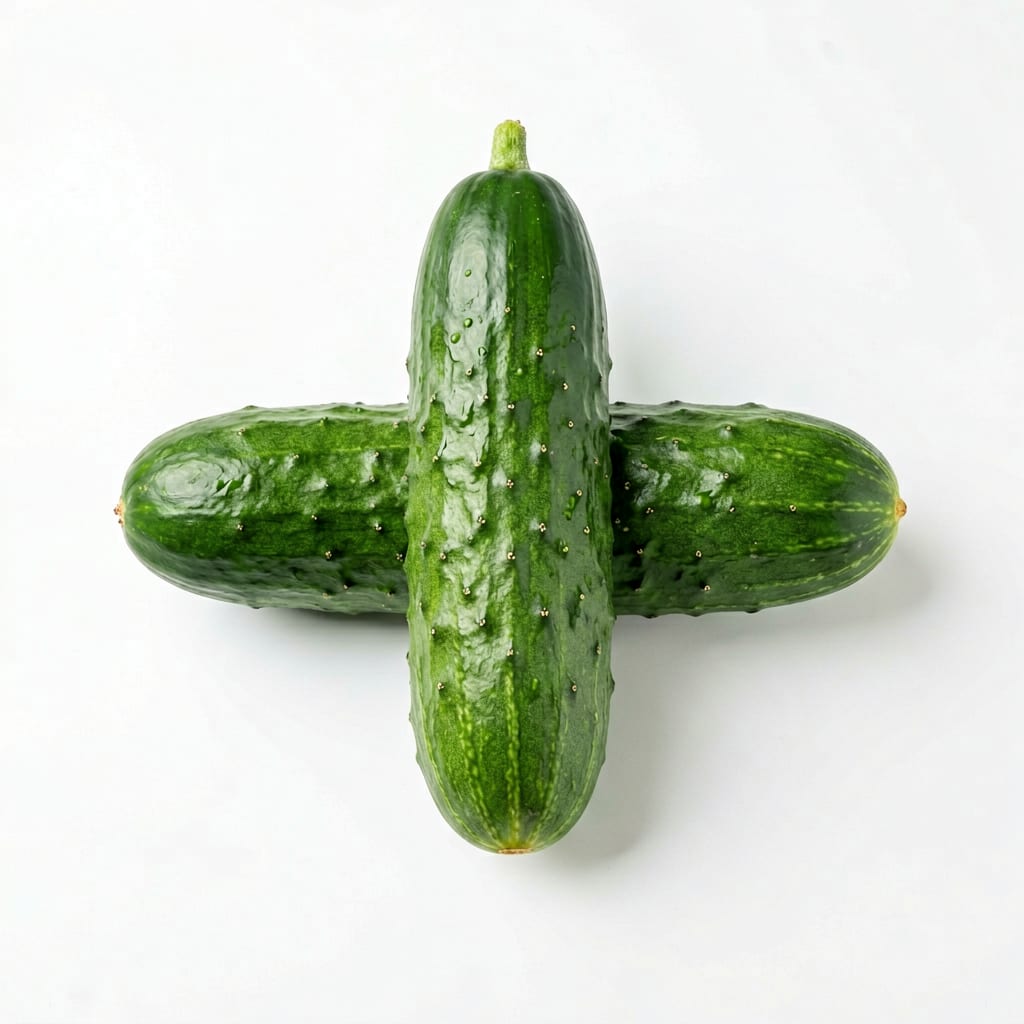
Cucumber
Romaine Lettuce offers significantly more nutritional value per calorie, but Cucumber is easier to digest and safer from contamination.
Romaine Lettuce scores higher due to its superior micronutrient profile and satiety, but Cucumber stays competitive because of its perfect digestibility and hydration benefits.
Vitamins and satiety versus digestibility and hydration simplicity.
At a glance
Executive summary
Overall
Romaine Lettuce
Healthier
Romaine Lettuce
More practical
Cucumber
Daily use
Romaine Lettuce
Key comparison lenses
Nutrient density and vitamin content
Romaine Lettuce is surprisingly rich in vitamins A and K, while Cucumber is mostly water with fewer micronutrients.
Hydration and culinary versatility
Both are high-water vegetables, but Cucumber is often sought for pure hydration and snacking, while Romaine serves as a salad base.
Food safety and contamination risk
Leafy greens like Romaine have a history of E. coli outbreaks, making safety a key comparison point.
Best choice for
Romaine Lettuce
- People wanting to maximize vitamin intake
- Those looking for a low-calorie salad base that actually fills them up
- Anyone needing more folate or Vitamin K in their diet
Cucumber
- People with sensitive stomachs who find roughage irritating
- Those seeking ultra-hydrating post-workout or hot-weather snacks
- Kids or picky eaters who prefer mild, crunchy textures
Least suitable for
Romaine Lettuce
- People with severe IBS who react to insoluble fiber
- Those highly concerned about recurrent produce recalls
Cucumber
- Anyone looking for a nutrient-dense food to meet daily vitamin needs
- People wanting a satisfying base for a large meal
Deep comparison
Dimension by dimension
Each lens scores both foods and breaks down who each option suits.
- Dimension 1 · Priority 95Romaine Lettuce
Nutrient Density
Romaine Lettuce · 88Cucumber · 35Romaine Lettuce is a nutritional powerhouse compared to Cucumber, packing far more Vitamin A, Vitamin K, and folate.
Tradeoff
You have to eat Cucumber in much larger volumes to get the same vitamin payoff as a few leaves of Romaine.
Why it matters
Vitamin K is crucial for bone health and blood clotting, and Vitamin A supports vision and immunity. Romaine makes a real dent in your daily needs.
Real-world impact
A Romaine-based salad actively contributes to your daily vitamin goals, while Cucumber mostly contributes to your water intake.
Romaine Lettuce
- Meeting daily Vitamin K and A requirements
- Supporting bone density
- Boosting folate for prenatal health
Better for
- Those on blood thinners who must limit Vitamin K
Worse for
Cucumber
- Avoiding vitamin overload (though practically impossible with food)
- Keeping meals light and minimally nutritious
Better for
- Preventing nutrient deficiencies
Worse for
- Dimension 2 · Priority 85Cucumber
Hydration and Digestibility
Romaine Lettuce · 70Cucumber · 95Cucumber is slightly higher in water and much gentler on the digestive tract than Romaine Lettuce.
Tradeoff
Romaine's insoluble fiber is great for regularity but can cause bloating, whereas Cucumber is famously easy to break down.
Why it matters
For people with IBS or sensitive stomachs, rough leafy greens can trigger discomfort, making Cucumber a safer refreshing choice.
Real-world impact
Cucumber feels light and soothing in the stomach, making it a great late-night snack or post-workout hydrator without the heavy digestion feeling.
Romaine Lettuce
- Promoting bowel regularity through roughage
- Feeling physically full after eating
Better for
- Triggering IBS symptoms in sensitive individuals
Worse for
Cucumber
- Quick hydration after exercise or heat exposure
- Avoiding bloating and gas from fibrous greens
- Soothing an upset stomach
Better for
- Feeling hungry again shortly after eating
Worse for
- Dimension 3 · Priority 80Cucumber
Food Safety and Contamination
Romaine Lettuce · 45Cucumber · 75Romaine Lettuce has a well-documented history of E. coli and Salmonella outbreaks, making it a riskier raw food than Cucumber.
Tradeoff
The very crevices that make Romaine a great salad base also make it harder to wash and more prone to trapping bacteria.
Why it matters
Contaminated leafy greens are a leading cause of foodborne illness, which can be severe or even life-threatening.
Real-world impact
You have to be much more careful washing Romaine, and during outbreaks, you may need to avoid it entirely. Cucumber can be peeled to eliminate most surface risks.
Romaine Lettuce
- None regarding safety
Better for
- Higher risk of harboring hidden pathogens
Worse for
Cucumber
- Easier to clean thoroughly
- Can be peeled to remove pesticide residue and surface bacteria
- Lower historical risk of massive multi-state recalls
Better for
- Wax coatings on conventional cucumbers can trap pesticides
Worse for
Timeline
Health impact over time
Short-term
Hours to days
Romaine Lettuce
- Provides a satisfying crunch that helps with fullness
- Can cause mild bloating in those unaccustomed to high fiber
Cucumber
- Instant hydration and a cooling sensation
- Very gentle on the digestive system with quick gastric emptying
Long-term
Months to years
Romaine Lettuce
- Improved bone health and blood clotting from high Vitamin K
- Better eye health and immune support from Vitamin A
- Consistent fiber intake supporting gut microbiome diversity
Cucumber
- Sustained hydration habits supporting kidney function
- Healthy skin from silica and high water content
- Easier long-term weight maintenance due to low calorie density
Risk profile
Safety & processing
Both Romaine Lettuce and Cucumber are whole, raw vegetables with no added ingredients, though conventional Cucumbers may have edible wax coatings.
Romaine Lettuce
E. coli and Salmonella contamination
highRomaine has been linked to numerous severe outbreaks due to growing and processing conditions that trap bacteria in leaf crevices.
Pesticide residue
mediumLeafy greens often retain pesticide residue in their ruffled leaves, requiring thorough washing.
Cucumber
Pesticide residue and wax coatings
mediumConventional Cucumbers are often coated with food-grade wax to retain moisture, which can trap pesticides underneath.
Salmonella on skin
lowSurface contamination can occur, but it is easily mitigated by washing or peeling.
Who wins for whom
Audience fit
Same foods, different winners depending on your goal.
children
CucumberCucumber's mild, slightly sweet flavor and fun crunch make it far more appealing and easier for kids to chew than bitter, leafy Romaine.
daily consumption
Romaine LettuceThe daily vitamin and mineral payoff from Romaine Lettuce makes it a more worthwhile daily habit, provided you wash it well.
diabetes
Romaine LettuceBoth have essentially zero impact on blood sugar, but Romaine's higher fiber content slows digestion slightly more, offering a marginal edge for glucose stability.
elderly
CucumberCucumber is easier to chew and gentler on aging digestive systems, reducing the risk of discomfort from tough plant fiber.
muscle gain
Romaine LettuceNeither is a protein source, but Romaine provides more folate and Vitamin K which support cellular recovery and bone health under heavy loads.
weight loss
Romaine LettuceRomaine Lettuce provides more volume and fiber per calorie, making meals feel more substantial and keeping you full longer.
Your move
Decision guide
Choose Romaine Lettuce
- You want to maximize the nutritional value of your salads
- You need more Vitamin K, A, or folate in your diet
- You find watery vegetables unsatisfying and need more fiber to feel full
Choose Cucumber
- You have a sensitive stomach or IBS and need easily digestible produce
- You are highly concerned about foodborne illness and produce recalls
- You want a mild, hydrating snack for hot days or post-workout
Either works if
- You just want a low-calorie crunch to pair with a healthy dip
- You are trying to increase your overall daily vegetable intake
Avoid both if
- You are looking for a significant source of protein or sustainable energy
Final recommendation
Use Romaine Lettuce as your primary salad base to get a serious boost in vitamins and fullness, but add Cucumber for refreshing crunch and hydration without the digestive heaviness.
Practical
Consumer tips
- 1
Remove the outermost leaves of Romaine and wash the inner leaves thoroughly to reduce contamination risk.
- 2
Peel conventional Cucumbers to avoid eating the wax and trapped pesticides, or buy organic to eat the nutrient-rich skin.
- 3
If Romaine feels too tough to digest, try chopping it into very fine ribbons to break down the fibrous structure.
- 4
Combine both in a salad: Romaine for the nutrient-dense base, and Cucumber for the refreshing, hydrating crunch.