
Nutrition comparison
Romaine Lettuce vs Cabbage: Nutrition, Safety, and Which to Buy
Cabbage beats Romaine in fiber, vitamin C, shelf life, and versatility. But Romaine wins for easy digestion and crisp salads. Full comparison inside.
Overall winner · Cabbage
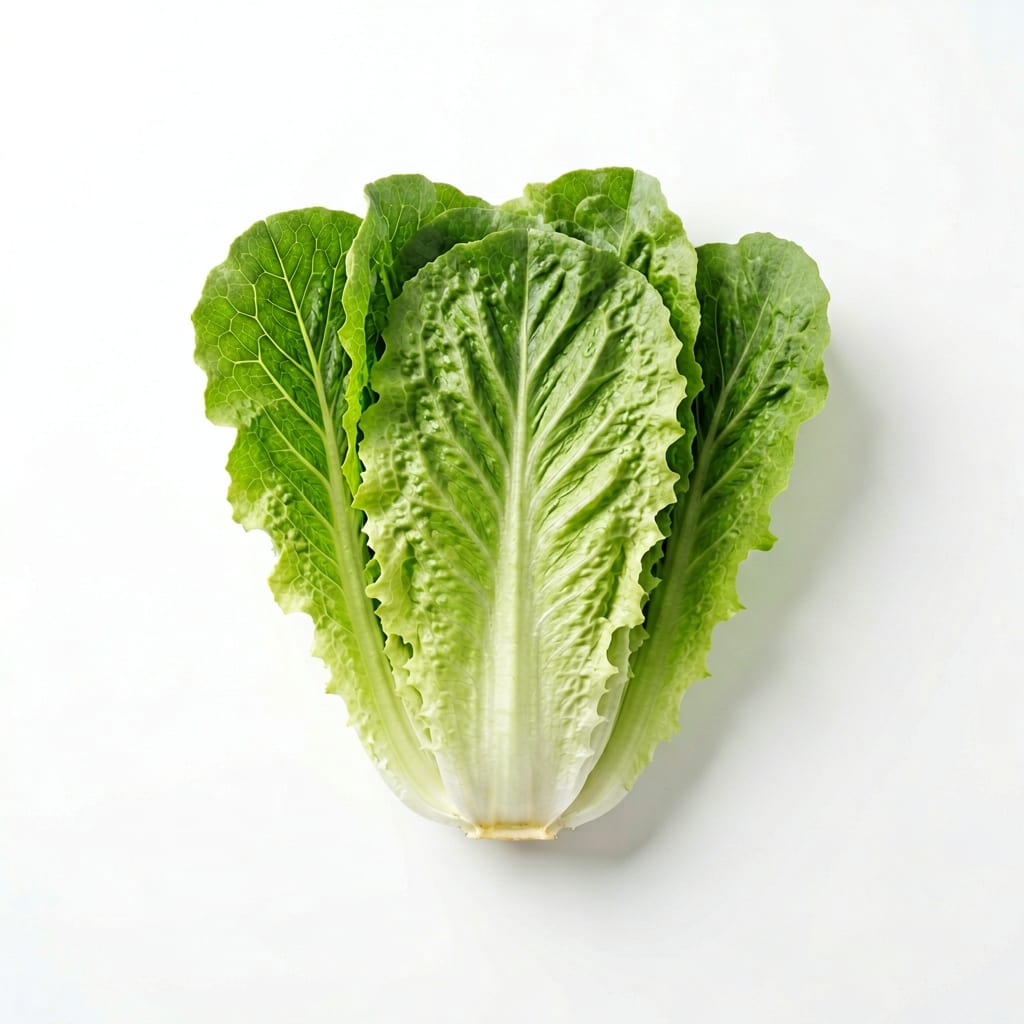
Romaine Lettuce
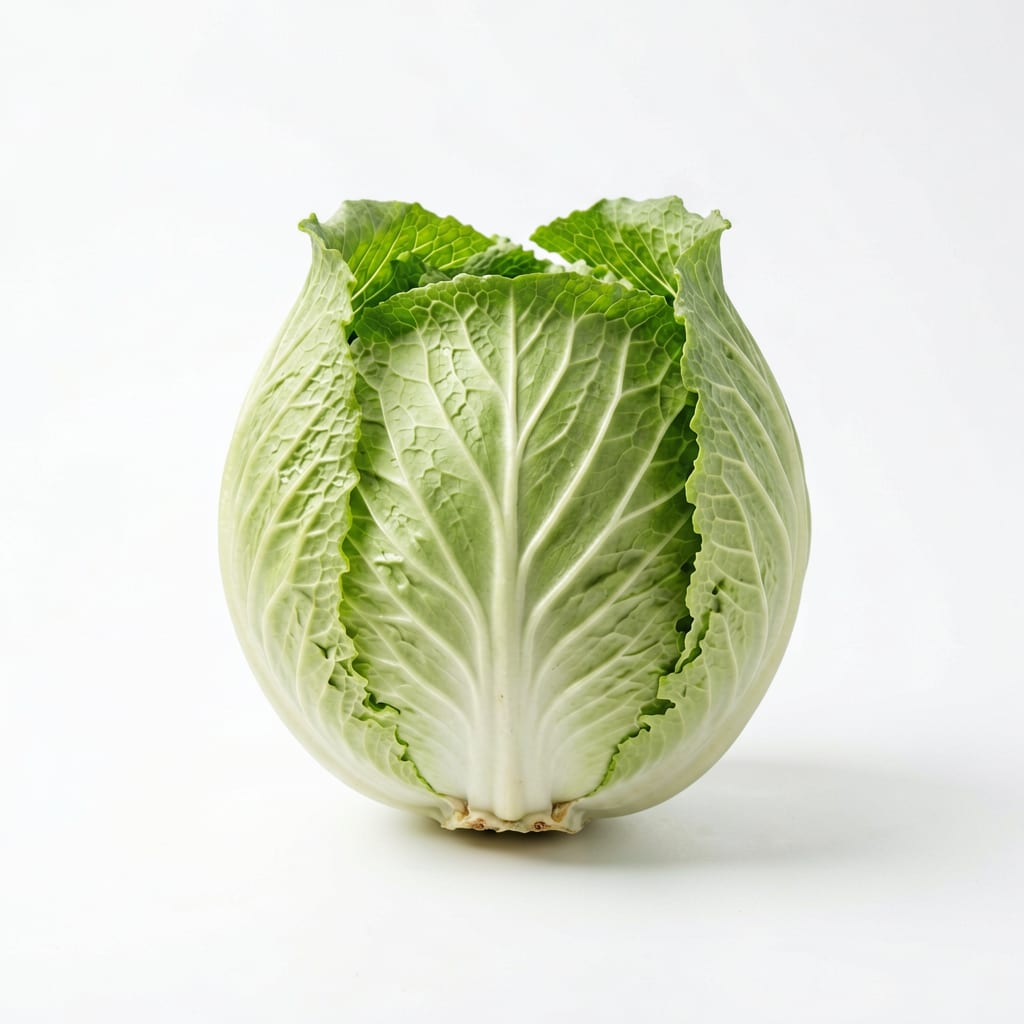
Cabbage
Cabbage delivers more nutrients, fiber, and versatility per dollar, but Romaine wins for light, crisp salads and easier digestion.
Cabbage scores notably higher due to superior fiber, vitamin C, glucosinolate content, longer shelf life, and cooking versatility. Romaine remains valuable for its lightness, crisp texture, and easier digestibility but offers less nutritional return per serving.
Cabbage is the nutritional and practical powerhouse, while Romaine offers a lighter, more salad-friendly eating experience with less digestive burden.
At a glance
Executive summary
Overall
Cabbage
Healthier
Cabbage
More practical
Cabbage
Daily use
Cabbage
Key comparison lenses
nutritional density per calorie
Both are very low-calorie vegetables, so users want to know which delivers more nutrients per bite
meal versatility and cooking
Cabbage can be eaten raw, cooked, fermented, or roasted while Romaine is almost exclusively raw, making versatility a key differentiator
digestive tolerance and gut health
Cabbage contains fermentable fibers that cause bloating in some people, while Romaine is gentler on digestion
shelf life and food waste
Cabbage lasts weeks in the fridge while Romaine wilts within days, a major practical concern for meal planning
food safety contamination risk
Romaine has been subject to repeated E. coli outbreaks, making safety a relevant comparison point
Best choice for
Romaine Lettuce
- Light side salads with meals
- People with sensitive digestion or IBS
- Quick prep meals needing no cooking
- Wraps and sandwich layers
- Hydration-focused eating
Cabbage
- Meal prep and batch cooking
- Budget-conscious households
- Fermented food enthusiasts making sauerkraut or kimchi
- People seeking cancer-fighting cruciferous compounds
- Long-term storage and reduced food waste
Least suitable for
Romaine Lettuce
- Cooked dishes and stir-fries
- People concerned about foodborne illness risk
- Long-term meal planning without frequent shopping
- High-fiber dietary needs
Cabbage
- People with FODMAP sensitivities
- Quick no-prep salad needs
- Those prone to bloating from cruciferous vegetables
- Light refreshing side dishes in hot weather
Deep comparison
Dimension by dimension
Each lens scores both foods and breaks down who each option suits.
- Dimension 1 · Priority 92Cabbage
nutritional_density
Romaine Lettuce · 55Cabbage · 82Cabbage packs significantly more vitamin C, fiber, and cancer-fighting glucosinolates into each serving than Romaine.
Tradeoff
Romaine provides more vitamin A and folate per calorie, but the overall nutrient profile favors cabbage by a wide margin.
Why it matters
If you are eating greens primarily for health benefits, cabbage gives you substantially more per bite.
Real-world impact
A cup of cabbage delivers roughly 70% of your daily vitamin C needs, while Romaine offers about 40%. Over weeks, this difference compounds into meaningfully better immune support.
Romaine Lettuce
- Vitamin A intake
- Folate intake
- Lower calorie per volume eating
Better for
- People relying on greens as a primary fiber source
- Those seeking maximum nutrient return per serving
Worse for
Cabbage
- Vitamin C intake
- Fiber intake
- Antioxidant and cancer-fighting compounds
Better for
- People who need high vitamin A from greens specifically
Worse for
- Dimension 2 · Priority 88Cabbage
fiber_and_satiety
Romaine Lettuce · 40Cabbage · 78Cabbage has roughly double the fiber of Romaine, making it noticeably more filling and better for blood sugar stability.
Tradeoff
That extra fiber can cause gas and bloating in sensitive individuals, while Romaine digests easily and comfortably.
Why it matters
Fiber is the single most undereaten nutrient in most diets, and cabbage helps close that gap much more effectively.
Real-world impact
A cabbage-heavy salad keeps you full for an extra hour or two compared to Romaine, which can help with snacking control.
Romaine Lettuce
- People with IBS or sensitive stomachs
- Light meals before exercise
- Those who find high-fiber meals uncomfortable
Better for
- People struggling to hit daily fiber targets
- Those who get hungry soon after salads
Worse for
Cabbage
- Weight management through natural fullness
- Blood sugar stabilization
- Gut microbiome feeding
Better for
- People with FODMAP intolerances
- Those who experience bloating from cruciferous vegetables
Worse for
- Dimension 3 · Priority 88Cabbage
versatility_and_cooking
Romaine Lettuce · 35Cabbage · 90Cabbage works raw, sautéed, roasted, braised, fermented, or in soups. Romaine is essentially a raw-only green.
Tradeoff
Romaine excels at one thing — crisp, refreshing salads — while cabbage is a culinary multitasker.
Why it matters
More cooking options means less food waste, more recipe variety, and easier weekly meal planning.
Real-world impact
A single head of cabbage can become coleslaw on Monday, stir-fry on Wednesday, and soup on Friday. Romaine is salad-only and wilts by day four.
Romaine Lettuce
- Classic Caesar and side salads
- Lettuce wraps for low-carb meals
- No-cook meal prep
Better for
- Cooked dishes of any kind
- Meal prep beyond 2-3 days
Worse for
Cabbage
- Stir-fries and sautés
- Fermented foods like sauerkraut and kimchi
- Soups and stews
- Roasted vegetable dishes
Better for
- Traditional light salads where crispness matters most
Worse for
- Dimension 4 · Priority 80Cabbage
shelf_life_and_practicality
Romaine Lettuce · 35Cabbage · 88Cabbage lasts 2-3 weeks refrigerated. Romaine typically wilts within 3-5 days, making it one of the more fragile greens.
Tradeoff
Romaine requires more frequent shopping and careful storage, while cabbage is nearly indestructible in the crisper drawer.
Why it matters
Shelf life directly affects food waste, grocery budgets, and how reliably you can keep vegetables on hand.
Real-world impact
If you shop once a week, your Romaine is often limp by day five. Cabbage stays crisp and usable through your next shopping trip and beyond.
Romaine Lettuce
- Immediate consumption within 1-2 days of purchase
Better for
- Anyone who shops less than twice per week
- People frustrated by produce spoilage
Worse for
Cabbage
- Weekly or biweekly grocery shopping
- Reducing food waste
- Budget-conscious meal planning
- Emergency vegetable stash that never goes bad
Better for
- No significant shelf-life downside
Worse for
- Dimension 5 · Priority 75Cabbage
food_safety_and_contamination
Romaine Lettuce · 45Cabbage · 80Romaine has been linked to multiple major E. coli outbreaks in recent years. Cabbage has a much cleaner safety record.
Tradeoff
Both are safe when properly washed, but Romaine carries a meaningfully higher risk profile due to industrial growing and processing practices.
Why it matters
For vulnerable populations — young children, elderly, pregnant women, immunocompromised — this difference matters significantly.
Real-world impact
Between 2018 and 2020, Romaine was subject to multiple CDC warnings and recalls. Cabbage has had no comparable outbreaks in the same period.
Romaine Lettuce
- No significant safety advantages over cabbage
Better for
- People with compromised immune systems
- Parents feeding young children raw greens
Worse for
Cabbage
- Lower risk of foodborne illness
- Safer for vulnerable populations
- Less likely to be subject to recalls
Better for
- No significant safety concerns
Worse for
- Dimension 6 · Priority 82Romaine Lettuce
digestive_tolerance
Romaine Lettuce · 82Cabbage · 50Romaine is gentle and easy on most digestive systems. Cabbage contains fermentable fibers that commonly cause gas and bloating.
Tradeoff
The same fibers that cause bloating also feed beneficial gut bacteria, so short-term discomfort can mean long-term gut health benefits.
Why it matters
For people with IBS, SIBO, or FODMAP sensitivities, cabbage can be genuinely uncomfortable, while Romaine is usually well-tolerated.
Real-world impact
If you have a sensitive stomach, a Romaine salad sits comfortably. A raw cabbage salad might leave you bloated for hours.
Romaine Lettuce
- People with IBS or FODMAP sensitivity
- Those who experience bloating from cruciferous vegetables
- Light meals before physical activity
Better for
- No significant digestive downsides for most people
Worse for
Cabbage
- People with healthy digestion seeking gut microbiome benefits
- Those who tolerate fermented foods well
Better for
- People with IBS or FODMAP issues
- Those prone to post-meal bloating
- Anyone new to high-fiber diets who needs gradual introduction
Worse for
- Dimension 7 · Priority 72Cabbage
cost_effectiveness
Romaine Lettuce · 50Cabbage · 88Cabbage is consistently one of the cheapest vegetables per pound available year-round. Romaine costs more per pound and yields less usable food.
Tradeoff
Cabbage gives you more edible food, more nutrients, and more meals per dollar spent.
Why it matters
For families or individuals on tight budgets, cabbage is one of the highest-value vegetables in the produce aisle.
Real-world impact
A $2 head of cabbage can produce 4-6 meal servings across different dishes. A $2-3 bag of Romaine gives you 1-2 salads before it wilts.
Romaine Lettuce
- No significant cost advantages
Better for
- People trying to minimize grocery spending
- Those frustrated by high produce costs per usable serving
Worse for
Cabbage
- Budget-conscious households
- Bulk meal preparation
- Families feeding multiple people
Better for
- No significant cost downsides
Worse for
Timeline
Health impact over time
Short-term
Hours to days
Romaine Lettuce
- Light hydration boost from high water content
- Easy digestion with minimal bloating
- Quick vitamin A and folate intake
- Very low calorie intake — helpful or insufficient depending on goals
Cabbage
- Noticeable fullness from fiber content
- Possible gas or bloating within hours of eating raw
- Vitamin C boost supporting immediate immune function
- Blood sugar stabilization after meals
Long-term
Months to years
Romaine Lettuce
- Consistent vitamin K intake for bone and blood health
- Low fiber intake may not support optimal gut microbiome diversity
- Minimal cancer-protective compound exposure compared to cruciferous alternatives
- Hydration support from high water content
Cabbage
- Glucosinolate compounds linked to reduced cancer risk with regular consumption
- Improved gut microbiome diversity from fermentable fibers
- Better long-term blood sugar regulation from consistent fiber intake
- Stronger immune support from sustained vitamin C intake
Risk profile
Safety & processing
Both Romaine and Cabbage are whole, unprocessed vegetables with no additive concerns. The main difference is that bagged Romaine undergoes industrial washing and packaging that increases contamination risk, while whole head cabbage requires minimal processing before reaching you.
Romaine Lettuce
E. coli contamination
highRomaine has been linked to multiple large-scale E. coli outbreaks, primarily from contaminated irrigation water and processing facilities. Pre-washed bagged Romaine carries higher risk than whole heads.
Pesticide residue
mediumRomaine frequently appears on EWG's Dirty Dozen list with detectable pesticide residues. Washing helps but does not eliminate all residues.
Cabbage
Pesticide residue
lowCabbage typically appears on EWG's Clean Fifteen list. The tight head structure protects inner leaves from pesticide exposure, and outer leaves are discarded before eating.
Parasitic contamination
lowRaw cabbage can occasionally harbor parasites, but this is rare and proper washing eliminates most risk.
Who wins for whom
Audience fit
Same foods, different winners depending on your goal.
children
Romaine LettuceRomaine is milder in flavor, easier to chew, and gentler on small digestive systems. Cabbage can cause uncomfortable gas in children and its stronger flavor is often rejected by picky eaters.
daily consumption
CabbageCabbage's superior nutrient density, fiber content, shelf life, and versatility make it more sustainable as a daily vegetable. Romaine works daily for salads but offers less nutritional variety.
diabetes
CabbageCabbage's higher fiber content slows glucose absorption more effectively, providing steadier blood sugar response after meals.
elderly
Romaine LettuceRomaine is easier to chew and digest, with lower bloating risk. Elderly individuals often have reduced digestive capacity, making cabbage's fermentable fibers more problematic.
muscle gain
It dependsNeither is a significant protein source. Cabbage offers slightly more vitamin C which supports recovery, but both serve primarily as volume and micronutrient additions to protein-focused meals.
weight loss
CabbageCabbage provides more fiber and satiety per calorie, helping control hunger between meals. Romaine is very low calorie but less filling, which can lead to overeating later.
Your move
Decision guide
Choose Romaine Lettuce
- You want a light, crisp base for salads and wraps
- You have IBS, FODMAP sensitivity, or a delicate stomach
- You prefer no-cook meal preparation
- You eat salads daily and want a refreshing, hydrating green
- You are feeding young children who need milder flavors
Choose Cabbage
- You want maximum nutrition per dollar and per serving
- You cook regularly and want a versatile vegetable
- You are meal prepping for the week ahead
- You want cancer-fighting cruciferous compounds in your diet
- You are trying to increase fiber intake for gut health or blood sugar control
- You are on a tight grocery budget
Either works if
- You simply need more vegetables in your diet and will eat whichever is available
- You are making a mixed green salad and can combine both
- You are focusing on overall produce intake rather than optimizing specific nutrients
Avoid both if
- You have a severe oral allergy syndrome triggered by raw vegetables
- You are on a strict low-fiber diet for a medical procedure
- You have a known allergy to lettuce or cruciferous vegetables
Final recommendation
Keep both in your kitchen if possible — Romaine for salads and wraps, cabbage for cooking and meal prep. If you must choose one, cabbage delivers more health benefits, costs less, lasts longer, and works in far more recipes. The only people who should default to Romaine are those with digestive sensitivities or those who exclusively eat raw salads.
Practical
Consumer tips
- 1
Buy whole Romaine heads instead of pre-washed bags to reduce contamination risk and save money
- 2
Store Romaine with a paper towel in a bag to extend its life by 1-2 days
- 3
Cut cabbage as needed from the head rather than shredding the whole thing — it lasts much longer this way
- 4
If cabbage causes bloating, try cooking it instead of eating it raw — heat breaks down many of the gas-causing compounds
- 5
Red cabbage offers even more antioxidants than green cabbage with the same practical benefits
- 6
Massage raw cabbage with salt and olive oil for 2 minutes to soften it for salads — it becomes surprisingly tender
- 7
Freeze leftover cabbage for soups and stews — it holds texture better than Romaine when frozen