
Nutrition comparison
Romaine Lettuce vs Butter Lettuce: Nutrition, Safety, and Taste Compared
Which lettuce is healthier? Romaine packs more vitamins and fiber, but Butter Lettuce offers better food safety and a tender bite. Full comparison inside.
Overall winner · Romaine Lettuce
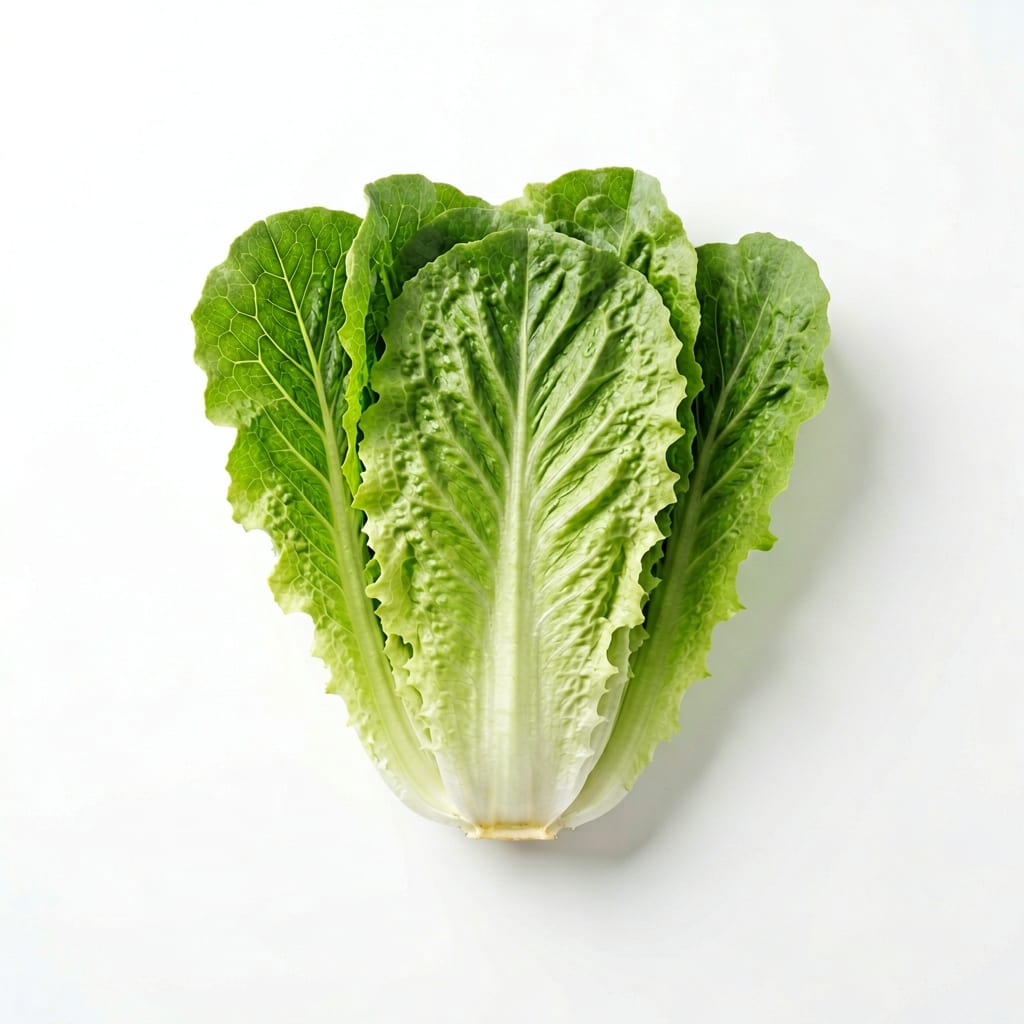
Romaine Lettuce
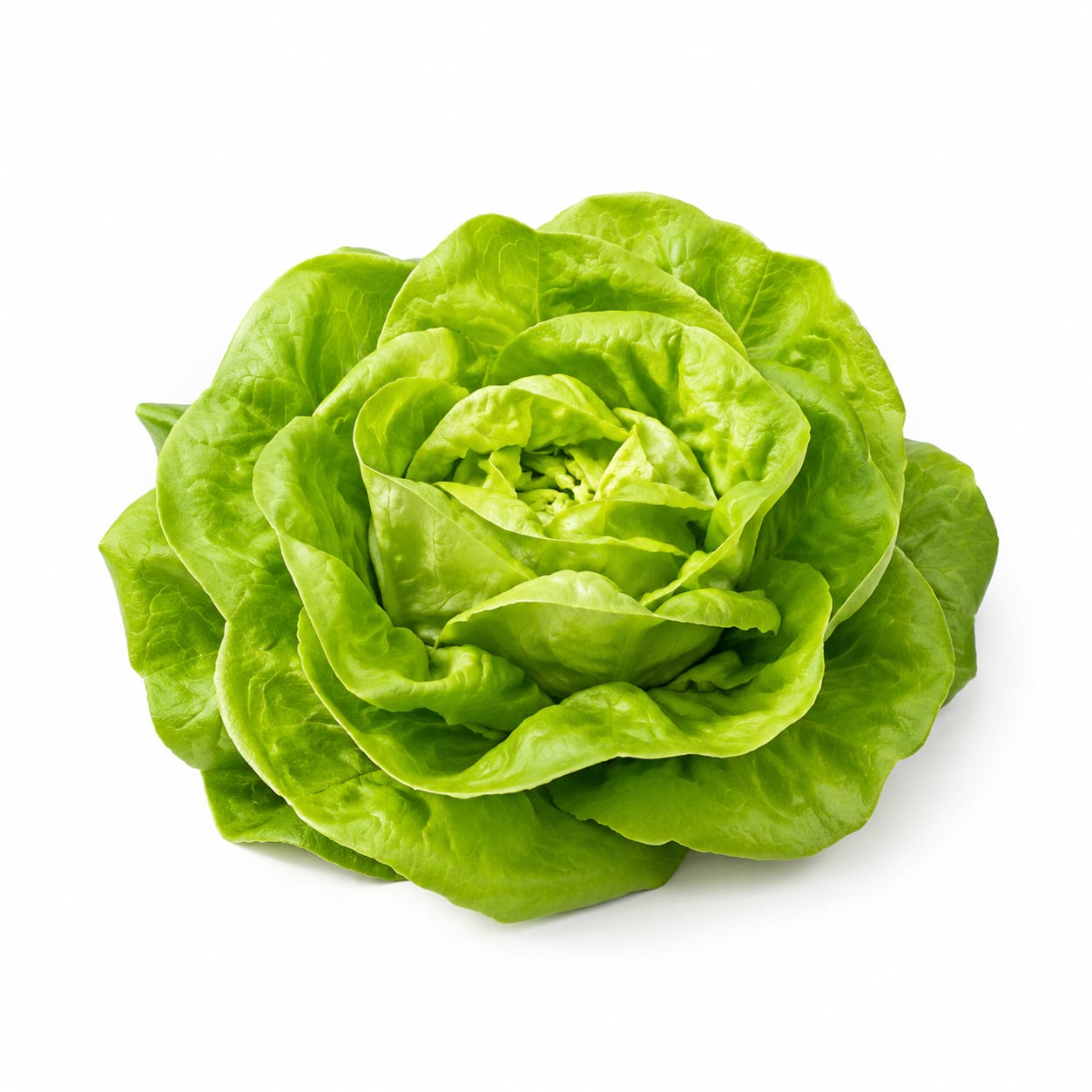
Butter Lettuce
Romaine Lettuce wins on nutrition and crunch, but Butter Lettuce offers a gentler eating experience and cleaner safety record.
Romaine scores higher due to superior nutritional density and versatility, but Butter Lettuce stays competitive thanks to its safety profile and eating comfort. The gap reflects Romaine's stronger everyday utility rather than a landslide victory.
More vitamins and fiber in Romaine versus softer texture and fewer contamination worries in Butter Lettuce.
At a glance
Executive summary
Overall
Romaine Lettuce
Healthier
Romaine Lettuce
More practical
Romaine Lettuce
Daily use
Romaine Lettuce
Key comparison lenses
nutritional density
Leafy greens are often chosen for their vitamin and mineral content, making this the primary decision factor
food safety
Romaine has had notable E. coli outbreaks, which is a major consumer concern when choosing between lettuces
texture and culinary use
The crisp vs tender texture difference significantly affects how each lettuce is used in meals
satiety and fiber
Fiber content varies enough to influence fullness and digestive benefits
shelf life and practicality
Butter lettuce wilts faster, affecting real-world usability and food waste
Best choice for
Romaine Lettuce
- Hearty salads with heavy dressings or toppings
- Wraps and lettuce cups that need structural integrity
- Maximizing vitamin K and folate intake
- Meal prep that needs greens to last several days
Butter Lettuce
- Delicate salads where tenderness matters more than crunch
- People with sensitive digestion who find roughage irritating
- Anyone avoiding Romaine due to contamination concerns
- Elegant presentations where visual appeal is priority
Least suitable for
Romaine Lettuce
- People anxious about recurrent E. coli recalls
- Those who find crisp lettuce hard to chew or digest
- Delicate dishes where crunch feels wrong
Butter Lettuce
- Hearty meal prep requiring sturdy greens
- Wraps that need to hold together under pressure
- Anyone maximizing nutrient density per calorie
Deep comparison
Dimension by dimension
Each lens scores both foods and breaks down who each option suits.
- Dimension 1 · Priority 90Romaine Lettuce
nutritional_density
Romaine Lettuce · 82Butter Lettuce · 55Romaine delivers significantly more vitamin A, vitamin K, and folate per serving than Butter Lettuce.
Tradeoff
You sacrifice some vitamin potency with Butter Lettuce but gain a more pleasant mouthfeel.
Why it matters
If you eat salad partly to boost micronutrients, Romaine gives you noticeably more per bite.
Real-world impact
A single Romaine salad covers roughly 80% of daily vitamin K needs versus about 50% from Butter Lettuce.
Romaine Lettuce
- Boosting bone health through vitamin K
- Supporting eye health with beta-carotene
- Pregnancy nutrition needing extra folate
Better for
Butter Lettuce
- Relying on it as a primary vitamin K source
- Maximizing folate intake from greens alone
Worse for
- Dimension 2 · Priority 75Romaine Lettuce
fiber_and_satiety
Romaine Lettuce · 68Butter Lettuce · 50Romaine has roughly twice the fiber of Butter Lettuce, making it more filling and better for digestion.
Tradeoff
More fiber means more chewing and slightly more digestive effort, which bothers some people.
Why it matters
Fiber from greens helps steady blood sugar and keeps you satisfied longer between meals.
Real-world impact
A Romaine-based salad keeps you fuller for an extra 30-60 minutes compared to Butter Lettuce.
Romaine Lettuce
- Weight management through natural fullness
- Digestive regularity
- Blood sugar stability after meals
Better for
- Anyone needing low-residue diets
Worse for
Butter Lettuce
- Sensitive stomachs that struggle with roughage
- Post-surgical soft food requirements
Better for
- Satiety-focused eating plans
- High-fiber diet goals
Worse for
- Dimension 3 · Priority 85Butter Lettuce
food_safety
Romaine Lettuce · 45Butter Lettuce · 78Butter Lettuce has avoided the major E. coli outbreaks that have plagued Romaine in recent years.
Tradeoff
Romaine's industrial growing and distribution scale increases contamination risk despite rigorous testing.
Why it matters
Foodborne illness from leafy greens is real and can be severe, especially for vulnerable populations.
Real-world impact
Romaine recalls happen roughly once per year, causing consumer anxiety and temporary availability gaps.
Romaine Lettuce
- People who worry about every outbreak headline
- Serving to elderly or pregnant guests without extra washing
Worse for
Butter Lettuce
- Immune-compromised individuals
- Parents feeding young children
- Anyone who has lost trust after past recalls
Better for
- Dimension 4 · Priority 80Romaine Lettuce
culinary_versatility
Romaine Lettuce · 85Butter Lettuce · 65Romaine's sturdy crunch works in salads, wraps, grills, and sandwiches, while Butter Lettuce excels mainly in delicate salads.
Tradeoff
Butter Lettuce creates more refined dishes but crumbles under heavy ingredients or heat.
Why it matters
A green that works across multiple meals reduces waste and simplifies shopping.
Real-world impact
Romaine can replace burger buns, wrap taco fillings, or survive a grilling—Butter Lettuce cannot.
Romaine Lettuce
- Low-carb wraps and sandwich replacements
- Grilled or charred lettuce recipes
- Hearty salads with nuts, cheese, and heavy dressings
- Meal prep containers that jostle in transit
Better for
- Refined plating where tenderness is expected
Worse for
Butter Lettuce
- Classic French bistro salads
- Prawn or chicken lettuce cups for elegant dining
- Pairing with light vinaigrettes where delicacy shines
Better for
- Any recipe requiring structural strength
- Grilled or cooked applications
Worse for
- Dimension 5 · Priority 65Romaine Lettuce
shelf_life_and_convenience
Romaine Lettuce · 75Butter Lettuce · 50Romaine stays crisp for 7-10 days refrigerated, while Butter Lettuce wilts within 3-5 days.
Tradeoff
Butter Lettuce must be used quickly, which leads to more food waste if you shop infrequently.
Why it matters
Greens that go bad fast cost more per edible serving and create guilt about waste.
Real-world impact
Buy Butter Lettuce on the day you plan to use it; Romaine can wait in the crisper all week.
Romaine Lettuce
- Weekly grocery shoppers who buy in advance
- Meal preppers making several days of salads
- Reducing household food waste
Better for
Butter Lettuce
- Same-day farm stand or market shoppers
- Small households eating one salad immediately
Better for
- Biweekly shoppers
- Anyone prone to forgetting produce in the fridge
Worse for
- Dimension 6 · Priority 70It depends
taste_and_eating_experience
Romaine Lettuce · 70Butter Lettuce · 75Butter Lettuce is sweeter and more tender; Romaine delivers a satisfying crunch and slight bitterness.
Tradeoff
Crunch feels more satisfying to some but feels like hard work to others.
Why it matters
If you don't enjoy eating it, you won't keep eating salads regardless of nutrition.
Real-world impact
Kids and texture-sensitive eaters often prefer Butter Lettuce; crunch-lovers find Romaine more rewarding.
Romaine Lettuce
- People who find soft lettuce unsatisfying
- Adding textural contrast to soft meals
- Craving a satisfying crunch without chips
Better for
- Jaw fatigue during large salads
Worse for
Butter Lettuce
- Children who resist tough greens
- Older adults with dental issues
- Anyone who finds chewing Romaine exhausting
Better for
- Salads that feel too insubstantial
Worse for
Timeline
Health impact over time
Short-term
Hours to days
Romaine Lettuce
- Noticeable fullness from fiber and water content
- Slight bitterness may aid digestive enzyme stimulation
- Crunch provides sensory satisfaction that reduces snacking urges
Butter Lettuce
- Gentle on the digestive tract with minimal chewing effort
- Mild sweetness makes salads feel less like a chore
- Lower fiber means less immediate bloating risk
Long-term
Months to years
Romaine Lettuce
- Higher vitamin K intake supports bone density over decades
- Folate contributes to cardiovascular health with regular consumption
- Recurrent contamination risk requires ongoing vigilance with sourcing
Butter Lettuce
- Consistent but lower-level micronutrient contribution
- Easier long-term adherence for texture-sensitive eaters
- Cleaner safety record reduces chronic anxiety about foodborne illness
Risk profile
Safety & processing
Both lettuces are whole, unprocessed foods. Pre-washed bagged versions of either may carry slightly higher contamination risk from processing facilities, but the greens themselves are as natural as it gets.
Romaine Lettuce
E. coli contamination
highMultiple outbreaks linked to Romaine since 2017, primarily from Central Coast California and Yuma, Arizona growing regions. Can cause severe illness especially in vulnerable populations.
Pesticide residue
mediumRomaine frequently appears on EWG's Dirty Dozen list. Washing helps but does not eliminate all residues.
Butter Lettuce
Pesticide residue
mediumSimilar pesticide profile to Romaine as a leafy green, though less frequently tested in surveys.
Bacterial contamination
lowNo major outbreaks associated with Butter Lettuce, but any raw leafy green carries some risk. Proper washing remains essential.
Who wins for whom
Audience fit
Same foods, different winners depending on your goal.
children
Butter LettuceSofter texture and sweeter taste make Butter Lettuce far more appealing to young palates.
daily consumption
Romaine LettuceBetter nutritional return per serving and longer shelf life make Romaine more practical as a daily staple.
diabetes
Romaine LettuceHigher fiber slows glucose absorption slightly more, though both have negligible carbohydrate impact.
elderly
Butter LettuceTender leaves require less chewing and are gentler on aging digestive systems and dental work.
muscle gain
It dependsNeither lettuce meaningfully contributes protein; both serve as volume fillers alongside protein sources.
weight loss
Romaine LettuceMore fiber and crunch create greater satiety per calorie, making it easier to eat less overall.
Your move
Decision guide
Choose Romaine Lettuce
- You want maximum vitamins and minerals from your salad base
- You love crunch and find soft lettuce unsatisfying
- You meal prep or shop once a week and need greens that last
- You make wraps, grilled lettuce, or hearty salads with heavy toppings
Choose Butter Lettuce
- Food safety recalls on Romaine worry you or your family
- You or your kids find crisp lettuce hard to chew or unpleasant
- You're making an elegant salad where tenderness elevates the dish
- You buy greens the same day you eat them
Either works if
- You just need a low-calorie bed for other ingredients
- You're rotating greens for dietary variety anyway
- Both are available fresh and affordable at your store
Avoid both if
- You have a severe oral allergy syndrome triggered by raw greens
- You're on a strict low-oxalate diet and tolerate cooked greens better
- Neither is fresh or properly refrigerated at point of purchase
Final recommendation
Keep Romaine as your everyday workhorse for nutrition and versatility, but swap in Butter Lettuce when tenderness matters or when Romaine recalls make you nervous. Rotating between the two gives you the best of both worlds—more nutrient diversity, less contamination risk, and less salad boredom.
Practical
Consumer tips
- 1
Buy Romaine with intact, crisp leaves and avoid any with brown or slimy edges
- 2
Choose Butter Lettuce sold as a whole head rather than pre-cut for better freshness
- 3
Wash both thoroughly under running water even if labeled pre-washed
- 4
Store Romaine in a perforated bag in the crisper; wrap Butter Lettuce in a damp paper towel
- 5
During Romaine recalls, Butter Lettuce, arugula, or spinach are safe alternatives
- 6
Buy organic for either lettuce if pesticide exposure concerns you, especially for children
- 7
Use Butter Lettuce within 2-3 days of purchase for best texture and flavor