
Nutrition comparison
Roe vs Tuna: Which Is Healthier for Omega-3, Protein, and Mercury Safety?
Compare roe and tuna on omega-3 content, mercury risk, protein, sodium, and cost. Learn which is better for brain health, weight loss, and daily eating.
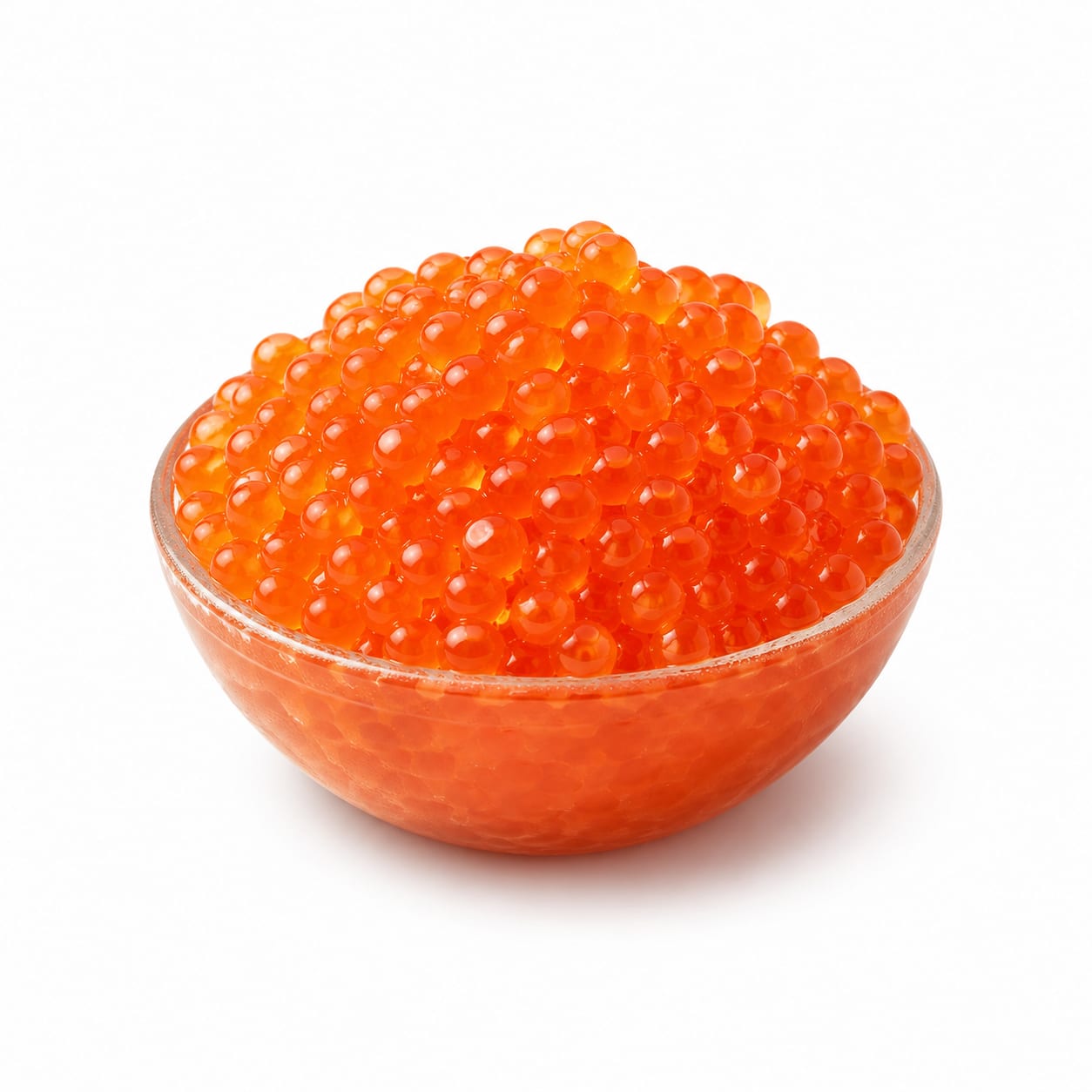
Roe
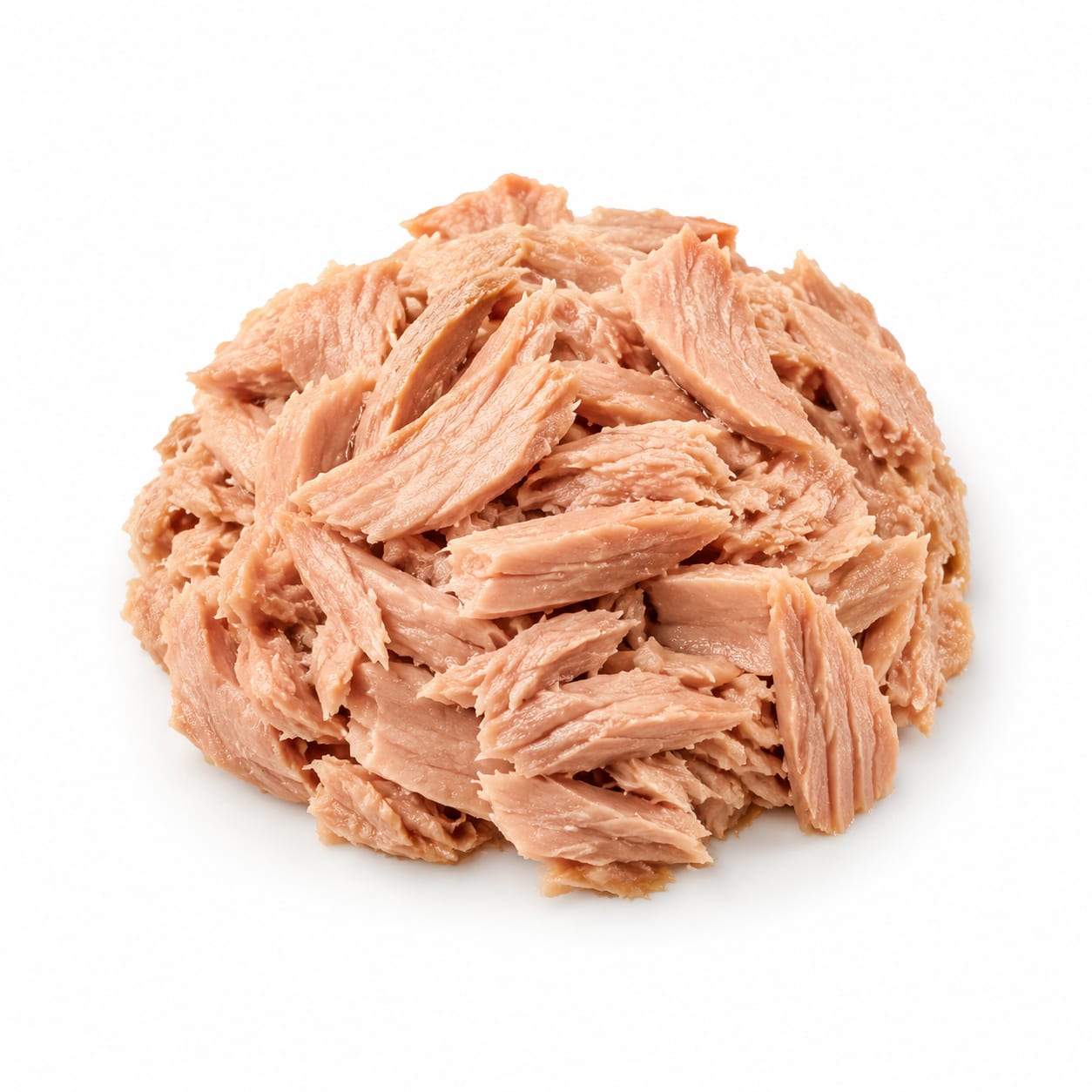
Tuna
Roe wins on nutrient density and omega-3 concentration, but tuna wins on protein, practicality, and everyday affordability. Your choice depends on whether you need a micronutrient boost or a filling protein staple.
Tuna edges ahead slightly due to protein content, affordability, and everyday usability. Roe scores high on nutrient density but loses ground on sodium, cost, and portion practicality. The close scores reflect that each excels in very different use cases.
Roe delivers more brain-boosting DHA and rare micronutrients in tiny portions, while tuna provides far more satiating protein at a fraction of the cost — but carries higher mercury risk.
At a glance
Executive summary
Overall
It depends
Healthier
It depends
More practical
Tuna
Daily use
Tuna
Key comparison lenses
omega-3 and brain health optimization
Both foods are prized for omega-3s, but roe delivers dramatically more DHA per gram, making this the headline comparison
mercury and heavy metal safety
Tuna's mercury reputation is a major consumer concern, while roe's contamination profile is less discussed but important
protein vs nutrient density tradeoff
Tuna is a protein powerhouse, roe is a micronutrient bomb — users are choosing between bulk nutrition and concentrated essence
sodium and blood pressure impact
Most roe is salted or cured, creating a hidden sodium load that tuna avoids when fresh
everyday practicality and affordability
Tuna is a weekly staple for many; roe is a specialty item with very different accessibility
Best choice for
Roe
- Pregnant women seeking maximum DHA (if low-mercury roe)
- People wanting nutrient density over bulk calories
- Those eating small, rich portions rather than large meals
- Anyone prioritizing vitamin B12 and selenium in minimal volume
- Brain health optimization with minimal food volume
Tuna
- Athletes and gym-goers needing high protein
- Budget-conscious meal preppers
- People wanting a filling, low-calorie main dish
- Those who eat fish multiple times per week
- Anyone needing versatile, easy-to-find protein
Least suitable for
Roe
- People on low-sodium diets (most roe is heavily salted)
- Those with gout or uric acid concerns
- Anyone watching cholesterol closely
- Budget-limited households
- People needing large satisfying portions
Tuna
- Pregnant women (especially albacore, due to mercury)
- Children under 6 (mercury sensitivity)
- People eating fish daily already (cumulative mercury)
- Those with severe fish allergies
- Anyone worried about long-term heavy metal accumulation
Deep comparison
Dimension by dimension
Each lens scores both foods and breaks down who each option suits.
- Dimension 1 · Priority 95Roe
omega-3 and brain nutrition
Roe · 94Tuna · 72Roe is one of the most concentrated DHA sources on the planet, delivering far more brain-supporting omega-3s per gram than tuna.
Tradeoff
You get extraordinary omega-3 density from roe, but in a tiny portion that won't fill you up — tuna gives less omega-3 per gram but in a satisfying meal-sized quantity.
Why it matters
DHA is critical for brain function, mood stability, and fetal development. Getting more from less food is valuable when appetite is low.
Real-world impact
A spoonful of roe can deliver the DHA of a small tuna steak, making it an efficient brain-health booster if you don't eat large fish portions often.
Roe
- Maximizing DHA intake without eating large volumes
- Pregnant women needing efficient omega-3 delivery
- Older adults prioritizing cognitive preservation
Better for
- Anyone needing omega-3s on a tight budget
- People who dislike strong fishy flavors
Worse for
Tuna
- Getting omega-3s alongside substantial protein
- People who prefer getting nutrients from full meals
- Those who eat fish regularly and accumulate omega-3s over time
Better for
- Those who need maximum DHA per calorie
- People eating small portions due to low appetite
Worse for
- Dimension 2 · Priority 90Tuna
protein and satiety
Roe · 45Tuna · 93Tuna is a lean protein powerhouse that fills you up for hours. Roe provides minimal protein per serving due to its tiny typical portion size.
Tradeoff
Tuna delivers satisfying, hunger-crushing protein in a realistic meal. Roe's protein is mathematically decent per 100g but irrelevant in the spoonfuls people actually eat.
Why it matters
Protein isn't just about numbers — it's about feeling full, preserving muscle, and not snacking an hour later.
Real-world impact
A tuna steak keeps you full for 4-5 hours. A serving of roe is gone in seconds and leaves you reaching for more food.
Roe
- Small appetite eaters who need nutrients over bulk
- Supplement-style eating where protein comes from other sources
Better for
- Athletes or anyone with high protein needs
- People using fish as a main protein source
Worse for
Tuna
- Post-workout recovery meals
- Anyone trying to stay full on fewer calories
- Meal prep and lunchbox protein
- Weight management through high-satiety eating
Better for
- Those who find lean fish too dry or unsatisfying
- People who struggle with portion control of high-protein foods
Worse for
- Dimension 3 · Priority 90It depends
mercury and contamination safety
Roe · 72Tuna · 55Roe generally carries less mercury than large tuna, but contamination varies widely by species and water source. Tuna's mercury problem is well-documented and dose-dependent.
Tradeoff
Tuna's mercury risk is real and cumulative with frequent consumption. Roe is usually lower in mercury, but quality and sourcing matter enormously — cheap roe from polluted waters can still be problematic.
Why it matters
Mercury accumulates over time and affects neurological health. This is especially critical for pregnant women, children, and regular fish eaters.
Real-world impact
Eating canned albacore tuna several times a week can push mercury intake past safe limits. Roe eaten occasionally as a condiment presents far less cumulative risk.
Roe
- Pregnant women seeking safer omega-3 sources
- Children who need DHA without mercury exposure
- People who eat fish frequently and need lower-mercury options
Better for
- People eating roe from unknown or unverified sources
- Those assuming all roe is automatically safe
Worse for
Tuna
- Skipjack tuna eaters (lower mercury than albacore)
- Those who eat tuna only occasionally
- Anyone prioritizing well-studied, regulated seafood
Better for
- Regular consumers of albacore or bigeye tuna
- Pregnant women following outdated tuna guidelines
- Children eating tuna sandwiches frequently
Worse for
- Dimension 4 · Priority 82Tuna
sodium and blood pressure
Roe · 30Tuna · 78Most roe is cured with heavy salt, delivering a massive sodium hit in small portions. Fresh or canned tuna is comparatively low in sodium.
Tradeoff
Roe's incredible nutrient profile comes packaged with a sodium load that can spike blood pressure. Tuna gives you clean protein without the salt bomb — unless it's canned with added sodium.
Why it matters
High sodium intake is a leading driver of hypertension, which often has no symptoms until damage is done.
Real-world impact
Two tablespoons of salted roe can contain 400-800mg of sodium. That's a significant chunk of your daily limit in a garnish-sized portion.
Roe
- People who eat roe very occasionally as a treat
- Those who find fresh unsalted roe options
Better for
- Hypertensive individuals
- People who don't realize how much sodium cured roe contains
- Anyone eating multiple salty foods in the same meal
Worse for
Tuna
- Anyone monitoring blood pressure
- People on heart-healthy low-sodium diets
- Those who season their own food and control salt intake
Better for
- Those eating heavily salted canned tuna varieties
- People adding large amounts of soy sauce or salt to tuna dishes
Worse for
- Dimension 5 · Priority 85Roe
micronutrient density
Roe · 92Tuna · 70Roe is one of the most micronutrient-dense foods available, packing extraordinary amounts of B12, vitamin D, selenium, and iodine into tiny servings.
Tradeoff
Roe delivers rare and valuable nutrients with exceptional efficiency, but you'd need to eat impractical amounts to get the total nutrient volume that a normal tuna portion provides.
Why it matters
Micronutrient deficiencies are common, especially B12 and vitamin D. Concentrated sources can help close gaps efficiently.
Real-world impact
A small serving of roe can meet your entire B12 requirement for the day. Tuna also provides B12, but you need a full portion to get the same effect.
Roe
- People with B12 deficiency concerns
- Those needing vitamin D from food sources
- Anyone eating small portions who needs maximum nutrition per bite
- Older adults with reduced nutrient absorption
Better for
- Anyone assuming roe alone covers all nutritional needs
- People who can't afford consistent roe consumption
Worse for
Tuna
- Those getting adequate micronutrients from a varied diet
- People who prefer getting nutrients spread across larger meals
Better for
- Those relying on tuna as their primary nutrient source without variety
Worse for
- Dimension 6 · Priority 78Tuna
practicality and cost
Roe · 25Tuna · 88Tuna is affordable, widely available, and easy to incorporate into meals. Roe is expensive, harder to find, and used more as a garnish than a staple.
Tradeoff
Tuna fits into almost any budget and meal plan. Roe is a luxury ingredient that most people reserve for special occasions — not something you build a weekly diet around.
Why it matters
The healthiest food only matters if you can actually eat it regularly. Affordability and accessibility determine real-world nutrition outcomes.
Real-world impact
Canned tuna costs a few dollars and feeds a family. Quality roe can cost $20-100+ for a small jar that's gone in one sitting.
Roe
- Special occasion meals where luxury is the point
- Those who can afford premium nutrition add-ons
- People using roe as a targeted supplement rather than a food
Better for
- Anyone on a tight grocery budget
- People without access to specialty or seafood markets
Worse for
Tuna
- Weekly meal preppers
- Families feeding multiple people affordably
- Anyone who needs reliable protein without specialty shopping
- Students and budget-conscious eaters
Better for
- Those who find canned tuna unappetizing
- People concerned about canned food quality
Worse for
- Dimension 7 · Priority 72Tuna
cholesterol and heart health
Roe · 40Tuna · 75Roe is very high in cholesterol, which matters for some people despite the ongoing scientific debate. Tuna is lean and low in cholesterol.
Tradeoff
Roe's cholesterol content is substantial per serving, though dietary cholesterol affects individuals differently. Tuna gives you heart-friendly protein without the cholesterol question mark.
Why it matters
For people with genetic cholesterol sensitivity or existing heart conditions, high-cholesterol foods warrant caution even if the science is nuanced.
Real-world impact
A serving of roe can contain over 100mg of cholesterol. If you're watching your numbers, this adds up quickly alongside other animal foods.
Roe
- People with normal cholesterol who process dietary cholesterol well
- Those eating roe in small, infrequent amounts
Better for
- People with familial hypercholesterolemia
- Those already eating high-cholesterol diets
Worse for
Tuna
- Anyone with elevated LDL cholesterol
- People following heart-healthy eating patterns
- Those eating multiple animal protein sources daily
Better for
- People who assume all fish is equally heart-healthy without checking preparation methods
Worse for
Timeline
Health impact over time
Short-term
Hours to days
Roe
- Quick DHA boost that supports immediate cognitive performance
- High sodium can cause bloating and thirst within hours
- Rich flavor promotes satisfaction in small amounts
- May trigger gout flares in susceptible individuals due to purines
Tuna
- Strong satiety that reduces hunger for 3-5 hours
- Steady energy without blood sugar spikes
- Possible digestive comfort issues if eaten in very large portions
- Quick post-workout muscle recovery support
Long-term
Months to years
Roe
- Consistent DHA intake supports brain health and cognitive aging
- Chronic high sodium intake from cured roe raises hypertension risk
- Purine load may worsen gout over time with frequent consumption
- Rare micronutrients like B12 and selenium help prevent deficiency-related conditions
Tuna
- Regular consumption supports lean muscle maintenance and metabolic health
- Cumulative mercury exposure is a real concern with frequent tuna intake, especially albacore
- Consistent lean protein intake aids weight management and satiety
- Long-term omega-3 intake from tuna supports cardiovascular health, though less potently than roe
Risk profile
Safety & processing
Fresh tuna is about as natural as protein gets — just a fish fillet. Roe is naturally a whole food too, but most commercially available roe is cured with salt and sometimes preservatives, moving it into processed territory. Canned tuna can contain added sodium but generally has fewer additives than cured roe.
Roe
High sodium from curing
mediumMost roe is salted for preservation, delivering 400-800mg+ sodium per small serving. This is a hidden risk for blood pressure management.
Contamination from source waters
mediumRoe quality depends entirely on the water it comes from. Roe from polluted areas can carry heavy metals, PCBs, and microplastics.
Allergic reactions
lowFish roe can trigger allergic responses in fish-allergic individuals, sometimes more severely than the fish itself.
Purine and gout risk
mediumRoe is high in purines, which can trigger gout attacks in susceptible people when consumed regularly.
Tuna
Mercury accumulation
highTuna, especially albacore and bigeye, accumulates significant mercury. Regular consumption can lead to unsafe mercury levels, particularly dangerous for pregnant women and children.
Scombroid poisoning
lowImproperly stored fresh tuna can cause histamine poisoning, leading to flushing, headache, and digestive distress within hours.
Canned tuna BPA exposure
lowSome canned tuna uses BPA-lined cans, though many brands have phased this out. Long-term low-dose exposure is still debated.
Parasitic infection from raw tuna
lowRaw tuna in sushi or sashimi can carry parasites if not previously frozen per FDA guidelines. Reputable restaurants follow freezing protocols.
Who wins for whom
Audience fit
Same foods, different winners depending on your goal.
children
It dependsLow-mercury roe in tiny amounts provides excellent DHA for developing brains, but its salt content and strong flavor limit suitability. Light tuna in moderation is more kid-friendly but requires strict portion control for mercury safety.
daily consumption
TunaTuna (especially light/skipjack) can be eaten several times per week with reasonable safety. Roe's sodium content and cost make daily consumption impractical and potentially harmful.
diabetes
TunaTuna has zero carbs and provides steady, satisfying protein that stabilizes blood sugar. Roe also has minimal carbs but its high sodium worsens the hypertension risk that often accompanies diabetes.
elderly
It dependsRoe's concentrated B12 and DHA support cognitive health and nutrient absorption issues common in aging. Tuna's protein helps prevent sarcopenia. Both have merits, but roe's sodium and tuna's mercury require careful management.
muscle gain
TunaTuna delivers substantial complete protein in realistic meal portions. Roe's protein content per actual serving is too small to meaningfully support muscle building.
weight loss
TunaTuna provides high protein with low calories in satisfying portions, making it far easier to stay full while cutting calories. Roe's tiny portions won't fill you up, and its sodium can cause water retention.
Your move
Decision guide
Choose Roe
- You want maximum brain-supporting DHA in the smallest possible portion
- You're treating yourself to a nutrient-dense delicacy for occasional use
- You have low appetite but need concentrated nutrition
- You're looking for a B12 and selenium boost without eating large meals
- You can source high-quality, lower-sodium roe from trusted suppliers
Choose Tuna
- You need affordable, filling protein for regular meals
- You're meal prepping or feeding a family on a budget
- You want lean protein for weight management or muscle maintenance
- You prefer eating fish as a main dish rather than a garnish
- You're choosing skipjack or light tuna and eating it a few times per week
Either works if
- You're seeking omega-3s and can vary your seafood sources across the week
- You want to rotate between concentrated and bulk fish nutrition
- You enjoy both foods and can balance their different risk profiles
Avoid both if
- You have severe fish or shellfish allergies
- You're strictly limiting all seafood due to contamination concerns
- You need a plant-based omega-3 source instead
- You're already eating high amounts of seafood and risk mercury overaccumulation
Final recommendation
Think of roe as a supplement and tuna as a staple. Use roe a few times per month as a concentrated nutrient boost — a spoonful on a salad or with eggs delivers extraordinary DHA and B12. Eat tuna a couple of times per week as a satisfying protein source, choosing skipjack over albacore to manage mercury. Together, they cover each other's weaknesses. Alone, each has real tradeoffs to respect.
Practical
Consumer tips
- 1
Choose skipjack or light tuna over albacore to cut mercury exposure by roughly 60%
- 2
Look for fresh or frozen unsalted roe when possible — it eliminates the sodium concern almost entirely
- 3
Limit albacore tuna to once per week maximum, especially if you're pregnant or feeding children
- 4
Check roe sourcing: wild-caught from clean waters is worth the premium over farmed or unknown-origin roe
- 5
Rinse canned tuna to remove about 25% of the sodium
- 6
If buying roe, refrigerate immediately and consume within 2-3 days — it spoils quickly
- 7
Pair roe with avocado or eggs to create a nutrient-dense mini-meal that actually satisfies
- 8
Freeze fresh tuna portions immediately if not eating within a day to prevent histamine buildup
- 9
Consider alternating between roe, sardines, and salmon across the week for omega-3 diversity with lower mercury risk