
Nutrition comparison
Roe vs Shrimp: Nutrition, Omega-3 & Health Comparison
Discover the nutritional differences between Roe and Shrimp. Compare omega-3s, protein, cholesterol, and which seafood is better for your diet.
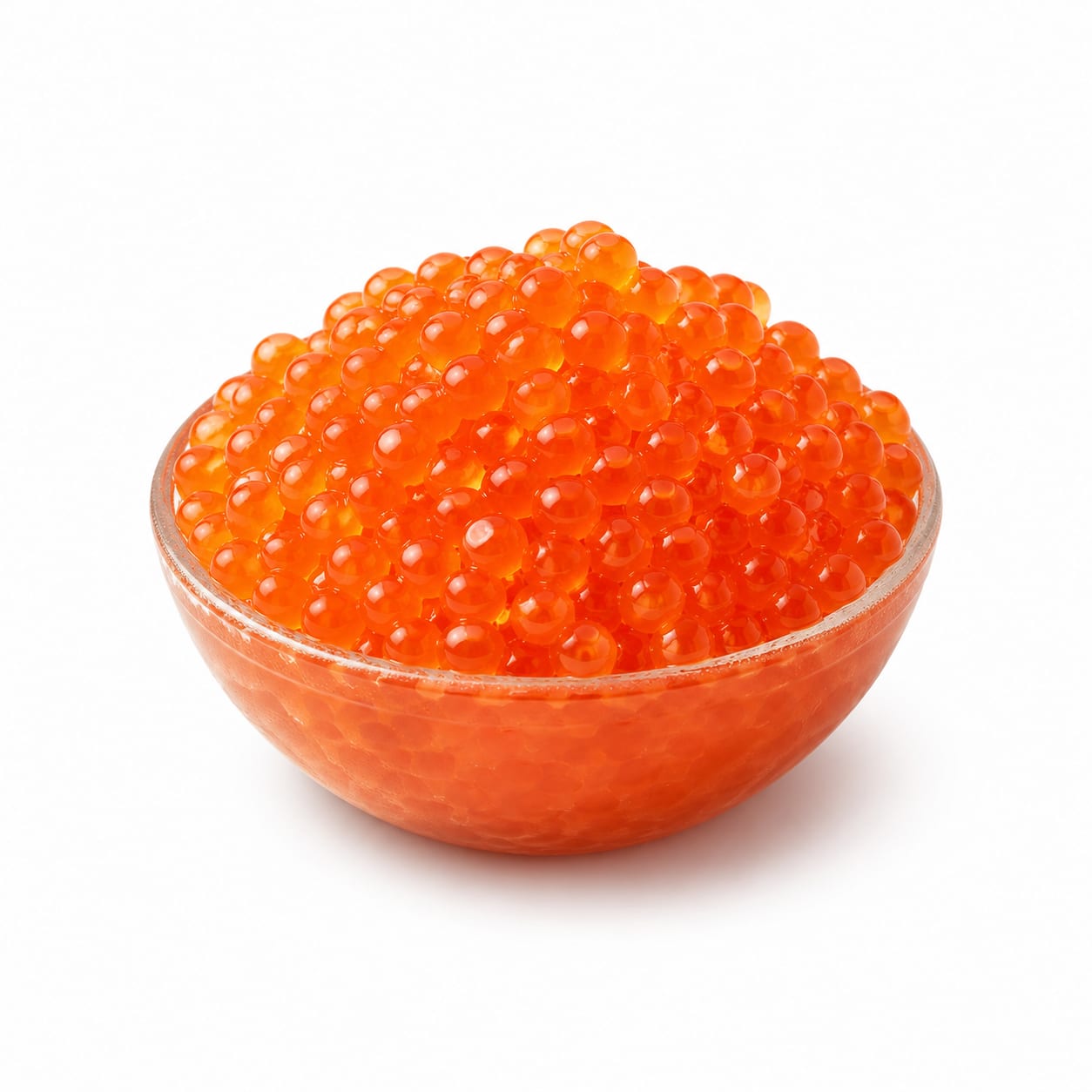
Roe
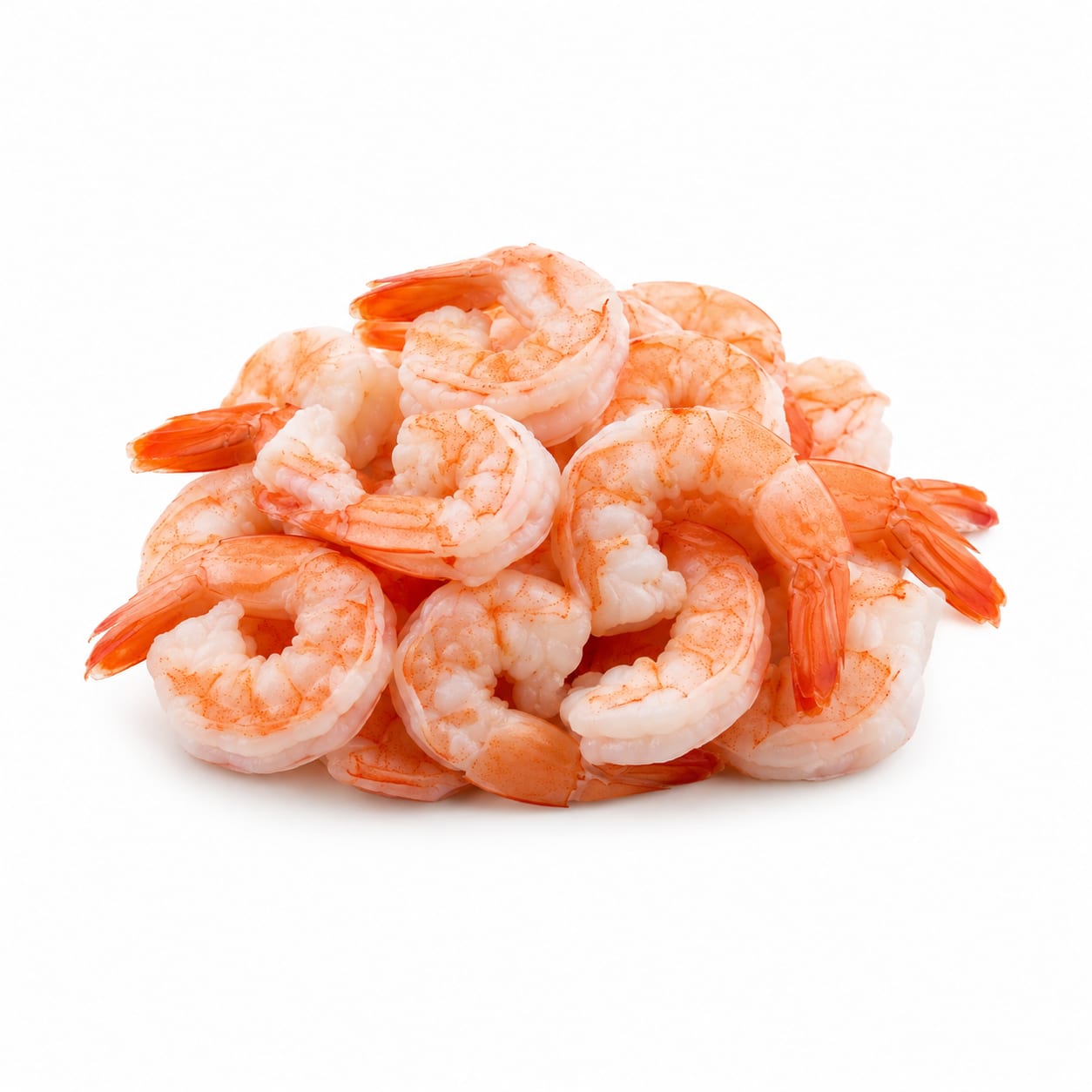
Shrimp
Roe delivers an unmatched concentration of omega-3s and vitamins, while Shrimp offers leaner protein and far greater everyday meal versatility.
Shrimp scores higher overall due to its lean protein profile, lower sodium, and everyday practicality. Roe scores slightly lower primarily because of its dense calorie load, high sodium from curing, and gout risk, despite being a nutritional powerhouse.
Roe is a nutrient powerhouse but comes with high sodium and purines, whereas Shrimp is lighter, lower in calories, and easier to eat regularly.
At a glance
Executive summary
Overall
It depends
Healthier
It depends
More practical
Shrimp
Daily use
Shrimp
Key comparison lenses
Nutrient density and omega-3 comparison
Roe is famously rich in DHA and fat-soluble vitamins, while Shrimp offers lean protein, making this a classic fats-vs-protein seafood matchup.
Cholesterol and heart health impact
Both foods are known for dietary cholesterol, but their effects on heart health differ significantly due to fat profiles.
Sodium and processing concerns
Roe is frequently cured with salt, whereas Shrimp is usually sold fresh or frozen, creating a major sodium tradeoff.
Everyday practicality and meal versatility
Shrimp is a staple protein for many diets, while Roe is typically a garnish or delicacy, impacting how often people actually eat them.
Best choice for
Roe
- Pregnant women seeking natural DHA
- People needing a vitamin B12 boost
- Those looking for concentrated omega-3s without supplements
Shrimp
- Anyone tracking calories for weight loss
- People needing a versatile everyday lean protein
- Those managing sodium intake
Least suitable for
Roe
- People with gout or high uric acid
- Anyone on a strict low-sodium diet
- Those watching their calorie density closely
Shrimp
- People with severe shellfish allergies
- Those highly sensitive to dietary cholesterol
Deep comparison
Dimension by dimension
Each lens scores both foods and breaks down who each option suits.
- Dimension 1 · Priority 95Roe
Nutrient Density
Roe · 96Shrimp · 82Roe is one of the most nutrient-dense foods on the planet, packed with DHA, vitamin D, and B12. Shrimp is nutritious but lacks the concentrated fat-soluble vitamins.
Tradeoff
You get vastly more omega-3s and vitamins with Roe, but it comes with a much higher calorie and fat price tag per bite.
Why it matters
If you rarely eat fish or take supplements, Roe provides a massive nutritional shortcut in a tiny serving.
Real-world impact
A small spoonful of Roe can cover your daily B12 and DHA needs, whereas Shrimp requires a full portion to deliver similar mineral benefits.
Roe
- Brain health and cognitive function
- Vitamin D deficiency support
- Pregnancy DHA needs
Better for
- Calorie density if overconsumed
Worse for
Shrimp
- Iodine and selenium intake
- Lean muscle maintenance
- Low-fat diet compliance
Better for
- Fat-soluble vitamin intake
Worse for
- Dimension 2 · Priority 85Shrimp
Heart Health & Cholesterol
Roe · 68Shrimp · 85Shrimp is very lean and its cholesterol impact is minimal for most people. Roe has beneficial omega-3s but is often cured in salt, which raises blood pressure risks.
Tradeoff
Roe provides anti-inflammatory omega-3s but delivers them alongside high sodium, while Shrimp offers heart-friendly lean protein without the salt bomb.
Why it matters
Dietary sodium is a stronger driver of heart disease risk for most people than dietary cholesterol.
Real-world impact
Eating Shrimp a few times a week fits easily into a heart-healthy diet, but eating salted Roe regularly could push your blood pressure up.
Roe
- Triglyceride reduction from DHA
Better for
- Blood pressure spikes from sodium
Worse for
Shrimp
- Blood pressure management
- Low-fat heart diets
- Overall cardiovascular safety
Better for
- Cholesterol-sensitive individuals
Worse for
- Dimension 3 · Priority 80Shrimp
Weight Management & Satiety
Roe · 60Shrimp · 92Shrimp is incredibly low in calories while being packed with filling protein. Roe is calorie-dense due to its fat content and easy to overeat as a garnish.
Tradeoff
Roe satisfies with rich fats but won't fill your stomach, while Shrimp provides high volume and protein for very few calories.
Why it matters
For sustainable weight loss, volume and protein matter more than nutrient density per gram.
Real-world impact
A bowl of shrimp will leave you full for hours; the same calories in Roe amount to barely a bite.
Roe
- Keto and low-carb diets
- High-fat meal prep
Better for
- Portion control difficulty
- High calorie density
Worse for
Shrimp
- Calorie counting
- High-protein diets
- Appetite control
Better for
- Low-fat diet adherence
Worse for
- Dimension 4 · Priority 75Shrimp
Food Safety & Contaminants
Roe · 70Shrimp · 78Both carry ocean contamination risks, but Roe often comes from larger fish higher up the food chain, and its curing process can introduce bacteria if not handled well.
Tradeoff
Shrimp has a severe allergy risk and farm-raised antibiotic concerns, while Roe carries a higher heavy metal and purine load.
Why it matters
Your personal health profile—whether you have allergies or gout—completely shifts which food is safer for you.
Real-world impact
A shellfish allergy makes Shrimp deadly, but gout makes Roe a painful trigger. For the average person, moderate consumption of both is safe.
Roe
- Avoiding shellfish allergies
Better for
- Gout and uric acid risks
- Potential heavy metals
Worse for
Shrimp
- Avoiding gout flares
- Lower heavy metal exposure (wild-caught)
Better for
- Life-threatening allergic reactions
- Antibiotic residues in farmed varieties
Worse for
- Dimension 5 · Priority 70Shrimp
Practicality & Versatility
Roe · 45Shrimp · 90Shrimp cooks in minutes and stars in countless global dishes. Roe is mostly a delicacy or garnish, limiting its role in daily cooking.
Tradeoff
Roe brings a gourmet touch to special occasions, but Shrimp is an everyday workhorse that adapts to any flavor profile.
Why it matters
A healthy food only works if you actually know how to incorporate it into your routine.
Real-world impact
You can toss Shrimp into a stir-fry, salad, or pasta on a Tuesday night; Roe usually requires a special recipe or occasion.
Roe
- Sushi and appetizer presentations
- Gourmet dining experiences
Better for
- High cost per serving
- Limited recipe flexibility
Worse for
Shrimp
- Weeknight dinners
- Meal prep batches
- Budget-friendly protein options
Better for
- Overcooking ruins the texture
Worse for
Timeline
Health impact over time
Short-term
Hours to days
Roe
- Quick satisfaction from rich, healthy fats
- Potential bloating from high sodium if cured
Shrimp
- Light but satisfying protein hit
- Quick energy without feeling heavy or sluggish
Long-term
Months to years
Roe
- Excellent brain health support from DHA
- Increased gout risk if consumed too frequently
Shrimp
- Sustained muscle maintenance from lean protein
- Improved thyroid function from natural iodine
Risk profile
Safety & processing
Shrimp is typically sold fresh or frozen with minimal intervention. Roe is almost always cured with salt or lightly pasteurized, making it a more processed product by comparison.
Roe
High purine content
mediumCan trigger gout attacks in susceptible individuals if eaten in significant amounts.
Sodium load from curing
mediumMost commercial Roe is salted, which can easily push daily sodium intake over recommended limits.
Heavy metal accumulation
lowDepending on the fish species, Roe can carry trace amounts of mercury or other ocean pollutants.
Shrimp
Shellfish allergy
highOne of the most common and potentially life-threatening food allergies.
Antibiotic residues in farmed varieties
mediumImported farm-raised Shrimp often test positive for antibiotics banned in many countries.
Sodium tripolyphosphate (STPP) additives
lowSometimes used to retain moisture in frozen Shrimp, which adds unnecessary phosphates to your diet.
Who wins for whom
Audience fit
Same foods, different winners depending on your goal.
children
ShrimpShrimp is an easy, safe finger food packed with growth-supporting protein, whereas Roe's sodium and strong flavor are less kid-friendly.
daily consumption
ShrimpShrimp is a versatile, low-calorie staple that fits into almost any daily meal routine without sodium or purine overload.
diabetes
ShrimpShrimp has zero carbs and is very low in fat, keeping insulin sensitivity high and blood sugar perfectly stable.
elderly
ShrimpShrimp is easy to chew, high in selenium for immune support, and low in sodium when prepared fresh.
muscle gain
ShrimpShrimp offers a higher pure protein content per calorie, which is the primary driver for muscle repair and growth.
weight loss
ShrimpShrimp provides massive protein volume for very few calories, making it far easier to stay in a deficit.
Your move
Decision guide
Choose Roe
- You want a massive DHA and B12 boost without taking pills
- You are preparing a gourmet appetizer or sushi night
- You follow a keto diet and need nutrient-dense fats
Choose Shrimp
- You need a lean, filling protein for weight management
- You want an easy weeknight dinner that cooks in minutes
- You are watching your sodium or have gout concerns
Either works if
- You need high-quality seafood protein and selenium
- You are looking for zero-carb, nutrient-rich food options
Avoid both if
- You have a severe shellfish or fish allergy
- Your doctor has advised a strict low-cholesterol diet
Final recommendation
Let Shrimp be your everyday seafood staple for lean protein and meal versatility, and treat Roe as a powerful, occasional garnish to supercharge your omega-3 and vitamin intake.
Practical
Consumer tips
- 1
Rinse cured Roe gently under cold water before eating to wash away excess surface salt.
- 2
Always buy wild-caught Shrimp to avoid antibiotic residues and support better farming practices.
- 3
Keep Roe portions small—think a garnish or topping rather than a main course to manage sodium and calories.
- 4
Thaw frozen Shrimp in the refrigerator overnight rather than on the counter to prevent bacterial growth.