
Nutrition comparison
Roe vs Sardines: Which Omega-3 Superfood Is Actually Better for You?
Compare roe and sardines on omega-3 content, protein, cholesterol, cost, and sustainability. Find out which seafood deserves a spot in your weekly meals.
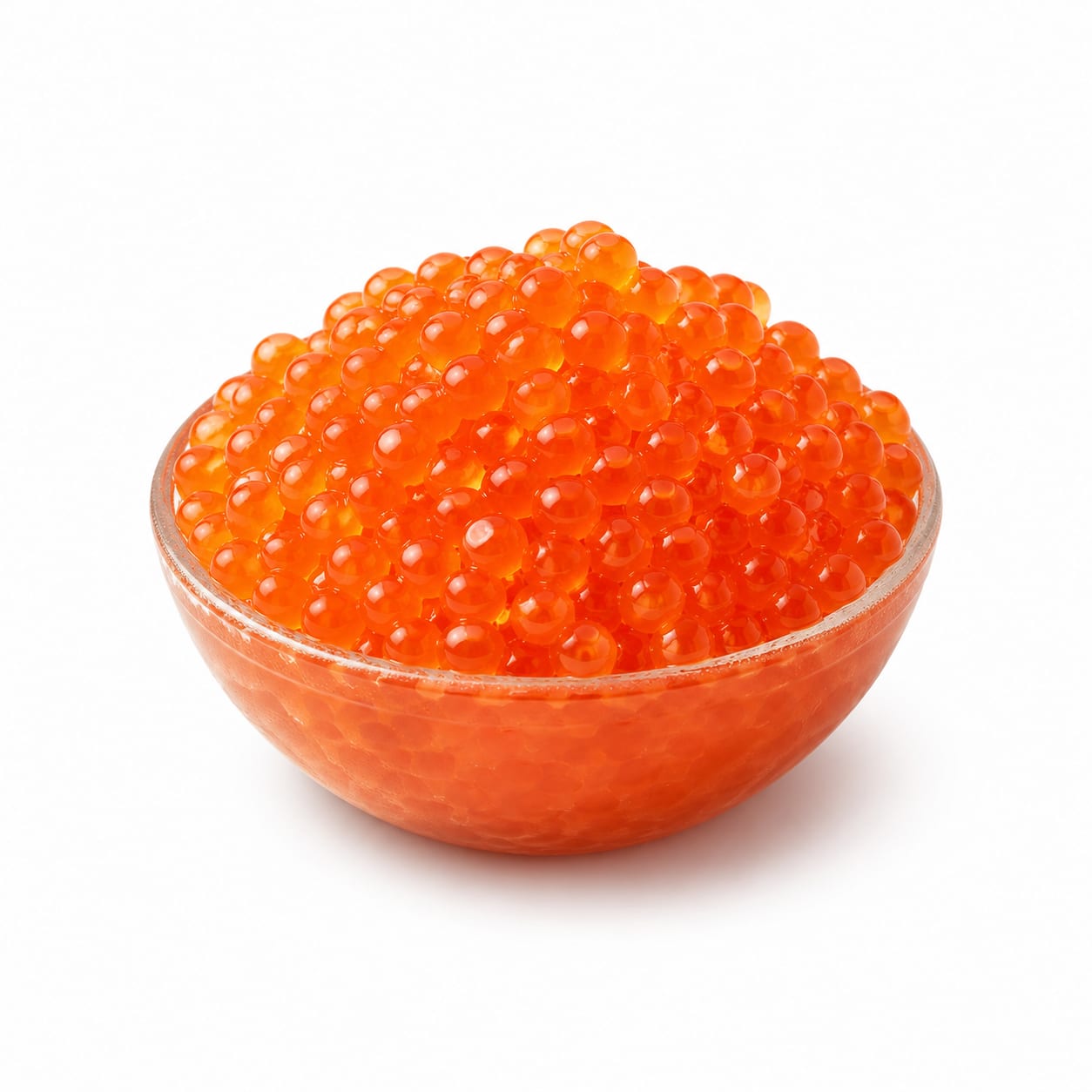
Roe
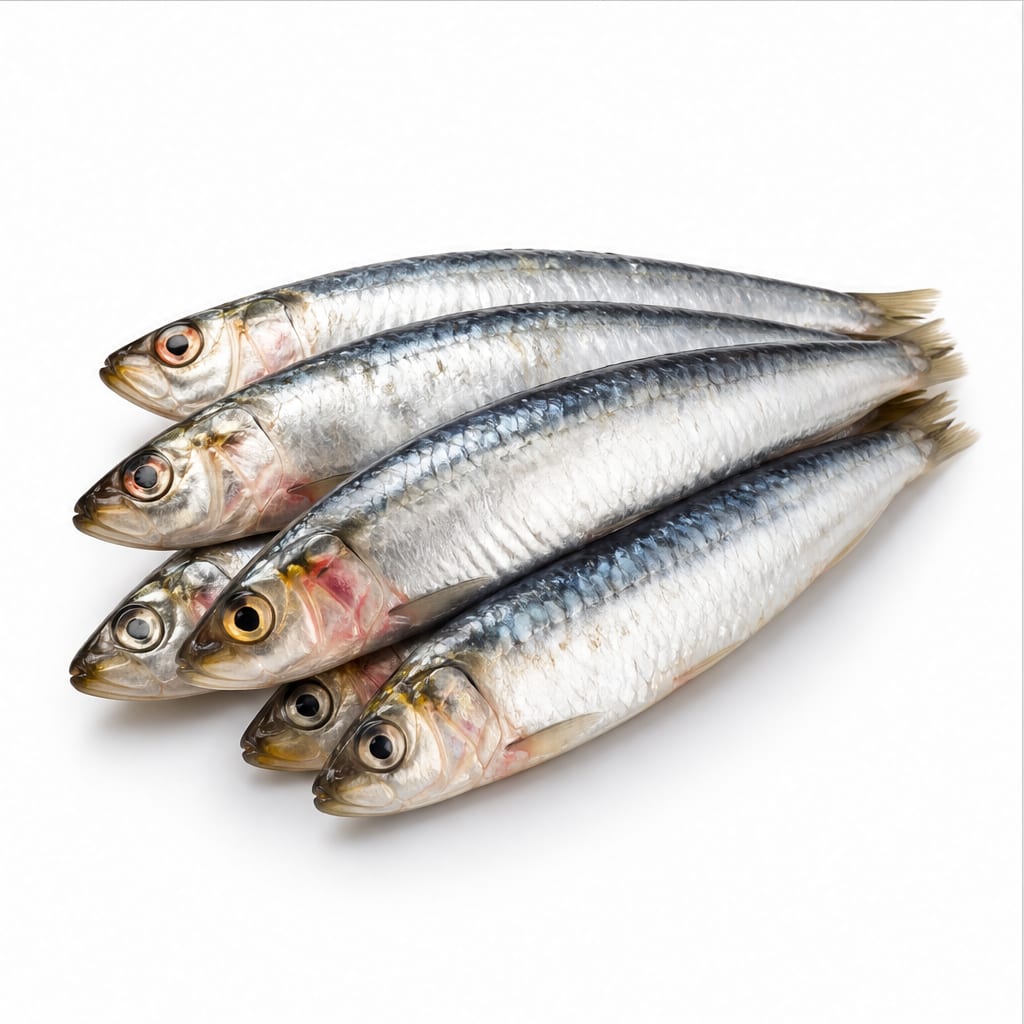
Sardines
Sardines win on practicality, protein, and everyday nutrition. Roe wins on omega-3 concentration and bioavailability per gram, but is a luxury garnish, not a staple food.
Sardines score significantly higher due to protein content, affordability, versatility, and sustainability. Roe is nutritionally impressive per gram but is eaten in tiny portions, limiting its real-world impact on your diet.
Roe delivers more DHA per bite in a highly absorbable form, but costs far more and cannot replace sardines as a filling, affordable, protein-rich meal.
At a glance
Executive summary
Overall
It depends
Healthier
Sardines
More practical
Sardines
Daily use
Sardines
Key comparison lenses
omega-3 density and brain health
Both foods are elite omega-3 sources, but roe delivers DHA in a uniquely bioavailable phospholipid form while sardines offer balanced EPA and DHA
everyday practicality and affordability
Sardines are cheap, shelf-stable, and easy to find; roe is expensive, perishable, and treated as a luxury or garnish
cholesterol and heart health tradeoffs
Roe is extremely high in cholesterol, which matters for cardiovascular risk assessment, while sardines carry a more heart-friendly lipid profile
sustainability and environmental impact
Sardines are among the most sustainable seafood choices; roe sourcing varies widely and can involve bycatch or depleted stocks
protein and satiety for meals
Sardines provide substantial protein that fills you up; roe is typically eaten in small amounts and cannot anchor a meal
Best choice for
Roe
- Pregnant women seeking maximum DHA for fetal brain development
- People wanting a nutrient-dense garnish to boost omega-3 absorption
- Those already eating adequate protein who want a concentrated brain-health supplement
- Culinary enthusiasts who value unique flavors and textures
Sardines
- Budget-conscious eaters needing affordable omega-3s
- Anyone wanting a complete, filling meal with protein and healthy fats
- Older adults needing calcium, vitamin D, and heart-protective fats
- People who want a sustainable daily seafood habit
Least suitable for
Roe
- People with high cholesterol who need to limit dietary cholesterol intake
- Anyone on a tight grocery budget
- Gout sufferers sensitive to purine-dense foods eaten in larger amounts
- Those who need a protein-forward meal component
Sardines
- People who cannot tolerate strong fish flavors or smells
- Those with sardine-specific allergies or sensitivities
- Anyone avoiding canned foods due to BPA or sodium concerns
Deep comparison
Dimension by dimension
Each lens scores both foods and breaks down who each option suits.
- Dimension 1 · Priority 95Roe
omega-3 quality and bioavailability
Roe · 94Sardines · 85Roe contains DHA bound to phospholipids, which your body absorbs more efficiently than the triglyceride-bound omega-3s in sardines. Gram for gram, roe is one of the most concentrated DHA sources on earth.
Tradeoff
You would need to eat a large amount of sardines to match the DHA density in a small serving of roe, but sardines provide both EPA and DHA in a more balanced ratio.
Why it matters
Phospholipid DHA crosses the blood-brain barrier more effectively, making roe uniquely valuable for brain health and cognitive function.
Real-world impact
A tablespoon of roe on your toast delivers a concentrated brain-health boost that would require nearly a full tin of sardines to approach, though the total omega-3 volume from sardines is still substantial.
Roe
- Targeted brain health support
- Pregnancy DHA supplementation
- Maximum omega-3 density per calorie
Better for
- Tiny serving sizes limit total omega-3 volume consumed
- Cost prevents eating enough to fully replace other omega-3 sources
Worse for
Sardines
- Balanced EPA and DHA intake for whole-body inflammation control
- Sustained omega-3 intake across multiple meals per week
- Heart health where EPA matters as much as DHA
Better for
- Triglyceride-bound DHA is slightly less efficiently absorbed than phospholipid DHA
Worse for
- Dimension 2 · Priority 85Sardines
protein and satiety
Roe · 35Sardines · 90Sardines deliver roughly 23g of protein per tin, making them a legitimate meal anchor. Roe provides minimal protein because typical servings are so small.
Tradeoff
Roe is a nutrient garnish; sardines are a protein-rich food that actually fills you up and keeps you satisfied for hours.
Why it matters
Protein drives fullness, muscle maintenance, and blood sugar stability. A food that cannot deliver meaningful protein is always a supplement, not a meal.
Real-world impact
Eating sardines for lunch keeps you full until dinner. Eating roe for lunch means you are still hungry and need to eat something else.
Roe
- Cannot function as a standalone protein source
- Leaves you hungry if eaten alone
Worse for
Sardines
- Post-workout recovery
- Weight management through natural appetite control
- Blood sugar stability when eaten as a meal
Better for
- Dimension 3 · Priority 80Sardines
vitamin and mineral density
Roe · 78Sardines · 88Both are micronutrient powerhouses, but sardines win on calcium and vitamin D when eaten with bones, while roe edges ahead on B12 and selenium per gram.
Tradeoff
Sardines with bones provide calcium you actually absorb, which most people lack. Roe has impressive B12 density but you eat so little that the total vitamin contribution is modest.
Why it matters
Calcium and vitamin D together support bone density, especially critical for aging adults. B12 matters for energy and nerve function but is abundant in many animal foods.
Real-world impact
A tin of sardines covers about 30% of your daily calcium and a full day's vitamin D. A serving of roe covers your B12 needs but contributes little to your calcium intake.
Roe
- B12 density per gram for those with absorption issues
- Selenium for thyroid and antioxidant support in a compact serving
Better for
- Tiny portions limit total micronutrient contribution to your day
Worse for
Sardines
- Calcium from bones for osteoporosis prevention
- Vitamin D for immune and bone health
- Iron and phosphorus in meaningful daily amounts
Better for
- Dimension 4 · Priority 82Sardines
cholesterol and heart health profile
Roe · 45Sardines · 82Roe is extremely high in cholesterol — a single serving can contain over 200mg. Sardines are moderate in cholesterol and their omega-3s actively support heart health.
Tradeoff
Roe's cholesterol content is a genuine concern for people managing cardiovascular risk, even though dietary cholesterol affects individuals differently.
Why it matters
For people with elevated LDL or a family history of heart disease, high-cholesterol foods warrant caution regardless of their other nutritional benefits.
Real-world impact
If your doctor has told you to watch dietary cholesterol, sardines are the safer regular choice. Roe can still be enjoyed occasionally without panic, but not daily.
Roe
- Very high cholesterol limits frequency for at-risk individuals
- Cannot be a daily heart-healthy habit for most people
Worse for
Sardines
- Heart-protective omega-3 ratio with lower cholesterol
- Daily consumption without cardiovascular concern
- Anti-inflammatory lipid profile for arterial health
Better for
- Dimension 5 · Priority 88Sardines
affordability and accessibility
Roe · 20Sardines · 92Canned sardines cost roughly $1-3 per tin and are available in virtually every grocery store. Fresh or jarred roe is expensive, often $15-40 per small container, and harder to find.
Tradeoff
Sardines are one of the most affordable superfoods on the planet. Roe is a luxury ingredient that most people cannot justify as a regular purchase.
Why it matters
Nutrition only works if you can access and afford it consistently. The best food for you is the one you will actually eat regularly.
Real-world impact
You can eat sardines three times a week for under $10 total. Eating roe three times a week could cost $45-120, making it unrealistic for most households.
Roe
- Prohibitive cost for regular consumption
- Limited availability outside specialty or coastal markets
Worse for
Sardines
- Weekly meal planning on a budget
- Consistent long-term omega-3 intake without financial strain
- Easy availability in regular grocery stores
Better for
- Dimension 6 · Priority 72Sardines
sustainability and environmental impact
Roe · 50Sardines · 90Sardines are low on the food chain, reproduce quickly, and are rated among the most sustainable seafood choices. Roe sourcing varies widely and can be problematic.
Tradeoff
Some roe comes from managed fisheries, but other sources involve bycatch, habitat disruption, or harvesting from vulnerable stocks. Traceability is often poor.
Why it matters
If you eat seafood regularly, choosing sustainable options matters for ocean health and future availability of the foods you rely on.
Real-world impact
Choosing sardines is one of the lowest-impact ways to get your omega-3s. Choosing roe without verifying the source may contribute to overfishing pressures.
Roe
- Variable sourcing makes it hard to choose responsibly
- Some roe fisheries have bycatch and stock depletion concerns
Worse for
Sardines
- Low trophic level means minimal environmental footprint
- MSC-certified options widely available
- Small pelagic fish with fast reproduction rates
Better for
- Dimension 7 · Priority 70Sardines
versatility and meal integration
Roe · 40Sardines · 78Sardines work in pasta, toast, salads, sandwiches, and straight from the tin. Roe is primarily a garnish or sushi component with limited culinary roles.
Tradeoff
Roe adds a beautiful finishing touch to dishes but cannot carry a meal. Sardines can be the main event or a supporting ingredient.
Why it matters
Foods that integrate easily into multiple meals get eaten more often, delivering their nutritional benefits more consistently.
Real-world impact
You can build an entire week of varied meals around sardines. With roe, you are looking for ways to use a small garnish before it spoils.
Roe
- Elevating special dishes with umami and visual appeal
- Sushi and Japanese cuisine integration
Better for
- Very limited recipe versatility
- Perishable nature creates pressure to use quickly
Worse for
Sardines
- Quick lunches with minimal preparation
- Protein addition to grain bowls, salads, and pasta
- Emergency pantry meals with no cooking required
Better for
- Strong flavor limits appeal for some palates
Worse for
Timeline
Health impact over time
Short-term
Hours to days
Roe
- Quick DHA delivery to support focus and cognitive clarity
- Potential digestive awareness if eating large amounts due to richness
- Minimal satiety impact — you will still need to eat a real meal
Sardines
- Lasting fullness from protein and healthy fats that stabilizes blood sugar for hours
- Noticeable energy steadiness without crashes
- Possible fishy aftertaste or breath that some people find unpleasant
Long-term
Months to years
Roe
- Consistent DHA intake supports brain health and cognitive preservation over decades
- High cholesterol intake may elevate LDL in sensitive individuals if consumed frequently
- Purine load could trigger gout flares in susceptible people
Sardines
- Regular consumption strongly associated with reduced cardiovascular disease risk
- Calcium and vitamin D from bones support bone mineral density as you age
- Anti-inflammatory omega-3 profile may reduce chronic disease risk markers
Risk profile
Safety & processing
Both foods are minimally processed in their natural forms. Canned sardines may contain added salt or olive oil, so check labels. Fresh roe is unprocessed but jarred versions sometimes contain preservatives or added sodium.
Roe
high cholesterol load
mediumA single serving can exceed 200mg of cholesterol, which is a concern for people with existing cardiovascular risk factors or familial hypercholesterolemia.
purine density and gout
mediumRoe is purine-rich and can trigger gout attacks in susceptible individuals, especially if eaten alongside other high-purine foods.
contamination from water source
lowRoe absorbs contaminants from the parent fish's environment. Quality varies by source, but most commercial roe comes from relatively clean fisheries.
allergen potential
lowFish roe can trigger allergic reactions in people with fish or shellfish allergies, sometimes more severely than the fish itself.
Sardines
sodium in canned varieties
mediumCanned sardines can contain 300-500mg of sodium per tin. Look for low-sodium or water-packed options if blood pressure is a concern.
BPA from can linings
lowSome cans still use BPA linings. Many brands now offer BPA-free cans, which are preferable for regular consumption.
purine content and gout
mediumLike roe, sardines are high in purines and can provoke gout in sensitive individuals.
minor mercury exposure
lowSardines are low on the food chain and among the lowest-mercury fish, but trace amounts exist. Safe for regular consumption by most standards.
Who wins for whom
Audience fit
Same foods, different winners depending on your goal.
children
SardinesSardines provide growing bodies with calcium, protein, vitamin D, and brain-building omega-3s in a form that can anchor a meal. Roe is safe in small amounts but is rarely accepted by children and cannot serve as a nutritional staple for them.
daily consumption
SardinesSardines are affordable, accessible, and nutritionally balanced for daily eating. Roe's cost, cholesterol load, and garnish-sized portions make it impractical as a daily food.
diabetes
SardinesSardines have essentially zero carbs with high protein and fat, producing minimal blood sugar impact while improving insulin sensitivity through omega-3s. Roe is also low-carb but lacks the protein that further stabilizes glucose.
elderly
SardinesThe calcium, vitamin D, and protein in sardines directly address the bone density and muscle loss concerns of aging. Roe's DHA is valuable but sardines cover more age-related nutritional priorities simultaneously.
muscle gain
SardinesSardines deliver 23g of complete protein per tin along with anti-inflammatory omega-3s that support recovery. Roe cannot contribute meaningful protein to muscle-building goals.
weight loss
SardinesSardines provide high protein and healthy fats that keep you full for hours, making it easier to eat less overall. Roe is too low in protein and eaten in too small a quantity to meaningfully affect satiety.
Your move
Decision guide
Choose Roe
- You want maximum DHA density for brain health and are willing to pay a premium for it
- You are pregnant or planning pregnancy and want the most bioavailable DHA supplement possible
- You already eat sardines or other fish regularly and want to add a concentrated omega-3 garnish
- You enjoy luxury ingredients and want to elevate special meals with nutritional benefits
Choose Sardines
- You need an affordable, protein-rich omega-3 source you can eat multiple times per week
- You want one food that covers heart health, bone health, and brain health simultaneously
- You are building a sustainable long-term eating pattern rather than optimizing a single nutrient
- You want shelf-stable nutrition that requires no refrigeration or special preparation
Either works if
- You tolerate seafood well and want to diversify your omega-3 sources
- You have no cholesterol concerns or gout risk and can enjoy both in moderation
- You are generally healthy and looking to increase omega-3 intake from whole foods rather than supplements
Avoid both if
- You have a gout diagnosis and need to limit purine intake strictly
- You have a fish or shellfish allergy
- You are on a strict low-sodium diet and cannot find low-sodium sardine options or unsalted roe
Final recommendation
Make sardines your everyday omega-3 staple. They are affordable, filling, and cover nearly every nutritional base. Treat roe as an occasional upgrade — a concentrated DHA boost you add to meals a few times a month when budget and access allow. If you can only choose one, sardines give you far more real-world nutritional value per dollar.
Practical
Consumer tips
- 1
Choose sardines packed in water or olive oil rather than soybean oil to avoid inflammatory seed oils
- 2
Look for MSC-certified sardines to ensure sustainable sourcing
- 3
If buying roe, check the ingredient list — some jarred versions contain excessive sodium or preservatives
- 4
Pair sardines with vitamin C-rich foods like lemon or tomatoes to enhance iron absorption
- 5
Start with small amounts of sardines if the flavor is new to you — mash them into pasta sauce or spread on toast with mustard to ease in
- 6
Freeze extra roe in small portions if you cannot finish it quickly, as it spoils fast in the refrigerator
- 7
If cholesterol is a concern, limit roe to once or twice a month and prioritize sardines instead