
Nutrition comparison
Roe vs Salmon: Which Is Better for Omega-3, Brain Health, and Daily Nutrition?
Compare roe and salmon for omega-3 content, protein, sodium, and practical daily use. Learn which seafood is healthier for your goals and when to choose each.
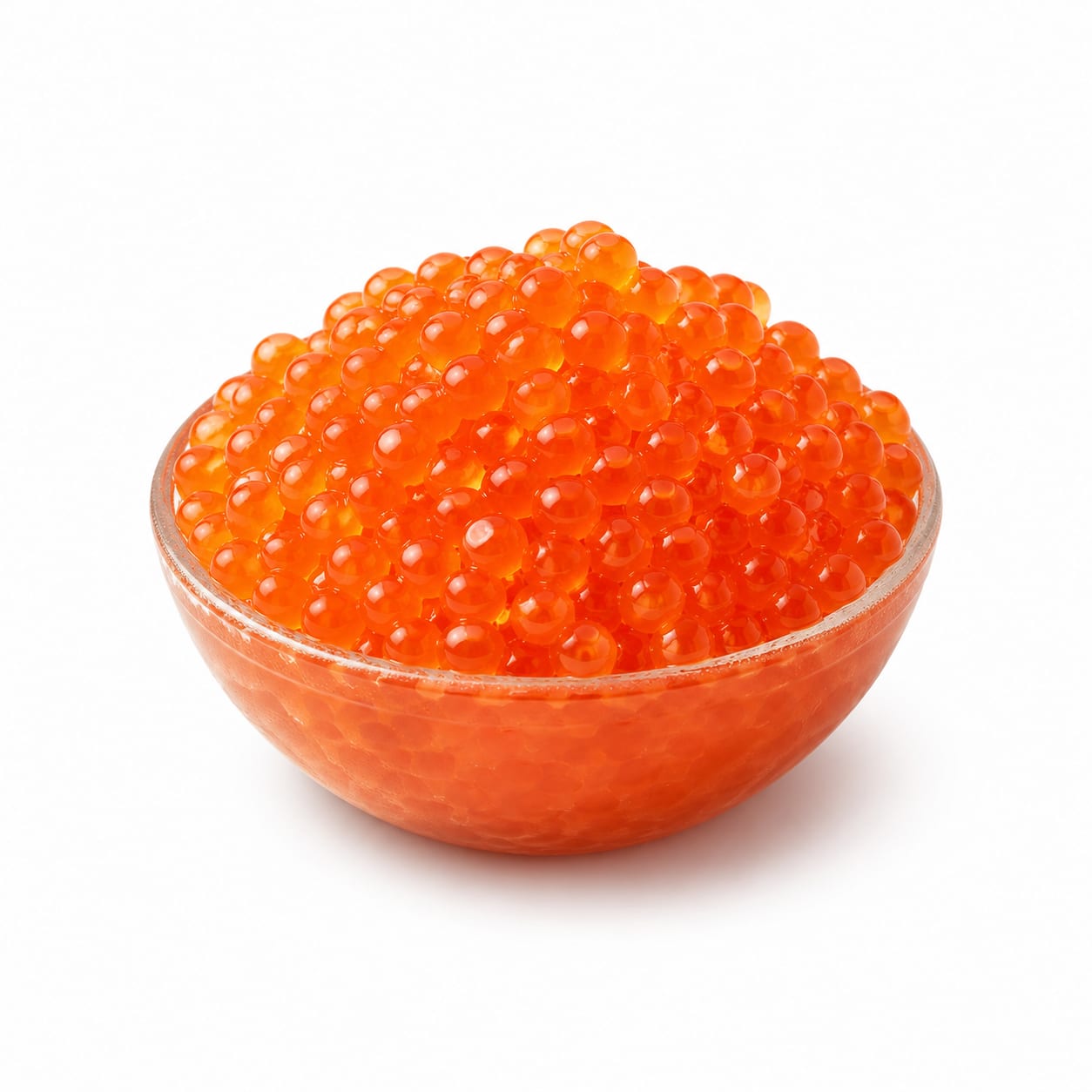
Roe
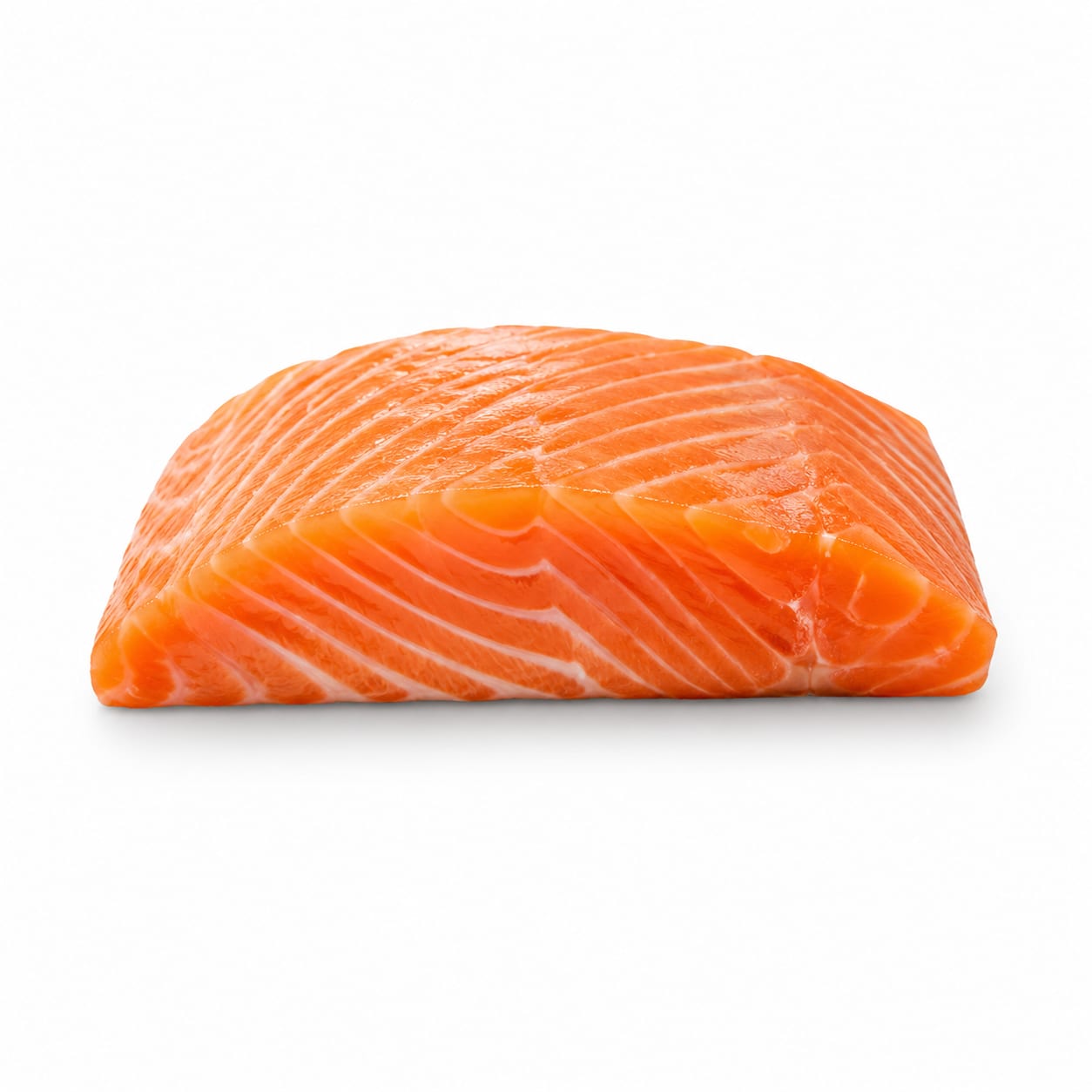
Salmon
Salmon wins for daily eating and practical meals. Roe wins for concentrated nutrient delivery in small doses. They serve completely different roles.
Salmon scores higher primarily due to practicality, satiety, versatility, and lower sodium. Roe is nutritionally exceptional but limited by serving size, cost, and sodium content. The gap reflects real-world usability more than nutrient quality.
Roe gives you more nutrients per gram but comes with high sodium and tiny portions. Salmon gives you satisfying, versatile meals with excellent nutrition at a sustainable scale.
At a glance
Executive summary
Overall
It depends
Healthier
Salmon
More practical
Salmon
Daily use
Salmon
Key comparison lenses
omega-3 potency and brain health optimization
Both foods are top-tier omega-3 sources, but roe delivers a more concentrated dose per gram while salmon provides more total omega-3 per realistic serving
everyday practicality and meal viability
Salmon is a meal centerpiece; roe is a garnish or supplement. This fundamentally changes how each fits into daily eating
sodium and cholesterol tradeoffs
Roe is typically cured with salt, making sodium a major differentiator. Cholesterol content is also significantly higher in roe
nutrient density per calorie
Roe is one of the most micronutrient-dense foods on earth by weight, but serving sizes are tiny compared to salmon
contamination and heavy metal exposure
Both carry ocean-sourced contaminant risks, but roe's concentration effect and salmon's bioaccumulation profile differ meaningfully
Best choice for
Roe
- People wanting maximum omega-3 in the smallest serving
- Those seeking B12 and vitamin D supplementation through food
- Individuals following nutrient-dense, low-volume diets
- Anyone wanting a luxurious functional food garnish
Salmon
- People needing a filling, satisfying protein source
- Anyone cooking regular healthy dinners
- Families wanting an affordable omega-3 staple
- Athletes needing post-workout protein and healthy fats
Least suitable for
Roe
- People on low-sodium diets
- Anyone watching cholesterol closely
- Those on tight food budgets
- People who need large, filling portions to feel satisfied
Salmon
- People with fish allergies
- Those avoiding animal proteins entirely
- Anyone concerned about farmed fish quality who cannot access wild salmon
Deep comparison
Dimension by dimension
Each lens scores both foods and breaks down who each option suits.
- Dimension 1 · Priority 95Roe
omega-3 concentration and bioavailability
Roe · 94Salmon · 85Roe delivers more omega-3 per gram than virtually any other food, with particularly high DHA levels crucial for brain health.
Tradeoff
A typical roe serving is only 1-2 tablespoons, so total omega-3 intake per sitting may still be lower than a full salmon portion.
Why it matters
DHA from roe is bound to phospholipids, which some evidence suggests is more efficiently absorbed than the triglyceride form dominant in salmon.
Real-world impact
If you want maximum brain-supporting fats in the smallest bite, roe is unmatched. For total omega-3 volume across a meal, salmon wins.
Roe
- Targeted DHA supplementation in tiny servings
- Adding omega-3 density to meals without adding bulk
Better for
- Anyone expecting a full meal's worth of omega-3 from a garnish-sized portion
Worse for
Salmon
- Meeting total daily omega-3 targets through one satisfying meal
- Sustained anti-inflammatory intake at dinner-scale portions
Better for
- Those who need maximum omega-3 per gram due to limited food volume tolerance
Worse for
- Dimension 2 · Priority 90Salmon
protein and satiety
Roe · 45Salmon · 92Salmon provides substantial high-quality protein that keeps you full. Roe offers minimal protein per typical serving.
Tradeoff
Roe's protein is excellent quality but the serving size is too small to matter for satiety or muscle maintenance.
Why it matters
Protein is the most satiating macronutrient. A salmon fillet delivers 25-35g protein. A tablespoon of roe delivers roughly 3-4g.
Real-world impact
After eating salmon, you feel full for hours. After eating roe, you are still hungry unless it accompanies other food.
Roe
- Light nutrient topping when you already have protein from other sources
Better for
- Using it as a protein source — the portion is too small
- Anyone needing sustained fullness from one food
Worse for
Salmon
- Post-workout recovery meals
- Main course that eliminates hunger for hours
- Anyone relying on a single food for protein intake
Better for
- Situations where you want protein without feeling heavy or full
Worse for
- Dimension 3 · Priority 85Salmon
sodium load
Roe · 30Salmon · 85Most roe is cured with significant salt, delivering 300-800mg sodium per serving. Fresh salmon is naturally low in sodium.
Tradeoff
The curing process that preserves roe also makes it a high-sodium food, which is a serious concern for blood pressure management.
Why it matters
A single serving of salted roe can deliver a third of your daily sodium limit. Fresh salmon has roughly 50mg per serving.
Real-world impact
If you have hypertension or sodium sensitivity, roe is a food to enjoy sparingly. Salmon poses almost no sodium concern.
Roe
- Post-exercise rehydration when sodium replenishment is actually beneficial
Better for
- Anyone on a low-sodium diet
- Evening meals when you want to avoid morning bloating
Worse for
Salmon
- Blood pressure management
- Daily consumption without sodium accumulation
- Kidney-friendly eating patterns
Better for
- Situations where extra sodium is desired, like heavy sweating after endurance sports
Worse for
- Dimension 4 · Priority 80Roe
micronutrient density per calorie
Roe · 96Salmon · 82Roe is one of the most micronutrient-dense foods available, packing extraordinary B12, vitamin D, selenium, and choline into very few calories.
Tradeoff
The density is remarkable but comes in a tiny package. You would need to eat impractical amounts of roe to match the total micronutrient volume from a salmon fillet.
Why it matters
B12 and vitamin D deficiencies are common. Roe delivers these in a highly bioavailable, concentrated form.
Real-world impact
A spoonful of roe can meaningfully move the needle on your B12 intake for the day. Salmon does the same but requires a full portion.
Roe
- Small-volume nutrient insurance for people with poor appetites
- Targeted B12 and choline supplementation through whole food
Better for
- Anyone who thinks a garnish portion replaces a balanced meal nutritionally
Worse for
Salmon
- Getting a broad spectrum of nutrients alongside satisfying calories
- Whole-meal nutrition rather than targeted supplementation
Better for
- Those who need maximum nutrient density per calorie due to calorie restriction
Worse for
- Dimension 5 · Priority 88Salmon
versatility and meal integration
Roe · 35Salmon · 90Salmon can be grilled, baked, poached, smoked, or eaten raw. Roe is essentially a topping or garnish.
Tradeoff
Roe's culinary role is narrow but impactful. It elevates dishes but cannot carry a meal. Salmon is a meal foundation.
Why it matters
Foods you can cook multiple ways stay interesting long-term. Boredom is the enemy of healthy eating habits.
Real-world impact
You can eat salmon twice a week for years without repeating a recipe. Roe is something you add occasionally for flair and nutrition.
Roe
- Elevating a special meal or dish
- Adding a nutrient-dense finishing touch to simple foods
Better for
- Anyone looking for a main course
- Cooking on a weeknight with limited time and budget
Worse for
Salmon
- Weeknight dinners that need to be fast and satisfying
- Meal prep and batch cooking
- Restaurants and home cooking where the fish is the star
Better for
- Occasions where you want a luxurious accent rather than a hearty meal
Worse for
- Dimension 6 · Priority 70Salmon
cholesterol content
Roe · 40Salmon · 78Roe is high in cholesterol, delivering roughly 150-200mg per serving. Salmon contains moderate cholesterol at about 50-70mg per serving.
Tradeoff
Dietary cholesterol does not raise blood cholesterol for most people, but those with hypercholesterolemia or genetic cholesterol sensitivity need to be cautious.
Why it matters
If you have familial hypercholesterolemia or your doctor has flagged dietary cholesterol, roe's concentration becomes a real concern.
Real-world impact
For most healthy people, roe's cholesterol is a non-issue. For cholesterol-sensitive individuals, it is a food to limit.
Roe
- People with normal cholesterol metabolism who want nutrient density without concern
Better for
- Cholesterol-sensitive individuals who need to limit intake
Worse for
Salmon
- Anyone monitoring dietary cholesterol intake
- People with established heart disease risk factors
Better for
- Situations where cholesterol content is irrelevant and only nutrient density matters
Worse for
- Dimension 7 · Priority 75Salmon
cost and accessibility
Roe · 25Salmon · 70Quality roe is extremely expensive and often specialty-sourced. Salmon, while not cheap, is widely available and more affordable per meal.
Tradeoff
Roe's cost limits it to occasional use for most people. Salmon can be a regular weekly purchase without breaking the budget.
Why it matters
The healthiest food in the world does nothing for you if you cannot afford to eat it regularly.
Real-world impact
A salmon dinner costs roughly $8-15 per person. A quality roe garnish can cost $10-30 for a small jar.
Roe
- Special occasions where luxury and nutrition combine
- Targeted supplementation when cost is not a barrier
Better for
- Anyone building a sustainable healthy eating routine on a budget
Worse for
Salmon
- Weekly grocery budgets for health-conscious households
- Consistent long-term omega-3 intake without financial strain
Better for
- Gifting or entertaining where luxury presentation matters
Worse for
Timeline
Health impact over time
Short-term
Hours to days
Roe
- Quick B12 and omega-3 boost in a small serving
- Potential sodium-related bloating if eating cured roe
- Unlikely to provide satiety on its own
Salmon
- Sustained fullness and steady energy for hours after eating
- Post-meal satisfaction that reduces snacking urges
- Gentle on blood sugar with minimal glycemic impact
Long-term
Months to years
Roe
- Excellent DHA intake supports brain health and cognitive longevity when consumed regularly
- High sodium from frequent consumption could contribute to blood pressure concerns over time
- Cholesterol load may matter for genetically sensitive individuals with habitual intake
Salmon
- Consistent omega-3 intake reduces cardiovascular disease risk meaningfully
- Regular high-quality protein supports muscle maintenance and metabolic health with aging
- Long-term consumption is associated with lower inflammation markers and better heart outcomes
Risk profile
Safety & processing
Fresh or frozen salmon is essentially unprocessed. Most roe is cured with salt and sometimes preservatives, placing it in a different category for clean eating priorities.
Roe
heavy metal concentration
mediumRoe can concentrate heavy metals from the parent fish's environment. Quality sourcing from clean waters is essential.
high sodium from curing
mediumTraditional curing methods use substantial salt. Some products contain 800mg+ sodium per serving, which is a health risk with regular consumption.
foodborne illness from raw product
lowFresh roe is consumed raw or lightly cured. Proper refrigeration and sourcing from reputable suppliers minimizes risk.
preservatives and additives
lowSome commercial roe products contain borax or sodium benzoate as preservatives. Read labels carefully.
Salmon
mercury and PCB accumulation
mediumWild salmon is generally low in mercury but farmed salmon can have higher PCB levels. Varying sources reduces risk.
parasites in raw preparations
lowSushi-grade salmon must be properly frozen to kill parasites. Home preparation of raw salmon carries some risk.
antibiotic residues in farmed salmon
lowFarmed salmon may contain antibiotic residues. Choosing wild-caught or certified responsible farmed salmon reduces this concern.
Who wins for whom
Audience fit
Same foods, different winners depending on your goal.
children
SalmonSalmon is a kid-friendly, filling food that supports growth. Roe's strong flavor, high sodium, and choking potential from small slippery eggs make it less suitable.
daily consumption
SalmonSalmon can be eaten 2-3 times per week sustainably. Roe's sodium, cost, and limited culinary role make daily consumption impractical and potentially harmful.
diabetes
SalmonSalmon has zero carbs, excellent protein, and healthy fats that stabilize blood sugar. Roe also has no carbs but its high sodium can worsen hypertension common in diabetes.
elderly
SalmonOlder adults need protein for muscle preservation and low sodium for blood pressure. Salmon delivers both. Roe's sodium and cholesterol are concerns for this group.
muscle gain
SalmonMuscle building requires substantial protein. A salmon fillet delivers 25-35g complete protein. Roe's 3-4g per serving is negligible for this goal.
weight loss
SalmonSalmon's high protein and satisfying fat content keep you full longer, reducing overall calorie intake. Roe's tiny portions do not move the satiety needle.
Your move
Decision guide
Choose Roe
- You want maximum nutrient density in the smallest serving possible
- You are looking for a luxurious, brain-boosting garnish for special meals
- You tolerate sodium well and want concentrated DHA and B12
- You have a high food budget and want functional food elegance
Choose Salmon
- You need a satisfying, protein-rich main course for dinner
- You want a heart-healthy food you can eat multiple times per week
- You are managing blood pressure, weight, or overall cardiovascular health
- You need versatile meal options that keep you full and energized
Either works if
- You want high-quality omega-3 intake and both are available
- You are building a seafood-based diet with variety
- You have no sodium restrictions and enjoy both flavors
Avoid both if
- You have a fish or seafood allergy
- You are following a strict plant-based diet
- You have gout and are sensitive to purine-rich foods
Final recommendation
Eat salmon as your regular omega-3 foundation. Add roe occasionally as a nutrient-dense accent when the budget allows. Think of salmon as your daily multivitamin and roe as your concentrated booster shot. Both are exceptional foods, but salmon is the one that sustains you long-term.
Practical
Consumer tips
- 1
Choose wild-caught salmon when possible for lower contaminant levels and better omega-3 ratios
- 2
Look for low-sodium or lightly salted roe if you are watching blood pressure
- 3
Freeze salmon portions individually for easy weeknight meals that do not require planning ahead
- 4
Check roe labels for added preservatives like borax or sodium benzoate, and prefer products with minimal ingredients
- 5
Pair roe with avocado or eggs for a nutrient-dense breakfast that balances its sodium with potassium
- 6
Canned salmon with bones is an affordable, calcium-rich alternative to fresh fillets
- 7
If buying farmed salmon, look for ASC or BAP certified options for better farming practices
- 8
Store roe in the coldest part of your refrigerator and consume within a few days of opening