
Nutrition comparison
Roe vs Oysters: Nutrient Density, Omega-3s, Zinc, and Which Seafood Wins for Your Health Goals
Compare roe and oysters head-to-head on omega-3s, zinc, sodium, safety, and cost. Find out which nutrient-dense seafood fits your health goals and lifestyle best.
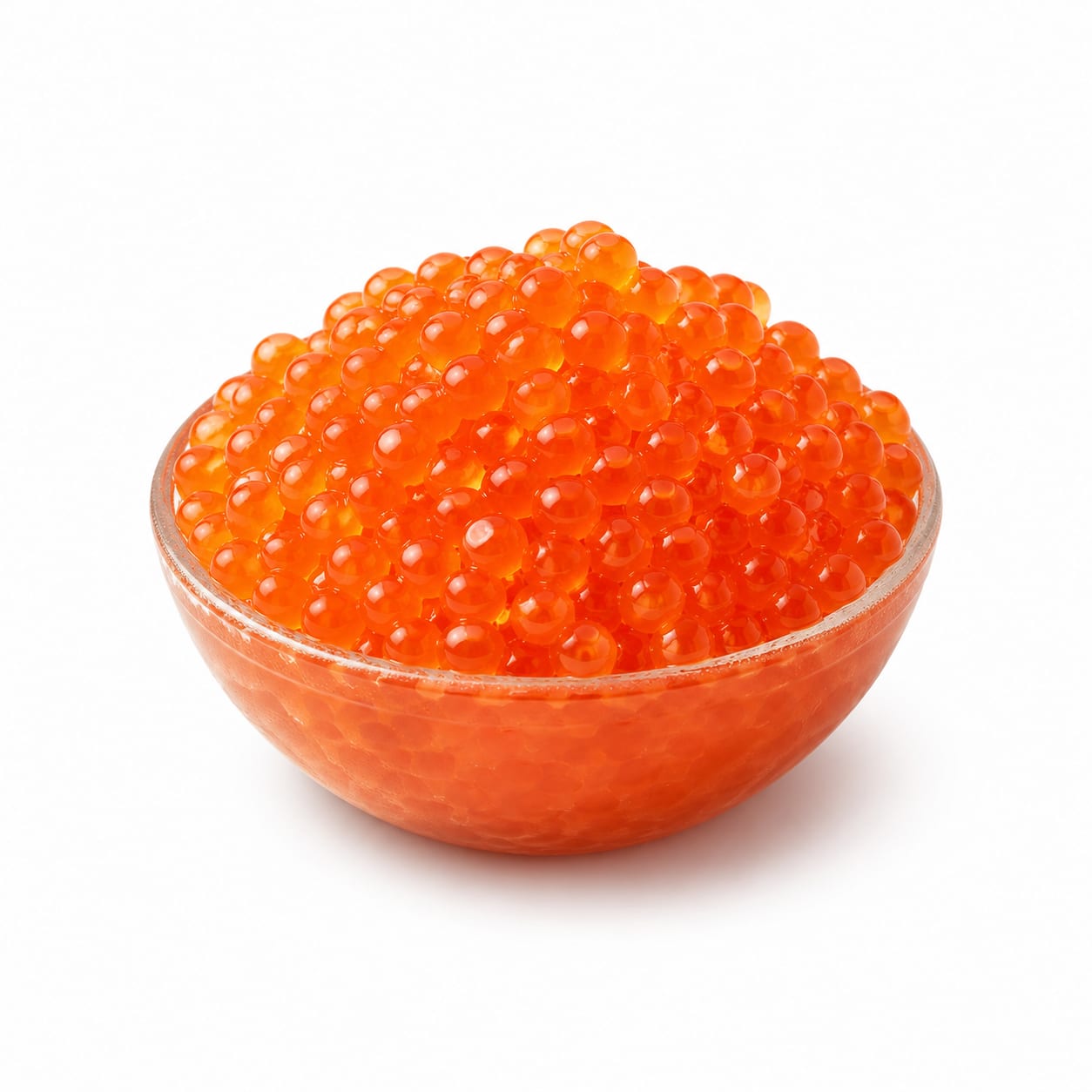
Roe
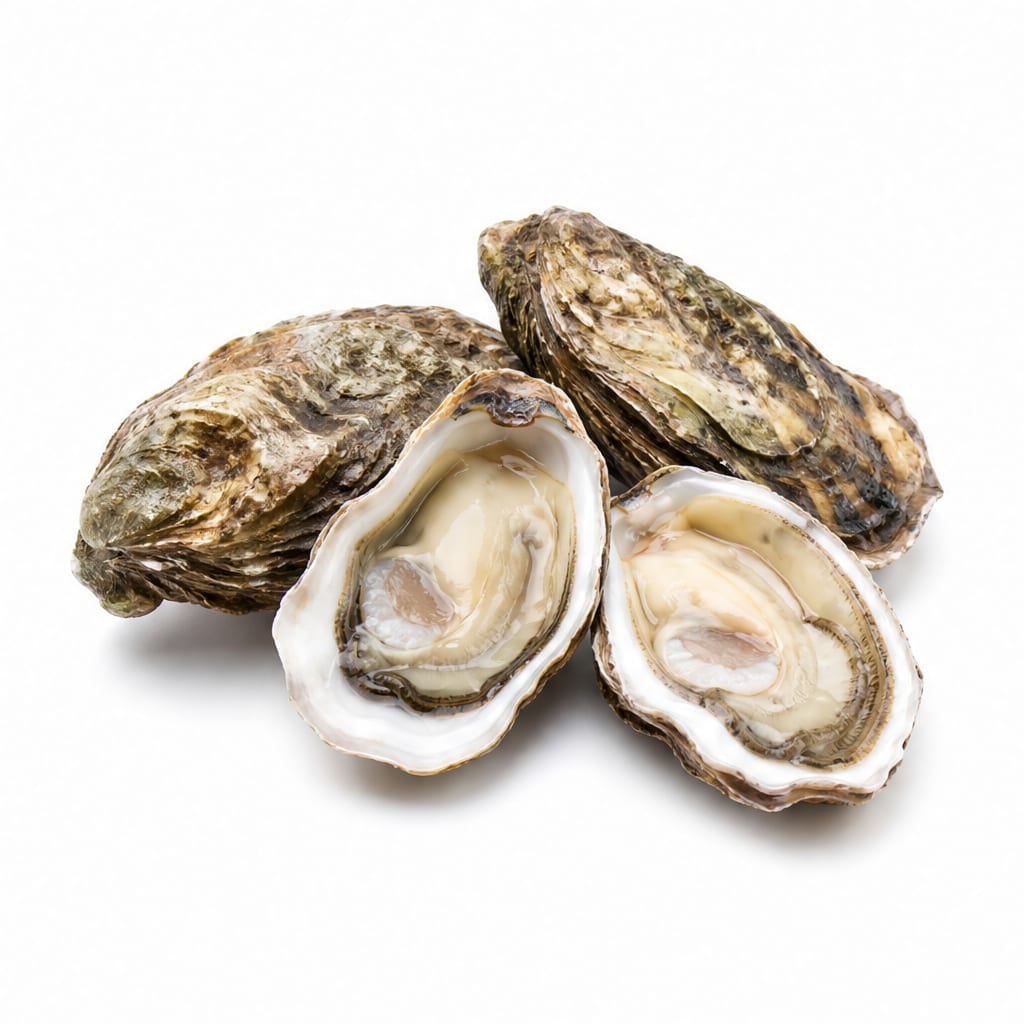
Oysters
Roe wins for omega-3 density and brain-supportive fats; oysters dominate for zinc, copper, and immune minerals. Your priority determines the winner.
Oysters edge ahead due to lower sodium, superior mineral diversity, and better affordability for regular use. Roe remains exceptional for omega-3s but its salt content and cost limit everyday practicality.
Roe delivers more brain-boosting omega-3s but comes with heavy sodium. Oysters offer unmatched zinc and immune support with far less salt, but carry raw consumption risks.
At a glance
Executive summary
Overall
It depends
Healthier
It depends
More practical
Oysters
Daily use
Oysters
Key comparison lenses
nutrient density comparison
Both are among the most nutrient-dense seafoods available, but their micronutrient profiles differ dramatically
omega3 and brain health
Roe delivers omega-3s in phospholipid form which may be more bioavailable for brain function
mineral supplementation
Oysters are the single best food source of zinc and an exceptional copper and iron source
sodium and blood pressure concerns
Roe is often cured with heavy salt, making sodium a critical differentiator
food safety raw consumption
Raw oysters carry well-documented Vibrio risk; roe is typically cured or cooked
affordability and accessibility
Roe is often a luxury item; oysters are more accessible for regular consumption
Best choice for
Roe
- People prioritizing omega-3 intake for brain health
- Those wanting fat-soluble vitamins like D and A in a seafood form
- Individuals avoiding raw seafood due to immune concerns
- Anyone seeking phospholipid-bound omega-3s for cognitive support
Oysters
- People needing zinc support for immunity or testosterone
- Those watching sodium intake
- Individuals wanting low-calorie mineral-dense protein
- Anyone seeking affordable nutrient density from seafood
Least suitable for
Roe
- People with hypertension or sodium-sensitive blood pressure
- Those on tight grocery budgets
- Individuals with gout or uric acid concerns
- Anyone avoiding high-cholesterol foods
Oysters
- People with compromised immune systems who eat them raw
- Those with shellfish allergies
- Individuals uncomfortable with raw food preparation
- Pregnant women avoiding raw seafood
Deep comparison
Dimension by dimension
Each lens scores both foods and breaks down who each option suits.
- Dimension 1 · Priority 95Roe
omega3_and_brain_nutrition
Roe · 94Oysters · 72Roe delivers substantially more omega-3s per gram, and uniquely provides them bound to phospholipids which cross the blood-brain barrier more efficiently.
Tradeoff
You gain superior brain-fueling fats with roe but accept much higher sodium as part of the package.
Why it matters
Phospholipid omega-3s may support memory and cognitive aging more effectively than triglyceride forms found in most fish.
Real-world impact
Regular roe consumption could meaningfully move the needle on omega-3 status, especially for people who dislike fish oil supplements.
Roe
- Cognitive health optimization
- Anti-inflammatory fat intake
- Vitamin D and A from a marine source
Better for
- Sodium-sensitive individuals
- Daily consumption due to salt load
Worse for
Oysters
- Basic omega-3 needs at lower cost
- Avoiding excessive sodium with your fats
Better for
- Maximum omega-3 density per calorie
Worse for
- Dimension 2 · Priority 92Oysters
mineral_density_and_immune_support
Roe · 68Oysters · 96Oysters are arguably the most mineral-dense food on the planet. A single serving covers over 500% of daily zinc needs and delivers exceptional copper, iron, and selenium.
Tradeoff
Oysters provide unmatched mineral nutrition but require careful sourcing to avoid contamination, especially when raw.
Why it matters
Zinc is critical for immune resilience, wound healing, and hormone production. Many people are borderline deficient.
Real-world impact
Eating oysters a few times monthly can meaningfully correct zinc and copper insufficiency without supplements.
Roe
- Selenium intake
- Phosphorus for bone health
Better for
- Zinc deficiency correction
- Budget-friendly mineral supplementation through food
Worse for
Oysters
- Zinc for immunity and testosterone
- Copper for iron metabolism and connective tissue
- Iron for energy and oxygen transport
- Overall mineral diversity per calorie
Better for
- Convenience of preparation
- Safety when consumed raw
Worse for
- Dimension 3 · Priority 88Oysters
sodium_and_cardiovascular_impact
Roe · 35Oysters · 80Cured roe is extremely high in sodium, often exceeding 800mg per serving. Fresh oysters contain modest sodium naturally.
Tradeoff
Roe's exceptional nutrient profile comes burdened with salt levels that can spike blood pressure in sensitive people.
Why it matters
For the roughly half of adults who are sodium-sensitive, roe's salt content could offset some of its cardiovascular benefits.
Real-world impact
A single serving of salted roe could use up a third of your daily sodium budget before counting anything else.
Roe
- Post-exercise rehydration when sodium is actually needed
Better for
- Hypertension management
- Kidney disease
- Consistent daily intake
Worse for
Oysters
- Blood pressure management
- Heart-healthy eating patterns
- Daily or frequent seafood consumption
Better for
- Endurance athletes needing sodium replacement
Worse for
- Dimension 4 · Priority 78Oysters
protein_quality_and_satiety
Roe · 72Oysters · 82Both provide complete high-quality protein, but oysters offer more protein per calorie with less fat and sodium baggage.
Tradeoff
Roe's protein comes alongside valuable fats but also heavy salt. Oysters deliver cleaner protein with fewer compromises.
Why it matters
For satiety and muscle maintenance, protein quality matters more than quantity alone, and both excel here.
Real-world impact
Oysters as a protein source feel lighter and fit more easily into varied meal plans without sodium concerns.
Roe
- Higher calorie needs
- Ketogenic or low-carb eating with fat preferences
Better for
- Low-sodium diets
- Calorie-conscious eating
Worse for
Oysters
- Lean protein goals
- Weight management
- Post-workout nutrition without excess sodium
Better for
- Those needing calorie density
Worse for
- Dimension 5 · Priority 85Roe
food_safety_and_contamination_risk
Roe · 82Oysters · 60Roe is typically cured, pasteurized, or cooked, greatly reducing pathogen risk. Raw oysters are a leading cause of seafood-borne illness.
Tradeoff
Roe's processing makes it safer from bacteria but introduces high sodium. Raw oysters are more natural but riskier.
Why it matters
Vibrio vulnificus from raw oysters can be life-threatening for immunocompromised individuals, with a significant mortality rate.
Real-world impact
Pregnant women, elderly individuals, and anyone with liver disease should avoid raw oysters entirely but can typically enjoy roe.
Roe
- Immunocompromised individuals
- Pregnant women seeking safe seafood omega-3s
- People with liver disease
Better for
- Anyone avoiding high-sodium preserved foods
Worse for
Oysters
- Those who cook oysters thoroughly
- People prioritizing minimal processing
Better for
- Raw consumption for at-risk populations
- Warm-water harvesting regions with higher Vibrio risk
Worse for
- Dimension 6 · Priority 75Oysters
affordability_and_accessibility
Roe · 40Oysters · 70Quality roe is a luxury ingredient. Canned or fresh oysters are far more affordable and available in most grocery stores.
Tradeoff
Roe's premium price limits it to occasional use for most people. Oysters can be a regular part of a budget-conscious diet.
Why it matters
Nutrition only works if you can afford it consistently. The best food is one you'll actually eat regularly.
Real-world impact
Canned oysters cost a fraction of what roe does, making them practical for weekly meals rather than special occasions.
Roe
- Special occasion nutrient density
- Fine dining and cultural cuisine
Better for
- Regular consistent intake
- Household food budgets
Worse for
Oysters
- Weekly meal planning
- Budget-conscious nutrition
- Grocery store accessibility
Better for
- Culinary prestige and presentation
Worse for
Timeline
Health impact over time
Short-term
Hours to days
Roe
- Quick omega-3 boost with noticeable anti-inflammatory effect
- Potential bloating from high sodium intake
- Sustained energy from dense fat and protein content
Oysters
- Rapid zinc replenishment that may support immune response within days
- Light satisfying meal without heaviness
- Possible digestive upset if consumed raw and contaminated
Long-term
Months to years
Roe
- Consistent omega-3 intake supports cognitive preservation and mood stability
- Chronic high sodium intake may elevate blood pressure over time
- Vitamin D and A accumulation supports bone and eye health
Oysters
- Superior zinc status supports immune resilience and hormonal balance long-term
- Low-calorie mineral density aids healthy aging without weight gain
- Regular raw consumption carries cumulative foodborne illness risk
Risk profile
Safety & processing
Roe is typically salt-cured and sometimes pasteurized, adding sodium and reducing its natural state. Fresh oysters are sold live and unprocessed, though canned varieties contain some additives.
Roe
High sodium from curing
mediumSalted roe can contain 800-1500mg sodium per serving, posing cardiovascular risk with regular consumption.
Cholesterol content
lowRoe is high in cholesterol, though dietary cholesterol has modest impact on blood cholesterol for most people.
Purine load
mediumRoe contains significant purines which can trigger gout flares in susceptible individuals.
Oysters
Vibrio bacterial infection from raw consumption
highRaw oysters can harbor Vibrio vulnificus, which causes severe illness with a mortality rate around 30% in immunocompromised people.
Heavy metal bioaccumulation
mediumOysters filter large volumes of water and can accumulate cadmium and lead from polluted waters.
Norovirus contamination
mediumRaw oysters are a common vector for norovirus, especially from contaminated harvesting waters.
Who wins for whom
Audience fit
Same foods, different winners depending on your goal.
children
It dependsCooked oysters provide zinc for growth and immune development. Roe offers omega-3s for brain development but its sodium and potential allergen status require caution. Both should be introduced carefully.
daily consumption
OystersOysters can be eaten more regularly due to lower sodium and cost. Roe's salt content and price make it better as a weekly or occasional addition.
diabetes
OystersBoth are low in carbohydrates, but oysters have zero sugar and lower sodium, reducing cardiovascular risk that diabetics already face.
elderly
RoeRoe's omega-3s support cognitive preservation and it avoids the raw-seafood infection risk that can be dangerous for older immune systems. If oysters are thoroughly cooked, they become competitive.
muscle gain
OystersOysters offer cleaner protein with zinc that supports testosterone production, without the sodium bloat that roe can cause.
weight loss
OystersOysters provide high protein and minerals at roughly 50-70 calories per serving with minimal fat. Roe is calorie-dense and sodium-heavy, making portion control harder.
Your move
Decision guide
Choose Roe
- You want maximum omega-3 density for brain health
- You or someone you cook for has a weakened immune system and must avoid raw seafood
- You are comfortable with the sodium load and can budget the rest of your day's salt accordingly
- You value phospholipid-bound fats for cognitive benefits
- You enjoy roe as a cultural or culinary tradition
Choose Oysters
- You need zinc support for immunity, wound healing, or hormonal health
- You are watching your sodium intake or blood pressure
- You want affordable nutrient-dense seafood you can eat weekly
- You are comfortable cooking oysters to eliminate raw-seafood risks
- You prefer lower-calorie protein sources
Either works if
- You want B12 from a whole-food source rather than supplements
- You are building a seafood rotation for broad micronutrient coverage
- You enjoy both and can alternate based on meal context
Avoid both if
- You have a seafood or shellfish allergy
- You are on a strict low-purine diet for gout management
- You cannot verify sourcing quality and contamination safety
Final recommendation
Eat both strategically. Use oysters as your regular mineral booster a few times monthly, and treat roe as your omega-3 intensifier for brain health on occasion. Cook oysters to eliminate Vibrio risk, and rinse roe when possible to reduce surface sodium. Together they cover nearly every micronutrient gap that land-based diets create.
Practical
Consumer tips
- 1
Cook oysters thoroughly if you have any immune concerns. The risk is real and well-documented.
- 2
Rinse salted roe gently under cold water to remove surface salt without losing too much flavor.
- 3
Canned smoked oysters are an affordable shelf-stable option with most of the mineral benefits intact.
- 4
Source oysters from reputable cold-water harvesters. Warm-water oysters carry higher Vibrio risk.
- 5
Freeze roe in small portions to extend shelf life and control serving sizes.
- 6
If sodium is a concern, look for low-salt or fresh roe options, though these are harder to find.
- 7
Pair oysters with vitamin C-rich foods like lemon to enhance iron absorption from the meal.