
Nutrition comparison
Roe vs Mackerel: Nutrition, Omega-3, and Health Comparison
Compare Roe vs Mackerel to see which is healthier. Learn about omega-3s, sodium, mercury, and which fish is better for your daily diet.
Overall winner · Mackerel
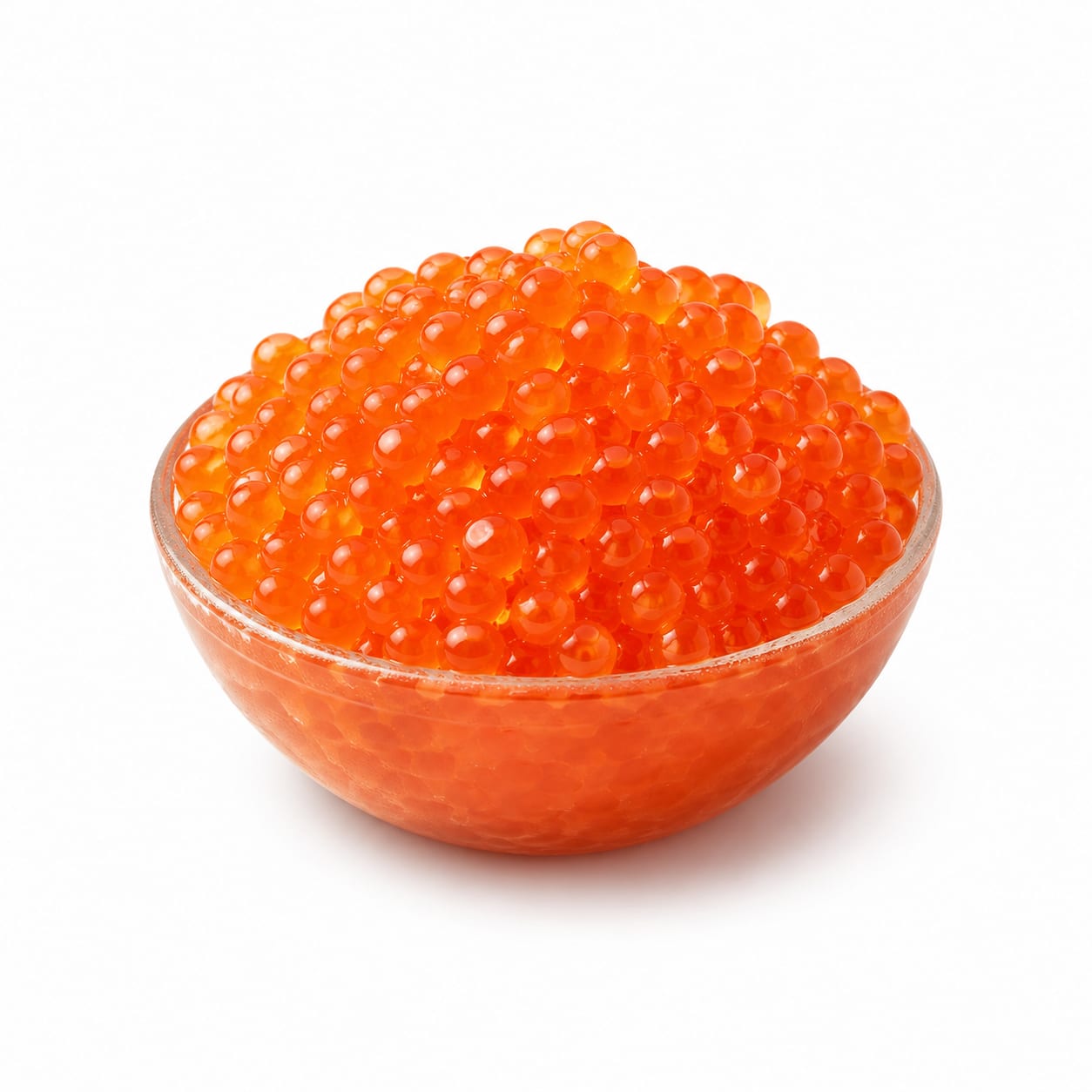
Roe
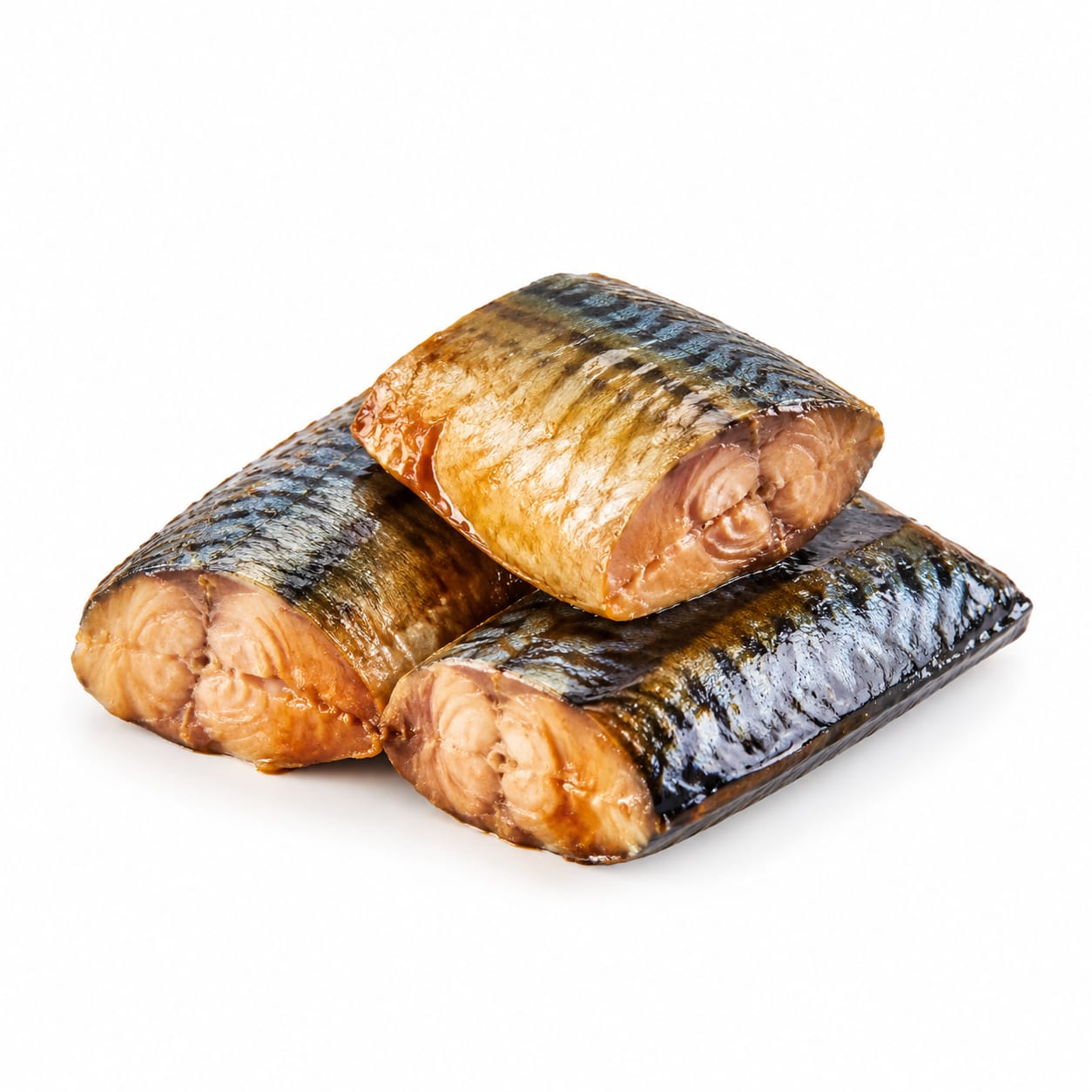
Mackerel
Mackerel wins for everyday eating due to its satisfying portion size and lower sodium, while Roe is a micronutrient powerhouse best enjoyed in small amounts as a garnish.
Mackerel scores higher because it serves as a complete, filling meal with lower sodium and cholesterol concerns. Roe is incredibly nutrient-dense but its typical high-salt curing and tiny serving sizes limit its practicality as a dietary staple.
Roe offers unmatched vitamin density in tiny portions but brings high sodium and cholesterol, whereas Mackerel provides balanced nutrition, filling protein, and steadier energy in a practical meal.
At a glance
Executive summary
Overall
Mackerel
Healthier
Mackerel
More practical
Mackerel
Daily use
Mackerel
Key comparison lenses
Omega-3 and anti-inflammatory benefits
Both foods are premium sources of EPA and DHA, making them go-to choices for reducing inflammation and supporting brain health.
Sodium and cholesterol tradeoffs
Roe is typically cured with heavy salt, creating a stark contrast with fresh Mackerel's naturally low sodium profile.
Nutrient density versus meal volume
Roe offers unmatched vitamin concentration in tiny amounts, while Mackerel provides the bulk and protein needed for a full meal.
Heavy metal and contamination safety
Consumers often worry about mercury in Mackerel and potential bacteria or microplastics in Roe, making sourcing critical.
Best choice for
Roe
- Boosting B12 and choline intake
- Adding a gourmet nutrient boost as a garnish
- Those wanting intense flavor in small bites
Mackerel
- Heart-healthy weekly meal prep
- Satisfying protein needs with whole food
- Budget-friendly omega-3 intake
Least suitable for
Roe
- People watching sodium or cholesterol
- Those needing a filling, low-calorie meal
- Budget-conscious daily eaters
Mackerel
- People avoiding fish with higher mercury risk (if King Mackerel)
- Those who dislike strong fishy flavors
Deep comparison
Dimension by dimension
Each lens scores both foods and breaks down who each option suits.
- Dimension 1 · Priority 95It depends
Omega-3 & Anti-inflammatory Power
Roe · 90Mackerel · 92Both are elite sources of omega-3s. Mackerel delivers more total EPA and DHA per realistic serving, but Roe has a highly absorbable form.
Tradeoff
You get more total omega-3s from a Mackerel fillet, but Roe gives a concentrated dose in a single bite.
Why it matters
Omega-3s reduce inflammation and support brain health. Both foods deliver, but Mackerel makes a bigger dent in your daily needs.
Real-world impact
Eating Mackerel twice a week noticeably improves joint comfort and mental clarity for most people.
Roe
- Getting omega-3s without eating a large volume of food
- Adding absorbable omega-3s to a dish as a garnish
Better for
- Relying on Roe as your sole omega-3 source due to small portion limits
Worse for
Mackerel
- Meeting your full weekly omega-3 targets easily
- Getting a substantial dose of EPA and DHA in one sitting
Better for
- Those who simply cannot stomach eating a fish fillet
Worse for
- Dimension 2 · Priority 90Roe
Nutrient Density (Micronutrients)
Roe · 96Mackerel · 85Roe is one of the most nutrient-dense foods on the planet, packing massive amounts of B12, Vitamin D, and choline into a tiny package.
Tradeoff
Roe delivers more vitamins per gram than almost anything else, but you can only eat so much of it due to taste and salt.
Why it matters
If you need a quick B12 or choline boost, Roe is unbeatable. Mackerel is still great, but less concentrated.
Real-world impact
A small spoonful of Roe can cover your B12 needs for the day, making it a smart garnish for those with deficiencies.
Roe
- Correcting B12 or Vitamin D deficiencies quickly
- Adding maximal nutrition to a bland meal
Better for
- Getting too much sodium if you eat enough Roe to rely on it as a main vitamin source
Worse for
Mackerel
- Getting a broad, balanced spectrum of vitamins alongside minerals
- Sustaining overall nutrient intake over a whole meal
Better for
- Matching the sheer per-gram concentration of B12 and choline that Roe provides
Worse for
- Dimension 3 · Priority 85Mackerel
Sodium & Cholesterol Load
Roe · 30Mackerel · 85Most Roe is cured with heavy salt, making it a sodium bomb. Fresh Mackerel is naturally low in sodium.
Tradeoff
Roe's delicious briny flavor comes with a heavy salt price, while Mackerel offers savory flavor without the blood pressure spike.
Why it matters
High sodium intake from cured Roe can easily push you over daily limits, raising blood pressure and causing bloating.
Real-world impact
Eating a few spoons of Roe can leave you thirsty and puffy, whereas a Mackerel fillet feels clean and hydrating.
Roe
- Those who intensely salt their food anyway and do not mind the intake
Better for
- People with hypertension or heart concerns
Worse for
Mackerel
- Keeping blood pressure in check
- Avoiding post-meal water retention
Better for
- Canned Mackerel can be high in sodium if salt is added, so read labels
Worse for
- Dimension 4 · Priority 80Mackerel
Satiety & Meal Practicality
Roe · 40Mackerel · 92Mackerel is a real meal that keeps you full for hours. Roe is a garnish that barely makes a dent in your hunger.
Tradeoff
Mackerel provides the bulk, protein, and fat needed to feel satisfied, while Roe is just an appetizer or topping.
Why it matters
Eating foods that actually fill you up prevents overeating later. Mackerel does the heavy lifting; Roe is just a bonus.
Real-world impact
A Mackerel dinner keeps late-night snacking at bay. A Roe appetizer just makes you hungry for the main course.
Roe
- Adding a burst of flavor to a meal that is already filling
Better for
- Trying to use Roe as a standalone lunch or dinner
Worse for
Mackerel
- Replacing heavier meats with a satisfying fish dish
- A quick, filling weeknight dinner
Better for
- Those who want a light, low-volume snack
Worse for
- Dimension 5 · Priority 75It depends
Heavy Metal & Contamination Risk
Roe · 82Mackerel · 78Roe generally has lower mercury since it comes from younger fish or lower-food-chain fish, but Mackerel (Atlantic) is also very safe. King Mackerel is high in mercury.
Tradeoff
Roe avoids most mercury accumulation but can carry microplastics or bacteria if unpasteurized. Atlantic Mackerel is low in mercury, but King Mackerel is risky.
Why it matters
Choosing the right species of Mackerel or sourcing safe Roe is critical to avoiding heavy metal exposure.
Real-world impact
Sticking to Atlantic Mackerel or high-quality Roe means you get the benefits without worrying about brain fog or toxicity.
Roe
- Avoiding mercury entirely if you choose reputable, tested Roe sources
Better for
- Risk of foodborne illness from unpasteurized, fresh Roe
Worse for
Mackerel
- Getting a low-mercury whole fish option if you stick to Atlantic or Chub Mackerel
Better for
- Accidentally buying King Mackerel, which is high in mercury
Worse for
Timeline
Health impact over time
Short-term
Hours to days
Roe
- Quick B12 energy boost
- Potential bloating or thirst from high sodium
- Rich, satisfying taste in small amounts
Mackerel
- Steady, long-lasting fullness
- Calm energy without a crash
- Possible fishy aftertaste for some
Long-term
Months to years
Roe
- Excellent brain health from choline and omega-3s
- Risk of elevated blood pressure if eaten frequently due to salt
- Strong red blood cell production from B12
Mackerel
- Robust heart health and lower triglycerides
- Reduced joint inflammation
- Consistent intake of high-quality protein for muscle maintenance
Risk profile
Safety & processing
Fresh or frozen Mackerel is about as natural as it gets. Most Roe is cured with salt and sometimes preservatives or dyes, moving it into processed territory.
Roe
High Sodium Load
highCured Roe is packed with salt, which can spike blood pressure and cause water retention if you eat too much.
Bacterial Contamination
mediumUnpasteurized fresh Roe can harbor Listeria or other bacteria, making it risky for pregnant women.
Mackerel
Mercury Exposure
mediumWhile Atlantic Mackerel is low in mercury, King Mackerel is notoriously high. Sourcing matters immensely.
Histamine Toxicity
lowIf Mackerel is not kept cold, it can produce histamines, causing scombroid poisoning which feels like an allergic reaction.
Who wins for whom
Audience fit
Same foods, different winners depending on your goal.
children
MackerelMackerel (Atlantic) provides safe, brain-building omega-3s in a reasonable portion. Roe is too salty and a choking hazard for young kids.
daily consumption
MackerelMackerel is a balanced, sustainable daily staple. Roe is too salty and expensive for everyday use.
diabetes
MackerelMackerel has zero carbs and provides steady, filling energy without blood sugar spikes. Roe's high sodium worsens the cardiovascular risks diabetics already face.
elderly
MackerelMackerel supports heart health and muscle maintenance without the sodium overload that threatens older blood vessels.
muscle gain
MackerelYou can eat a full portion of Mackerel, delivering far more total protein for muscle repair than the tiny garnish-sized portions of Roe.
weight loss
MackerelMackerel provides filling protein and healthy fats in a low-calorie package that keeps you satisfied, while Roe's salt can trigger cravings.
Your move
Decision guide
Choose Roe
- You want a gourmet, nutrient-packed garnish to elevate a dish.
- You need a massive B12 or choline boost in a single bite.
- You are comfortable with the high salt content and small portions.
Choose Mackerel
- You want a satisfying, filling meal that supports heart health.
- You need a practical, affordable source of omega-3s and protein.
- You are watching your sodium or cholesterol intake.
Either works if
- You want to boost your omega-3 intake and brain health.
- You enjoy strong, savory seafood flavors.
Avoid both if
- You have a severe fish or seafood allergy.
- You are strictly avoiding all seafood due to dietary preferences.
Final recommendation
Make Mackerel your go-to for regular meals to get filling protein and omega-3s without the salt overload. Save Roe for occasional garnishes when you want a gourmet B12 boost and intense flavor.
Practical
Consumer tips
- 1
When buying Mackerel, always choose Atlantic or Chub Mackerel over King Mackerel to keep mercury low.
- 2
Rinse canned Mackerel to remove excess sodium if you are watching your salt intake.
- 3
Treat Roe as a condiment, not a main course, to keep your sodium in check.
- 4
Look for unpasteurized Roe only from highly reputable sources if you prefer it fresh, and avoid it entirely if pregnant.