
Nutrition comparison
Roe vs Cod Liver: Which Omega-3 Superfood Is Safer to Eat Regularly?
Compare roe and cod liver nutrition, safety, and omega-3 content. Learn why cod liver's vitamin A toxicity risk makes roe the better choice for regular consumption, and when cod liver might still be useful.
Overall winner · Roe
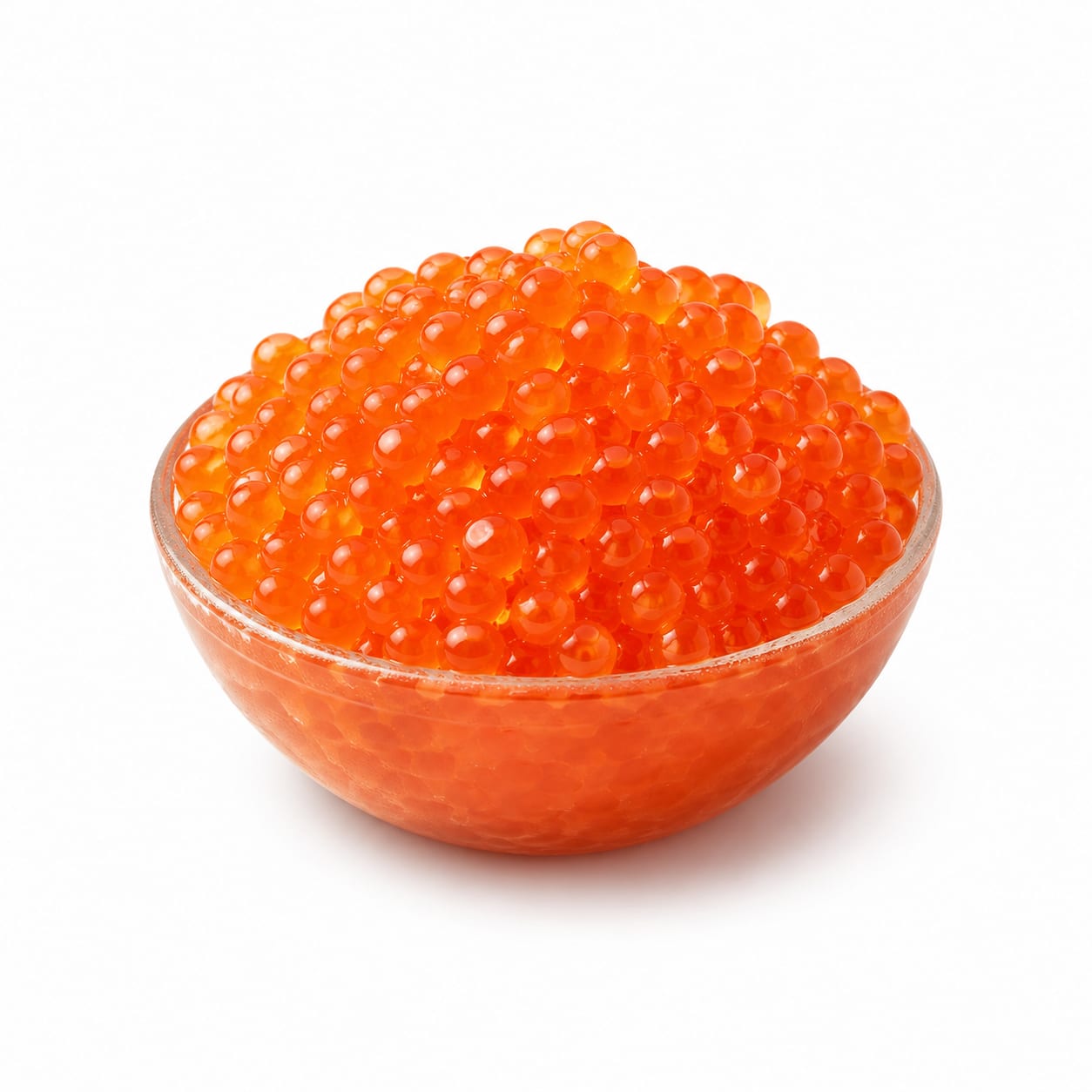
Roe
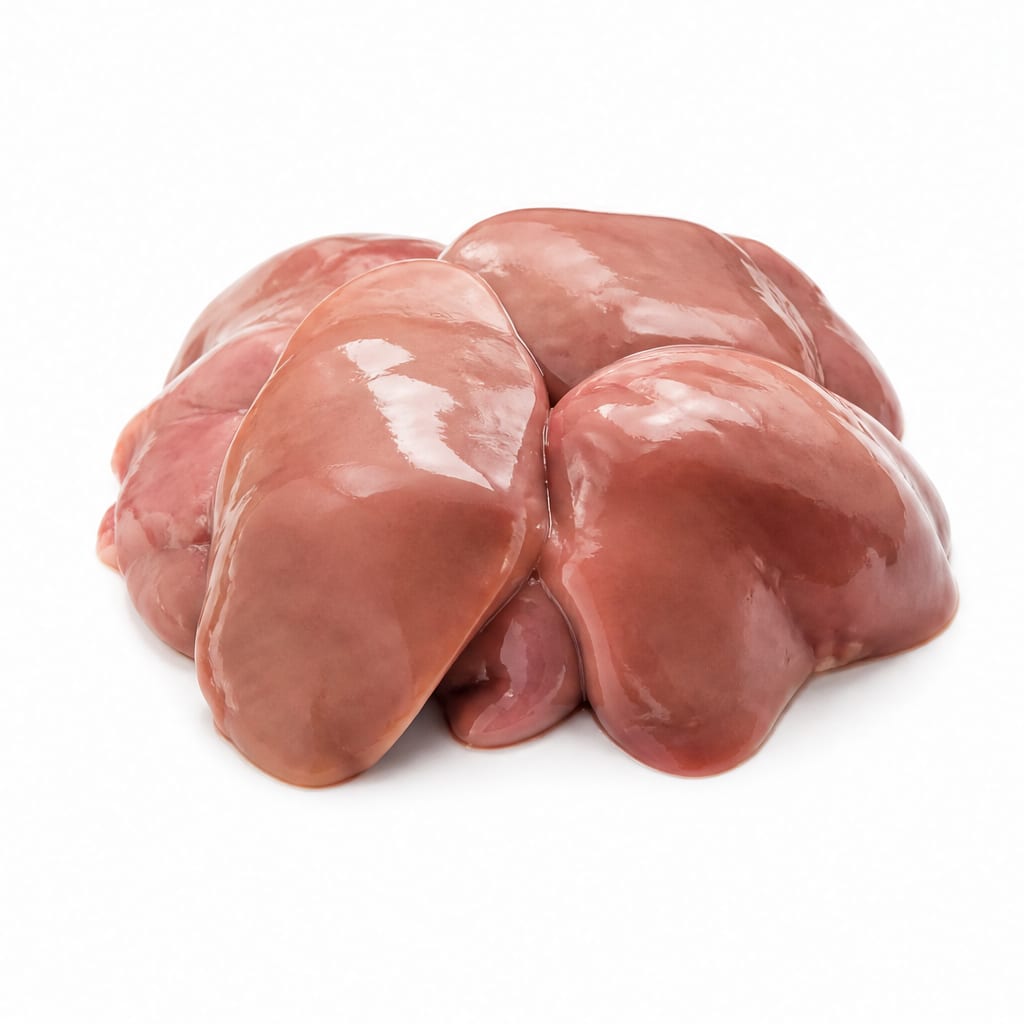
Cod Liver
Roe wins for safer regular consumption, while cod liver delivers unmatched vitamin D and A in amounts that demand caution.
Roe scores higher primarily due to its safer consumption profile and versatility. Cod liver is nutritionally potent but its vitamin A toxicity risk significantly limits how often it can be eaten, dragging down its practical health score.
Cod liver offers more therapeutic-level nutrients per gram, but its vitamin A content makes frequent eating risky. Roe provides similar omega-3s with a much wider safety margin.
At a glance
Executive summary
Overall
Roe
Healthier
Roe
More practical
Roe
Daily use
Roe
Key comparison lenses
vitamin A toxicity risk assessment
Cod liver contains extremely high retinol vitamin A, which can accumulate to dangerous levels with regular consumption, making this the single most critical differentiator
omega-3 source comparison for supplementation
Both foods are prized omega-3 sources, and users are likely choosing between them for brain, heart, or anti-inflammatory benefits
safe frequency of consumption
Cod liver has strict limits on how often it can be eaten safely, while roe allows more flexible consumption patterns
heavy metal and contaminant exposure
Both are marine animal products with potential mercury, PCB, and microplastic concerns that affect long-term safety
nutrient density per serving tradeoffs
Users want to understand what they gain nutritionally from each option and whether the concentrated nutrients justify the cost and risk
Best choice for
Roe
- People wanting a safe, repeatable omega-3 rich food
- Those who already take vitamin A supplements and need to avoid excess
- Anyone seeking a nutrient-dense garnish or topping
- Pregnant women needing to limit retinol intake
Cod Liver
- People with diagnosed vitamin D deficiency needing rapid correction
- Those in northern climates with minimal sun exposure
- Anyone not consuming other vitamin A-rich foods regularly
- Traditional Nordic dieters familiar with moderate cod liver consumption
Least suitable for
Roe
- People with severe fish or egg allergies
- Those on strict low-sodium diets if consuming salted/cured roe
- Budget-conscious consumers seeking affordable omega-3 sources
Cod Liver
- Pregnant women due to retinol toxicity risk to the fetus
- Children due to vulnerability to vitamin A overdose
- Anyone already taking vitamin A or cod liver oil supplements
- People with liver conditions that impair vitamin A processing
Deep comparison
Dimension by dimension
Each lens scores both foods and breaks down who each option suits.
- Dimension 1 · Priority 95Roe
vitamin A safety profile
Roe · 85Cod Liver · 25Cod liver delivers 5000-15000 IU of preformed vitamin A per serving, easily exceeding tolerable upper intake levels. Roe contains minimal vitamin A, posing essentially no toxicity risk.
Tradeoff
Cod liver's vitamin A is therapeutic for deficient individuals but dangerous for anyone already meeting needs. Roe's low vitamin A means zero overdose risk but no therapeutic benefit either.
Why it matters
Chronic vitamin A excess causes liver damage, bone density loss, and birth defects. This single factor makes cod liver unsuitable for regular consumption.
Real-world impact
Eating cod liver more than once or twice a week can push vitamin A into dangerous territory, especially if you eat other animal foods or take supplements.
Roe
- Daily or near-daily consumption
- Pregnancy and preconception periods
- Long-term sustainable eating patterns
Better for
- Anyone specifically trying to correct a vitamin A deficiency
Worse for
Cod Liver
- Short-term vitamin A repletion under guidance
- Northern winter months with no other A sources
Better for
- Regular multi-week consumption
- Combining with other vitamin A-rich foods or supplements
- Women who might become pregnant
Worse for
- Dimension 2 · Priority 88It depends
omega-3 fatty acid delivery
Roe · 78Cod Liver · 82Both are excellent EPA and DHA sources. Cod liver edges ahead in total omega-3 per gram, but roe provides phospholipid-bound omega-3s that may absorb more efficiently.
Tradeoff
Cod liver gives more total omega-3 per serving but in triglyceride form. Roe offers slightly less total omega-3 but in a phospholipid structure that some evidence suggests is better utilized by the brain.
Why it matters
Omega-3 absorption and effectiveness varies by form. Phospholipid omega-3s from roe may support cognitive function more efficiently gram-for-gram.
Real-world impact
A small serving of either food covers your daily omega-3 needs. The difference in absorption form matters more for targeted brain health than general wellness.
Roe
- Cognitive health optimization due to phospholipid form
- Those wanting efficient omega-3 delivery in small portions
Better for
- Situations requiring the highest absolute omega-3 dose
Worse for
Cod Liver
- Maximum total EPA/DHA per serving
- Cardiovascular anti-inflammatory goals
Better for
- Those prioritizing brain-specific omega-3 delivery
Worse for
- Dimension 3 · Priority 82Cod Liver
vitamin D content
Roe · 55Cod Liver · 92Cod liver is one of the most concentrated natural food sources of vitamin D available, often providing 100-200% of daily needs per serving. Roe contains modest vitamin D.
Tradeoff
Cod liver's exceptional vitamin D comes bundled with its dangerous vitamin A load. You cannot access the D without also getting excessive A if eaten frequently.
Why it matters
Vitamin D deficiency is widespread globally, and food sources are rare. Cod liver effectively treats deficiency but at the cost of vitamin A exposure.
Real-world impact
If you are vitamin D deficient and cannot tolerate supplements, cod liver a few times per month can help. But you cannot safely use it as your daily D source.
Roe
- Those already getting adequate vitamin D from sun or supplements
Better for
- Vitamin D deficient individuals without other D sources
Worse for
Cod Liver
- Diagnosed vitamin D deficiency needing food-based correction
- Winter months in high latitudes with minimal UV exposure
Better for
- Daily vitamin D maintenance due to vitamin A co-loading
Worse for
- Dimension 4 · Priority 80Roe
contaminant and heavy metal exposure
Roe · 68Cod Liver · 52Both carry marine contaminant risks, but cod liver accumulates more fat-soluble toxins like PCBs and dioxins because the liver is a filtration organ. Roe accumulates fewer persistent organic pollutants.
Tradeoff
Cod liver's role as a detoxification organ means it concentrates environmental contaminants in its fat. Roe, as reproductive tissue, has different but generally lower contaminant profiles.
Why it matters
Fat-soluble toxins bioaccumulate over time. Regular consumption of contaminated cod liver could increase body burden of industrial chemicals.
Real-world impact
Choosing sustainably sourced, tested products from clean waters matters for both, but cod liver demands more scrutiny due to its biological function as a filter.
Roe
- Long-term regular consumption with lower cumulative toxin risk
- Those concerned about PCB and dioxin exposure
Better for
- Roe from polluted waters can still carry significant heavy metals
Worse for
Cod Liver
- Occasional use where contaminant accumulation is minimal
Better for
- Regular weekly consumption leading to toxin accumulation
- Products from unverified or industrial coastal fisheries
Worse for
- Dimension 5 · Priority 65Roe
culinary versatility and enjoyment
Roe · 78Cod Liver · 45Roe works as a garnish, sushi topping, pasta finish, or standalone delicacy. Cod liver has a strong, polarizing flavor and limited culinary applications beyond traditional preparations.
Tradeoff
Roe integrates easily into many dishes as a finishing touch. Cod liver is mostly eaten alone or in traditional Nordic dishes and is an acquired taste few people love.
Why it matters
Foods you enjoy and can incorporate flexibly get eaten more consistently. A nutrient-dense food you dislike provides zero benefit.
Real-world impact
Roe can elevate a Tuesday dinner into something special. Cod liver is more like taking medicine that happens to be food.
Roe
- Home cooks wanting versatile, impressive ingredients
- Entertaining and special occasion meals
- Adding visual appeal and texture to dishes
Better for
- Very tight food budgets where luxury ingredients feel wasteful
Worse for
Cod Liver
- Those who genuinely enjoy its strong flavor
- Traditional Scandinavian eaters familiar with its preparation
Better for
- Picky eaters or those sensitive to strong fish flavors
- Creative or varied cooking where its flavor dominates
Worse for
- Dimension 6 · Priority 55Cod Liver
cost and accessibility
Roe · 35Cod Liver · 65Canned cod liver is relatively affordable and available in most grocery stores. Quality roe, especially from sturgeon or salmon, ranges from expensive to extremely expensive.
Tradeoff
Cod liver delivers more nutrients per dollar spent. Roe's premium pricing limits how much and how often most people can eat it.
Why it matters
Nutrition only works if you can access and afford it consistently. The most nutrient-dense food is useless if it is too expensive to eat regularly.
Real-world impact
Canned cod liver costs a few dollars and lasts in the pantry. Quality roe can cost as much as a nice dinner out for a small jar.
Roe
- Special occasions where cost is secondary to experience
- Those who can afford premium ingredients regularly
Better for
- Weekly grocery budgets under pressure
- Families needing affordable nutrition
Worse for
Cod Liver
- Budget-conscious consumers seeking omega-3 density per dollar
- Pantry stocking and emergency nutrition supplies
Better for
- Those willing to pay more for a more enjoyable eating experience
Worse for
Timeline
Health impact over time
Short-term
Hours to days
Roe
- Mild satiety from protein and healthy fats
- Quick omega-3 delivery supporting mood and focus
- Potential sodium load if consuming salted or cured varieties
Cod Liver
- Rapid vitamin D uptake if deficient, noticeable energy improvement
- Possible nausea if eaten on an empty stomach due to rich oil content
- Immediate high-dose vitamin A intake approaching daily limits in a single serving
Long-term
Months to years
Roe
- Sustained omega-3 intake supporting cardiovascular and cognitive health
- Low risk of vitamin toxicity allowing consistent long-term consumption
- Potential mercury exposure depending on fish species and source waters
Cod Liver
- Serious risk of vitamin A accumulation causing liver stress and bone density loss if consumed regularly
- Effective vitamin D maintenance for those in low-sun environments
- Possible accumulation of fat-soluble environmental contaminants over years of regular consumption
Risk profile
Safety & processing
Both foods are minimally processed in their natural forms. However, many commercial roe products are salted, cured, or preserved with borax, which raises additive concerns. Canned cod liver typically contains just the liver and its own oil with minimal additives.
Roe
sodium from curing and preservation
mediumSalted roe can contain 800-1500mg sodium per serving, which is significant for blood pressure management. Fresh or lightly salted varieties are safer.
heavy metal contamination
mediumRoe from larger or predatory fish species can contain mercury and cadmium. Sourcing from smaller fish like salmon or pollock reduces this risk considerably.
foodborne illness from raw preparations
lowRaw roe in sushi or caviar service carries standard raw seafood risks. Pregnant and immunocompromised individuals should choose pasteurized options.
Cod Liver
vitamin A toxicity
highA single serving of cod liver can contain 150-300% of the tolerable upper intake level of preformed vitamin A. Regular consumption leads to accumulation and potential liver damage, bone loss, and teratogenic effects in pregnancy.
PCB and dioxin accumulation
highCod liver concentrates fat-soluble industrial pollutants from the marine food chain. Regular consumption increases body burden of these endocrine-disrupting chemicals.
vitamin D excess in combination with supplements
mediumWhile harder to overdose on vitamin D than vitamin A, combining cod liver with high-dose D supplements could contribute to hypercalcemia over time.
Who wins for whom
Audience fit
Same foods, different winners depending on your goal.
children
RoeChildren are especially vulnerable to vitamin A toxicity, making cod liver inappropriate for them. Small amounts of roe offer omega-3s for brain development with a much wider safety margin.
daily consumption
RoeRoe can be eaten several times per week safely. Cod liver should be limited to once or twice per week maximum due to vitamin A accumulation, making it unsuitable as a daily food.
diabetes
RoeRoe has minimal impact on blood sugar and provides anti-inflammatory omega-3s without the vitamin A risk. Cod liver's nutrient density is beneficial but its vitamin A load complicates regular use for metabolic health management.
elderly
It dependsCod liver's vitamin D benefits bone health in elderly populations, but vitamin A may worsen bone density loss. Roe provides omega-3s for cognitive health without the bone risk tradeoff. Choose based on individual vitamin D status.
muscle gain
It dependsNeither food is a primary muscle-building protein source. Roe offers slightly more protein per calorie, but both should be viewed as supplemental nutrition rather than protein staples.
weight loss
RoeRoe's smaller typical serving size and lower calorie density make it easier to incorporate into calorie-controlled eating. Cod liver's oil content is calorie-dense and its strong flavor limits portion flexibility.
Your move
Decision guide
Choose Roe
- You want a safe omega-3 source you can eat multiple times per week
- You are pregnant, trying to conceive, or breastfeeding
- You already take vitamin A or multivitamin supplements
- You value culinary versatility and actually enjoying what you eat
- You are concerned about long-term contaminant accumulation
Choose Cod Liver
- You have confirmed vitamin D deficiency and need food-based correction
- You live in a high latitude with minimal sun exposure and no supplements
- You eat it only occasionally as a traditional food, not a health regimen
- You do not consume other vitamin A-rich foods like liver or fortified products
- You have discussed regular consumption with a healthcare provider
Either works if
- You want marine-sourced omega-3s and are choosing between these two specifically
- You eat them only as occasional delicacies rather than dietary staples
- You source both from clean, well-tested fisheries
Avoid both if
- You have a fish or seafood allergy
- You are on a strict low-sodium diet and cannot find low-salt roe
- You take blood thinners and have not consulted a doctor about high omega-3 intake
- You have a history of gout and are sensitive to purine-rich foods
Final recommendation
For most people, roe is the safer and more practical choice. It delivers excellent omega-3s with minimal toxicity risk and fits into a wider range of meals. Cod liver is a powerful therapeutic food for specific deficiencies, but its vitamin A content makes it dangerous as a regular dietary staple. If you choose cod liver, limit it to once or twice monthly and never combine it with vitamin A supplements. If you want daily omega-3 support, roe or a quality fish oil supplement is the more sustainable path.
Practical
Consumer tips
- 1
Look for roe from smaller fish like salmon, pollock, or lumpfish to minimize mercury exposure
- 2
Choose fresh or lightly salted roe over heavily cured varieties to reduce sodium intake
- 3
If buying cod liver, select products from the North Atlantic or Norwegian fisheries with contaminant testing
- 4
Never eat cod liver more than twice per week, and skip it entirely during pregnancy
- 5
Check if your roe contains borax or other preservatives if you have sensitivities
- 6
Consider cod liver oil capsules instead of whole cod liver if you want the vitamin D without eating the liver itself
- 7
Freeze fresh roe in small portions to extend shelf life without adding extra salt
- 8
Pair roe with avocado or olive oil to enhance omega-3 absorption from its phospholipid form