
Nutrition comparison
Roe vs Chicken Eggs: Omega-3, Sodium, and Nutrition Comparison
Compare Roe and Chicken Eggs on omega-3 content, sodium, protein, safety, and daily practicality. Find out which is better for your health goals and budget.
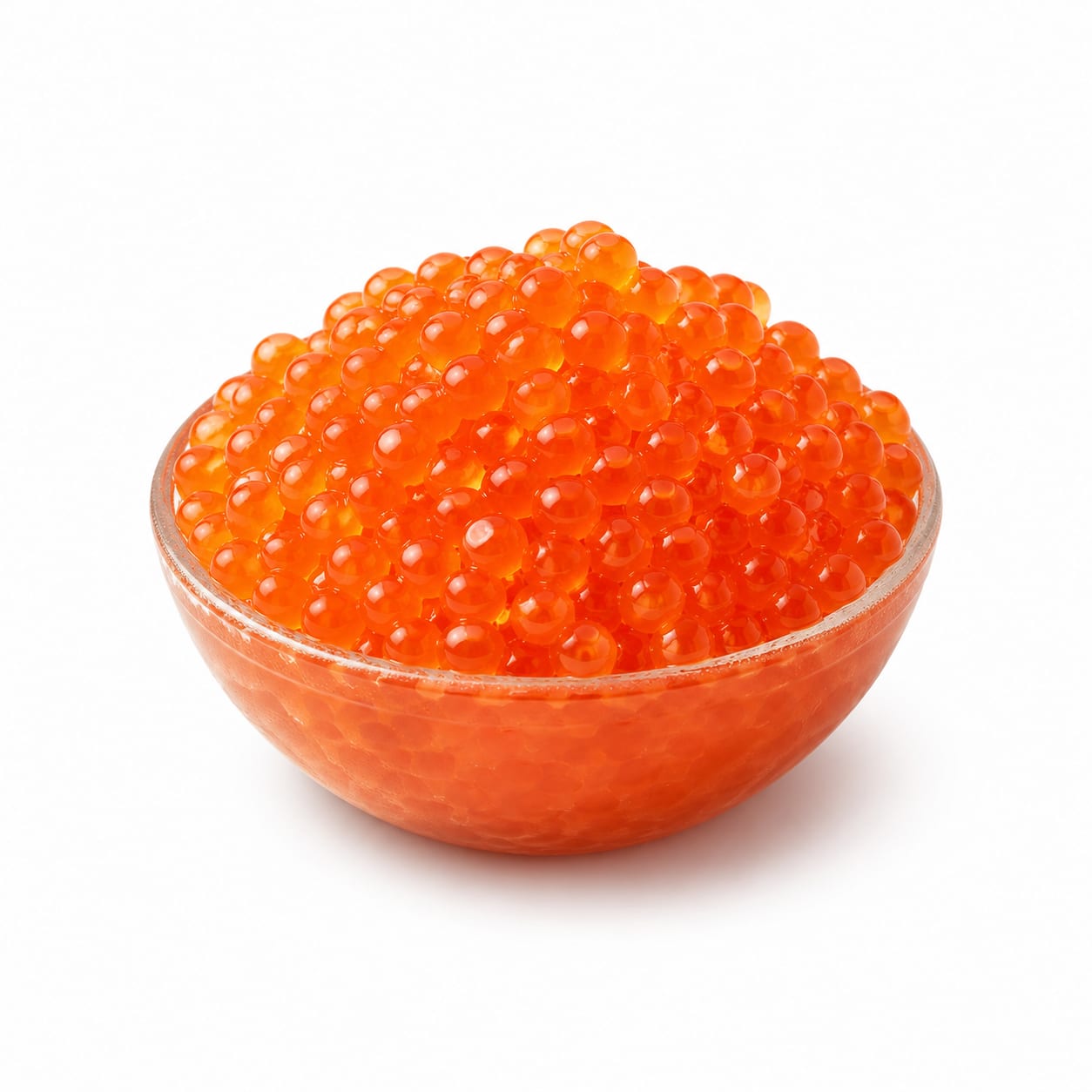
Roe
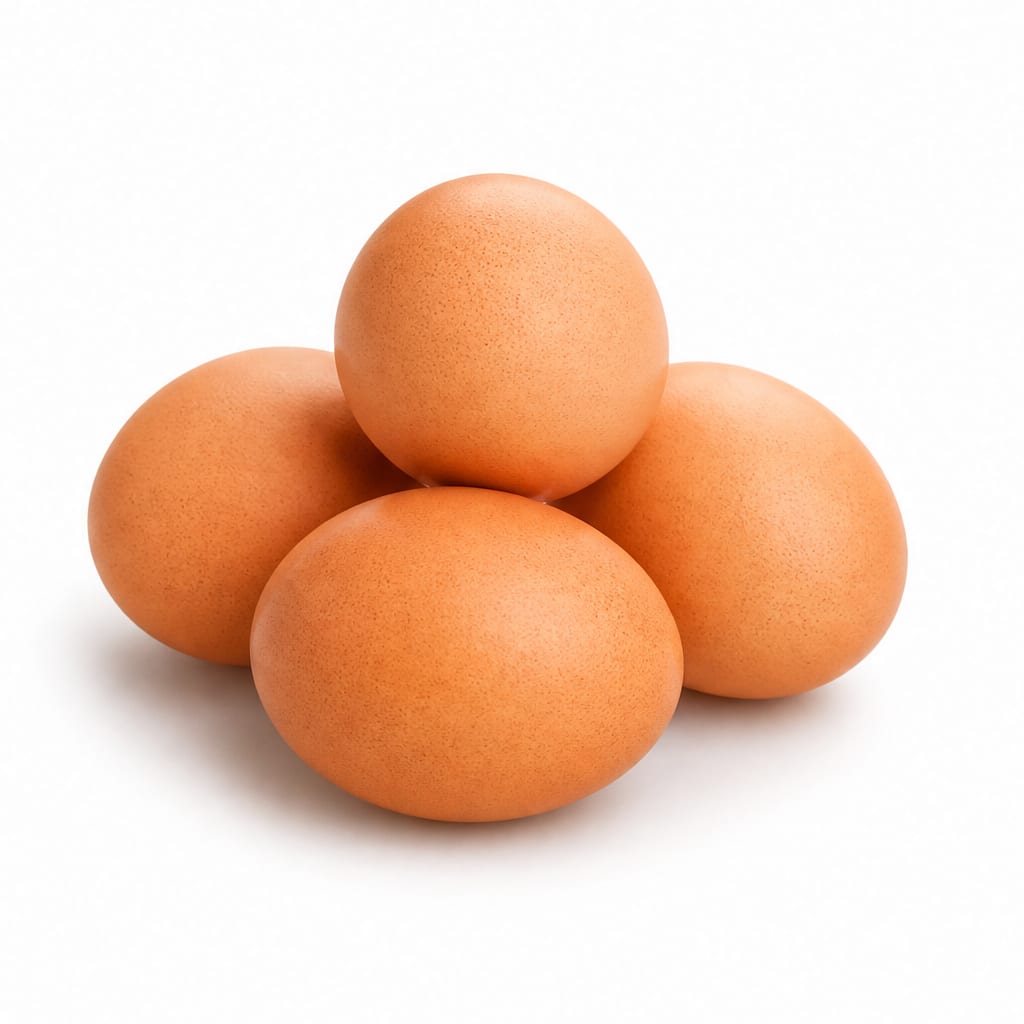
Chicken Eggs
Chicken Eggs win for daily nutrition and practicality; Roe delivers an unmatched omega-3 and micronutrient punch in tiny servings but carries sodium and cost tradeoffs.
Chicken Eggs score higher overall because their affordability, versatility, and daily usability outweigh Roe's micronutrient edge. Roe excels in specific niches but its sodium content, cost, and contamination concerns limit broad recommendation.
Roe offers dramatically more omega-3s and vitamin B12 per bite, but Chicken Eggs provide steadier protein, far less sodium, and realistic daily affordability.
At a glance
Executive summary
Overall
It depends
Healthier
It depends
More practical
Chicken Eggs
Daily use
Chicken Eggs
Key comparison lenses
omega-3 and brain nutrition comparison
Roe is famously rich in omega-3s and DHA, making brain nutrition the most compelling differentiator
everyday practicality and affordability
Chicken Eggs are a daily staple while Roe is a specialty item with very different cost and accessibility
sodium and cardiovascular tradeoffs
Roe is often cured with significant salt, creating a real tension with its heart-healthy fats
protein source sustainability for daily use
Users want to know if Roe can replace eggs as a regular protein source or remains an occasional boost
contamination and heavy metal safety
Fish roe carries ocean-sourced contamination risks that chicken eggs do not
Best choice for
Roe
- Boosting omega-3 intake without supplements
- Pregnant women needing DHA (in moderation, low-mercury sources)
- Older adults wanting B12 and vitamin D in a small serving
- Occasional luxury nutrition upgrades
Chicken Eggs
- Affordable daily high-quality protein
- Muscle maintenance and satiety throughout the day
- Budget-conscious families needing versatile nutrition
- Anyone watching sodium intake
Least suitable for
Roe
- People on low-sodium diets (most cured roe is very salty)
- Daily consumption due to cost and sodium load
- Those concerned about ocean-sourced heavy metals
Chicken Eggs
- People with egg allergies or intolerances
- Strict vegetarians who avoid all animal products
- Those seeking very high DHA per calorie
Deep comparison
Dimension by dimension
Each lens scores both foods and breaks down who each option suits.
- Dimension 1 · Priority 95Roe
omega-3 and brain nutrition
Roe · 95Chicken Eggs · 40Roe is one of the richest natural sources of DHA and EPA available, far surpassing Chicken Eggs.
Tradeoff
You get outstanding brain-supporting fats from Roe, but the serving size is small and often salt-laden, limiting how much you can realistically eat.
Why it matters
DHA supports cognitive function, mood stability, and fetal brain development. Most people fall short on omega-3s.
Real-world impact
A small serving of Roe a few times a week can meaningfully close the omega-3 gap that Chicken Eggs alone cannot fill.
Roe
- Pregnant women seeking natural DHA
- Older adults supporting cognitive health
- People who dislike fish oil supplements
Better for
- People who eat large servings and overshoot sodium limits
- Those already taking high-dose omega-3 supplements
Worse for
Chicken Eggs
- Those who already eat fatty fish regularly
- Anyone needing a modest omega-3 bump without extra sodium
Better for
- Relying solely on eggs for omega-3s leaves a significant gap
Worse for
- Dimension 2 · Priority 85Chicken Eggs
protein quality and satiety
Roe · 60Chicken Eggs · 90Chicken Eggs deliver more total protein per realistic serving and keep you fuller longer.
Tradeoff
Roe has excellent protein density per gram, but typical portions are so small that the total protein contribution is modest.
Why it matters
Protein quality and quantity directly affect muscle maintenance, fullness between meals, and metabolic health.
Real-world impact
Two Chicken Eggs at breakfast provide about 12 grams of satisfying protein. A typical Roe serving gives only 4-6 grams — not enough to anchor a meal.
Roe
- Adding a protein micronutrient boost to an already protein-rich meal
Better for
- Using Roe as a primary protein source is impractical and expensive
Worse for
Chicken Eggs
- Breakfast or post-workout protein needs
- Staying full until the next meal without snacking
- Affordable daily protein for families
Better for
- Those who need very high leucine per calorie might want additional sources
Worse for
- Dimension 3 · Priority 85Chicken Eggs
sodium and cardiovascular impact
Roe · 30Chicken Eggs · 85Most commercially available Roe is salt-cured, delivering a heavy sodium hit. Chicken Eggs are naturally very low in sodium.
Tradeoff
Roe's heart-healthy omega-3s come packaged with sodium that can strain cardiovascular health if consumed frequently.
Why it matters
High sodium intake raises blood pressure and counteracts some cardiovascular benefits of omega-3s.
Real-world impact
A single serving of salted Roe can contain 300-800mg of sodium. Two Chicken Eggs have about 70mg. That difference matters daily.
Roe
- Fresh uncured Roe (if available) avoids most of this concern
Better for
- Hypertensive individuals eating cured Roe regularly
- People who salt their food heavily elsewhere
Worse for
Chicken Eggs
- Anyone monitoring blood pressure
- Heart patients reducing sodium
- Daily eaters who need a heart-friendly default
Better for
- Eggs fried in salted butter or with added salt narrow this gap
Worse for
- Dimension 4 · Priority 80Roe
micronutrient density
Roe · 92Chicken Eggs · 75Roe packs extraordinary amounts of B12, vitamin D, selenium, and iodine into a tiny serving.
Tradeoff
The nutrient density is phenomenal per gram, but the small serving size means total micronutrient delivery may be less impressive than it appears.
Why it matters
B12 and vitamin D deficiencies are common, and iodine intake has declined in many populations.
Real-world impact
A tablespoon of Roe can provide over 100% of daily B12 needs. Chicken Eggs cover about 20-25% per egg. For deficiency correction, Roe is faster.
Roe
- Correcting B12 deficiency quickly
- Boosting vitamin D in northern climates
- Supporting thyroid function with natural iodine
Better for
- Risk of excessive selenium if eating large amounts frequently
Worse for
Chicken Eggs
- Steady daily micronutrient coverage without overshooting any single nutrient
- Choline intake for liver and brain health
Better for
- Falling short on iodine unless other sources are included
Worse for
- Dimension 5 · Priority 90Chicken Eggs
affordability and daily practicality
Roe · 20Chicken Eggs · 95Chicken Eggs are one of the most affordable protein sources worldwide. Roe is a luxury item with limited availability.
Tradeoff
Roe's nutritional advantages come at a price that makes daily consumption unrealistic for most people.
Why it matters
Nutrition only works if you can sustain it. Affordability determines long-term adherence.
Real-world impact
A dozen Chicken Eggs costs a few dollars. An equivalent weight of quality Roe can cost 10-50 times more.
Roe
- Special occasion nutrition upgrades
- Those with high food budgets seeking optimization
Better for
- Cannot realistically serve as a dietary staple for most households
Worse for
Chicken Eggs
- Families feeding multiple people daily
- Students and budget-conscious eaters
- Anyone building a sustainable weekly meal plan
Better for
- Those who assume cheap means inferior may undervalue eggs nutritionally
Worse for
- Dimension 6 · Priority 75Chicken Eggs
contamination and safety
Roe · 50Chicken Eggs · 75Roe carries ocean-sourced contamination risks including heavy metals and microplastics. Chicken Eggs face Salmonella risk but have well-established safety protocols.
Tradeoff
Both foods require careful sourcing, but the contamination profile of Roe is harder for consumers to verify.
Why it matters
Long-term accumulation of heavy metals and persistent pollutants affects neurological and hormonal health.
Real-world impact
Choosing reputable Roe sources and eating it occasionally minimizes risk. Cooking Chicken Eggs properly eliminates most Salmonella concern.
Roe
- Wild-caught Roe from short-lived species tends to be lower in mercury
Better for
- Larger, longer-lived fish species accumulate more mercury in their Roe
- Microplastic contamination is an emerging concern
Worse for
Chicken Eggs
- Consistent food safety regulation in most countries
- Easy to verify freshness and handle safely at home
Better for
- Raw or undercooked eggs remain a Salmonella risk for vulnerable populations
Worse for
Timeline
Health impact over time
Short-term
Hours to days
Roe
- Quick B12 and omega-3 boost noticeable in energy levels within days
- High sodium from cured Roe may cause bloating or thirst shortly after eating
- Small serving size unlikely to provide meaningful satiety on its own
Chicken Eggs
- Steady energy and fullness lasting several hours after a meal
- Choline supports focus and mental clarity through the morning
- Minimal blood sugar disruption when eaten without refined carbs
Long-term
Months to years
Roe
- Regular omega-3 intake from Roe supports cardiovascular and cognitive health over years
- Frequent consumption of salted Roe may contribute to elevated blood pressure if not balanced
- Potential heavy metal accumulation with very regular intake from high-mercury species
Chicken Eggs
- Daily egg consumption supports muscle preservation and satiety long-term
- Choline from eggs contributes to liver health and cognitive maintenance with aging
- Dietary cholesterol from eggs has modest impact on blood cholesterol for most people
Risk profile
Safety & processing
Most commercially available Roe is salt-cured and sometimes pasteurized, adding sodium and processing steps. Fresh Roe exists but is harder to find. Chicken Eggs are sold in their natural state with minimal intervention beyond washing and grading.
Roe
Heavy metal contamination
mediumRoe from larger or longer-lived fish species may contain mercury and other heavy metals. Sourcing from smaller species like salmon or lumpfish reduces this risk.
High sodium from curing
mediumMost commercial Roe is salt-cured for preservation, delivering 300-800mg sodium per serving. This is a cardiovascular concern with regular consumption.
Bacterial contamination in unpasteurized Roe
lowFresh unpasteurized Roe can harbor Listeria or other pathogens. Pregnant women and immunocompromised individuals should choose pasteurized options.
Chicken Eggs
Salmonella from raw or undercooked eggs
mediumProper cooking eliminates this risk. Vulnerable populations should avoid runny yolks and unpasteurized egg products.
Allergic reactions
lowEgg allergy is one of the most common food allergies, especially in children. Most outgrow it, but it can cause severe reactions in sensitive individuals.
Who wins for whom
Audience fit
Same foods, different winners depending on your goal.
children
Chicken EggsChicken Eggs are affordable, versatile, and well-tolerated by most children. Roe's sodium content and contamination risk make it less suitable for kids, though small amounts of low-sodium Roe are fine occasionally.
daily consumption
Chicken EggsChicken Eggs are affordable, low in sodium, versatile, and well-studied for daily intake. Roe is best reserved for a few times per week at most due to sodium and cost.
diabetes
Chicken EggsChicken Eggs have minimal impact on blood sugar and provide steady energy. Cured Roe's sodium content worsens cardiovascular risk that diabetics already face.
elderly
It dependsRoe's B12 and vitamin D are excellent for aging brains and bones, but its sodium is problematic for blood pressure. Chicken Eggs offer safer daily protein and choline for cognitive maintenance.
muscle gain
Chicken EggsHigher total protein per serving and better leucine content make Chicken Eggs more effective for muscle building. Roe cannot deliver enough protein in a realistic portion.
weight loss
Chicken EggsChicken Eggs provide more protein and satiety per calorie, making it easier to eat less overall. Roe's small servings do not fill you up, and its sodium may increase cravings.
Your move
Decision guide
Choose Roe
- You want to boost omega-3s naturally and do not eat fatty fish regularly
- You can find fresh or low-sodium Roe and want a micronutrient-dense garnish
- You have the budget for occasional luxury nutrition upgrades
- You are specifically addressing B12 or vitamin D deficiency with food rather than supplements
Choose Chicken Eggs
- You need an affordable, reliable daily protein source
- You are watching your sodium intake or blood pressure
- You want versatile cooking options from breakfast to dinner
- You are feeding a family and need sustainable nutrition per dollar
Either works if
- You want high-quality complete protein from animal sources
- You are focusing on B12 and choline intake
- You tolerate both foods well and enjoy variety
Avoid both if
- You follow a strict plant-based diet
- You have severe cholesterol concerns requiring minimal dietary cholesterol (though this is increasingly debated)
- You have specific allergies to either food
Final recommendation
Use Chicken Eggs as your daily protein and choline foundation. Add Roe occasionally as a micronutrient and omega-3 booster — think of it as a nutritional supplement in food form, not a staple. If you choose Roe, seek out low-sodium or fresh options and eat it a few times per week rather than daily.
Practical
Consumer tips
- 1
Look for unpasteurized fresh Roe at fish markets if you want to avoid the high sodium of cured versions
- 2
Salmon Roe tends to be lower in mercury than Roe from larger predatory fish
- 3
Pair Roe with avocado or olive oil to enhance omega-3 absorption without adding sodium
- 4
Boiling Chicken Eggs preserves their nutrient profile better than frying in oil or butter
- 5
If sodium is a concern, rinse cured Roe gently before eating — it removes some surface salt
- 6
Pasture-raised Chicken Eggs contain more omega-3s and vitamin D than conventional eggs, narrowing the gap with Roe
- 7
Freeze fresh Roe within a day of purchase if you cannot finish it quickly — it spoils fast