
Nutrition comparison
Roe vs Caviar: Nutrition, Sodium, Sustainability and Which to Choose
Compare roe and caviar side by side. Learn which delivers better omega-3s, which has less sodium, and why roe may be the smarter choice for everyday nutrition.
Overall winner · Roe
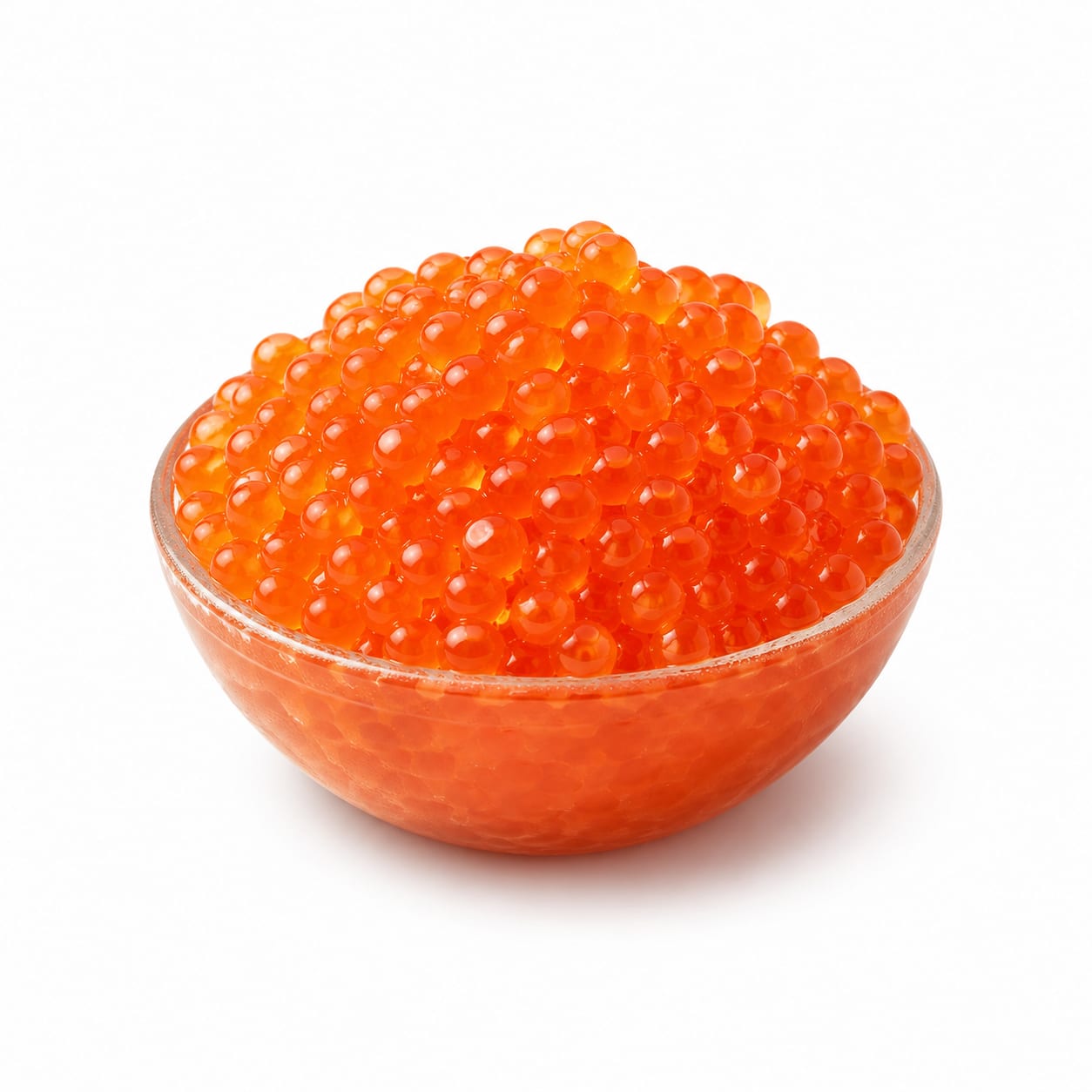
Roe
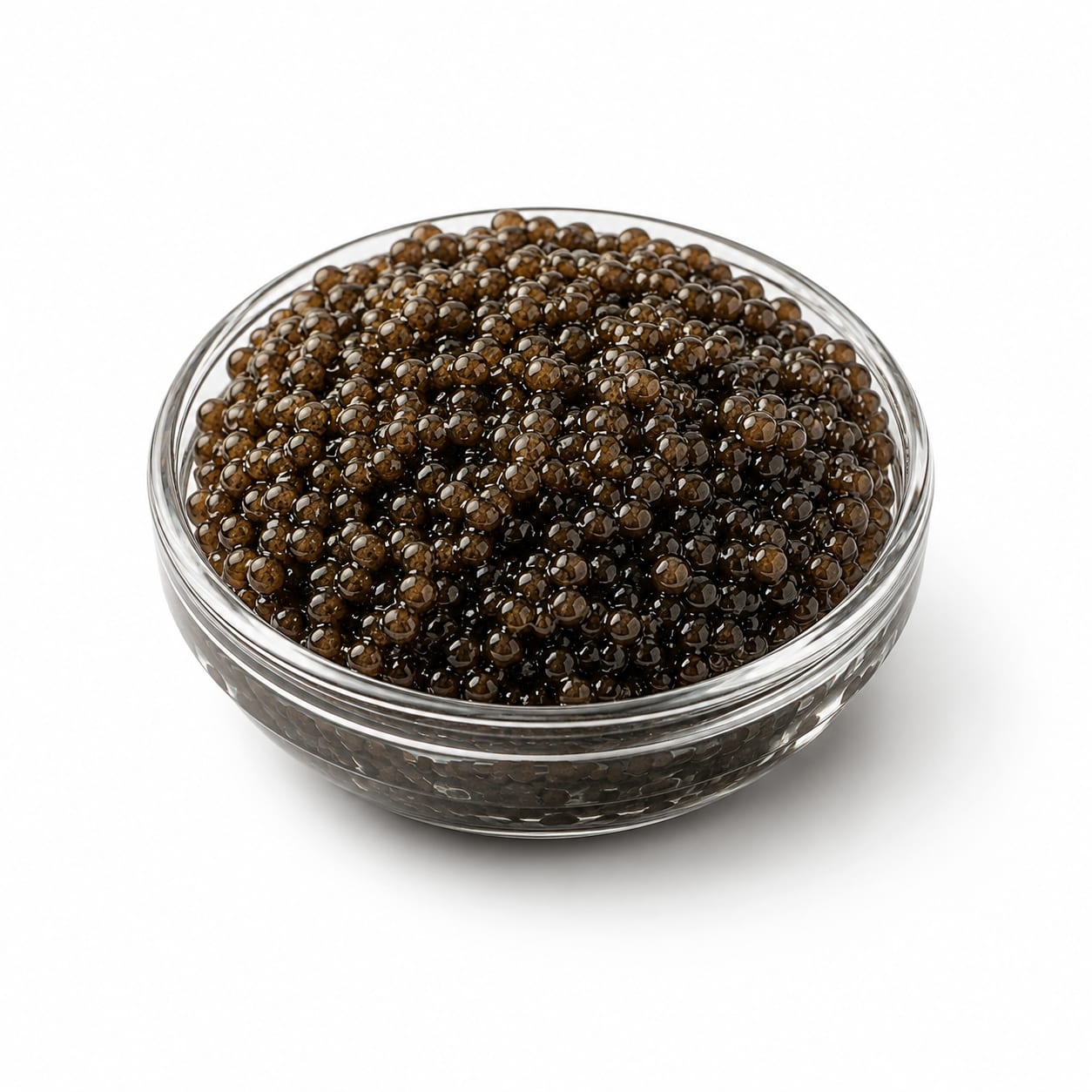
Caviar
Roe delivers nearly identical nutrition to caviar at a fraction of the price, with lower sodium and fewer sustainability concerns.
Roe wins on practicality, sodium, sustainability, and value. Caviar scores lower due to extreme cost, high salt, and ecological baggage. Nutritionally they are close, but real-world usability favors roe.
Caviar offers a refined culinary experience and cultural prestige, but roe matches its health benefits while being far more accessible and environmentally responsible.
At a glance
Executive summary
Overall
Roe
Healthier
Roe
More practical
Roe
Daily use
Roe
Key comparison lenses
nutritional value comparison
Both are luxury seafood items prized for dense nutrition, so understanding which delivers more per serving matters
sodium and processing differences
Caviar is heavily salted by tradition, while roe varies widely in salt content depending on preparation
sustainability and ethical concerns
Sturgeon populations are endangered, making caviar a sustainability-sensitive choice compared to more abundant roe sources
everyday affordability and accessibility
Caviar is prohibitively expensive for regular consumption; roe offers similar nutrients at a fraction of the cost
contaminant and heavy metal exposure
Both come from fish and carry pollutant risks, but sourcing and species matter significantly
Best choice for
Roe
- Budget-conscious consumers wanting omega-3 density
- People watching sodium intake
- Sustainability-minded eaters
- Those who want similar nutrition without luxury pricing
Caviar
- Special occasion dining and celebrations
- Culinary professionals needing specific flavor profiles
- Gifting and prestige-driven purchases
Least suitable for
Roe
- Those seeking an ultra-premium dining experience
- Formal events where caviar service is expected
Caviar
- Anyone on a sodium-restricted diet
- Budget-conscious households
- Those concerned about endangered species consumption
Deep comparison
Dimension by dimension
Each lens scores both foods and breaks down who each option suits.
- Dimension 1 · Priority 94It depends
omega-3_and_brain_nutrition
Roe · 82Caviar · 85Both are omega-3 powerhouses with DHA and EPA, plus hefty B12 doses. Caviar edges slightly ahead in concentration per gram.
Tradeoff
The nutritional gap is minimal and unlikely to matter in practice. You would need lab analysis to notice the difference in a real meal.
Why it matters
Both foods deliver brain-supporting fats and energy-producing B vitamins in amounts most other foods cannot match.
Real-world impact
Either choice gives you a meaningful omega-3 boost. A single serving of either covers your B12 needs for days.
Roe
- Getting omega-3s affordably on a regular basis
Better for
- Slightly lower concentration of certain fatty acids per serving
Worse for
Caviar
- Maximizing nutrient density per gram in tiny portions
Better for
- High cost limits how often you can actually eat it
Worse for
- Dimension 2 · Priority 90Roe
sodium_load
Roe · 65Caviar · 35Caviar is traditionally cured with significant salt, often delivering 400-800mg sodium per serving. Roe varies but is frequently lower, especially fresh or lightly salted varieties.
Tradeoff
That luxurious caviar flavor comes from salt. If you are watching blood pressure, even small portions can push your daily intake high.
Why it matters
High sodium intake is one of the most impactful dietary risks for cardiovascular disease. Frequent consumption of salty foods compounds quickly.
Real-world impact
A few spoonfuls of caviar can deliver a third of your daily sodium allowance. Salmon roe prepared lightly salted might give you half that.
Roe
- Blood pressure management
- More flexibility in the rest of your daily meals
Better for
- Less intense seasoning may feel bland to some palates
Worse for
Caviar
- Flavor intensity if sodium is not a personal concern
Better for
- Risky for anyone with hypertension or salt sensitivity
Worse for
- Dimension 3 · Priority 86Roe
sustainability_and_ethics
Roe · 72Caviar · 30True caviar comes from sturgeon, many species of which are endangered or threatened. Farming practices vary widely. Roe from salmon, trout, and other fish uses more abundant species.
Tradeoff
Choosing caviar means engaging with a supply chain that has historically devastated wild sturgeon populations. Farmed caviar exists but certification is inconsistent.
Why it matters
Consumer demand for caviar directly drives pressure on sturgeon. Choosing alternative roe reduces that pressure meaningfully.
Real-world impact
Salmon roe from well-managed fisheries is a more ecologically responsible choice. Sturgeon farming is improving but still has transparency issues.
Roe
- Environmentally conscious consumers
- Avoiding contributing to endangered species demand
Better for
- Some roe sources still have overfishing concerns depending on species
Worse for
Caviar
- Farmed caviar with verified sustainability certifications exists but requires careful sourcing
Better for
- Wild sturgeon caviar is ethically difficult to justify
Worse for
- Dimension 4 · Priority 84Roe
affordability_and_access
Roe · 80Caviar · 15Roe from common fish like salmon or trout is widely available and reasonably priced. Caviar remains one of the most expensive foods per ounce on earth.
Tradeoff
You can eat roe weekly without financial strain. Caviar is a rare indulgence for most people, which limits its practical health value.
Why it matters
A nutritious food you can afford to eat regularly delivers more health benefit than a superior one you can only taste occasionally.
Real-world impact
Salmon roe might cost $15-30 for a decent portion. Equivalent caviar can run $100-300+. That difference reshapes how often either food appears in your life.
Roe
- Regular nutritional incorporation
- Experimenting with recipes without financial stress
Better for
- Lacks the prestige factor some diners want
Worse for
Caviar
- Creating memorable dining moments when budget allows
Better for
- Cost makes consistent consumption unrealistic for nearly everyone
Worse for
- Dimension 5 · Priority 76It depends
contaminant_exposure
Roe · 58Caviar · 55Both carry risks of heavy metals, PCBs, and microplastics depending on water source. Sturgeon being bottom-dwellers may accumulate more contaminants, but farmed sourcing changes this.
Tradeoff
Neither is risk-free. Source matters more than the type of egg. Wild-caught from polluted waters is the worst scenario for either.
Why it matters
Fish eggs concentrate whatever is in the water. Frequent consumption of contaminated product could undermine the health benefits.
Real-world impact
Choose reputable suppliers for either. Country of origin and farming practices are better predictors of safety than roe versus caviar.
Roe
- Salmon and trout roe from clean cold-water fisheries tend to test well
Better for
- Cheap imported roe may come from untested waters
Worse for
Caviar
- High-end caviar farms often test rigorously for contaminants due to brand reputation
Better for
- Wild sturgeon from certain regions carry significant pollutant loads
Worse for
- Dimension 6 · Priority 70Roe
culinary_versatility
Roe · 75Caviar · 60Roe comes in many forms and flavor profiles, from the large popping pearls of salmon roe to the subtle trout variety. Caviar has a narrower but more refined range.
Tradeoff
Roe gives you more options for different dishes and occasions. Caviar excels in its specific niche but does not adapt as broadly.
Why it matters
Versatility means you are more likely to find ways to incorporate a food into your regular cooking rather than saving it for one type of meal.
Real-world impact
Salmon roe works on sushi, toast, pasta, and salads. Caviar shines on blini with crème fraîche but feels wasted in heavily seasoned dishes.
Roe
- Home cooks wanting flexibility across cuisines
- Sushi and Japanese cooking enthusiasts
Better for
- Cannot replicate the specific buttery nuance of premium sturgeon caviar
Worse for
Caviar
- Classic French and Russian fine dining presentations
Better for
- Too delicate and expensive for casual or experimental cooking
Worse for
Timeline
Health impact over time
Short-term
Hours to days
Roe
- Quick B12 boost supporting energy metabolism
- Omega-3 intake supports focus and mood within hours
- Lighter sodium load means less bloating than caviar
Caviar
- Same B12 and omega-3 benefits as roe
- High sodium can cause noticeable thirst and water retention
- Rich flavor may trigger overconsumption of accompanying foods like bread or butter
Long-term
Months to years
Roe
- Regular omega-3 intake supports heart and brain health when consumed consistently
- Lower sodium contribution helps maintain healthier blood pressure over years
- Affordability enables sustainable long-term inclusion in diet
Caviar
- Same omega-3 benefits but only if consumed regularly, which cost usually prevents
- Frequent sodium exposure from regular caviar consumption could raise cardiovascular risk
- Occasional luxury consumption has minimal long-term health impact either way
Risk profile
Safety & processing
Fresh or lightly salted roe is about as close to natural as animal protein gets. Caviar undergoes traditional salting and curing that, while not ultra-processed, adds significant sodium and sometimes preservatives like borax in some European traditions.
Roe
Bacterial contamination in raw roe
mediumRaw fish eggs can harbor Listeria and other pathogens. Pasteurized options exist but change texture. Pregnant women should avoid unpasteurized roe.
Heavy metal accumulation
mediumDepends heavily on water source. Salmon and trout from clean fisheries are generally safe, but unverified imports may carry mercury and PCBs.
Allergic reactions
lowFish and shellfish allergies can be triggered by roe. Cross-reactivity is possible even if the fish itself is tolerated.
Caviar
High sodium health effects
highTraditional caviar curing uses 3-5% salt by weight. Even a small serving can deliver 400-800mg sodium, straining daily limits for sensitive individuals.
Borax or borate preservatives
mediumSome European and traditional caviar producers use borax as a preservative. While permitted in small amounts in certain regions, it is banned in the US food supply and raises health concerns with regular intake.
Contaminant concentration in sturgeon
mediumSturgeon are long-lived bottom feeders that can accumulate heavy metals and pollutants over time, particularly in wild-caught specimens from industrial waterways.
Adulteration and mislabeling
mediumThe high price of caviar creates incentive for fraud. Lower-grade or non-sturgeon eggs are sometimes sold as premium caviar, making sourcing transparency critical.
Who wins for whom
Audience fit
Same foods, different winners depending on your goal.
children
RoeSalmon roe's milder salt content and larger appealing texture make it more suitable for kids. Caviar's sodium and cost make it impractical for children.
daily consumption
RoeAffordability, lower sodium, and wider availability make roe realistic for regular use. Caviar is best reserved for occasional enjoyment.
diabetes
RoeBoth are essentially zero-carb, but roe's lower sodium makes it a safer regular choice for diabetics who often have cardiovascular comorbidities.
elderly
RoeOlder adults benefit from the B12 and omega-3s in both, but roe's lower sodium is safer for age-related blood pressure concerns.
muscle gain
It dependsBoth provide high-quality protein and B12, but neither is a primary protein source. Choose based on budget and preference.
weight loss
RoeRoe is lower in sodium and more affordable, making it easier to use as a protein-rich topping without overdoing salt or calories.
Your move
Decision guide
Choose Roe
- You want omega-3 and B12 benefits without luxury pricing
- Sodium intake is a health concern for you
- Sustainability and environmental impact matter in your food choices
- You plan to eat fish eggs more than a few times per year
- You enjoy cooking at home and want a versatile ingredient
Choose Caviar
- You are celebrating a special occasion and want the real experience
- Budget is not a constraint and you value culinary tradition
- You are serving a fine-dining course where caviar's specific flavor is expected
- You can source verified sustainable farmed caviar and want to try it
Either works if
- You need a zero-carb, nutrient-dense topping for a dish
- You are already eating a low-sodium diet and can accommodate the salt in either
- You want B12 and omega-3s from a whole-food source rather than supplements
Avoid both if
- You have a fish or shellfish allergy
- You are pregnant and cannot verify pasteurization
- You are on a strict sodium-restricted diet and cannot accommodate even moderate salt
- You cannot verify the source and worry about contaminants
Final recommendation
For most people, roe is the smarter everyday choice. It delivers the same core nutritional benefits as caviar with less salt, lower cost, and a lighter ecological footprint. Save caviar for the moments that call for it, and enjoy roe as a practical way to bring luxury nutrition into your regular diet.
Practical
Consumer tips
- 1
Look for salmon or trout roe from Alaska, Norway, or Japan for reliable quality and cleaner waters
- 2
Check sodium labels carefully. Some jarred roe is nearly as salty as caviar. Fresh or frozen options are usually lower
- 3
If buying caviar, look for Aquaculture Stewardship Council or similar certifications to verify sustainable farming
- 4
Store both foods cold and consume quickly after opening. Fish eggs degrade in quality and safety faster than most people expect
- 5
Pregnant women should only consume pasteurized roe or caviar, and even then should consult their doctor
- 6
Freeze roe in small portions to extend shelf life without significant texture loss. Thaw in the refrigerator overnight
- 7
Avoid caviar listing borax or E285 on the label if you want to skip that preservative