
Nutrition comparison
Roe vs Anchovies: Nutrition, Mercury, and Which Is Healthier
Compare roe vs anchovies for omega-3s, protein, sodium, and mercury. Find out which fish delicacy is better for your health, budget, and cooking needs.
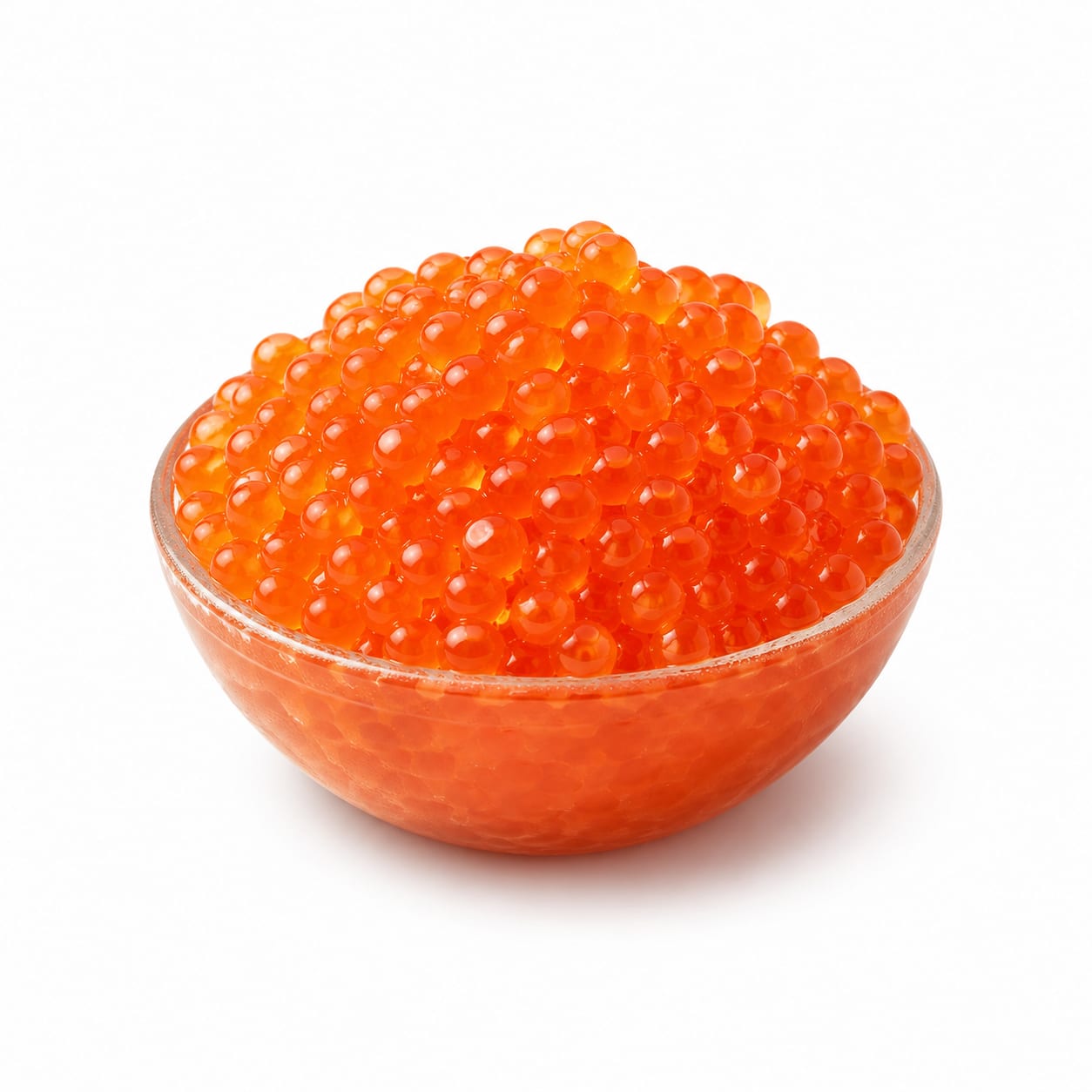
Roe
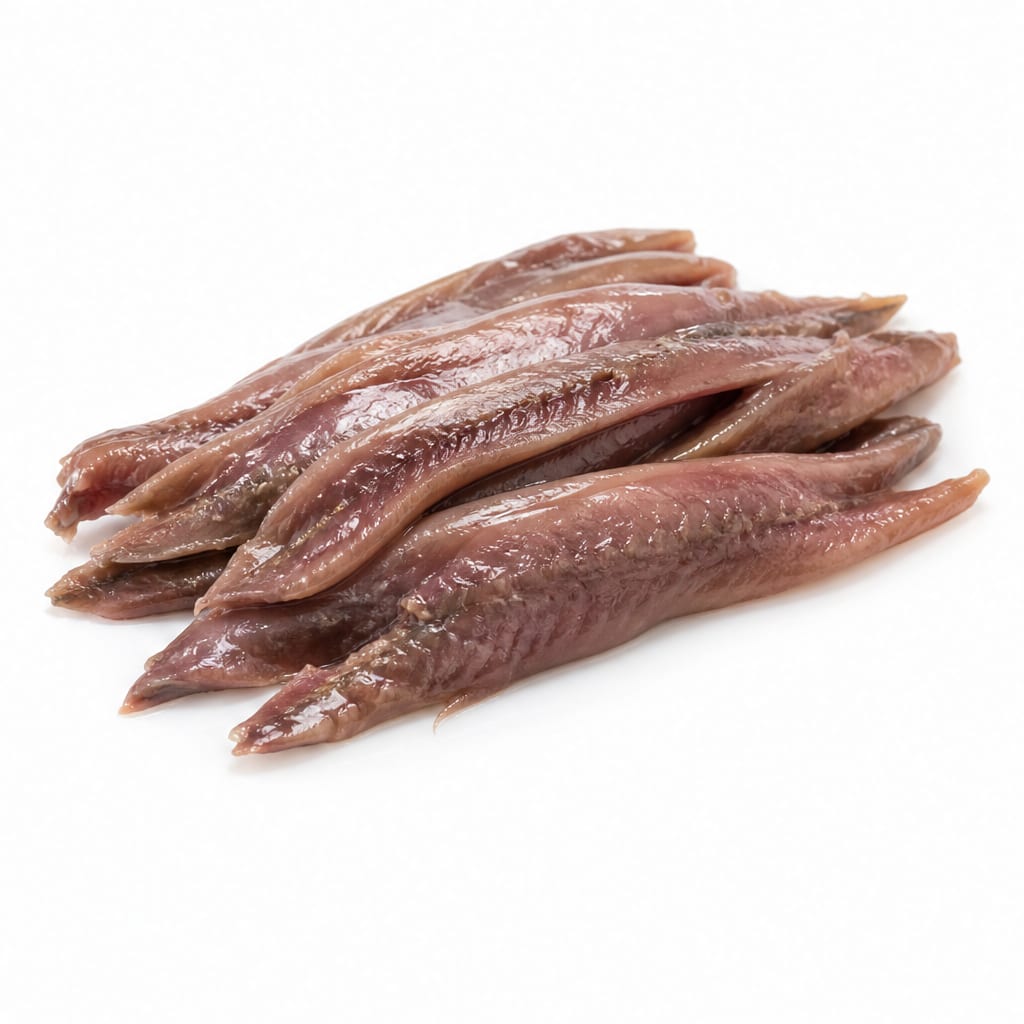
Anchovies
Roe offers a concentrated burst of omega-3s and vitamins as a garnish, while anchovies deliver more protein and calcium as an affordable pantry staple.
Anchovies score slightly higher due to better practicality, protein content, and affordability for regular use, though both are nutrient powerhouses with high sodium caveats.
Roe provides more vitamin B12 and omega-3s per bite but is expensive and high in cholesterol, whereas anchovies are a budget-friendly protein source but heavily salt-cured.
At a glance
Executive summary
Overall
It depends
Healthier
It depends
More practical
Anchovies
Daily use
Anchovies
Key comparison lenses
Nutrient density and omega-3 profiles
Both are marine superfoods, but their fat-soluble vitamin and DHA concentrations differ significantly per serving.
Sodium load and curing methods
Roe and anchovies are almost always cured, making sodium the biggest practical health tradeoff.
Mercury and heavy metal accumulation
Anchovies are low on the food chain, while roe's safety depends entirely on the parent fish species.
Culinary practicality and affordability
Roe is a luxury garnish, whereas anchovies are an everyday pantry staple, impacting how often people actually eat them.
Cholesterol and purine content
Roe is very high in cholesterol, and anchovies are rich in purines, creating specific dietary restrictions for certain people.
Best choice for
Roe
- Luxury dining experiences
- Boosting B12 and vitamin D in tiny portions
- Pregnant women needing DHA (if pasteurized and from low-mercury fish)
Anchovies
- Adding umami to everyday cooking
- Budget-friendly omega-3 intake
- Boosting calcium and protein intake
Least suitable for
Roe
- People watching their cholesterol
- Sodium-sensitive individuals (if salted)
- Budget-conscious daily meals
Anchovies
- People on strict low-sodium diets
- Those who dislike strong fishy flavors
- Gout sufferers (due to high purines)
Deep comparison
Dimension by dimension
Each lens scores both foods and breaks down who each option suits.
- Dimension 1 · Priority 95Roe
Nutrient Density
Roe · 95Anchovies · 88Roe is exceptionally dense in B12, vitamin D, and DHA, delivering massive nutrition in a tiny serving.
Tradeoff
You get more vitamins per calorie from roe, but anchovies provide significantly more protein and calcium.
Why it matters
If you need a concentrated nutrient boost without eating much volume, roe is unmatched.
Real-world impact
A single spoonful of roe can cover your daily B12 needs, while anchovies require a larger portion to match the vitamin content.
Roe
- Concentrated B12 and DHA intake
- Small-volume eaters needing big nutrition
Better for
- Macros like protein are low per serving
- High cholesterol per serving
Worse for
Anchovies
- Increasing daily protein
- Getting calcium from fish bones
Better for
- Lower fat-soluble vitamin content compared to roe
Worse for
- Dimension 2 · Priority 90It depends
Sodium and Processing
Roe · 45Anchovies · 35Both are typically cured with salt, but anchovies are almost always heavily salt-packed or oil-packed with salt, making them consistently higher in sodium.
Tradeoff
Roe can be found fresher or lightly salted, but most commercial roe is still quite salty.
Why it matters
High sodium can spike blood pressure and cause bloating, limiting how much you can comfortably eat.
Real-world impact
Eating a few anchovies can easily put you over a quarter of your daily sodium limit.
Roe
- Slightly easier to find lower-sodium fresh preparations
- Usually eaten in smaller quantities
Better for
- Salted roe still packs a heavy sodium punch
Worse for
Anchovies
- None - both are salty, but anchovies are generally saltier
Better for
- Extremely high sodium from salt-curing process
- Often packed in oils that may add extra calories
Worse for
- Dimension 3 · Priority 85Anchovies
Contaminants and Heavy Metals
Roe · 75Anchovies · 90Anchovies are very low on the food chain, meaning they accumulate far less mercury than larger fish and their roe.
Tradeoff
Roe's mercury level depends on the parent fish, while anchovies are consistently safe.
Why it matters
Mercury exposure affects brain health and is especially concerning for pregnant women and children.
Real-world impact
You can eat anchovies multiple times a week without worrying about mercury, whereas roe requires knowing the source fish.
Roe
- None - anchovies are generally safer from heavy metals
Better for
- Mercury risk varies based on the fish species it comes from
Worse for
Anchovies
- Consistently low mercury across brands
- Safe for frequent consumption
Better for
- Some canned varieties may have BPA lining concerns
Worse for
- Dimension 4 · Priority 80Anchovies
Culinary Practicality and Value
Roe · 40Anchovies · 90Anchovies are an affordable, shelf-stable ingredient that melts into dishes to add depth, while roe is a delicate, expensive garnish.
Tradeoff
Roe elevates presentation and offers a pop of texture, but anchovies are a versatile everyday cooking tool.
Why it matters
A healthy food only works if you can actually incorporate it into your regular meals without breaking the bank.
Real-world impact
A tin of anchovies costs a few dollars and transforms a pasta sauce, while roe costs significantly more and is used sparingly as a topping.
Roe
- Special occasion dining
- Visual presentation and texture
Better for
- Highly perishable
- Very expensive per ounce
Worse for
Anchovies
- Budget-friendly nutrition
- Pantry shelf-stability
- Versatile umami flavor base
Better for
- Strong flavor isn't always welcome
- Less visually elegant
Worse for
Timeline
Health impact over time
Short-term
Hours to days
Roe
- Quick B12 energy boost
- Potential blood pressure spike from salt if cured
Anchovies
- Rapid sodium intake if you eat multiple fillets
- Satiety from protein and fat
Long-term
Months to years
Roe
- Excellent DHA intake for brain health if eaten regularly
- High cholesterol intake if consumed in large amounts
Anchovies
- Consistent omega-3 intake supporting heart health
- Risk of elevated blood pressure if sodium isn't managed
Risk profile
Safety & processing
Roe is typically just fish eggs and salt, while anchovies are cleaned, gutted, and salt-cured or oil-packed, making them slightly more processed but still natural.
Roe
Bacterial contamination
mediumFresh or unpasteurized roe can harbor bacteria; pregnant women should avoid unpasteurized varieties.
Mercury exposure
mediumDepends entirely on the parent fish; larger fish roe carries higher risk.
Anchovies
Excessive sodium
highThe salt-curing process makes anchovies a major sodium source, risky for hypertension.
Gout flare-ups
mediumAnchovies are very high in purines, which can trigger gout in susceptible people.
Who wins for whom
Audience fit
Same foods, different winners depending on your goal.
children
AnchoviesAnchovies are lower in mercury and provide calcium for growing bones, though they must be used in tiny amounts due to salt.
daily consumption
AnchoviesAnchovies are far more affordable and versatile for daily cooking, whereas roe is best reserved as an occasional treat.
diabetes
It dependsBoth are virtually carb-free and won't spike blood sugar, but the high sodium is a concern for diabetic heart health.
elderly
AnchoviesThe calcium and protein in anchovies support bone density and muscle retention, which are critical with aging.
muscle gain
AnchoviesAnchovies offer a more substantial protein content per serving compared to the tiny portions of roe.
weight loss
AnchoviesAnchovies provide more protein to keep you full, though both should be used as flavor accents due to high sodium.
Your move
Decision guide
Choose Roe
- You want a luxurious, nutrient-dense garnish for a special meal
- You need a massive B12 and DHA boost in a single bite
- You have the budget for premium ingredients
Choose Anchovies
- You want an affordable, shelf-stable source of omega-3s and protein
- You need a flavor enhancer to make healthy meals taste amazing
- You are watching your mercury intake but want the benefits of fish
Either works if
- You want to increase your omega-3 intake without taking supplements
- You are looking for low-carb, high-flavor additions to your diet
Avoid both if
- You are on a strict low-sodium diet for blood pressure management
- You have severe gout and must avoid high-purine foods
Final recommendation
Keep anchovies in your pantry as an everyday nutritional secret weapon, and save roe for when you want to treat yourself to a concentrated burst of vitamins and luxury.
Practical
Consumer tips
- 1
Rinse salt-packed anchovies under cold water before using to remove excess surface salt.
- 2
Mash anchovies into a paste with garlic and olive oil for a savory base that dissolves into sauces.
- 3
Look for pasteurized roe if you are pregnant or immunocompromised to avoid bacterial risks.
- 4
Check the source fish for roe—salmon and trout roe are generally lower in mercury than tuna or swordfish roe.
- 5
If watching sodium, limit both to garnish portions rather than main dishes.