
Nutrition comparison
Rigatoni vs Zucchini Noodles: Which Is Better for Weight Loss and Blood Sugar?
Compare rigatoni and zucchini noodles on calories, carbs, blood sugar impact, and satisfaction. Find out which pasta alternative fits your health goals.
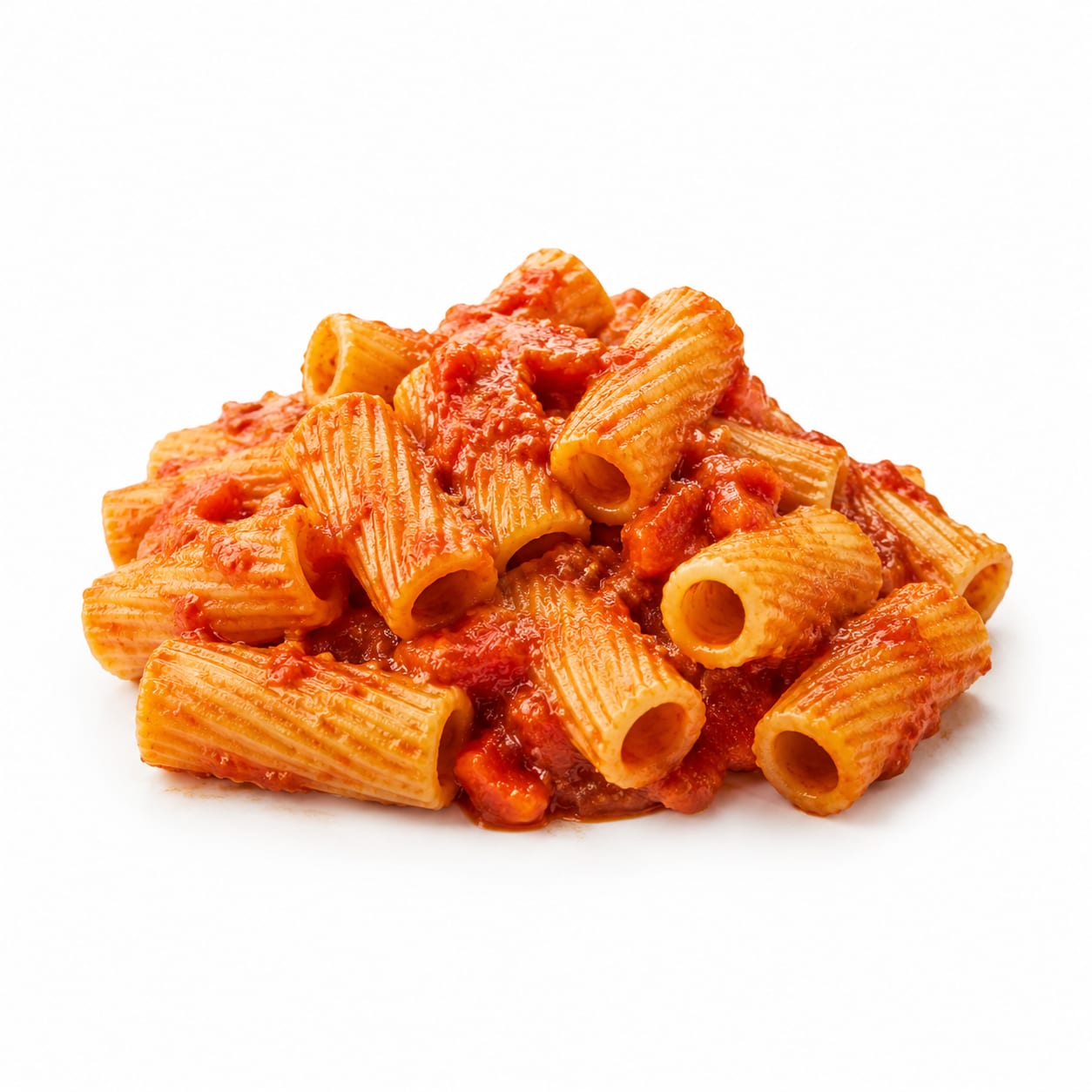
Rigatoni
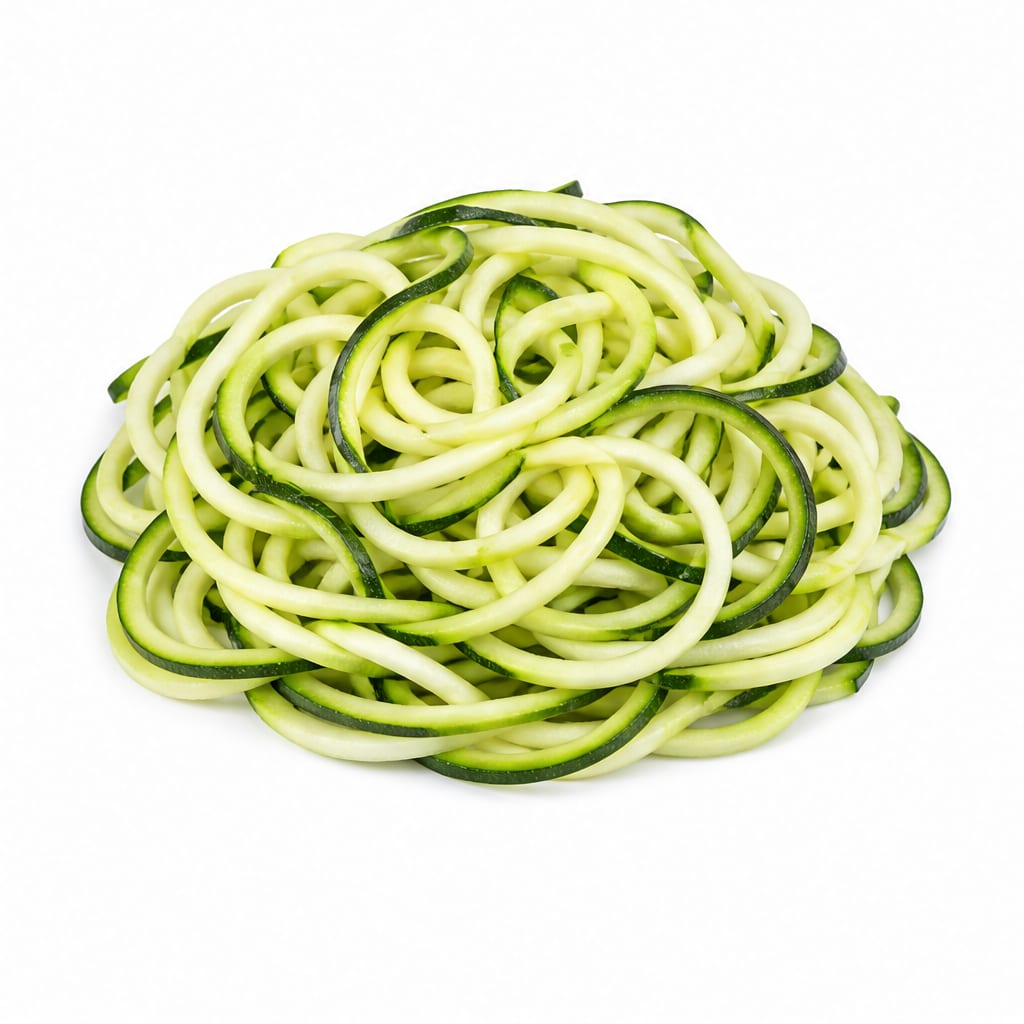
Zucchini Noodles
Rigatoni delivers comfort and sustained energy; zucchini noodles deliver lightness and blood sugar control. They serve completely different needs.
Zucchini noodles score higher for most health-conscious users due to dramatically lower calories, near-zero blood sugar impact, and high nutrient density. Rigatoni scores well for energy needs and satisfaction but loses ground on metabolic health and weight management.
Satisfaction and calorie density versus metabolic flexibility and weight management
At a glance
Executive summary
Overall
It depends
Healthier
Zucchini Noodles
More practical
Rigatoni
Daily use
Zucchini Noodles
Key comparison lenses
low-carb diet compatibility
This is the primary reason most people consider swapping pasta for zucchini noodles
weight management
Massive calorie difference makes this comparison central for anyone watching their weight
blood sugar control
Refined carbohydrates versus near-zero carbs creates a stark glycemic contrast
meal satisfaction and fullness
Users want to know if zucchini noodles actually satisfy or leave them hungry an hour later
practical everyday eating
Taste, texture, and preparation effort differ significantly between these options
Best choice for
Rigatoni
- Athletes needing carb fuel before or after intense training
- People trying to gain weight or maintain a high-calorie diet
- Anyone seeking comforting, satisfying meals that prevent late-night snacking
- Family dinners where everyone expects traditional pasta
- Budget-conscious households
Zucchini Noodles
- People managing diabetes or insulin resistance
- Anyone actively losing weight who needs volume without calories
- Low-carb or keto dieters craving a pasta-like experience
- Those wanting lighter meals that won't cause afternoon energy crashes
- People increasing vegetable intake effortlessly
Least suitable for
Rigatoni
- People with diabetes or prediabetes
- Anyone on a low-carb or ketogenic diet
- Those struggling with portion control around pasta
- People trying to reduce refined carbohydrate intake
Zucchini Noodles
- Athletes who need substantial carbohydrate fuel
- Underweight individuals needing calorie density
- People who find vegetable substitutes unsatisfying and end up overeating later
- Anyone seeking the authentic pasta experience for a special meal
Deep comparison
Dimension by dimension
Each lens scores both foods and breaks down who each option suits.
- Dimension 1 · Priority 95Zucchini Noodles
calorie_density_and_weight_management
Rigatoni · 25Zucchini Noodles · 95A cup of rigatoni packs roughly 220 calories while the same volume of zucchini noodles delivers about 20 calories.
Tradeoff
Rigatoni provides satisfying calorie density; zucchini noodles provide guilt-free volume eating
Why it matters
If you eat pasta regularly, those calories add up fast. Zucchini noodles let you eat a massive bowl without second-guessing.
Real-world impact
Swapping just two pasta dinners per week for zucchini noodles could save you over 10,000 calories per month without changing anything else.
Rigatoni
- Maintaining weight during heavy training periods
- Getting enough calories without force-feeding
Better for
- Anyone whose doctor told them to lose weight
- Late-night pasta habits that derail progress
Worse for
Zucchini Noodles
- Creating a calorie deficit effortlessly
- Eating large portions without weight gain anxiety
Better for
- Situations where you actually need energy density
- Meals that need to sustain you for 5+ hours
Worse for
- Dimension 2 · Priority 90Zucchini Noodles
blood_sugar_and_metabolic_impact
Rigatoni · 20Zucchini Noodles · 95Rigatoni causes a significant blood sugar spike; zucchini noodles have negligible glycemic impact.
Tradeoff
Quick energy from refined carbs versus metabolic stability from near-zero carbs
Why it matters
That post-pasta energy crash is real. Zucchini noodles keep your blood sugar steady, which means steadier mood and energy.
Real-world impact
After rigatoni, you might feel sleepy and crave a nap. After zucchini noodles, you stay alert and avoid the carb coma.
Rigatoni
- Pre-workout fuel when you need fast-available glucose
- Recovery meals after glycogen-depleting exercise
Better for
- Anyone monitoring fasting blood sugar
- People with metabolic syndrome
Worse for
Zucchini Noodles
- Managing type 2 diabetes or prediabetes
- Preventing the 3pm energy crash at work
- Reducing insulin resistance over time
Better for
- Endurance athletes mid-competition who need immediate fuel
Worse for
- Dimension 3 · Priority 85Rigatoni
satiety_and_meal_satisfaction
Rigatoni · 80Zucchini Noodles · 45Rigatoni keeps you full for hours; zucchini noodles digest quickly and may leave you hungry sooner.
Tradeoff
Long-lasting fullness versus lightness that may require protein additions to satisfy
Why it matters
A meal that leaves you hungry in 90 minutes can trigger snacking that wipes out any calorie savings from the swap.
Real-world impact
Eat rigatoni at dinner and you likely won't think about food until morning. Eat zucchini noodles alone and you might be raiding the fridge by 9pm.
Rigatoni
- Meals that need to carry you 4-5 hours
- Situations where you cannot snack later
Better for
- Meals before you need to be active and alert
- People who feel sluggish after heavy carbs
Worse for
Zucchini Noodles
- Light lunches before afternoon meetings
- Late dinners when you don't want to sleep on a full stomach
Better for
- Main meals without added protein or healthy fats
- Anyone prone to late-night snacking
Worse for
- Dimension 4 · Priority 78Zucchini Noodles
nutrient_density
Rigatoni · 25Zucchini Noodles · 80Zucchini noodles provide vitamin C, potassium, and antioxidants; rigatoni offers minimal micronutrients unless enriched or whole wheat.
Tradeoff
B-vitamins and iron from enriched flour versus vitamin C, potassium, and antioxidants from zucchini
Why it matters
Nutrient-dense foods support your immune system, hydration, and cellular health without supplements.
Real-world impact
Regular rigatoni eaters may need to work harder to hit micronutrient targets elsewhere. Zucchini noodles contribute meaningfully to your daily vegetable count.
Rigatoni
- Folate and iron intake from enriched pasta varieties
- Quick B-vitamin replenishment in restricted diets
Better for
- Reliance on pasta as a staple without diverse vegetables
Worse for
Zucchini Noodles
- Boosting potassium for blood pressure management
- Increasing vitamin C for immune support
- Contributing to daily vegetable servings
Better for
- Sole reliance on zucchini for all micronutrients is insufficient
Worse for
- Dimension 5 · Priority 72Zucchini Noodles
digestive_health_and_fiber
Rigatoni · 35Zucchini Noodles · 75Zucchini noodles provide gentle soluble fiber and high water content; regular rigatoni is low in fiber unless you choose whole wheat.
Tradeoff
Hydrating, gut-friendly fiber from zucchini versus minimal fiber from refined pasta
Why it matters
Fiber keeps digestion regular, feeds beneficial gut bacteria, and helps you feel full on fewer calories.
Real-world impact
Zucchini noodles support smoother digestion and less bloating compared to heavy pasta meals that can sit in your stomach.
Rigatoni
- Whole wheat rigatoni varieties that match or exceed zucchini fiber
Better for
- Digestive sluggishness from refined flour
- Contributing to chronic low-fiber intake
Worse for
Zucchini Noodles
- Improving stool regularity
- Supporting gut microbiome diversity
- Reducing constipation from low-fiber diets
Better for
- Excessive raw zucchini may cause bloating in sensitive individuals
Worse for
- Dimension 6 · Priority 70Rigatoni
versatility_and_culinary_experience
Rigatoni · 85Zucchini Noodles · 60Rigatoni holds sauce beautifully and delivers authentic pasta texture; zucchini noodles can become watery and lack that satisfying chew.
Tradeoff
Authentic pasta experience with perfect sauce adhesion versus lighter texture that requires careful preparation
Why it matters
If the substitute doesn't satisfy, you'll abandon it and return to regular pasta anyway.
Real-world impact
Rigatoni with marinara feels like a real meal. Zucchini noodles with the same sauce can feel like a diet compromise unless you master the cooking technique.
Rigatoni
- Hearty sauces like bolognese that need sturdy noodles
- Family meals where authenticity matters
- Baked pasta dishes like ziti
Better for
- Light, fresh summer meals
- Anyone bored with standard pasta dishes
Worse for
Zucchini Noodles
- Light pesto or olive oil-based preparations
- Raw or lightly sautéed summer dishes
- Meal prep where you want a quick vegetable base
Better for
- Heavy cream sauces that turn watery
- Anyone expecting true pasta texture
Worse for
- Dimension 7 · Priority 65Rigatoni
convenience_and_cost
Rigatoni · 80Zucchini Noodles · 55Rigatoni is shelf-stable, cheap, and easy to cook in bulk; zucchini noodles require fresh produce and careful prep to avoid sogginess.
Tradeoff
Pantry convenience and low cost versus fresh produce that requires more attention
Why it matters
The best healthy choice is one you'll actually make consistently. If zucchini noodles are too much work, you'll default back to pasta.
Real-world impact
Box of rigatoni: $1.50, lasts months in the pantry, cooks in 12 minutes. Zucchini: needs fridge space, spoils in days, requires spiralizing and salting and draining.
Rigatoni
- Budget meal planning
- Pantry stocking for busy weeks
- Simple weeknight cooking with minimal prep
Better for
- People wanting to reduce refined carb convenience habits
Worse for
Zucchini Noodles
- Garden zucchini season when produce is free
- Quick no-cook meals in summer
Better for
- Meal prep that needs to last several days
- Tight grocery budgets
Worse for
Timeline
Health impact over time
Short-term
Hours to days
Rigatoni
- Noticeable blood sugar rise within 30-60 minutes of eating
- Comforting fullness that can also feel heavy or sluggish
- Quick energy available for physical activity within the hour
- Potential for carb cravings later if eaten without protein or fat
Zucchini Noodles
- Stable blood sugar with no crash or spike
- Light feeling that may not satisfy without added protein
- Quick digestion without bloating or heaviness
- Immediate boost in vegetable intake for the day
Long-term
Months to years
Rigatoni
- Regular consumption linked to increased visceral fat if portions are large
- Higher risk of insulin resistance when eaten frequently without balance
- Possible nutrient gaps if pasta displaces vegetables regularly
- Enriched varieties provide consistent folate and iron
Zucchini Noodles
- Improved blood sugar regulation over months of regular use
- Better weight management with lower calorie density meals
- Enhanced micronutrient status from consistent vegetable intake
- Risk of inadequate calories if over-relied upon without protein and fat additions
Risk profile
Safety & processing
Rigatoni is a processed food made from refined wheat flour, though it contains minimal additives beyond enrichment vitamins. Zucchini noodles are simply a raw vegetable cut into strips. The naturalness gap is significant but rigatoni is far from an ultra-processed food.
Rigatoni
Glyphosate residue from conventional wheat
lowConventional wheat may carry trace pesticide residues. Choose organic rigatoni if this concerns you.
Gluten-related digestive issues
mediumPeople with celiac disease or gluten sensitivity must avoid rigatoni entirely. Mild sensitivity can cause bloating or fatigue.
Zucchini Noodles
Pesticide residue on conventional zucchini
mediumZucchini is not on the highest-risk list but conventional varieties can carry pesticide residues. Washing thoroughly or choosing organic reduces exposure.
Oxalate sensitivity
lowZucchini contains moderate oxalates. People prone to kidney stones should be aware but the levels are generally manageable.
Who wins for whom
Audience fit
Same foods, different winners depending on your goal.
children
RigatoniKids need energy density for growth and are more likely to eat and enjoy rigatoni. Zucchini noodles can supplement but should not replace their carb needs.
daily consumption
Zucchini NoodlesDaily zucchini noodle consumption supports weight management and metabolic health. Daily rigatoni consumption would likely contribute to excessive calorie and refined carb intake.
diabetes
Zucchini NoodlesNear-zero carbs and negligible glycemic impact make zucchini noodles the clear choice for blood sugar management.
elderly
Zucchini NoodlesLower calorie needs, blood sugar concerns, and the importance of vegetable intake make zucchini noodles more appropriate for most older adults.
muscle gain
RigatoniRigatoni provides the carbohydrate fuel needed for intense training and glycogen replenishment that supports muscle growth.
weight loss
Zucchini NoodlesZucchini noodles deliver pasta-like volume at one-tenth the calories, making calorie deficits nearly effortless.
Your move
Decision guide
Choose Rigatoni
- You're an athlete training hard and need carbohydrate fuel
- You're underweight or struggling to eat enough calories
- It's a special occasion and you want authentic pasta satisfaction
- You're cooking for a family that expects real pasta
- Your budget is tight and you need affordable, shelf-stable meals
Choose Zucchini Noodles
- You're actively losing weight or maintaining a calorie deficit
- You have diabetes, prediabetes, or insulin resistance
- You follow a low-carb or ketogenic eating approach
- You want lighter meals that don't leave you sluggish
- You're trying to increase your daily vegetable intake
Either works if
- You're at a healthy weight and eat a balanced diet overall
- You want variety and can rotate both options weekly
- You pair either base with plenty of protein and healthy fats
Avoid both if
- You have a wheat allergy and are considering rigatoni
- You have severe oxalate sensitivity and are considering zucchini noodles
- Neither should be a standalone meal without protein and healthy fat additions
Final recommendation
Make zucchini noodles your default weekday base and save rigatoni for weekends or post-workout meals. This gives you metabolic benefits most of the week while preserving the satisfaction of real pasta when it matters most. When eating zucchini noodles, always add a substantial protein source like grilled chicken, shrimp, or lentils to prevent hunger rebound. When eating rigatoni, load it with vegetables and lean protein to blunt the blood sugar spike and increase satiety.
Practical
Consumer tips
- 1
Salt zucchini noodles and let them sit for 15 minutes, then squeeze out excess water before cooking to prevent soggy dishes
- 2
Try half rigatoni and half zucchini noodles for a compromise that cuts calories while maintaining real pasta texture
- 3
Toss zucchini noodles with sauce off the heat rather than cooking them in sauce to preserve texture
- 4
Choose whole wheat or legume-based rigatoni for more fiber and protein if you stick with traditional pasta
- 5
Pre-spiralized zucchini noodles are convenient but spoil faster; spiralize fresh when possible
- 6
Add olive oil and parmesan to zucchini noodles for healthy fats that increase satisfaction without many calories
- 7
If rigatoni makes you sleepy, try eating a smaller portion with a large side salad and protein