
Nutrition comparison
Rigatoni vs Whole Wheat Rigatoni: Which Is Healthier?
Compare Rigatoni and Whole Wheat Rigatoni on fiber, blood sugar impact, taste, and long-term health. Find out which pasta is better for weight loss, diabetes, and daily eating.
Overall winner · Whole Wheat Rigatoni
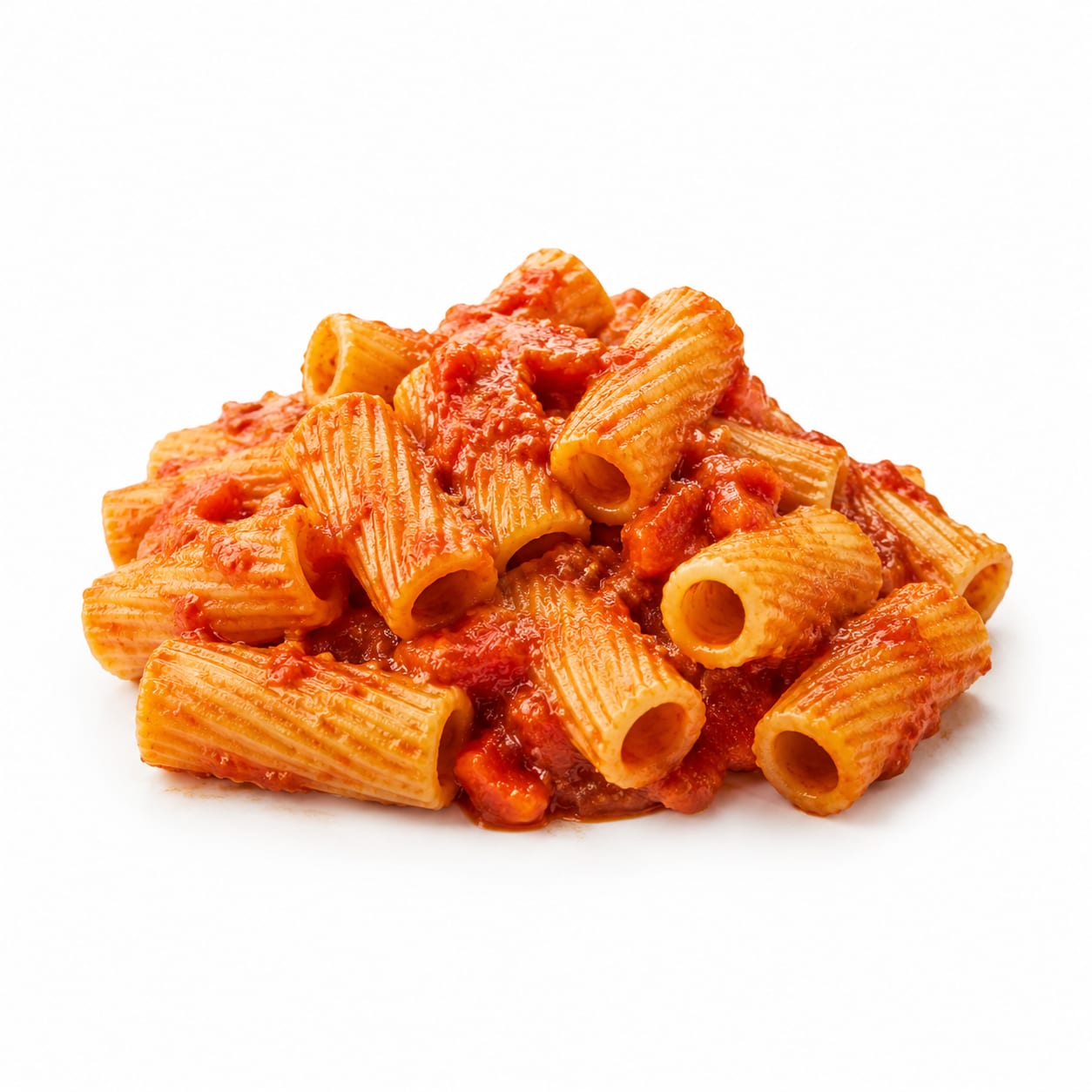
Rigatoni
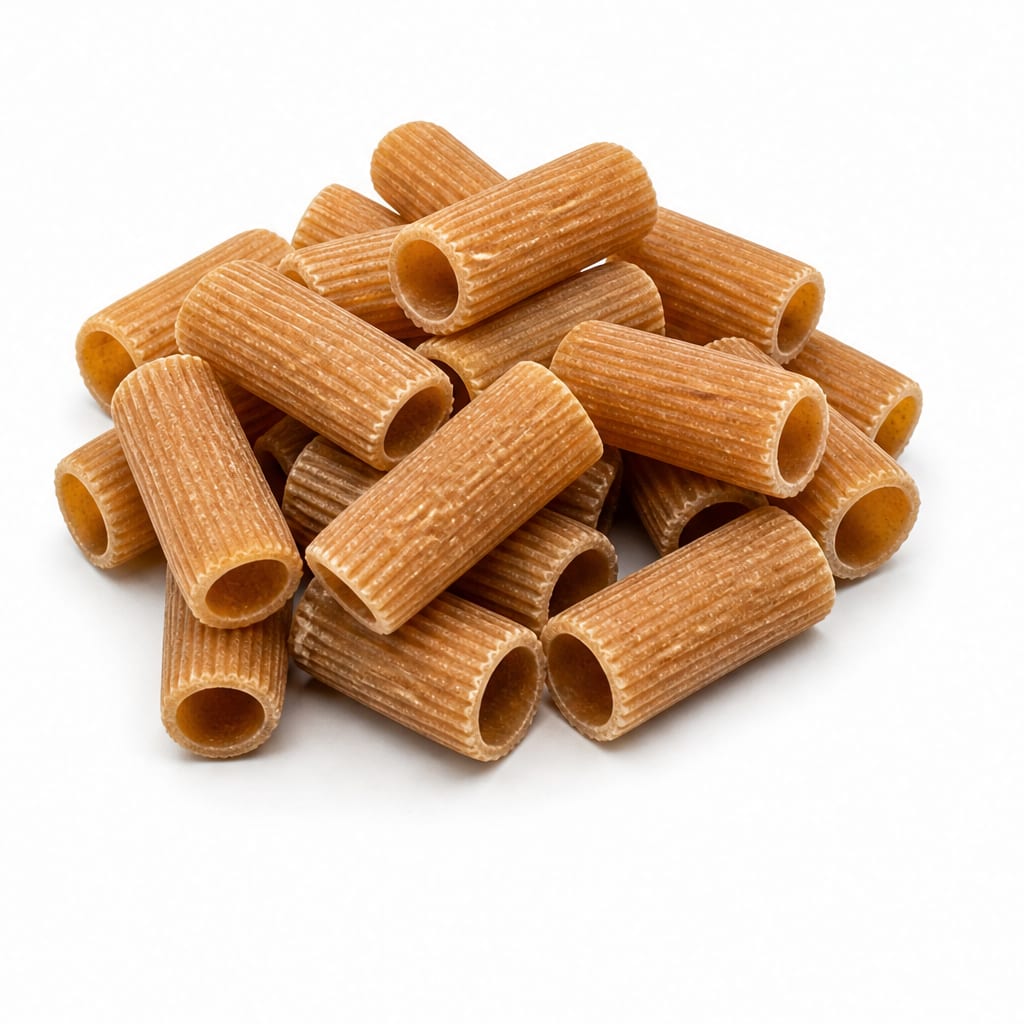
Whole Wheat Rigatoni
Whole Wheat Rigatoni delivers the same comforting pasta experience with significantly better blood sugar control, more fiber, and stronger long-term health benefits.
Whole Wheat Rigatoni scores notably higher due to superior fiber, better glycemic control, and stronger long-term health outcomes. Rigatoni remains competitive on taste and texture but falls behind on nutritional substance.
You gain fiber, steadier energy, and better metabolic protection with Whole Wheat Rigatoni, but sacrifice the lighter texture and milder flavor of traditional Rigatoni.
At a glance
Executive summary
Overall
Whole Wheat Rigatoni
Healthier
Whole Wheat Rigatoni
More practical
Rigatoni
Daily use
Whole Wheat Rigatoni
Key comparison lenses
blood sugar and energy stability
The fiber difference between refined and whole grain pasta dramatically affects how your body processes the carbohydrates
long-term metabolic health
Regular refined pasta consumption is linked to higher diabetes risk, while whole grain versions offer protection
satiety and portion control
Whole wheat pasta keeps you fuller longer, making it easier to avoid overeating
taste and family acceptance
Whole wheat pasta has a nuttier, denser flavor that some people love and others resist, especially children
digestive comfort
Some people find whole wheat harder to digest initially, while others benefit from improved regularity
Best choice for
Rigatoni
- Picky eaters transitioning to whole grains
- Special occasion meals where texture matters most
- People with acute digestive sensitivity to fiber
- Athletes needing quick carbohydrate refueling after intense training
Whole Wheat Rigatoni
- Anyone managing blood sugar or prediabetes
- People trying to lose weight or control portions naturally
- Those seeking better digestive regularity
- Families building long-term healthy eating habits
Least suitable for
Rigatoni
- People with diabetes or insulin resistance
- Anyone trying to increase daily fiber intake
- Those prone to afternoon energy crashes after carb-heavy meals
Whole Wheat Rigatoni
- People with severe irritable bowel syndrome flares
- Those unaccustomed to high-fiber diets who need gradual introduction
- Dinners where guests expect classic pasta texture
Deep comparison
Dimension by dimension
Each lens scores both foods and breaks down who each option suits.
- Dimension 1 · Priority 95Whole Wheat Rigatoni
Fiber and Digestive Health
Rigatoni · 15Whole Wheat Rigatoni · 82Whole Wheat Rigatoni contains roughly three times the fiber of regular Rigatoni, making it far superior for digestion and gut health.
Tradeoff
The extra fiber is hugely beneficial but can cause bloating if you increase intake too quickly.
Why it matters
Most people eat far too little fiber. Swapping to whole wheat pasta is one of the easiest ways to close that gap without changing your meal routine.
Real-world impact
A single serving of Whole Wheat Rigatoni provides about 6 grams of fiber versus 2 grams in regular Rigatoni. That difference adds up to noticeably better regularity and less constipation over a week.
Rigatoni
- Days when your stomach is sensitive and you need gentler food
Better for
- Failing to meet daily fiber needs
Worse for
Whole Wheat Rigatoni
- Improving daily digestive regularity
- Feeding beneficial gut bacteria
- Reducing constipation naturally
Better for
- Causing gas or bloating if fiber intake jumps suddenly
Worse for
- Dimension 2 · Priority 92Whole Wheat Rigatoni
Blood Sugar Stability
Rigatoni · 25Whole Wheat Rigatoni · 68Whole Wheat Rigatoni digests more slowly, leading to a gentler blood sugar rise instead of the sharp spike and crash from regular Rigatoni.
Tradeoff
Neither version is a low-glycemic food, but whole wheat meaningfully softens the impact.
Why it matters
That post-pasta energy crash and subsequent craving for more carbs? It is largely driven by the rapid blood sugar spike from refined pasta.
Real-world impact
After a plate of regular Rigatoni, you may feel sleepy an hour later and hungry again soon. Whole Wheat Rigatoni keeps you steadier for longer.
Rigatoni
- Post-marathon carb loading where fast glycogen replenishment is the goal
Better for
- Worsening insulin resistance over time with frequent consumption
Worse for
Whole Wheat Rigatoni
- Avoiding the afternoon energy crash
- Managing prediabetes or diabetes
- Reducing cravings between meals
Better for
- Still causing a moderate blood sugar rise if eaten in large portions
Worse for
- Dimension 3 · Priority 85Whole Wheat Rigatoni
Satiety and Portion Control
Rigatoni · 35Whole Wheat Rigatoni · 72The extra fiber and denser texture of Whole Wheat Rigatoni make it more filling per bite, helping you eat less without feeling deprived.
Tradeoff
Regular Rigatoni is easier to overeat because it is less satiating, which can silently increase calorie intake.
Why it matters
Pasta is one of the easiest foods to overeat. The version that naturally stops you sooner is the version that supports weight management.
Real-world impact
You might comfortably eat three cups of regular Rigatoni but feel satisfied after two cups of the whole wheat version, saving 200+ calories without trying.
Rigatoni
- Underweight individuals needing easy calories
Better for
- Easy to overeat without realizing it
Worse for
Whole Wheat Rigatoni
- Anyone trying to manage portions without counting calories
- Weight loss efforts relying on natural fullness cues
- Reducing late-night snacking triggered by earlier under-eating
Better for
- Not a magic solution if you already eat past fullness regardless of food type
Worse for
- Dimension 4 · Priority 80Rigatoni
Taste and Texture
Rigatoni · 85Whole Wheat Rigatoni · 60Regular Rigatoni has the classic smooth, tender bite that most people expect from pasta. Whole Wheat Rigatoni is denser, chewier, and has a nuttier flavor.
Tradeoff
The heartier texture of whole wheat works beautifully with robust sauces but can feel heavy with delicate ones.
Why it matters
If you do not enjoy eating it, you will not stick with it. Taste matters for long-term dietary change.
Real-world impact
A bolognese or arrabbiata sauce pairs wonderfully with Whole Wheat Rigatoni. A light olive oil and lemon sauce might taste better on regular Rigatoni.
Rigatoni
- Light cream or oil-based sauces
- Classic Italian recipes where traditional texture is expected
- Serving to guests who prefer familiar flavors
Better for
- Missing the deeper flavor dimension whole wheat provides
Worse for
Whole Wheat Rigatoni
- Hearty meat sauces that complement the nuttier flavor
- Baked pasta dishes where the firmer texture holds up well
- Anyone who enjoys earthier, more robust flavors
Better for
- Feeling too heavy with delicate sauces
- Turning off picky eaters or children
Worse for
- Dimension 5 · Priority 82Whole Wheat Rigatoni
Nutrient Density
Rigatoni · 30Whole Wheat Rigatoni · 75Whole Wheat Rigatoni retains the bran and germ, delivering significantly more B vitamins, iron, magnesium, and zinc than refined Rigatoni.
Tradeoff
Regular Rigatoni is often enriched with some vitamins and minerals, but it still lacks the full spectrum found in whole grains.
Why it matters
When pasta is a dietary staple, choosing the version that contributes real nutrients matters more than people think.
Real-world impact
A serving of Whole Wheat Rigatoni provides about 25% more magnesium and nearly double the selenium of regular Rigatoni. These minerals support energy production and immune function.
Rigatoni
- Situations where enriched flour provides adequate folate and iron for specific needs
Better for
- Losing the most nutritious parts of the wheat kernel during refining
Worse for
Whole Wheat Rigatoni
- Boosting B vitamin intake naturally
- Getting more minerals from everyday meals
- Supporting overall nutrient adequacy without supplements
Better for
- Slightly lower folate than enriched regular pasta in some brands
Worse for
- Dimension 6 · Priority 88Whole Wheat Rigatoni
Long-Term Health Protection
Rigatoni · 30Whole Wheat Rigatoni · 78Regular consumption of whole grains like Whole Wheat Rigatoni is linked to lower risk of heart disease, type 2 diabetes, and certain cancers.
Tradeoff
The protective effects accumulate over years, not days. You will not feel the difference immediately.
Why it matters
Pasta is a repeat food. When you eat something weekly or daily, even small nutritional improvements compound into meaningful health outcomes.
Real-world impact
Studies show that swapping refined grains for whole grains three times per week can reduce heart disease risk by 20-30% over a decade.
Rigatoni
- Occasional meals where long-term health impact is negligible
Better for
- Contributing to chronic disease risk when consumed as the default grain choice
Worse for
Whole Wheat Rigatoni
- Reducing chronic disease risk over decades
- Supporting heart health through daily food choices
- Building a dietary pattern associated with longevity
Better for
- No immediate tangible health benefit you can feel
Worse for
Timeline
Health impact over time
Short-term
Hours to days
Rigatoni
- Quick energy that may fade within 90 minutes
- Lighter feeling in the stomach immediately after eating
- Potential for cravings 1-2 hours after the meal
Whole Wheat Rigatoni
- Steadier energy lasting 2-3 hours without a crash
- Heavier or more satisfying feeling after eating
- Possible mild bloating if your body is not used to higher fiber intake
Long-term
Months to years
Rigatoni
- Higher cumulative risk of insulin resistance with frequent consumption
- Lower fiber intake contributing to chronic constipation
- Greater likelihood of weight creep due to lower satiety
Whole Wheat Rigatoni
- Better blood sugar regulation and reduced diabetes risk
- Improved gut health and digestive regularity
- Easier weight maintenance through natural portion control
Risk profile
Safety & processing
Both are processed foods since all pasta involves milling and shaping. The key difference is that Rigatoni uses refined flour stripped of bran and germ, while Whole Wheat Rigatoni uses the complete grain. Neither contains concerning additives, but Whole Wheat Rigatoni preserves more of the natural grain structure.
Rigatoni
Glyphosate residue
lowConventionally grown wheat may carry trace pesticide residues. Choosing organic reduces this concern for either pasta type.
Whole Wheat Rigatoni
Glyphosate residue
lowSame concern as regular wheat pasta. Organic whole wheat pasta eliminates this worry.
Mycotoxin contamination
lowWhole grains retain the bran layer where mold toxins can concentrate if storage conditions are poor. Reputable brands test for this.
Who wins for whom
Audience fit
Same foods, different winners depending on your goal.
children
RigatoniMost children prefer the milder taste and softer texture of regular Rigatoni. Gradually mixing in whole wheat versions can ease the transition.
daily consumption
Whole Wheat RigatoniDaily consumption amplifies the nutritional advantages of whole grains. The fiber, mineral, and blood sugar benefits compound when whole wheat is your default choice.
diabetes
Whole Wheat RigatoniThe fiber in Whole Wheat Rigatoni slows glucose absorption, resulting in a lower and more gradual blood sugar response compared to refined Rigatoni.
elderly
Whole Wheat RigatoniOlder adults benefit greatly from the extra fiber for digestive regularity and the additional B vitamins and minerals that support bone and heart health.
muscle gain
It dependsBoth provide similar carbohydrate energy for training. Regular Rigatoni digests faster for quick post-workout refueling, while Whole Wheat Rigatoni offers slightly more protein per serving.
weight loss
Whole Wheat RigatoniHigher fiber and protein content in Whole Wheat Rigatoni increases fullness, making it easier to eat smaller portions without feeling deprived.
Your move
Decision guide
Choose Rigatoni
- You are cooking for picky eaters who will not touch whole wheat pasta
- You need fast-digesting carbs after intense endurance training
- You have a sensitive digestive system and need low-fiber meals temporarily
- You are making a special recipe where classic pasta texture is essential
Choose Whole Wheat Rigatoni
- You want steadier energy without the post-pasta crash
- You are managing blood sugar, prediabetes, or diabetes
- You want to increase your daily fiber intake effortlessly
- You are building long-term eating habits for heart and metabolic health
- You find that regular pasta leaves you hungry again soon after eating
Either works if
- You only eat pasta occasionally, so the nutritional difference is minimal
- You are mixing both in a 50/50 blend for a balanced transition
- You pair your pasta with so many vegetables and proteins that the base matters less
Avoid both if
- You have celiac disease or confirmed non-celiac gluten sensitivity
- You are following a strict low-carb or ketogenic diet
- You have a wheat allergy
Final recommendation
Make Whole Wheat Rigatoni your everyday default. It delivers the same comforting pasta experience with meaningful upgrades in fiber, blood sugar stability, and long-term health protection. Keep regular Rigatoni for occasional meals where the classic texture truly matters, like a special Italian dinner. If the whole wheat taste feels unfamiliar at first, try mixing half regular and half whole wheat for a few weeks until your palate adjusts.
Practical
Consumer tips
- 1
Transition gradually by mixing regular and whole wheat Rigatoni in a 50/50 ratio for two weeks before going fully whole wheat
- 2
Pair Whole Wheat Rigatoni with bold sauces like bolognese, puttanesca, or spicy arrabbiata where the nuttier flavor enhances the dish
- 3
Check labels carefully: some brands market 'wheat pasta' that is still refined. Look for '100% whole wheat' on the ingredient list
- 4
Organic whole wheat pasta eliminates glyphosate concerns and often has better flavor due to higher-quality wheat
- 5
Do not overcook Whole Wheat Rigatoni. It holds firmness better than regular pasta, so taste-test a minute before the package time
- 6
Add healthy fats like olive oil and protein like chicken or beans to either pasta to further slow blood sugar absorption
- 7
If whole wheat pasta causes bloating, increase your water intake and add it slowly over several weeks to let your gut adapt