
Nutrition comparison
Rigatoni vs Spaghetti: Which Pasta is Healthier?
Compare Rigatoni vs Spaghetti to see which pasta fits your health goals. Learn about glycemic index differences, sauce pairing, and satiety.
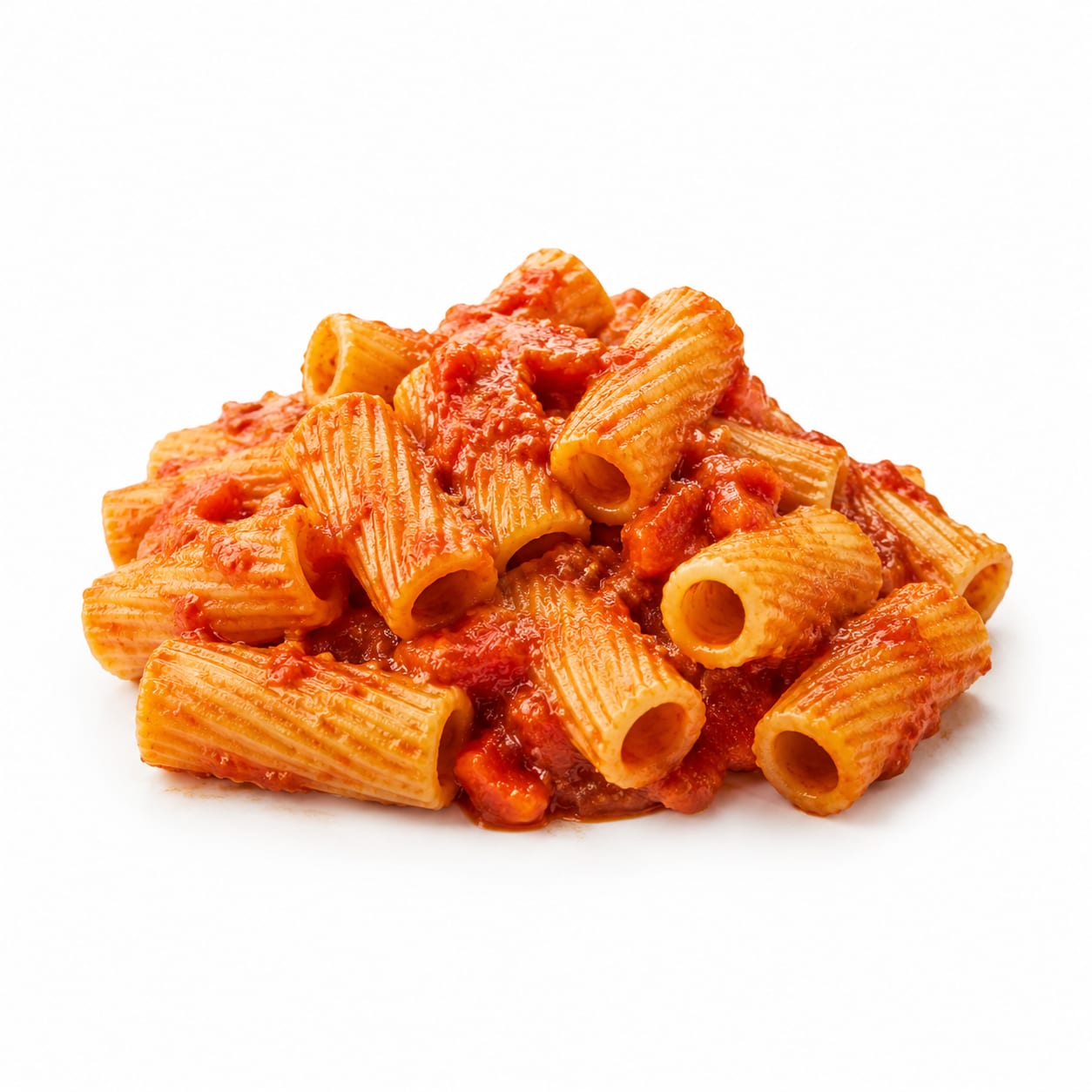
Rigatoni
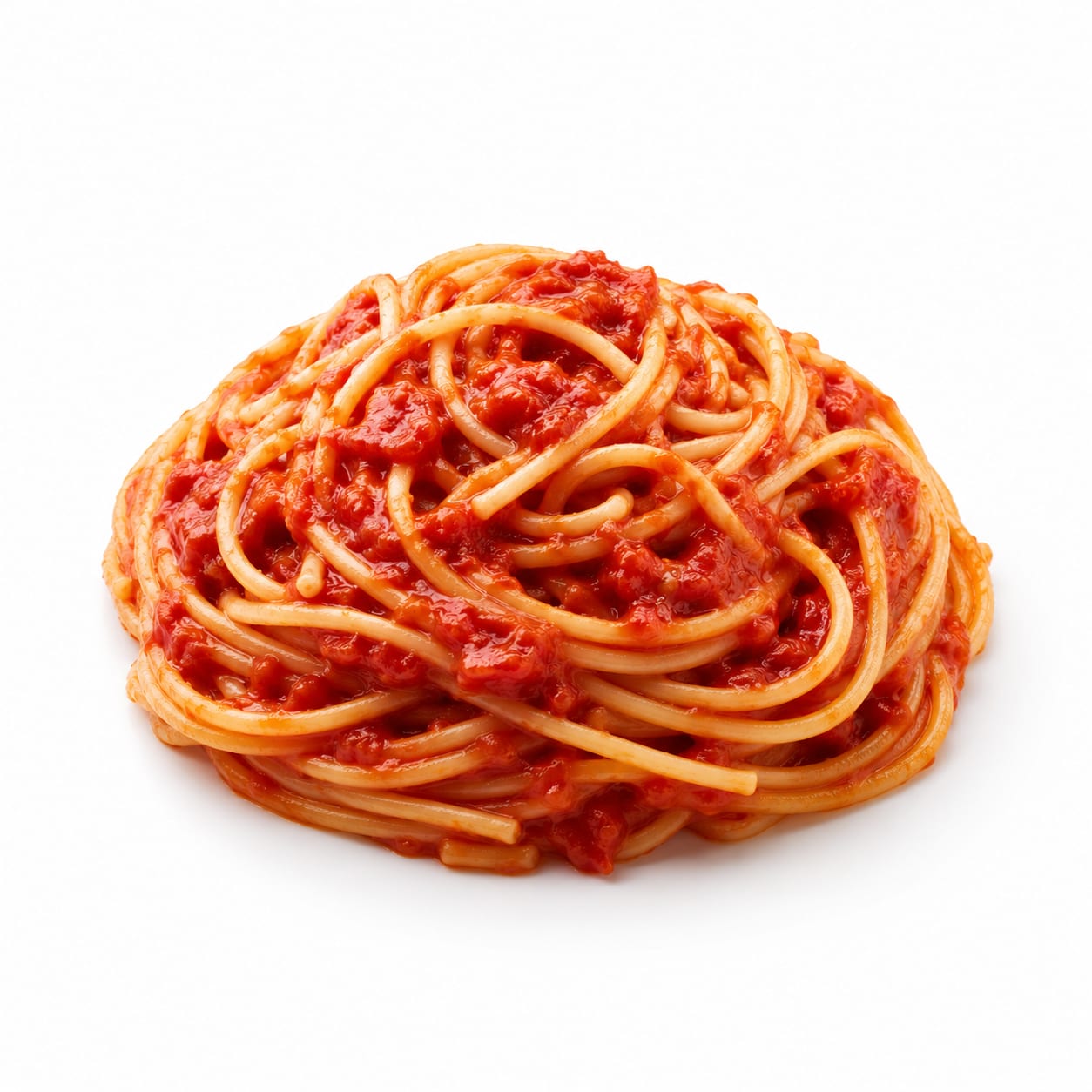
Spaghetti
Nutritionally they are nearly identical, but their shapes change how you eat them, how fast you eat, and what sauces work best.
Spaghetti edges out slightly due to a marginally lower glycemic index and slower eating pace when twirled, but the nutritional profile is virtually identical.
Rigatoni delivers a heartier, slower-chewing bite with chunky sauces, while Spaghetti offers a lower glycemic impact and pairs best with lighter coatings.
At a glance
Executive summary
Overall
It depends
Healthier
Spaghetti
More practical
It depends
Daily use
It depends
Key comparison lenses
Glycemic impact based on pasta shape
Pasta shape affects digestion rate; long strands like Spaghetti have a slightly lower glycemic index than short tubes like Rigatoni.
Satiety and eating speed
Rigatoni requires more chewing and holds heavier sauces, which naturally slows down eating and increases fullness compared to twirling Spaghetti.
Sauce pairing and calorie density
Rigatoni acts as a vessel for heavy, calorie-dense sauces, while Spaghetti lightly coats in healthier, oil-based sauces.
Eating practicality and neatness
Rigatoni is easier to eat neatly with a fork, while Spaghetti requires twirling and can be messy or splashy.
Best choice for
Rigatoni
- Hearty meat sauces like bolognese
- Baked pasta dishes like ziti
- People who eat too fast and need more chewing to feel full
Spaghetti
- Light oil-based or thin tomato sauces
- Quick weeknight meals with minimal prep
- Managing blood sugar due to a slightly lower glycemic index
Least suitable for
Rigatoni
- Low-calorie or strict diet plans if paired with heavy sauces
- Dishes that rely on a delicate, light coating of sauce
Spaghetti
- Chunky vegetable or meat sauces that pool at the bottom of the bowl
- People who struggle with portion control due to fast eating speed
Deep comparison
Dimension by dimension
Each lens scores both foods and breaks down who each option suits.
- Dimension 1 · Priority 90Spaghetti
Blood Sugar Stability
Rigatoni · 72Spaghetti · 80Spaghetti has a slightly lower glycemic index than Rigatoni due to its dense, long-strand structure.
Tradeoff
Rigatoni digests a bit faster, causing a quicker blood sugar rise compared to Spaghetti.
Why it matters
Steadier energy levels after meals make a real difference in avoiding the afternoon crash.
Real-world impact
Eating Spaghetti might keep you from feeling sleepy an hour after lunch compared to Rigatoni.
Rigatoni
- People with insulin resistance
- Those trying to avoid sugar spikes
Worse for
Spaghetti
- People monitoring blood sugar
- Those prone to post-meal energy crashes
Better for
- Dimension 2 · Priority 85Rigatoni
Satiety and Eating Speed
Rigatoni · 85Spaghetti · 75Rigatoni requires more chewing and holds heavier sauces, making the eating experience more filling.
Tradeoff
Spaghetti can be twirled and eaten very quickly, which might lead to overeating before your brain registers fullness.
Why it matters
Slower eating naturally regulates appetite without needing strict portion control.
Real-world impact
A bowl of Rigatoni with meat sauce feels like a substantial meal, while Spaghetti can disappear before you realize you are full.
Rigatoni
- Fast eaters
- People who want a hearty, satisfying meal
Better for
Spaghetti
- People who struggle with portion control
- Fast eaters
Worse for
- Dimension 3 · Priority 80It depends
Sauce Pairing and Calorie Density
Rigatoni · 80Spaghetti · 80Rigatoni acts as a vessel for heavy, calorie-dense sauces, while Spaghetti lightly coats in healthier, oil-based sauces.
Tradeoff
Rigatoni makes it easy to consume a lot of heavy sauce, whereas Spaghetti naturally pairs with lighter, lower-calorie preparations.
Why it matters
The sauce often determines the health profile of a pasta dish more than the pasta itself.
Real-world impact
Spaghetti with garlic and oil is a lighter dinner; Rigatoni with bolognese is a heavy, comforting feast.
Rigatoni
- Hearty winter meals
- High-calorie needs
- Chunky vegetable or meat sauces
Better for
- Calorie-conscious eaters who love heavy sauces
Worse for
Spaghetti
- Light summer meals
- Weight management
- Simple oil or thin tomato sauces
Better for
- Dishes that rely on trapping sauce inside the pasta
Worse for
- Dimension 4 · Priority 65It depends
Eating Practicality and Neatness
Rigatoni · 82Spaghetti · 78Rigatoni is easier to eat neatly with a fork, while Spaghetti requires twirling and can be messy or splashy.
Tradeoff
Spaghetti is faster to cook and serve, but Rigatoni is more forgiving and less messy to eat.
Why it matters
A messy meal can be frustrating, especially in social or professional settings.
Real-world impact
Rigatoni is a safer bet for a first date or lunch meeting; Spaghetti is great for a quick, casual family dinner.
Rigatoni
- Business lunches
- Dining with kids
- Baked pasta dishes
Better for
Spaghetti
- Quick weeknight cooking
- Casual settings
Better for
- Situations where splashing sauce is a risk
Worse for
Timeline
Health impact over time
Short-term
Hours to days
Rigatoni
- Highly satisfying bite that feels like a substantial meal
- Can feel heavy or sluggish if paired with rich, creamy sauces
Spaghetti
- Quick energy hit that digests smoothly
- May leave you hungry sooner if the sauce lacks protein or fat
Long-term
Months to years
Rigatoni
- Slightly higher glycemic load could impact insulin sensitivity if eaten in large portions frequently
- Encourages consumption of vegetable-heavy chunky sauces which boosts fiber intake
Spaghetti
- Marginally better for long-term blood sugar management when cooked al dente
- Risk of overconsumption due to fast eating pace, potentially leading to weight gain
Risk profile
Safety & processing
Rigatoni and Spaghetti are typically made from the exact same durum wheat semolina and water. The only difference is the die used to extrude them, making their processing levels and naturalness identical.
Rigatoni
Contamination from wheat storage
lowStandard dry pasta has a very low risk of foodborne illness if stored properly.
Spaghetti
Contamination from wheat storage
lowLike Rigatoni, Spaghetti is a shelf-stable dry good with minimal safety risks.
Who wins for whom
Audience fit
Same foods, different winners depending on your goal.
children
It dependsSpaghetti is fun to twirl and easier for small mouths, but Rigatoni is less messy and easier to scoop.
daily consumption
It dependsBoth are equally viable for daily use; the choice depends entirely on the sauce you are craving.
diabetes
SpaghettiThe dense strand shape of Spaghetti gives it a marginally lower glycemic index than short-cut pasta.
elderly
RigatoniRigatoni is easier to scoop without splashing and gentler to chew if cooked slightly softer.
muscle gain
RigatoniRigatoni is the perfect vehicle for protein-dense meat sauces and baked dishes with cheese.
weight loss
SpaghettiSpaghetti naturally pairs with lighter, lower-calorie sauces and has a slight edge for blood sugar control.
Your move
Decision guide
Choose Rigatoni
- You are making a hearty, chunky sauce that needs a sturdy pasta
- You want a baked pasta dish
- You tend to eat too fast and benefit from a shape that requires more chewing
Choose Spaghetti
- You prefer light oil, garlic, or thin tomato sauces
- You want a slightly lower glycemic index option
- You need a quick-cooking, classic weeknight dinner
Either works if
- You are using a standard jarred marinara
- You are simply craving a comforting bowl of pasta
Avoid both if
- You have celiac disease or a severe gluten intolerance
- You are strictly limiting refined carbohydrates
Final recommendation
Let your sauce dictate your pasta. Reach for Rigatoni when the sauce is thick and chunky, and choose Spaghetti for lighter, smoother coatings. For a slight metabolic edge, Spaghetti wins, but for pure eating satisfaction and portion control through slower chewing, Rigatoni takes the lead.
Practical
Consumer tips
- 1
Cook both al dente to significantly lower the glycemic index and keep the pasta firm.
- 2
Since the pasta itself is nutritionally identical, focus your health efforts on the sauce—add lean proteins and veggies.
- 3
Measure dry pasta before cooking; it is very easy to overestimate a portion of Spaghetti because it expands significantly.
- 4
Reserve a splash of pasta water before draining; the starch helps any sauce cling beautifully to both shapes.