
Nutrition comparison
Rigatoni vs Shirataki Pasta: Nutrition, Calories, and Diet Comparison
Compare Rigatoni and Shirataki Pasta to see which is better for weight loss, keto, and blood sugar. Learn the tradeoffs between real pasta satisfaction and zero-carb benefits.
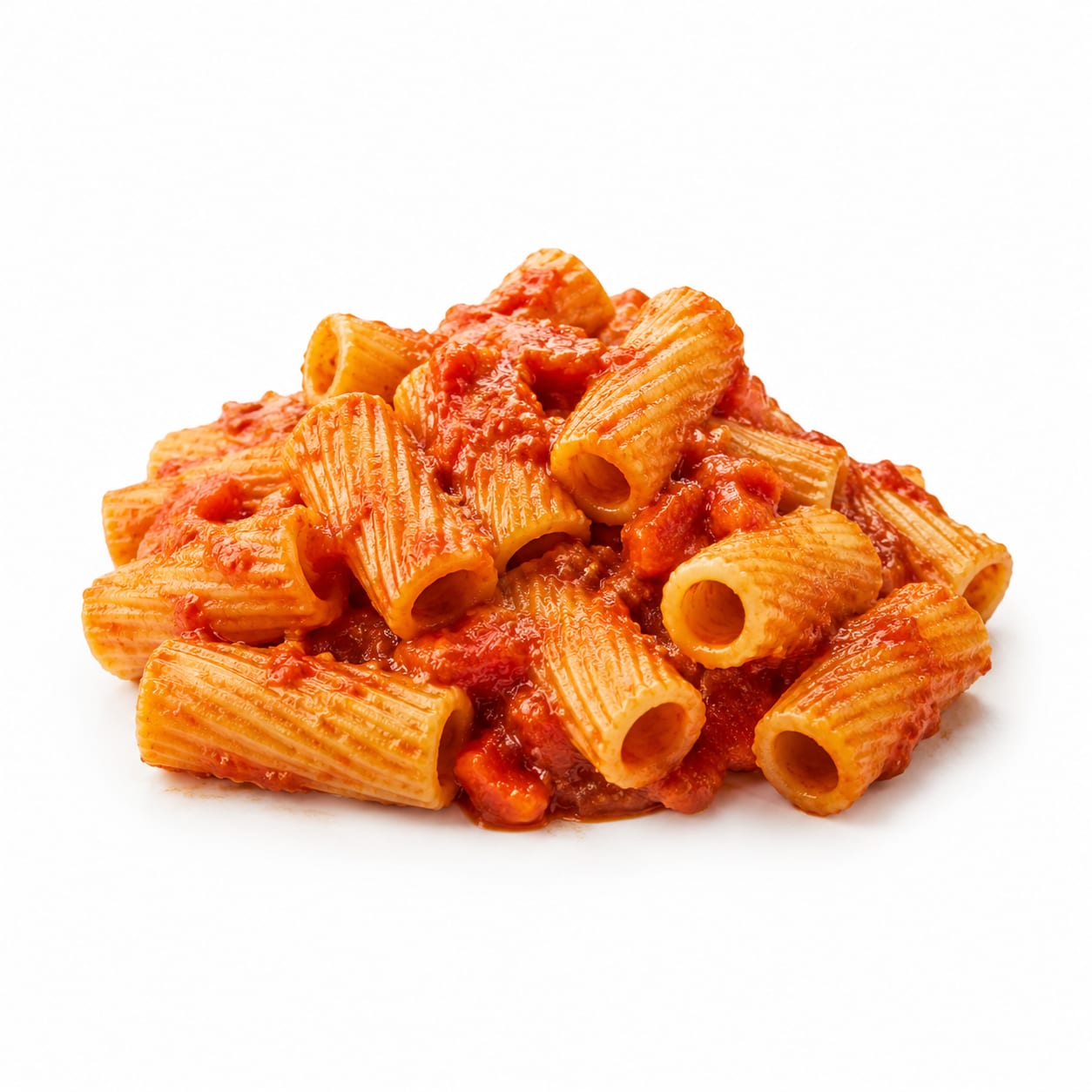
Rigatoni
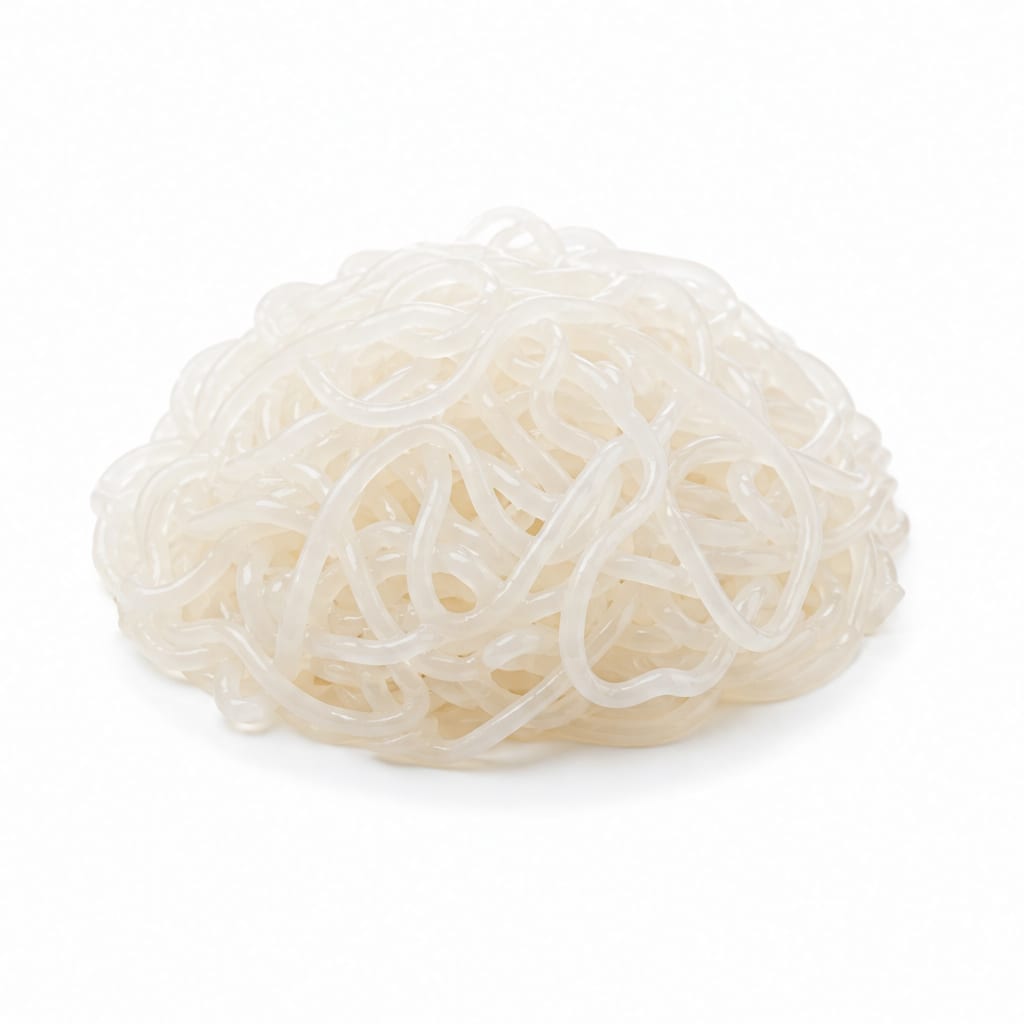
Shirataki Pasta
Shirataki Pasta is a powerful tool for slashing calories and carbs, but Rigatoni delivers the real energy and satisfaction most people expect from a meal.
Shirataki Pasta scores slightly higher due to its strong utility for weight loss and blood sugar control, which are common health goals, though Rigatoni wins heavily on satisfaction and energy provision.
You trade the comforting, energy-dense experience of Rigatoni for the near-zero calorie, blood-sugar-friendly profile of Shirataki Pasta.
At a glance
Executive summary
Overall
It depends
Healthier
It depends
More practical
Rigatoni
Daily use
It depends
Key comparison lenses
Low-calorie dieting and weight loss
Shirataki Pasta is famous for its near-zero calorie count, making it a direct substitute for high-calorie Rigatoni.
Blood sugar management and keto compliance
Shirataki Pasta has virtually zero digestible carbs compared to the high carbohydrate load of Rigatoni.
Satiety and meal satisfaction
Rigatoni provides actual energy and a satisfying bite, while Shirataki Pasta may leave you hungry soon after eating.
Digestive tolerance and comfort
Rigatoni contains gluten which affects some, while Shirataki Pasta contains glucomannan fiber which can cause bloating if unaccustomed.
Best choice for
Rigatoni
- Athletes needing carb fuel
- People wanting a satisfying, filling meal
- Those unbothered by calorie intake
Shirataki Pasta
- Strict low-carb or keto dieters
- People cutting calories for weight loss
- Diabetics managing blood sugar spikes
Least suitable for
Rigatoni
- People on strict keto diets
- Those needing to minimize blood sugar spikes
- Sedentary individuals watching calorie intake
Shirataki Pasta
- Athletes or highly active people needing fuel
- People prone to overeating later after unsatisfying meals
- Those with sensitive digestion unaccustomed to high fiber
Deep comparison
Dimension by dimension
Each lens scores both foods and breaks down who each option suits.
- Dimension 1 · Priority 95Shirataki Pasta
Calorie Density & Weight Management
Rigatoni · 20Shirataki Pasta · 98Shirataki Pasta contains roughly 10-20 calories per serving, while Rigatoni packs around 200-220 calories.
Tradeoff
You save hundreds of calories with Shirataki Pasta, but you might feel hungry again much sooner.
Why it matters
For anyone trying to lose weight, swapping Rigatoni for Shirataki Pasta creates a massive calorie deficit without reducing portion size.
Real-world impact
Eating Shirataki Pasta instead of Rigatoni can help you drop weight faster, but you might find yourself scavenging for snacks an hour later.
Rigatoni
- Bulking up
- Maintaining weight easily
Better for
- Weight loss diets
- Sedentary days
Worse for
Shirataki Pasta
- Cutting calories
- Creating a calorie deficit
Better for
- Weight maintenance
- Active days needing fuel
Worse for
- Dimension 2 · Priority 90Shirataki Pasta
Blood Sugar & Carb Impact
Rigatoni · 25Shirataki Pasta · 95Rigatoni is dense in refined carbohydrates that spike blood sugar, whereas Shirataki Pasta has virtually zero net carbs.
Tradeoff
Shirataki Pasta keeps blood sugar perfectly stable, but offers no energy, while Rigatoni provides quick energy at the cost of a potential crash.
Why it matters
Blood sugar spikes from Rigatoni can lead to energy crashes and increased cravings, especially for insulin-resistant individuals.
Real-world impact
Choosing Shirataki Pasta prevents the post-meal food coma and afternoon energy crash that often follows a heavy Rigatoni lunch.
Rigatoni
- Pre-workout energy
- Replenishing glycogen
Better for
- Insulin resistance
- Keto adaptation
Worse for
Shirataki Pasta
- Keto diets
- Diabetes management
- Steady energy levels
Better for
- Carb-loading for endurance sports
Worse for
- Dimension 3 · Priority 85Rigatoni
Satiety & Meal Satisfaction
Rigatoni · 80Shirataki Pasta · 40Rigatoni provides genuine fullness from calories and dense carbohydrates, while Shirataki Pasta fills the stomach temporarily with water and fiber.
Tradeoff
Rigatoni satisfies deeply but is calorie-dense; Shirataki Pasta is calorie-free but can feel like eating air if not paired with filling sauces.
Why it matters
Meals that lack satisfaction often lead to compensatory snacking, undermining the calorie savings you just achieved.
Real-world impact
A bowl of Rigatoni keeps you full for hours, but a bowl of plain Shirataki Pasta might leave you staring into the fridge an hour later.
Rigatoni
- Long-lasting fullness
- Comfort eating
- Family dinners
Better for
- Feeling overly stuffed
- Post-meal sluggishness
Worse for
Shirataki Pasta
- Light meals before bed
- When you just want the sauce
Better for
- Compensatory snacking
- Feeling deprived
Worse for
- Dimension 4 · Priority 70It depends
Digestive Tolerance
Rigatoni · 60Shirataki Pasta · 55Rigatoni contains gluten which bothers some, while Shirataki Pasta contains glucomannan fiber which can cause bloating or gas if eaten in large amounts.
Tradeoff
Rigatoni risks gluten discomfort for sensitive individuals, while Shirataki Pasta risks fiber-induced bloating if you eat too much too fast.
Why it matters
Digestive discomfort can ruin the benefit of a healthy meal choice.
Real-world impact
Eating a massive bowl of Shirataki Pasta on your first try might leave you with an upset stomach, while Rigatoni might cause the usual heavy-bloat feeling.
Rigatoni
- Those accustomed to wheat
- Gradual energy release
Better for
- Celiac disease
- Gluten sensitivity
Worse for
Shirataki Pasta
- Gluten-free needs
- Slowing digestion
Better for
- Sudden high fiber intake
- Irritable bowel syndrome
Worse for
- Dimension 5 · Priority 80Rigatoni
Culinary Practicality & Taste
Rigatoni · 90Shirataki Pasta · 45Rigatoni cooks easily, holds sauce beautifully, and tastes great. Shirataki Pasta requires rinsing, has a distinct ocean-like smell, and a rubbery texture.
Tradeoff
Rigatoni delivers a delicious, comforting eating experience, while Shirataki Pasta requires culinary workarounds to taste like much beyond its sauce.
Why it matters
If a healthy substitute tastes terrible, you won't stick with it long-term.
Real-world impact
Cooking Rigatoni is effortless and always satisfying, whereas Shirataki Pasta needs thorough rinsing and dry-roasting to avoid a fishy smell and watery sauce.
Rigatoni
- Picky eaters
- Traditional recipes
- Effortless cooking
Better for
- Raw food diets
Worse for
Shirataki Pasta
- Experimental cooks
- Sauce-heavy dishes where texture is hidden
Better for
- Pasta purists
- Quick meal prep without extra steps
Worse for
Timeline
Health impact over time
Short-term
Hours to days
Rigatoni
- Quick energy from carbohydrates
- Possible blood sugar spike and crash
- Comforting, satisfying feeling
Shirataki Pasta
- Near-zero calorie intake
- Possible bloating or gas from glucomannan
- Stable blood sugar
Long-term
Months to years
Rigatoni
- Potential weight gain if overconsumed
- Risk of metabolic issues if refined carbs dominate diet
- Consistent energy for active lifestyles
Shirataki Pasta
- Easier weight management
- Potential nutrient deficiency if used to replace too many meals without protein and fat
- Improved cholesterol from glucomannan fiber
Risk profile
Safety & processing
Rigatoni is a processed wheat product, typically stripped of its bran and germ. Shirataki Pasta is made from konjac root and water, making it closer to a whole food despite its unusual texture.
Rigatoni
Gluten intolerance
mediumContains wheat gluten, which triggers autoimmune responses in those with celiac disease or severe sensitivity.
Glyphosate residue
lowConventionally grown wheat may contain trace pesticide residues from pre-harvest application.
Shirataki Pasta
Choking hazard
mediumGlucomannan fiber expands in the throat; Shirataki Pasta must be chewed thoroughly and never eaten dry.
Digestive blockage
lowConsuming large amounts of Shirataki Pasta without adequate water can cause bowel obstruction, though rare when eaten as pasta.
Who wins for whom
Audience fit
Same foods, different winners depending on your goal.
children
RigatoniRigatoni provides necessary calories and energy for growing kids, and its familiar taste makes it an easy sell at the dinner table.
daily consumption
It dependsShirataki Pasta is great daily for low-carb dieters, but Rigatoni is better for active individuals who need consistent caloric fuel.
diabetes
Shirataki PastaShirataki Pasta has virtually zero net carbs and will not spike blood sugar, unlike the high-carb load of Rigatoni.
elderly
It dependsShirataki Pasta helps with blood sugar and weight control, but Rigatoni is easier to digest for those with compromised digestion unaccustomed to high fiber.
muscle gain
RigatoniRigatoni provides the carbohydrates and calories necessary to fuel intense training and support muscle recovery.
weight loss
Shirataki PastaShirataki Pasta provides the volume of a meal for a fraction of the calories, making it far easier to sustain a calorie deficit.
Your move
Decision guide
Choose Rigatoni
- You are an athlete or highly active person needing carb fuel
- You want a deeply satisfying, comforting meal
- You are cooking for kids or picky eaters
- You have no concerns about weight gain or blood sugar
Choose Shirataki Pasta
- You are strictly cutting calories for weight loss
- You are on a keto or low-carb diet
- You need to manage diabetes or insulin resistance
- You want a light meal that will not make you sluggish
Either works if
- You are mixing them half-and-half to balance calories and texture
- You are primarily eating the pasta as a vehicle for a protein-heavy sauce
Avoid both if
- You have a severe wheat allergy AND a sensitive stomach that cannot handle glucomannan fiber
Final recommendation
Use Shirataki Pasta as a strategic tool for weight loss and blood sugar control, but do not force it if it leaves you hungry and unsatisfied. Mixing half Rigatoni with half Shirataki Pasta is a great compromise that cuts calories while preserving the real pasta experience.
Practical
Consumer tips
- 1
Rinse Shirataki Pasta thoroughly for at least 2 minutes under cold water to remove the natural ocean-like smell.
- 2
Dry-roast Shirataki Pasta in a non-stick pan for a few minutes after rinsing to improve its texture and help it absorb sauce better.
- 3
Pair Shirataki Pasta with a sauce that contains healthy fats and protein to make the meal actually filling.
- 4
Opt for whole wheat or legume-based Rigatoni if you want the traditional experience with more fiber and protein.
- 5
Drink plenty of water when eating Shirataki Pasta to help the glucomannan fiber move smoothly through your digestive system.