
Nutrition comparison
Rigatoni vs Quinoa: Which Is Healthier for Daily Meals?
Compare rigatoni and quinoa on protein, fiber, blood sugar impact, and weight management. Learn which grain is better for your health goals and when to choose each.
Overall winner · Quinoa
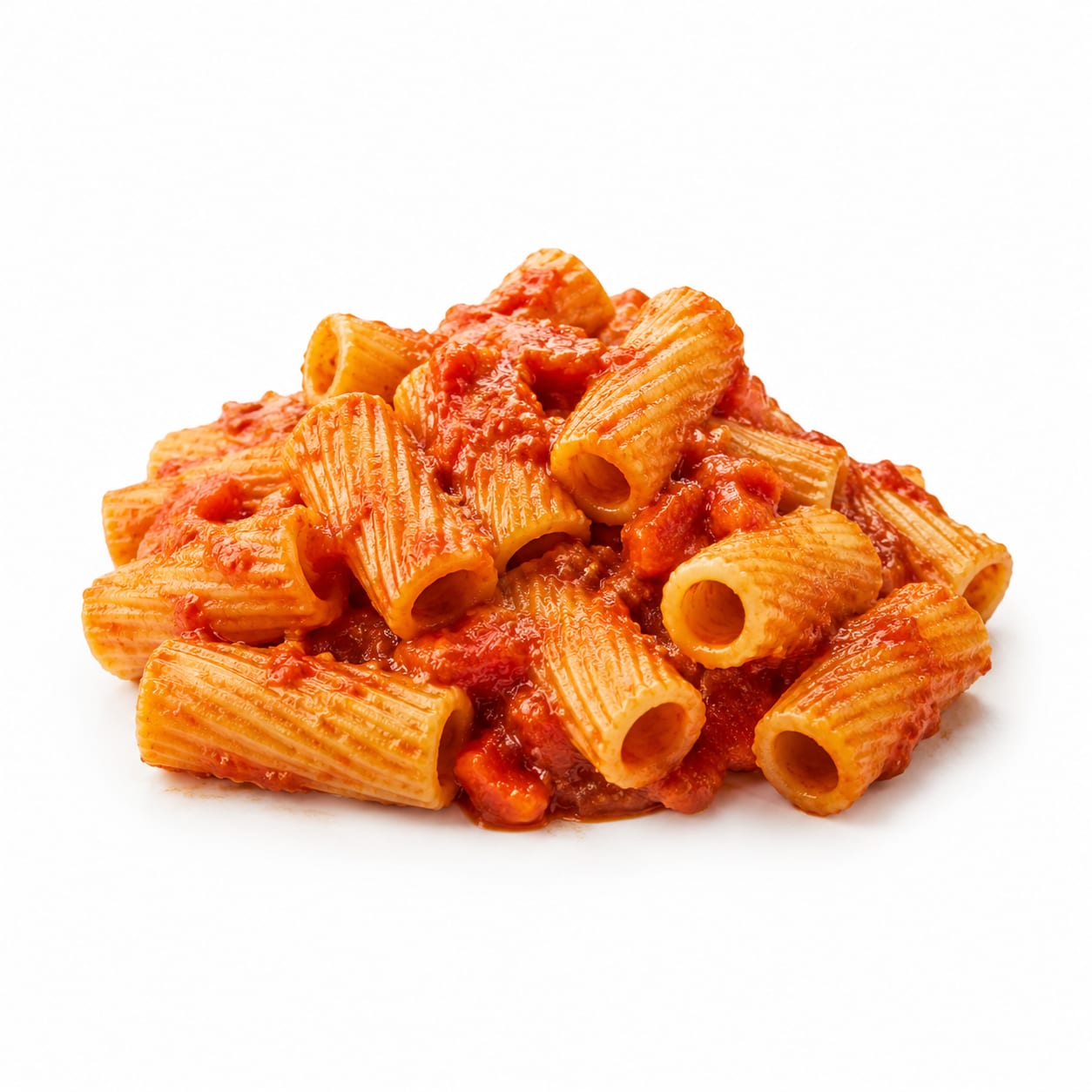
Rigatoni
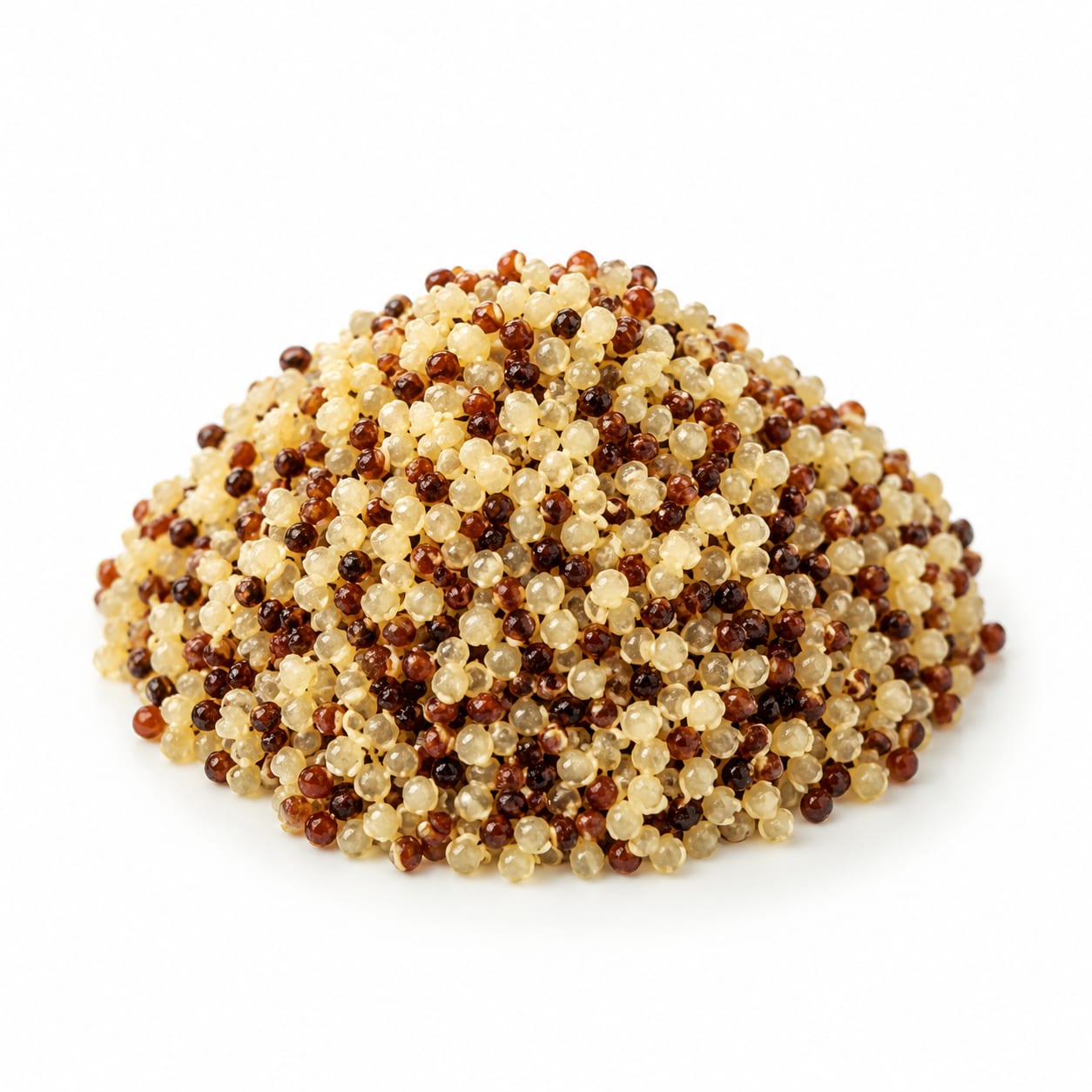
Quinoa
Quinoa delivers more protein, fiber, and minerals with steadier energy, while rigatoni offers comfort and convenience at the cost of nutrient density.
Quinoa scores significantly higher due to superior protein, fiber, mineral content, and blood sugar stability. Rigatoni remains relevant for convenience and comfort but offers less nutritional value per calorie.
Rigatoni is faster and more comforting but nutritionally thin; quinoa takes more effort but rewards you with lasting fullness and better blood sugar control.
At a glance
Executive summary
Overall
Quinoa
Healthier
Quinoa
More practical
Rigatoni
Daily use
Quinoa
Key comparison lenses
blood sugar and energy stability
Rigatoni is a refined grain that spikes blood sugar faster, while quinoa provides slower, steadier energy release
protein quality and completeness
Quinoa is one of the few plant foods with all essential amino acids, whereas rigatoni lacks lysine and has lower total protein
weight management and satiety
Fiber and protein differences mean quinoa keeps you full longer, while rigatoni is easier to overeat
meal versatility and convenience
Both are pantry staples but serve different roles: rigatoni for comforting pasta dishes, quinoa for grain bowls and sides
gluten sensitivity and digestive tolerance
Quinoa is naturally gluten-free, making it accessible for celiac or gluten-sensitive individuals
Best choice for
Rigatoni
- Post-workout carb loading when you need quick energy
- Family pasta nights where comfort food matters most
- Budget-conscious households needing affordable calories
- Busy weeknights when cooking time is limited
Quinoa
- Weight loss or maintenance goals requiring sustained fullness
- Plant-based diets needing complete protein sources
- Gluten-free or celiac meal planning
- Blood sugar management and steady energy throughout the day
Least suitable for
Rigatoni
- People managing diabetes or insulin resistance
- Anyone seeking high-protein meals without adding meat
- Gluten-sensitive or celiac individuals
Quinoa
- Those who find quinoa's texture or earthy flavor unappealing
- Very tight grocery budgets where pasta is more affordable
- Rushed weeknights when even 15 minutes of cooking feels like too much
Deep comparison
Dimension by dimension
Each lens scores both foods and breaks down who each option suits.
- Dimension 1 · Priority 94Quinoa
Nutrient Density
Rigatoni · 32Quinoa · 88Quinoa packs far more vitamins and minerals per calorie than rigatoni, including iron, magnesium, manganese, and folate.
Tradeoff
Rigatoni is mostly starch with modest B vitamins from enrichment, while quinoa delivers a broad micronutrient profile naturally.
Why it matters
Eating nutrient-dense foods means your body gets what it needs without excess calories, reducing cravings and supporting long-term health.
Real-world impact
A quinoa bowl leaves you satisfied and energized for hours; a rigatoni dish often leaves you hungry again within two hours.
Rigatoni
- Quick pre-workout fuel when micronutrients matter less than available energy
Better for
- People at risk of nutrient deficiencies, especially iron or magnesium
Worse for
Quinoa
- Anyone eating fewer calories who needs maximum nutrition per bite
- Plant-based eaters relying on grains for minerals like iron and magnesium
Better for
- Those who overeat because quinoa's nutty flavor makes large portions tempting
Worse for
- Dimension 2 · Priority 92Quinoa
Blood Sugar Stability
Rigatoni · 38Quinoa · 74Quinoa has a lower glycemic index and more fiber, leading to gentler blood sugar rises compared to rigatoni.
Tradeoff
Rigatoni digests quickly, giving fast energy but also faster crashes; quinoa releases energy slowly over hours.
Why it matters
Stable blood sugar means fewer energy dips, less cravings, and better mood throughout the day.
Real-world impact
After rigatoni, you may feel a slump around 3 PM; after quinoa, energy stays more even until your next meal.
Rigatoni
- Endurance athletes needing rapid carbohydrate availability during or after exercise
Better for
- Anyone prone to energy crashes or sugar cravings after meals
Worse for
Quinoa
- People with prediabetes or diabetes managing glucose levels
- Office workers wanting to avoid the afternoon energy crash
Better for
- Athletes mid-race who need immediate glucose, not slow-release energy
Worse for
- Dimension 3 · Priority 88Quinoa
Protein Quality
Rigatoni · 25Quinoa · 86Quinoa is a complete protein with all nine essential amino acids; rigatoni is incomplete and lower in total protein.
Tradeoff
Rigatoni needs pairing with protein-rich sauces or sides to make a balanced meal; quinoa can stand alone as a protein source.
Why it matters
Complete protein supports muscle maintenance, immune function, and satiety without needing food combining.
Real-world impact
A quinoa salad with vegetables is a complete meal; rigatoni needs meat, cheese, or legumes added to feel nutritionally balanced.
Rigatoni
- Meals where cheese, meat, or legumes are already part of the dish
Better for
- Plant-based eaters who rely on their grain as a primary protein contributor
Worse for
Quinoa
- Vegetarians and vegans needing reliable protein from a single plant source
- Meal prep where one ingredient should cover multiple nutritional bases
Better for
- Those already eating high-protein meals where additional protein offers diminishing returns
Worse for
- Dimension 4 · Priority 86Quinoa
Satiety and Fullness
Rigatoni · 42Quinoa · 80Quinoa's combination of protein and fiber keeps you full significantly longer than rigatoni's mostly-starch composition.
Tradeoff
Rigatoni feels filling in the moment due to volume, but the fullness fades fast; quinoa builds steady satisfaction that lasts.
Why it matters
Longer satiety means fewer snacks between meals and easier portion control without feeling deprived.
Real-world impact
You are more likely to reach for a snack two hours after rigatoni compared to four hours after quinoa.
Rigatoni
- Large family meals where overeating is less of a concern and comfort is the priority
Better for
- Emotional eaters who find it hard to stop at one serving of pasta
Worse for
Quinoa
- Weight management where staying full between meals prevents overeating
- Busy people who cannot snack between meals and need lasting energy
Better for
- People who prefer eating smaller, more frequent meals and find prolonged fullness uncomfortable
Worse for
- Dimension 5 · Priority 74Rigatoni
Convenience and Cook Time
Rigatoni · 82Quinoa · 58Rigatoni boils in 10-12 minutes with minimal attention; quinoa requires rinsing and 15-20 minutes with careful liquid ratios.
Tradeoff
Rigatoni is more forgiving and faster; quinoa needs slightly more effort but can be batch-cooked for the week.
Why it matters
When you are tired and hungry, the easier option often wins regardless of nutrition.
Real-world impact
On a hectic Tuesday, rigatoni with jarred sauce is a 15-minute meal; quinoa requires planning or meal prep to feel convenient.
Rigatoni
- Exhausted weeknights when cooking feels like a chore
- Cooking for picky eaters who resist new textures
Better for
- Those trying to break a cycle of defaulting to refined carbs out of convenience
Worse for
Quinoa
- Meal preppers who cook once and eat for days
- Cold grain salads and bowls that taste great leftovers
Better for
- Spontaneous cooks who decide what to eat at the last minute
Worse for
- Dimension 6 · Priority 76Quinoa
Digestive Tolerance
Rigatoni · 45Quinoa · 78Quinoa is gluten-free and easier on sensitive digestive systems; rigatoni contains gluten and can cause bloating in susceptible people.
Tradeoff
Quinoa contains saponins that can irritate if not rinsed; rigatoni's gluten is problematic for a significant portion of the population.
Why it matters
Digestive discomfort undermines nutrition because you absorb fewer nutrients and feel worse after eating.
Real-world impact
Someone with mild gluten sensitivity feels bloated after rigatoni but comfortable after quinoa, even at similar portion sizes.
Rigatoni
- People without any gluten sensitivity who digest wheat without issues
Better for
- The estimated 6% of people with non-celiac gluten sensitivity
Worse for
Quinoa
- Anyone with celiac disease, gluten intolerance, or wheat sensitivity
- People experiencing unexplained bloating who want to test elimination
Better for
- Those who skip rinsing and experience stomach irritation from residual saponins
Worse for
- Dimension 7 · Priority 70Rigatoni
Comfort and Emotional Satisfaction
Rigatoni · 88Quinoa · 52Rigatoni delivers the emotional warmth of traditional pasta dishes; quinoa feels more functional than comforting.
Tradeoff
Rigatoni satisfies emotionally but not nutritionally; quinoa satisfies nutritionally but can feel like eating responsibly instead of joyfully.
Why it matters
Food is not just fuel; emotional satisfaction affects whether a dietary change is sustainable.
Real-world impact
A bowl of rigatoni with marinara feels like a hug; quinoa with roasted vegetables feels like a smart choice.
Rigatoni
- Comfort food cravings and emotional eating moments
- Social meals and family traditions centered around pasta
Better for
- Those trying to break emotional eating patterns tied to refined carbs
Worse for
Quinoa
- People who feel emotionally satisfied by eating in alignment with their health goals
Better for
- Anyone who finds healthy eating feel like a chore rather than a pleasure
Worse for
Timeline
Health impact over time
Short-term
Hours to days
Rigatoni
- Quick energy boost within 30-60 minutes of eating
- Possible blood sugar spike followed by a crash within 2-3 hours
- Comforting and satisfying in the moment, which can improve mood temporarily
Quinoa
- Steady energy without the spike-and-crash pattern
- Noticeable fullness that reduces snacking for 3-4 hours
- Mild digestive adjustment period if your body is unused to higher fiber intake
Long-term
Months to years
Rigatoni
- Regular consumption of refined grains is linked to higher risk of type 2 diabetes and metabolic syndrome
- May contribute to chronic low-grade inflammation when eaten frequently without adequate fiber and protein
- Enriched varieties provide some B vitamins and iron but miss the broader nutrient spectrum of whole grains
Quinoa
- Consistent intake supports heart health through magnesium, fiber, and anti-inflammatory compounds
- Complete protein intake helps preserve muscle mass, especially important for aging adults
- Low glycemic load reduces long-term diabetes risk when replacing refined grains like regular pasta
Risk profile
Safety & processing
Standard rigatoni is made from refined durum wheat flour with minimal additives, but the refining process strips away the bran and germ. Quinoa is a whole seed that undergoes only cleaning and sometimes pre-rinsing, retaining its full nutritional profile.
Rigatoni
Gluten-related reactions
highFor individuals with celiac disease or gluten sensitivity, rigatoni triggers immune responses or digestive distress. Affects roughly 6-7% of the population.
Enrichment additive sensitivity
lowEnriched rigatoni contains added folic acid and iron; some people are sensitive to synthetic folic acid, though this is uncommon.
Quinoa
Saponin residue irritation
mediumQuinoa naturally contains saponins that can cause stomach irritation and a bitter taste if not rinsed thoroughly before cooking. Most commercial quinoa is pre-rinsed, but not always.
Oxalate content
lowQuinoa contains moderate oxalates, which may be a concern for people prone to kidney stones, though the amounts are generally manageable.
Who wins for whom
Audience fit
Same foods, different winners depending on your goal.
children
RigatoniKids generally prefer the familiar taste and soft texture of pasta over quinoa's slightly crunchy, earthy profile, making rigatoni an easier sell at dinner time.
daily consumption
QuinoaQuinoa's nutrient density and blood sugar stability make it a better everyday staple, while daily rigatoni increases refined grain intake beyond what most dietitians recommend.
diabetes
QuinoaQuinoa's lower glycemic index and higher fiber cause gentler blood sugar responses, making it safer for glucose management.
elderly
QuinoaOlder adults benefit more from quinoa's complete protein for muscle preservation and higher magnesium for bone health, assuming dental issues do not make the texture problematic.
muscle gain
QuinoaQuinoa provides complete protein alongside carbohydrates, supporting muscle repair. Rigatoni can work but requires adding separate protein sources.
weight loss
QuinoaQuinoa's higher protein and fiber create lasting fullness with fewer calories per gram of satiety, making portion control easier.
Your move
Decision guide
Choose Rigatoni
- You are cooking for a family where pasta night is a beloved tradition
- You need quick post-workout carbs and are adding protein elsewhere in the meal
- Your grocery budget is tight and you need affordable, filling calories
- You are making a dish where the sauce is the star and the pasta is just a vehicle
Choose Quinoa
- You want one ingredient that covers protein, fiber, and minerals simultaneously
- You are managing blood sugar, trying to lose weight, or eating more plant-based meals
- You have gluten sensitivity or cook for someone who does
- You meal prep on Sundays and want a versatile base for bowls and salads all week
Either works if
- You are building a grain bowl and will load it with vegetables, healthy fats, and lean protein regardless of the base
- You rotate between both to avoid monotony and get a variety of nutrients
- You are cooking for a group with mixed dietary preferences and offer both options
Avoid both if
- You are on a strict very-low-carb or ketogenic diet, as both are carbohydrate-heavy
- You have a severe grain or seed allergy that includes wheat or quinoa
- You are trying to minimize all caloric intake without prioritizing nutrient density
Final recommendation
Make quinoa your default grain for everyday meals and save rigatoni for occasions when comfort and tradition matter more than nutritional optimization. If you love pasta, consider whole wheat rigatoni as a middle ground that retains some of the comfort while improving fiber and nutrient content.
Practical
Consumer tips
- 1
Always rinse quinoa under cold water for 30 seconds before cooking to remove bitter saponin residue, even if the package says pre-rinsed
- 2
Cook a large batch of quinoa on Sunday and refrigerate portions for up to five days of quick grain bowls
- 3
If transitioning from rigatoni to quinoa feels drastic, try mixing them half-and-half in dishes to adjust your palate gradually
- 4
Choose whole wheat or legume-based rigatoni if you want pasta comfort with better protein and fiber
- 5
Season quinoa boldly with herbs, citrus, and olive oil since its neutral flavor benefits from enhancement
- 6
Watch rigatoni portion sizes: a standard dry serving is 2 ounces, but most people accidentally cook 4-6 ounces, doubling the calories