
Nutrition comparison
Rigatoni vs Penne: Which Pasta Shape Is Better for Your Dish?
Rigatoni and penne are both classic tube pasta, but they perform differently. Compare sauce-holding ability, versatility, satiety, and cooking consistency to pick the right shape.
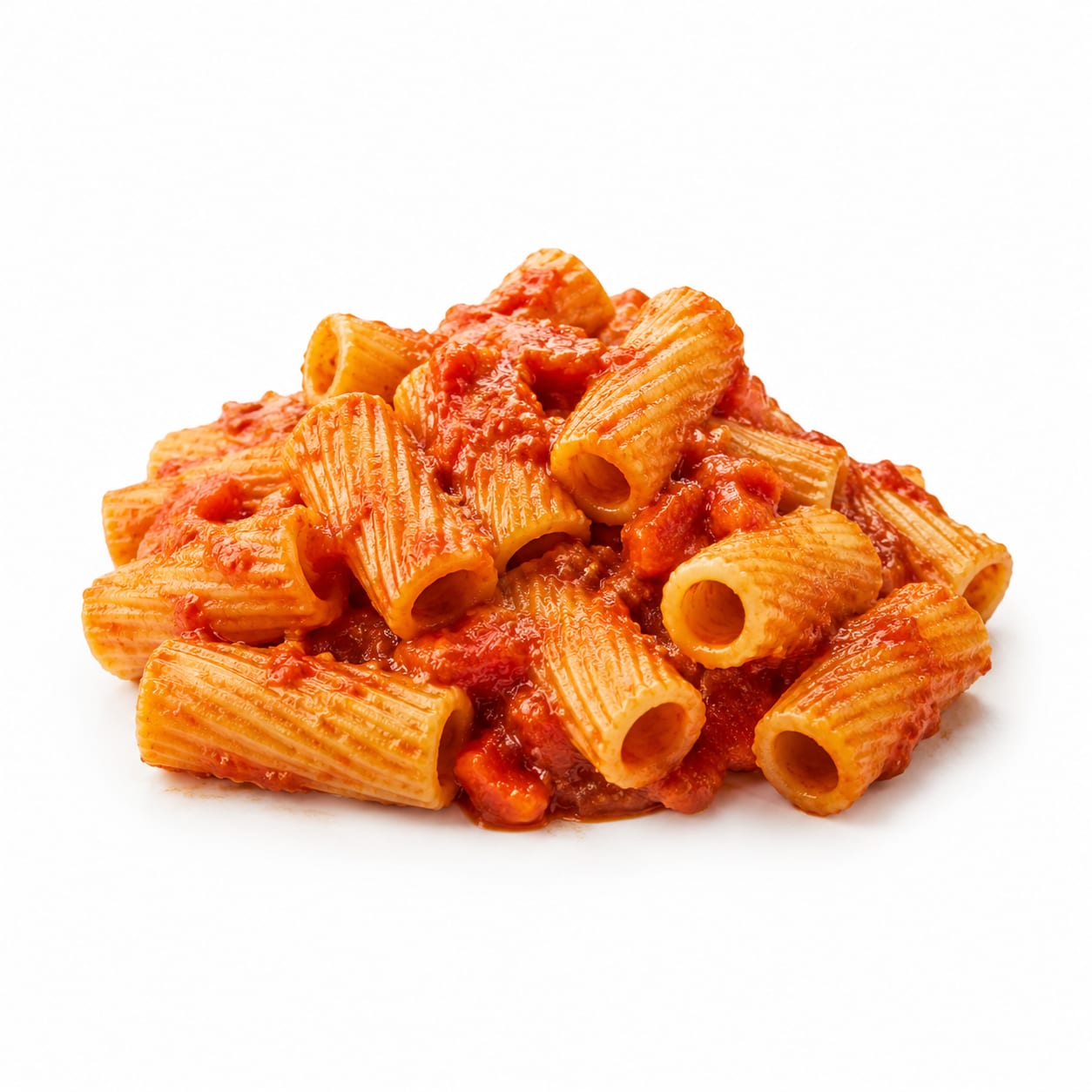
Rigatoni
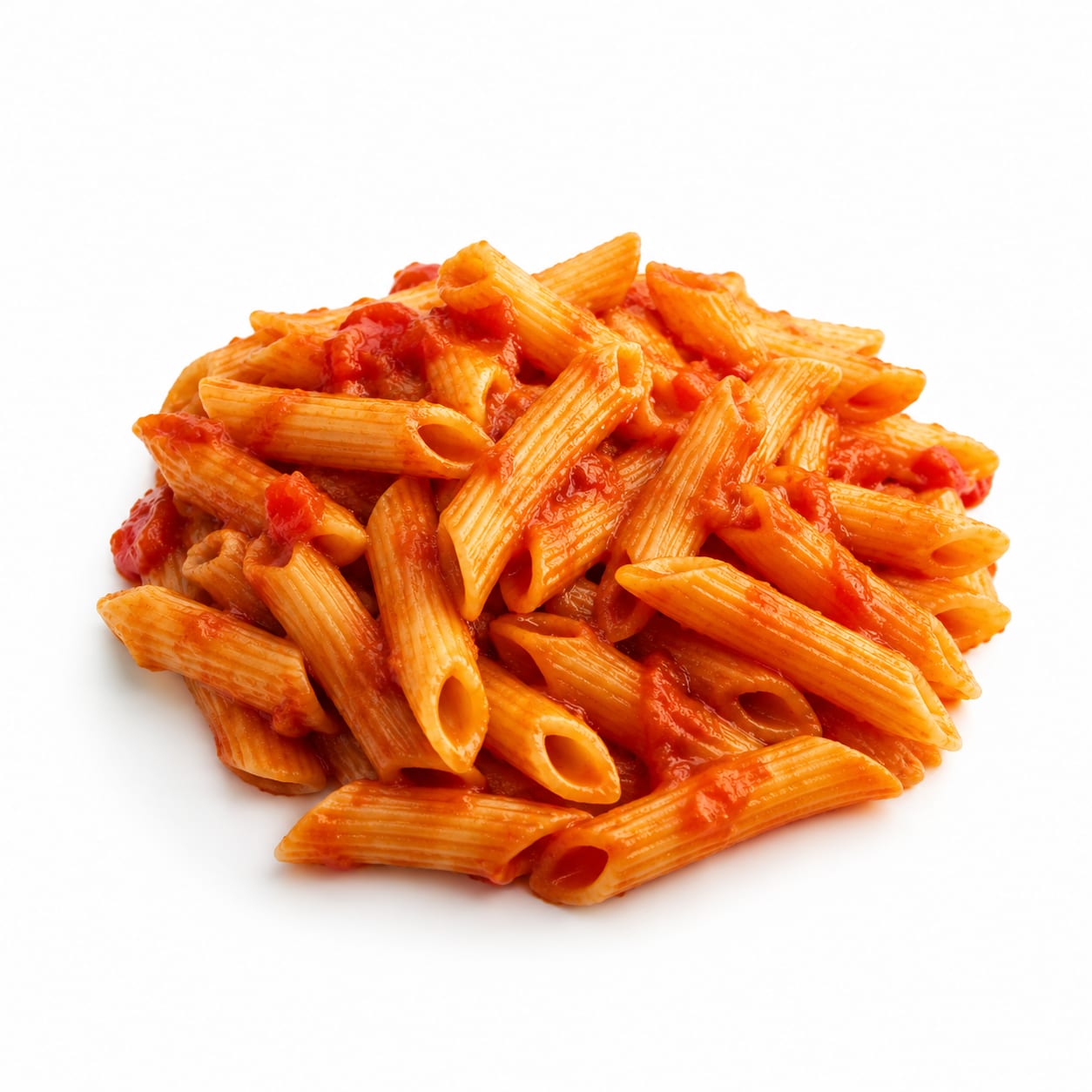
Penne
Nutritionally nearly identical, but rigatoni wins for hearty sauces and bigger appetite satisfaction, while penne is the more versatile everyday shape.
Scores are close because both are nutritionally equivalent durum wheat pasta. Penne edges ahead slightly on versatility and cooking consistency, while rigatoni excels in specific hearty applications. The low confidence reflects that context matters far more than any inherent superiority.
Rigatoni delivers a more satisfying, sauce-loaded bite for heavy dishes, but penne's uniform shape makes it more reliable and adaptable across meals.
At a glance
Executive summary
Overall
It depends
Healthier
It depends
More practical
Penne
Daily use
Penne
Key comparison lenses
sauce pairing performance
The main real-world difference between these shapes is how they hold and deliver sauce
satiety and portion satisfaction
Rigatoni's larger size and volume can affect how filling a portion feels
versatility across dishes
Home cooks want to know which shape works across more recipes
blood sugar and carb impact
Both are durum wheat pasta so differences are minimal but worth noting
cooking reliability
Penne cooks more evenly; rigatoni's thickness varies slightly
Best choice for
Rigatoni
- Hearty meat sauces like bolognese or ragù
- Baked pasta dishes where you want substantial bites
- People who find standard pasta portions unsatisfying
- Thick vegetable-heavy sauces that need wide tubes to capture chunks
Penne
- Lighter sauces like vodka or marinara
- Quick weeknight meals with consistent results
- Pasta salads and cold dishes
- Households wanting one versatile shape for everything
Least suitable for
Rigatoni
- Delicate oil-based or thin sauces that get lost in the wide tubes
- Quick-cooking recipes where every second counts
- Small children who struggle with larger bites
Penne
- Thick, chunky sauces where the narrower tubes can feel restrictive
- Baked dishes where you want dramatic, hearty presentation
- Anyone seeking maximum sauce-to-bite ratio per piece
Deep comparison
Dimension by dimension
Each lens scores both foods and breaks down who each option suits.
- Dimension 1 · Priority 92Rigatoni
sauce_compatibility
Rigatoni · 88Penne · 78Rigatoni's wider tubes and prominent ridges trap more sauce and chunky ingredients per bite.
Tradeoff
Penne's narrower angled cuts release sauce more evenly across the dish, while rigatoni can pool sauce inside tubes creating uneven distribution.
Why it matters
Sauce delivery is the single biggest reason to choose one shape over the other. A bolognese on rigatoni feels like a complete meal in every bite.
Real-world impact
That leftover sauce pooling at the bottom of your bowl? Less likely with rigatoni. But for a smooth vodka sauce, penne coats more consistently piece to piece.
Rigatoni
- Chunky meat sauces with visible vegetables
- Thick ricotta-based baked dishes
- Sauces with sausage or large herb pieces
Better for
- Thin brothy sauces that drain right through
- Dishes where uniform sauce distribution matters
Worse for
Penne
- Smooth cream and tomato-based sauces
- Oil and garlic aglio e olio styles
- Pesto where even coating matters more than trapping
Better for
- Heavy ragùs where chunks can't fit inside the tubes
- Baked ziti-style dishes wanting dramatic texture
Worse for
- Dimension 2 · Priority 78Rigatoni
satiety_and_portion_satisfaction
Rigatoni · 80Penne · 72Rigatoni's larger size creates a more substantial eating experience per forkful.
Tradeoff
You may eat fewer pieces to feel satisfied with rigatoni, but calorie-per-gram is identical, so overeating risk is the same if you measure by weight.
Why it matters
Bigger bites slow down eating and give your brain more time to register fullness, which can help with portion control.
Real-world impact
A bowl of rigatoni feels like a meal. A bowl of penne can feel like a side dish, even at the same calorie count. That perception matters for satisfaction.
Rigatoni
- Big eaters who find standard pasta portions leave them hungry
- Main course pasta dishes where the pasta is the star
- Slower eaters who enjoy a more substantial chew
Better for
- Anyone controlling portions who finds large shapes tempting to overeat
Worse for
Penne
- Lighter meals where pasta is a component not the focus
- People who prefer balanced bites over large mouthfuls
Better for
- Meals where you want the pasta to feel hearty and substantial
Worse for
- Dimension 3 · Priority 75Penne
versatility_across_recipes
Rigatoni · 68Penne · 85Penne works in nearly every pasta dish category from soups to salads to bakes.
Tradeoff
Rigatoni is exceptional in its sweet spot but awkward outside it. Penne is good everywhere but rarely the best choice for any single dish.
Why it matters
If you keep only one pasta shape in your pantry, penne covers more situations competently.
Real-world impact
Penne in pasta salad feels natural. Rigatoni in pasta salad feels like you chose the wrong shape. But rigatoni in baked ziti feels intentional and celebratory.
Rigatoni
- Italian-American baked pasta traditions
- Sunday gravy meals with multiple meats
- Dishes where visual drama matters
Better for
- Cold pasta salads
- Broth-based soups
- Stir-fried or Asian-fusion pasta dishes
Worse for
Penne
- Pasta salads served cold
- Quick sauced weeknight dinners
- Soups like minestrone where smaller uniform pieces work better
- One-pan pasta recipes
Better for
- Special occasion baked pasta where you want impact
- Regional Italian recipes specifically calling for rigatoni
Worse for
- Dimension 4 · Priority 60It depends
blood_sugar_impact
Rigatoni · 42Penne · 42Both shapes have essentially identical glycemic impact since they are the same durum wheat semolina.
Tradeoff
Rigatoni's slightly longer cooking time and thicker walls might marginally slow digestion, but the difference is negligible in practice.
Why it matters
Neither shape offers a meaningful blood sugar advantage. If glycemic control matters, the sauce and pairing choices matter far more than the shape.
Real-world impact
Adding protein and fiber to your pasta bowl affects blood sugar exponentially more than switching between these two shapes.
Rigatoni
- Slightly slower eating pace might reduce post-meal glucose spike marginally
Better for
- Anyone expecting a meaningful glycemic difference will be disappointed
Worse for
Penne
- No real advantage here; essentially equivalent
Better for
- Same concern: shape does not solve blood sugar challenges
Worse for
- Dimension 5 · Priority 55Penne
cooking_consistency
Rigatoni · 70Penne · 82Penne's uniform thickness cooks more evenly, while rigatoni's variable wall thickness can create inconsistent texture.
Tradeoff
Rigatoni's slight textural variation can actually be pleasant — some bites firmer, some softer — but it makes achieving perfect al dente harder.
Why it matters
Overcooked pasta is the difference between a satisfying meal and a mushy disappointment, especially for meal prep.
Real-world impact
Test a piece of penne and you know where the whole pot stands. Test a piece of rigatoni and you might be sampling an outlier.
Rigatoni
- Cooks who enjoy slight textural variation as rustic charm
- Baked dishes where the pasta continues cooking anyway
Better for
- Perfectionists who want every piece identical
- Timed meal prep where consistency saves mental energy
Worse for
Penne
- Meal preppers who need consistent results
- Pasta beginners learning al dente timing
- Dishes where precise texture matters like pasta al limone
Better for
- No real downside here beyond lack of rustic character
Worse for
Timeline
Health impact over time
Short-term
Hours to days
Rigatoni
- Same carbohydrate load as penne per serving — expect similar energy and similar crash risk without protein or fiber pairing
- Slower eating pace due to larger bites may slightly reduce post-meal sleepiness
- More filling per visual portion, which can help with immediate satisfaction
Penne
- Identical carb impact per gram to rigatoni
- Slightly faster consumption possible due to smaller uniform bites, which may lead to eating more before feeling full
- Consistent texture may encourage more mindful eating for some people
Long-term
Months to years
Rigatoni
- No meaningful long-term health difference from penne when consumed as part of similar diets
- Could indirectly support portion awareness if the visual satisfaction of larger shapes helps people stop eating sooner
- Same refined carbohydrate concerns as any durum wheat pasta if consumed frequently without adequate fiber and protein
Penne
- Identical long-term health profile to rigatoni
- Greater versatility might encourage more home cooking variety, which tends to improve diet quality
- Same risks of overreliance on refined carbs if used as a dietary staple without diversification
Risk profile
Safety & processing
Both rigatoni and penne are traditionally made from just durum wheat semolina and water. Quality brands contain nothing else. Cheap versions may add enrichment vitamins or processing aids, but neither shape is inherently more processed than the other. The processing concern is identical: both are refined grain products with the bran and germ removed.
Rigatoni
Undercooked thick walls
lowRigatoni's variable thickness means the inner wall near the curve can remain undercooked, which is a texture issue not a safety issue for durum wheat.
Sauce pooling in tubes
lowIf leftover rigatoni sits at room temperature, sauce trapped inside tubes can harbor bacterial growth slightly faster than exposed sauce. Refrigerate promptly.
Penne
Sticky clumping
lowPenne's flat sides stick together more readily when cooling, which can trap moisture and slightly increase spoilage risk for leftovers left out too long.
Who wins for whom
Audience fit
Same foods, different winners depending on your goal.
children
PennePenne's smaller uniform size is easier for small mouths and less likely to cause choking concerns. Most kids find penne more approachable and easier to spear with a fork.
daily consumption
PennePenne's versatility across meal types makes it a more practical everyday staple. It works in soups, salads, bakes, and quick sauced dishes without feeling like the wrong choice.
diabetes
It dependsNo meaningful glycemic difference. Both are refined durum wheat with similar carb density. Sauce choice and portion size matter far more than shape.
elderly
PennePenne's consistent texture and smaller size are easier to chew and digest. Rigatoni's thicker walls can be challenging for sensitive teeth or slower digestion.
muscle gain
It dependsIdentical protein and carb content per gram. Neither has an advantage. What matters is what you pair them with — add ground turkey to rigatoni or chicken to penne and the results converge.
weight loss
RigatoniRigatoni's larger bites slow eating and create more visual satisfaction per portion, which can help with portion awareness. But the difference is small and both require conscious portion control.
Your move
Decision guide
Choose Rigatoni
- You're making a hearty bolognese, ragù, or sausage-based sauce with visible chunks
- It's a baked pasta occasion and you want big satisfying bites with crispy edges
- You find standard pasta portions leave you wanting more and need visual satisfaction
- You're cooking for big eaters who appreciate a substantial pasta experience
Choose Penne
- You want one reliable shape that works for everything in your weekly rotation
- You're making lighter sauces, pasta salads, or soup-based pasta dishes
- You're cooking for kids or anyone who prefers manageable bite sizes
- You value cooking consistency and predictability over rustic character
- You meal prep and need pasta that stores and reheats evenly
Either works if
- The sauce is a simple marinara where either shape performs well
- You're adding pasta to a casserole where other ingredients dominate
- Both are on sale and you just need dried pasta for the week
- You're cooking for a group with mixed preferences
Avoid both if
- You need a gluten-free or low-carb option — explore chickpea, lentil, or zucchini alternatives
- You're managing blood sugar and need higher-fiber pasta alternatives like whole wheat or legume-based shapes
- You eat pasta daily and want to diversify your grain intake beyond refined wheat
Final recommendation
Keep penne as your everyday pantry staple and buy rigatoni when you're making something specific and hearty. Penne handles 90% of weeknight situations reliably. Rigatoni turns the right sauce into a memorable meal. Neither is healthier — the shape that serves your cooking habits best is the one you'll actually use consistently.
Practical
Consumer tips
- 1
Choose rigatoni with visible ridges (rigate) over smooth versions — ridges hold dramatically more sauce
- 2
Pennc rigate (ridged penne) outperforms smooth penne in almost every application for the same reason
- 3
For either shape, buy bronze-die pasta if available — the rougher surface holds sauce noticeably better than Teflon-die pasta
- 4
Salt your pasta water generously — it's your only chance to season the pasta itself, and it matters more than which shape you picked
- 5
If switching to whole wheat versions, penne works better — the nuttier flavor complements lighter sauces, while whole wheat rigatoni can taste heavy and dense