
Nutrition comparison
Rigatoni vs Macaroni: Which Pasta Shape Is Better for You?
Compare Rigatoni and Macaroni nutrition, satiety, and cooking practicality. Learn which pasta shape fits your meals, health goals, and lifestyle better.
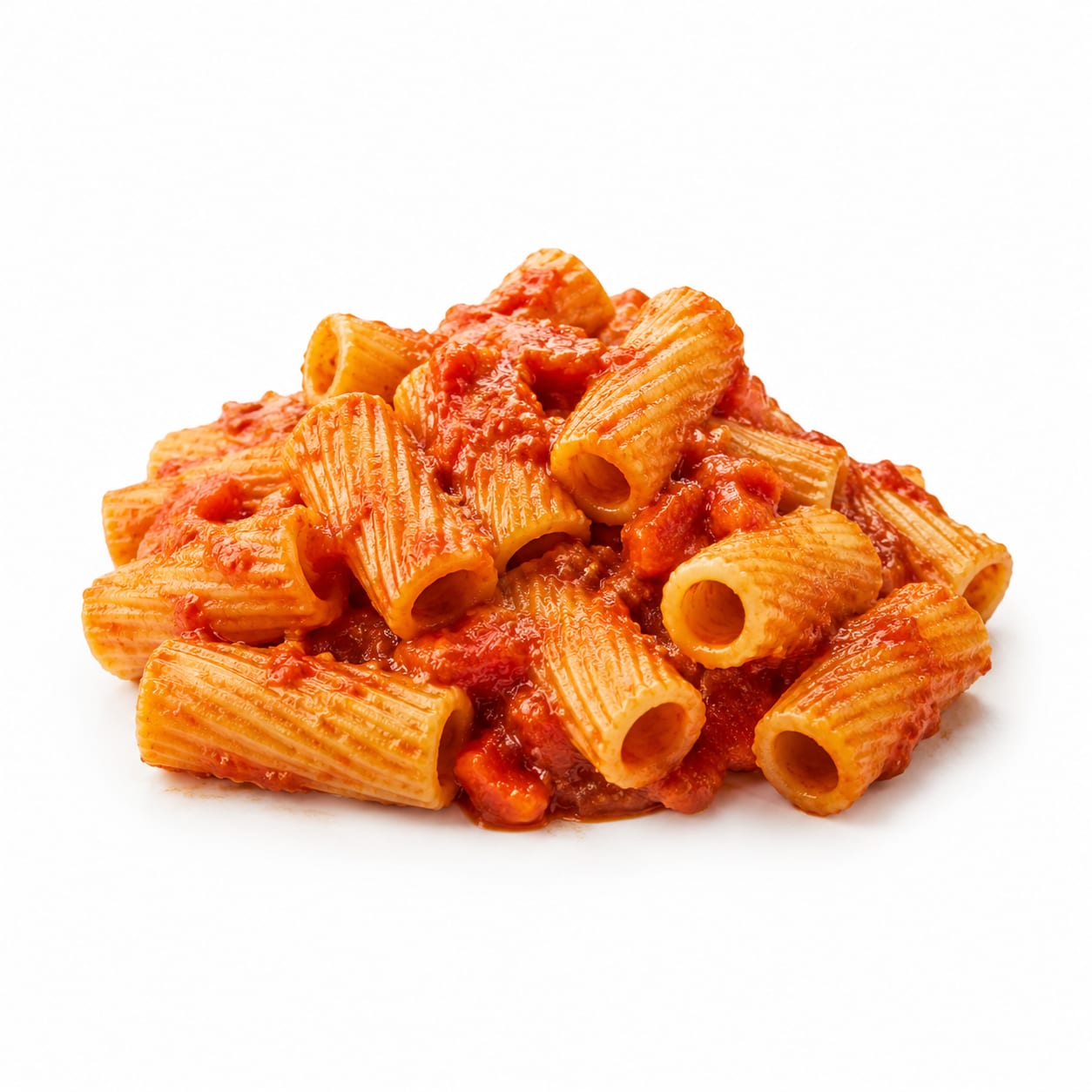
Rigatoni
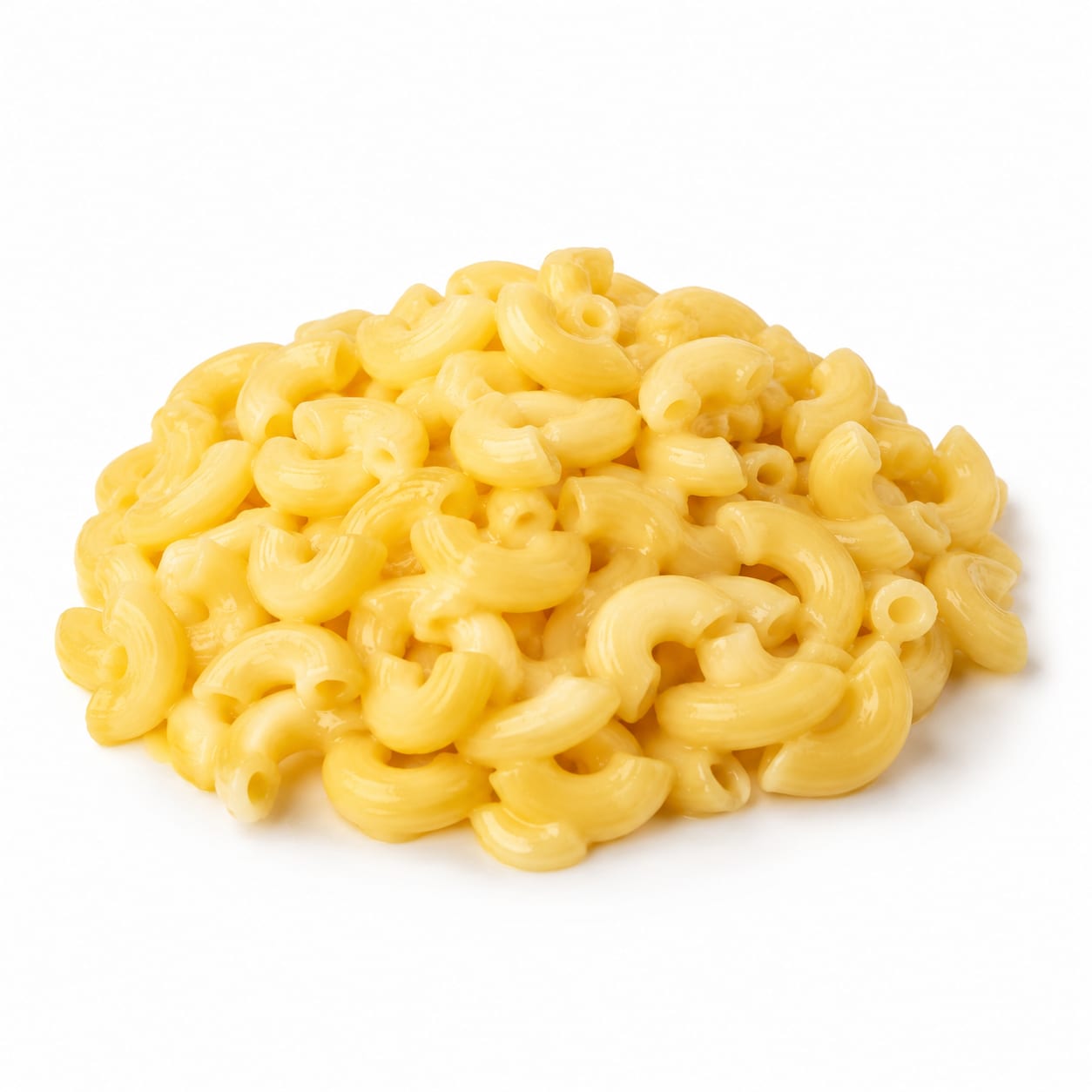
Macaroni
Nutritionally near-identical, but Rigatoni offers a more satisfying eating experience and better sauce retention, while Macaroni wins on speed and comfort-food familiarity.
Scores are extremely close because both are made from nearly identical durum wheat semolina. Rigatoni edges ahead slightly due to better satiety cues from larger bite size and sauce-holding ridges that encourage vegetable-rich pairings.
Rigatoni delivers bigger, more satisfying bites that hold sauce well, but Macaroni cooks faster and fits effortlessly into quick comfort meals like mac and cheese.
At a glance
Executive summary
Overall
It depends
Healthier
It depends
More practical
Macaroni
Daily use
It depends
Key comparison lenses
satiety and eating experience
Shape and texture differences significantly affect how filling each pasta feels and how sauce interacts with the bite
culinary versatility and meal satisfaction
Rigatoni holds hearty sauces better while Macaroni excels in comfort dishes, affecting real-world meal enjoyment
glycemic and blood sugar impact
Surface area and density differences can subtly influence how quickly carbohydrates are absorbed
portion control and weight management
Smaller shapes like Macaroni can be easier to overeat, while larger Rigatoni bites may slow consumption
cooking convenience
Macaroni cooks faster and is more pantry-staple convenient for quick meals
Best choice for
Rigatoni
- Hearty vegetable-based sauces that boost meal nutrition
- Slower, more mindful eating experiences
- Meals where you want to feel fuller on the same calories
Macaroni
- Quick weeknight dinners under 15 minutes
- Classic comfort food recipes like mac and cheese
- Soup additions and cold pasta salads
Least suitable for
Rigatoni
- Quick solo meals when time is tight
- Light soups where a smaller shape blends better
Macaroni
- Chunky meat sauces where small tubes get lost
- Meals where you want each bite to feel substantial
Deep comparison
Dimension by dimension
Each lens scores both foods and breaks down who each option suits.
- Dimension 1 · Priority 88Rigatoni
satiety_and_fullness
Rigatoni · 64Macaroni · 52Rigatoni's larger, thicker bites naturally slow eating pace, giving your brain more time to register fullness.
Tradeoff
Macaroni's smaller size makes it easier to eat quickly and potentially overconsume before feeling satisfied.
Why it matters
Faster eating correlates with higher calorie intake at meals. Shape-driven eating speed differences add up over time.
Real-world impact
A bowl of Rigatoni feels like a meal you work through. A bowl of Macaroni can disappear before you realize you are full.
Rigatoni
- People who tend to eat too fast
- Anyone tracking calories who wants built-in portion awareness
Better for
- Very hungry people who need quick satisfaction
Worse for
Macaroni
- Small children who need manageable bite sizes
- Anyone with jaw or dental sensitivity
Better for
- Mindless eaters who struggle with portion control
Worse for
- Dimension 2 · Priority 82Rigatoni
sauce_nutrition_integration
Rigatoni · 78Macaroni · 55Rigatoni's ridges and wide tubes trap sauce, meaning every bite carries more flavor and more of whatever nutrients your sauce provides.
Tradeoff
Macaroni's smooth surface and narrow tubes hold less sauce, so you taste more pasta and less of the nutritious additions you cooked.
Why it matters
If your sauce contains vegetables, lean protein, or healthy fats, Rigatoni delivers more of those benefits per bite.
Real-world impact
A chunky veggie bolognese over Rigatoni feels like a complete, satisfying meal. The same sauce over Macaroni can feel like pasta with a light topping.
Rigatoni
- Vegetable-heavy sauces you want to showcase
- Protein-rich sauces like bolognese or sausage ragù
Better for
- Delicate cream sauces that might pool inside tubes
Worse for
Macaroni
- Creamy cheese sauces where less sauce coverage feels balanced
- Light oil-based dressings for cold salads
Better for
- Nutrient-dense sauces where you want maximum delivery per bite
Worse for
- Dimension 3 · Priority 72Rigatoni
blood_sugar_stability
Rigatoni · 56Macaroni · 50Rigatoni's thicker walls and denser bites may digest slightly slower, creating a marginally gentler blood sugar curve.
Tradeoff
The difference is small and heavily dependent on what you pair with the pasta rather than the shape itself.
Why it matters
Neither shape is a low-glycemic champion, but every small advantage matters for people monitoring blood sugar.
Real-world impact
After a Rigatoni meal you might feel energized for an extra 20-30 minutes before hunger returns. With Macaroni, the crash can come slightly sooner.
Rigatoni
- People with prediabetes looking for marginal advantages
- Anyone pairing pasta with protein and fiber for steadier energy
Better for
- Situations where quick energy replenishment is the goal
Worse for
Macaroni
- Post-workout meals where faster carbohydrate availability is actually helpful
Better for
- Sedentary evening meals where faster digestion means sooner hunger
Worse for
- Dimension 4 · Priority 60Macaroni
cooking_convenience_and_speed
Rigatoni · 45Macaroni · 72Macaroni cooks 2-4 minutes faster and fits more easily into small pots, making it the better choice for quick meals.
Tradeoff
Rigatoni requires a larger pot and more attention to avoid sticking, but rewards you with a more textured final dish.
Why it matters
When you are tired and hungry, even a 3-minute time difference influences what you actually cook versus ordering takeout.
Real-world impact
Macaroni gets dinner on the table faster on busy weeknights. Rigatoni asks for a little more patience but delivers more at the table.
Rigatoni
- Weekend cooking when you have time to enjoy the process
- Dinner parties where presentation and texture matter
Better for
- Impatient cooks who abandon meals for takeout when prep drags
Worse for
Macaroni
- Exhausted weeknights when speed is everything
- Small kitchens with limited pot sizes
Better for
- Occasions where the eating experience matters more than convenience
Worse for
- Dimension 5 · Priority 70It depends
comfort_and_emotional_satisfaction
Rigatoni · 65Macaroni · 70Macaroni carries deep comfort-food nostalgia, especially in cheese dishes. Rigatoni feels more like a proper restaurant-quality dinner.
Tradeoff
Macaroni wins on emotional comfort for many people, but Rigatoni wins on feeling like you ate something substantial and satisfying.
Why it matters
Emotional satisfaction determines whether a meal actually hits the spot or leaves you scavenging for snacks an hour later.
Real-world impact
Mac and cheese with Macaroni feels like a hug. Rigatoni with hearty sauce feels like you treated yourself to a real dinner.
Rigatoni
- People who find satisfaction in hearty, textured meals
- Those who feel deprived on small-bite pasta dishes
Better for
- Emotional eaters craving childhood comfort flavors
Worse for
Macaroni
- Anyone seeking nostalgic comfort food
- Stress eaters who find calm in familiar textures
Better for
- People who feel unsatisfied after small-pasta meals
Worse for
Timeline
Health impact over time
Short-term
Hours to days
Rigatoni
- Steadier energy release due to slightly slower digestion from thicker pasta walls
- Higher immediate meal satisfaction from larger bites and better sauce integration
- Longer cooking time means more planning required
Macaroni
- Slightly faster blood sugar rise given the higher surface-area-to-volume ratio
- Quick cooking supports faster meal assembly with fresh ingredients
- Easy to overeat before satiety signals kick in
Long-term
Months to years
Rigatoni
- Marginally better blood sugar patterns when eaten regularly with balanced sauces
- Encourages richer sauce pairings which can increase either vegetable intake or calorie load depending on choices
Macaroni
- Frequent consumption in cheese-heavy preparations may contribute to higher saturated fat intake
- Convenience factor may support more home cooking versus takeout, which is generally healthier
Risk profile
Safety & processing
Both Rigatoni and Macaroni are processed foods made from refined durum wheat semolina. Traditional dried versions contain minimal ingredients, typically just semolina and water. The processing level is identical between the two shapes.
Rigatoni
Undercooking leading to digestive discomfort
lowThicker Rigatoni walls can remain firm in the center if undercooked, causing mild bloating in sensitive individuals.
Sauce pooling inside tubes
lowTrapped sauce can harbor bacterial growth if leftovers sit at room temperature. Refrigerate promptly.
Macaroni
Faster spoilage in prepared dishes
lowMacaroni's smaller size means more surface area exposed to sauce, slightly accelerating spoilage in leftovers.
Choking hazard for very young children
lowSmall curved shapes can occasionally be inhaled by toddlers. Cut into smaller pieces for children under 3.
Who wins for whom
Audience fit
Same foods, different winners depending on your goal.
children
MacaroniSmaller, softer bites are easier for kids to manage. Macaroni's familiarity in beloved dishes like mac and cheese makes it a reliable way to get children to actually eat.
daily consumption
It dependsMacaroni is faster and more convenient for daily cooking. Rigatoni delivers more satisfying meals but requires more effort. Choose based on whether your priority is speed or satisfaction.
diabetes
RigatoniSlightly slower digestion from thicker pasta walls offers a marginal glycemic advantage, though the real difference comes from sauce pairing and portion control rather than shape alone.
elderly
MacaroniSmaller bites require less chewing effort and are gentler on sensitive teeth or jaw issues common in older adults.
muscle gain
It dependsBoth provide similar carbohydrate content for glycogen replenishment. Choice depends on what you pair them with — protein-rich sauces work better with Rigatoni, while Macaroni fits easily into post-workout mac and cheese with added protein.
weight loss
RigatoniLarger bite size and slower eating pace help with portion awareness. Better sauce retention means you can use more vegetable-based sauces to bulk meals without extra calories.
Your move
Decision guide
Choose Rigatoni
- You want each bite to feel substantial and satisfying
- You regularly cook with chunky, vegetable-rich sauces
- You tend to eat too fast and benefit from built-in pacing
- You are cooking for a dinner that should feel like an occasion
Choose Macaroni
- Weeknight speed matters more than eating experience
- You are making classic comfort dishes like mac and cheese
- You are feeding children or anyone with smaller bite preferences
- You need pasta that fits in a small pot and cooks fast
Either works if
- You are meal-prepping with light oil-based dressings
- Both will be used in a cold pasta salad with chopped vegetables
- You are adding pasta to soup where shape matters less
Avoid both if
- You are strictly limiting refined carbohydrates for blood sugar management
- You are following a gluten-free or low-carb eating plan
- You have a wheat allergy or celiac disease
Final recommendation
Let your sauce decide. Rigatoni for hearty, chunky, vegetable-loaded sauces where you want every bite to carry maximum flavor and nutrition. Macaroni for quick comfort meals where speed and nostalgia matter more. Neither shape is meaningfully healthier — the real nutritional difference comes from what you put on top.
Practical
Consumer tips
- 1
Choose whole-wheat versions of either shape for significantly more fiber and steadier blood sugar response
- 2
Cook either pasta al dente to lower the glycemic impact compared to soft-cooked pasta
- 3
If using Macaroni for mac and cheese, add steamed broccoli or peas to boost the nutritional profile without changing the comfort factor
- 4
Rigatoni pairs especially well with chunky vegetable sauces — the ridges catch pieces of tomato, zucchini, and bell pepper that would slide off smoother shapes
- 5
Reserve a quarter cup of pasta water before draining either shape — the starch helps sauce cling better, meaning you need less oil or cheese for the same satisfaction
- 6
For portion control with Macaroni, measure dry pasta before cooking since the small shape makes it easy to underestimate how much you are actually eating