
Nutrition comparison
Rigatoni vs Couscous: Which Is Healthier and When to Choose Each
Compare rigatoni and couscous nutrition, satiety, blood sugar impact, and convenience. Learn which wheat carb fits your meals, health goals, and lifestyle better.
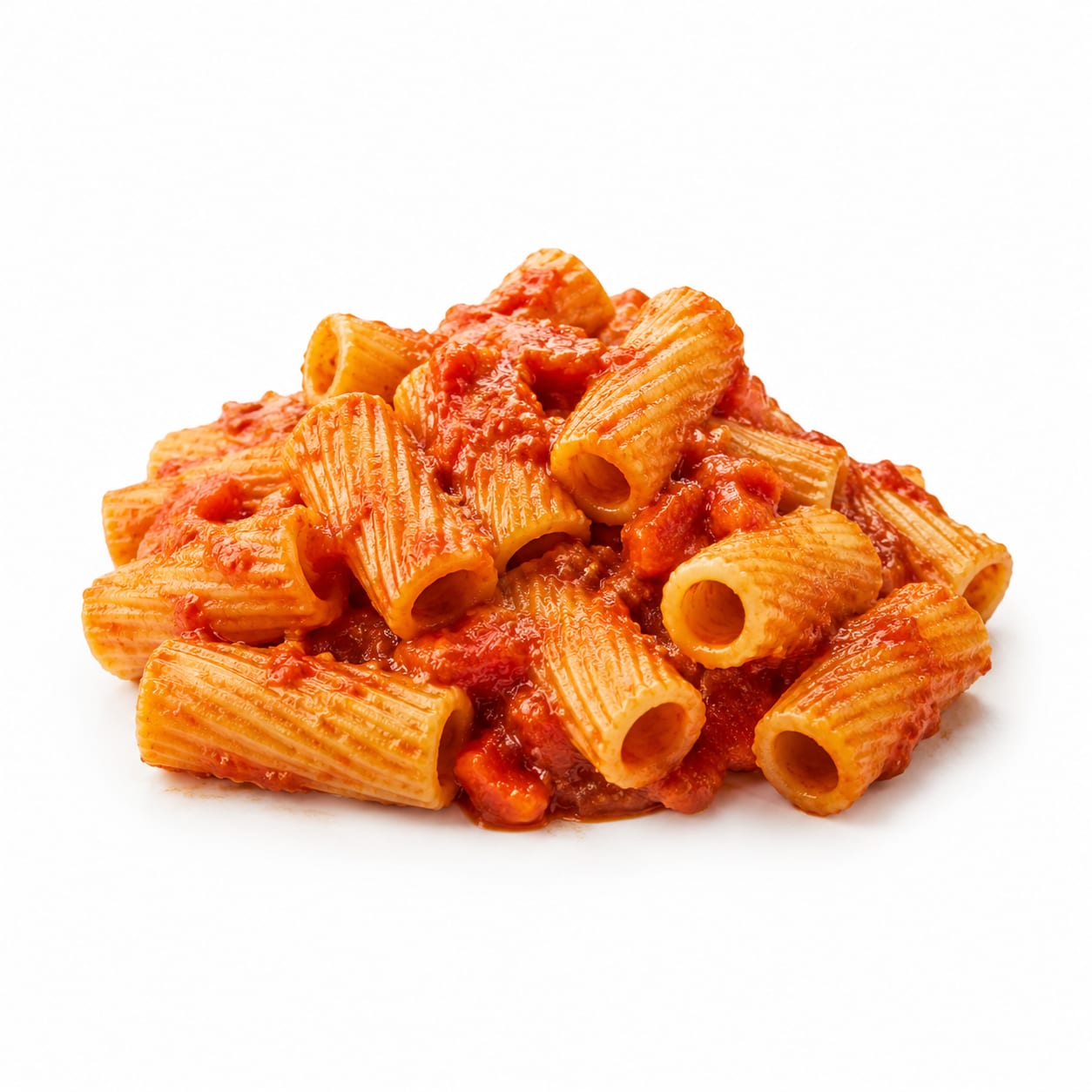
Rigatoni
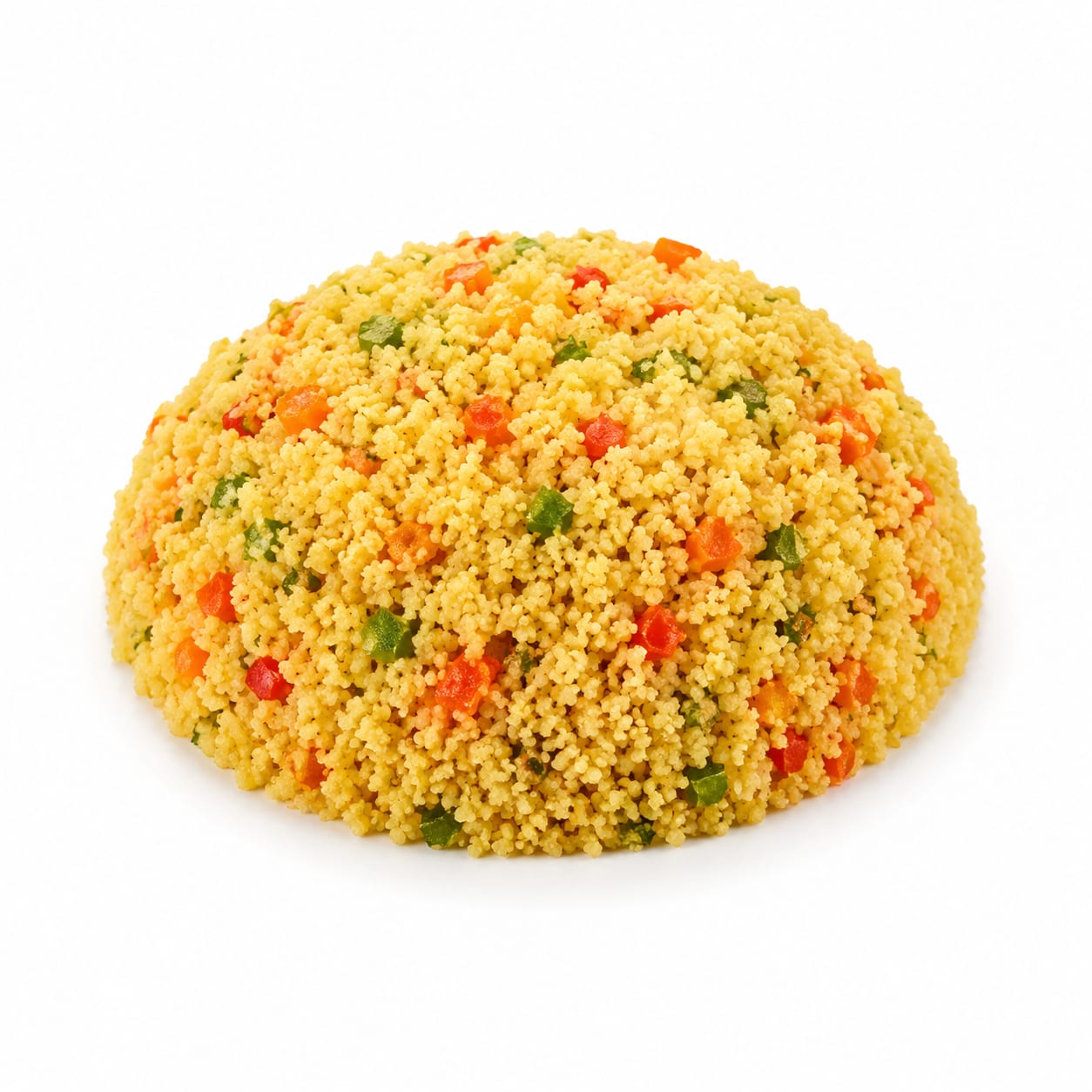
Couscous
Rigatoni fills you up more and feels like a real meal; couscous wins on speed and lightness. Neither is a nutritional standout unless you choose whole wheat versions.
Rigatoni edges ahead on satiety and meal satisfaction, but couscous's convenience keeps it close. Both are refined carbs with similar nutritional profiles, so the real differentiator is how they fit your lifestyle and eating patterns.
Satisfaction and satiety versus convenience and cooking speed
At a glance
Executive summary
Overall
It depends
Healthier
It depends
More practical
Couscous
Daily use
Couscous
Key comparison lenses
blood sugar and energy stability
Both are refined wheat carbs that spike blood sugar similarly, making glycemic impact the central concern for most users
satiety and portion control
Rigatoni's density and chew provide more physical fullness, while couscous is easy to overeat due to its light, fluffy texture
convenience and weeknight practicality
Couscous cooks in 5 minutes versus rigatoni's 12-15, a major factor for busy households
processing and ingredient transparency
Instant couscous is pre-steamed and more processed than traditional dried rigatoni, which is just semolina and water
culinary satisfaction and meal enjoyment
Rigatoni holds sauce and delivers a more satisfying bite, while couscous often serves as a neutral backdrop
Best choice for
Rigatoni
- Hearty dinners where satisfaction matters
- Meals where sauce is the star and you want a vehicle that holds it
- Active individuals needing sustained energy from a filling base
- Families wanting a sit-down meal experience
Couscous
- Quick weeknight meals when time is tight
- Light lunches that won't leave you sluggish
- Meal prep where speed matters more than texture
- Serving as a neutral base for stews and proteins
Least suitable for
Rigatoni
- Anyone short on time most evenings
- Light eaters who find heavy pasta meals too filling
- Blood sugar management without portion control discipline
Couscous
- Meals where you want the carb to be satisfying on its own
- People who easily overeat light, fluffy carbs
- Those avoiding pre-steamed or more processed grains
Deep comparison
Dimension by dimension
Each lens scores both foods and breaks down who each option suits.
- Dimension 1 · Priority 92Rigatoni
satiety and fullness
Rigatoni · 72Couscous · 48Rigatoni's dense chew and slower eating pace signal fullness more effectively than couscous's light, fluffy texture.
Tradeoff
You feel more satisfied after rigatoni but also consume more calories per sitting if you're not measuring portions.
Why it matters
Couscous is dangerously easy to overeat because it doesn't register as filling until you've already had too much.
Real-world impact
A cup of cooked couscous vanishes quickly and leaves you hungry in 90 minutes. Rigatoni keeps you fuller for 2-3 hours.
Rigatoni
- Staying full between meals
- Reducing snacking urges after dinner
- Portion awareness through slower eating
Better for
- Anyone who feels sluggish after heavy meals
Worse for
Couscous
- Light meals before exercise
- Smaller appetites who prefer not feeling stuffed
Better for
- Late-night eating where overconsumption is likely
- Anyone prone to second helpings
Worse for
- Dimension 2 · Priority 90It depends
blood sugar stability
Rigatoni · 45Couscous · 42Both are refined durum wheat with high glycemic impact. Couscous digests slightly faster, causing a quicker spike.
Tradeoff
Neither is great for blood sugar. Couscous hits faster; rigatoni hits slightly slower but still spikes glucose significantly.
Why it matters
If you have insulin resistance or diabetes, both require careful portioning and pairing with protein, fat, and fiber.
Real-world impact
Eating either alone leads to an energy crash within an hour or two. Always pair with protein and vegetables.
Rigatoni
- Slightly slower glucose rise due to denser texture and longer digestion time
Better for
- Large restaurant portions easily exceed 3-4 servings
Worse for
Couscous
- Smaller typical portions might mean less total glucose load if you control serving size
Better for
- Quick digestion means faster blood sugar spike
- Easy to eat large portions without realizing
Worse for
- Dimension 3 · Priority 85Couscous
convenience and cooking speed
Rigatoni · 40Couscous · 92Couscous is ready in 5 minutes with just boiling water. Rigatoni needs a full pot, 12-15 minutes of boiling, and draining.
Tradeoff
Couscous saves 10+ minutes but delivers less textural satisfaction. Rigatoni takes longer but feels like a complete meal.
Why it matters
On busy weeknights, the 10-minute difference often determines whether you cook or order takeout.
Real-world impact
Couscous is a weeknight hero. Rigatoni is a weekend or leisurely dinner choice.
Rigatoni
- Batch cooking for the week ahead
- Meals where the cooking process is part of the experience
Better for
- Exhausted weeknights when every minute counts
Worse for
Couscous
- Last-minute dinners
- Meal prep in tight time windows
- Cooking in small kitchens with limited equipment
Better for
- Special occasions where effort and presentation matter
Worse for
- Dimension 4 · Priority 75It depends
nutritional density
Rigatoni · 38Couscous · 36Both are primarily refined carbohydrate with modest protein and minimal fiber. Nutritionally, they are nearly identical empty carbs.
Tradeoff
Neither offers meaningful micronutrients. The only nutritional upgrade is choosing whole wheat versions of either.
Why it matters
If you're counting on your grain for nutrition, both disappoint. You must rely on sauces, proteins, and vegetables for real nourishment.
Real-world impact
A plate of either is only as nutritious as what you put on top of it.
Rigatoni
- Slightly more iron per serving due to enrichment in many brands
Better for
- Minimal fiber in standard refined versions
Worse for
Couscous
- Slightly more selenium per serving from semolina processing
Better for
- Even less fiber per typical serving than rigatoni
Worse for
- Dimension 5 · Priority 72Rigatoni
processing and ingredient quality
Rigatoni · 65Couscous · 45Dried rigatoni is typically just semolina and water. Most store-bought couscous is instant, meaning pre-steamed, dried, and slightly more processed.
Tradeoff
Traditional couscous is less processed but hard to find and takes much longer to prepare. Instant couscous sacrifices naturalness for speed.
Why it matters
If you care about minimal processing, rigatoni wins easily. If you want traditional couscous, seek out hand-rolled varieties from specialty shops.
Real-world impact
Most people eating couscous are eating the instant version, which is closer to instant oatmeal than to whole grain.
Rigatoni
- Shorter ingredient list with no pre-processing
- Easier to find artisanal or bronze-die versions
- More transparent production methods
Better for
- Cheaper brands may use inferior wheat or additives
Worse for
Couscous
- Traditional hand-rolled couscous exists and is minimally processed, though rare
Better for
- Instant couscous is pre-cooked and more processed
- Often contains salt added during pre-steaming
Worse for
- Dimension 6 · Priority 70Rigatoni
culinary versatility and enjoyment
Rigatoni · 78Couscous · 58Rigatoni's ridges and tubes grab sauce beautifully and stand up to baking. Couscous is versatile but mostly as a neutral base.
Tradeoff
Rigatoni makes meals memorable. Couscous makes meals fast. You trade excitement for efficiency.
Why it matters
Food satisfaction affects long-term eating habits. Boring meals lead to snacking and cravings later.
Real-world impact
Rigatoni with a good sauce feels like a restaurant meal. Couscous with the same sauce feels like a quick lunch.
Rigatoni
- Hearty ragùs and thick sauces
- Baked pasta dishes
- Meals where the pasta itself is part of the experience
Better for
- Light, fresh summer meals
- Delicate sauces where heavy pasta overwhelms
Worse for
Couscous
- North African and Middle Eastern dishes
- Serving under stews and tagines
- Cold grain salads with chopped vegetables
Better for
- Meals where you want the carb to have personality
- Anything baked or broiled
Worse for
Timeline
Health impact over time
Short-term
Hours to days
Rigatoni
- Noticeable fullness within 20 minutes of eating
- Moderate blood sugar rise peaking around 45-60 minutes after a standard portion
- Possible bloating if you eat a large restaurant-style serving
Couscous
- Quick satisfaction that fades within 60-90 minutes
- Faster blood sugar spike due to quicker digestion of small, soft granules
- Easy to eat a second helping before realizing you're full
Long-term
Months to years
Rigatoni
- Regular large portions contribute to gradual weight gain if not measured
- Refined wheat intake linked to increased inflammation markers when it displaces whole grains
- Habitual consumption without vegetables and protein may worsen insulin sensitivity over years
Couscous
- Frequent consumption as a staple grain without whole grain alternatives increases diabetes risk
- Easy overconsumption patterns may develop due to low satiety signaling
- Reliance on instant couscous means regular intake of more processed grain products
Risk profile
Safety & processing
Dried rigatoni is one of the simplest processed foods: semolina and water, extruded and dried. Instant couscous undergoes additional pre-steaming and drying, making it more processed even though the ingredient list stays short. Neither contains artificial additives, but couscous's pre-cooking step moves it a step further from the raw grain.
Rigatoni
gluten exposure
highContains wheat gluten. Completely unsuitable for anyone with celiac disease or gluten sensitivity.
contamination during drying
lowRare but possible contamination with Salmonella in improperly dried pasta. Commercial drying processes make this uncommon.
Couscous
gluten exposure
highContains wheat gluten. Completely unsuitable for anyone with celiac disease or gluten sensitivity.
added sodium in instant versions
mediumMany instant couscous products include salt during pre-steaming. Check labels if monitoring sodium intake.
pesticide residue on conventional wheat
lowConventional wheat may carry pesticide residues. Organic options reduce this concern for both foods.
Who wins for whom
Audience fit
Same foods, different winners depending on your goal.
children
CouscousCouscous's soft, small texture is easier for young children to eat, and its mild flavor pairs well with familiar foods. Just watch portion sizes to avoid excessive carb loading.
daily consumption
CouscousCouscous's quick preparation makes it more practical for daily use, though alternating with whole grain versions of either is healthier than daily refined wheat.
diabetes
It dependsNeither is ideal. Both spike blood sugar significantly. If forced to choose, rigatoni digests slightly slower, but portion control matters far more than which pasta shape you pick.
elderly
CouscousCouscous requires less chewing and is gentler on sensitive digestive systems. Its softness makes it accessible for those with dental concerns or reduced appetite.
muscle gain
It dependsBoth provide similar carbohydrate fuel for training. Choose based on timing: couscous for quick pre-workout carbs, rigatoni for post-workout recovery meals with protein.
weight loss
RigatoniRigatoni's higher satiety means you eat less overall and stay full longer, making it easier to maintain a calorie deficit without feeling deprived.
Your move
Decision guide
Choose Rigatoni
- You want a meal that truly satisfies and keeps you full for hours
- Sauce quality matters to you and you want a pasta that holds it well
- You're cooking a weekend or special occasion dinner
- You tend to overeat light carbs and need something that slows you down
- You prefer minimally processed foods with simple production methods
Choose Couscous
- Weeknight speed is your top priority
- You want a light base that lets proteins and vegetables shine
- You're meal prepping and need a carb that's ready in minutes
- You prefer smaller, more frequent meals over heavy dinners
- You're making North African or Middle Eastern recipes where couscous belongs
Either works if
- You're buying whole wheat versions of either for better nutrition
- You pair your grains generously with protein, healthy fats, and vegetables
- You rotate between different carb sources throughout the week
Avoid both if
- You have celiac disease or gluten sensitivity
- You're following a low-carb or ketogenic diet
- You're managing diabetes and haven't yet mastered portion control for refined grains
- You're trying to eliminate processed foods from your diet entirely
Final recommendation
Keep both in your pantry but use them differently. Reach for couscous on busy weeknights when speed matters, and save rigatoni for meals where satisfaction and enjoyment are the priority. For either, always choose whole wheat versions when available and pair with protein and vegetables to blunt the blood sugar impact. The healthiest choice isn't which shape you pick — it's what you put on top and how much you serve yourself.
Practical
Consumer tips
- 1
Choose whole wheat rigatoni or whole wheat couscous to roughly double your fiber intake per serving
- 2
Always pair either grain with a protein source and vegetables to slow digestion and stabilize blood sugar
- 3
Measure dry portions before cooking — a standard serving is 2 ounces dry, which looks small but expands significantly
- 4
Rinse rigatoni after cooking only if making a cold pasta salad; the starch helps sauce adhere for hot dishes
- 5
Toast dry couscous in a pan with a little olive oil before adding water for deeper flavor
- 6
If sodium is a concern, check instant couscous labels — some seasoned varieties pack 400-600mg per serving
- 7
Bronze-die rigatoni has a rougher surface that grips sauce better and is worth the slight premium
- 8
Freeze leftover cooked rigatoni in portion bags for quick future meals — it reheats better than couscous