
Nutrition comparison
Rigatoni vs Chickpea Pasta: Which Is Actually Better for You?
Chickpea Pasta has double the protein and triple the fiber of Rigatoni, but how does it compare on taste, cost, and digestion? A practical nutrition comparison.
Overall winner · Chickpea Pasta
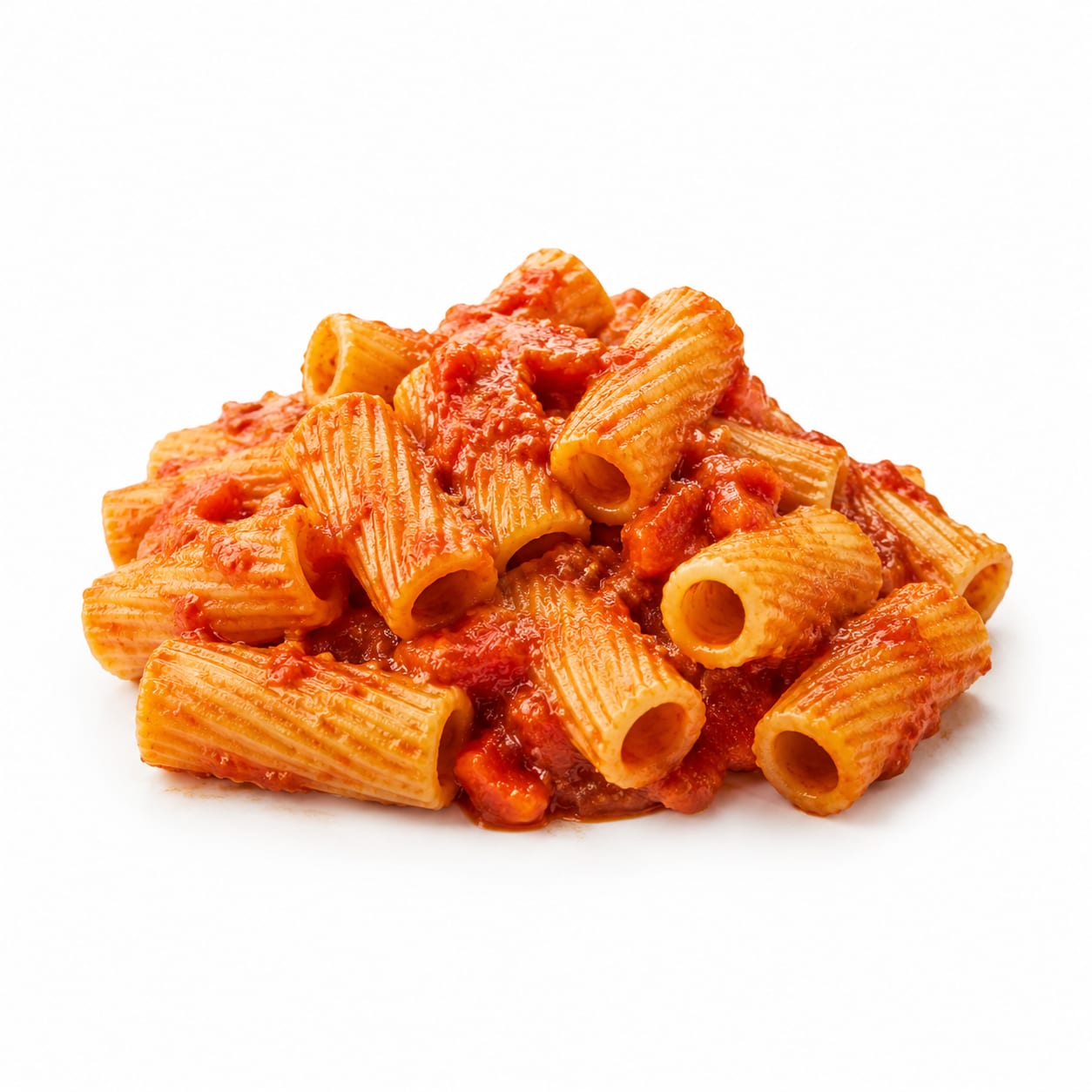
Rigatoni
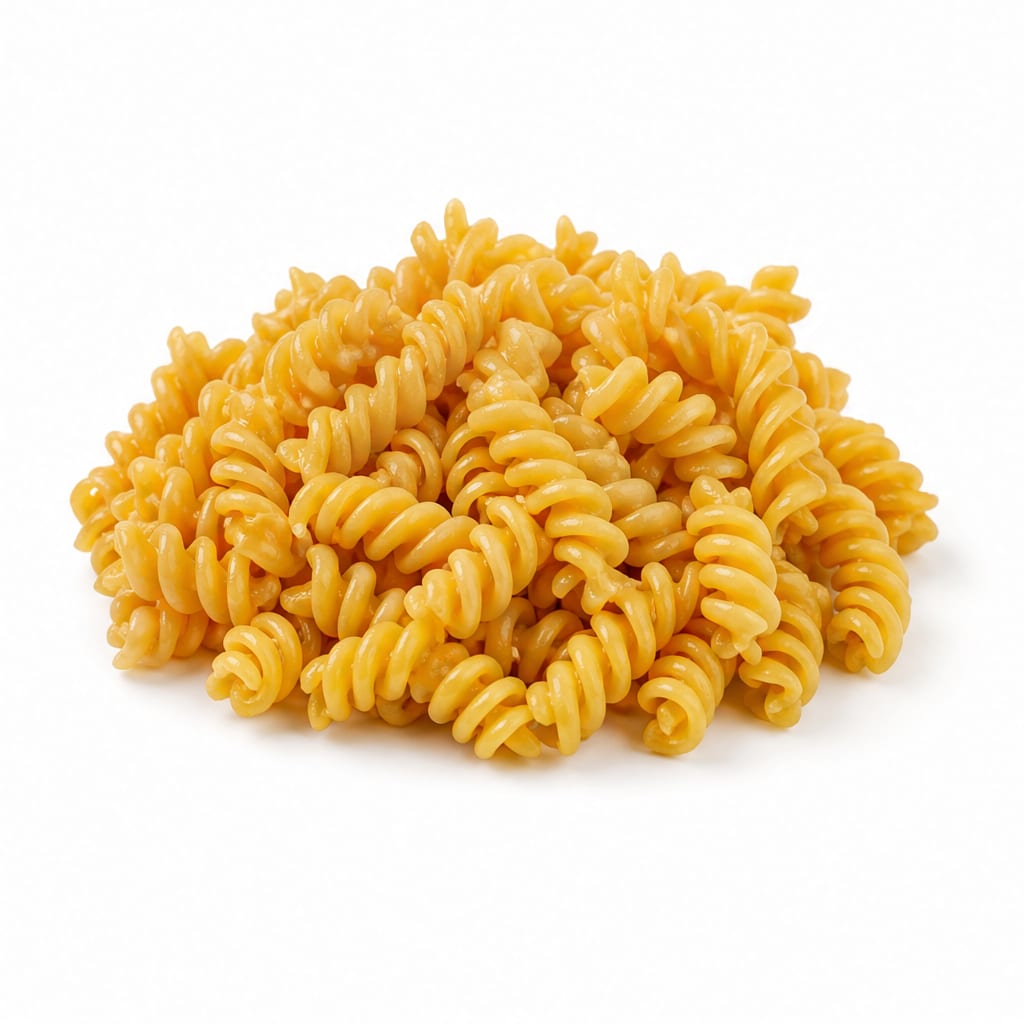
Chickpea Pasta
Chickpea Pasta wins on nutrition, but Rigatoni wins on taste and tradition. The gap in protein and fiber is large enough to matter daily.
Chickpea Pasta scores substantially higher due to its protein, fiber, and micronutrient advantages. Rigatoni remains competitive on taste, cost, and familiarity but falls behind on every nutritional metric that matters for daily health.
You trade the familiar comfort and texture of regular pasta for roughly double the protein and triple the fiber with Chickpea Pasta.
At a glance
Executive summary
Overall
Chickpea Pasta
Healthier
Chickpea Pasta
More practical
Rigatoni
Daily use
Chickpea Pasta
Key comparison lenses
blood sugar and energy stability
The massive fiber and protein gap between these pastas directly affects how steady your energy stays after eating
satiety and fullness per calorie
Chickpea Pasta packs significantly more protein and fiber, making it far more filling for the same portion size
taste and texture satisfaction
Traditional Rigatoni delivers the classic pasta experience most people crave, while Chickpea Pasta has a noticeably different mouthfeel
nutritional upgrade without lifestyle overhaul
Swapping regular pasta for chickpea pasta is one of the easiest ways to boost protein and fiber without changing your meal routine
digestive tolerance
Chickpeas can cause bloating in sensitive people, while wheat pasta contains gluten that triggers issues for others
Best choice for
Rigatoni
- Picky eaters who dislike legume flavors
- Traditional Italian recipes where texture matters most
- Budget-conscious households
- People with legume sensitivities or IBS triggered by chickpeas
- Occasional comfort meals where enjoyment is the priority
Chickpea Pasta
- Anyone wanting more protein without adding meat
- People managing blood sugar or prediabetes
- Those trying to increase fiber intake easily
- Gluten-sensitive individuals seeking a pasta alternative
- Meal preppers wanting longer-lasting fullness
Least suitable for
Rigatoni
- People with diabetes or insulin resistance
- Anyone on a high-protein, low-carb approach
- Those who get hungry again quickly after pasta meals
Chickpea Pasta
- People with chickpea or legume allergies
- Those sensitive to FODMAPs and prone to bloating
- Strict traditionalists who find the texture off-putting
Deep comparison
Dimension by dimension
Each lens scores both foods and breaks down who each option suits.
- Dimension 1 · Priority 94Chickpea Pasta
blood sugar stability
Rigatoni · 35Chickpea Pasta · 78Chickpea Pasta causes a noticeably slower and smaller blood sugar rise compared to Rigatoni.
Tradeoff
Rigatoni digests quickly, which feels light initially but often leads to an energy crash within two hours.
Why it matters
Steadier blood sugar means fewer cravings, better focus, and less afternoon fatigue.
Real-world impact
After a Rigatoni lunch you may feel sleepy and hungry again by 3pm. Chickpea Pasta keeps you going steadily until dinner.
Rigatoni
- Pre-workout meals where quick energy is actually desired
Better for
- Sedentary evenings when excess glucose gets stored as fat
Worse for
Chickpea Pasta
- Anyone with prediabetes or metabolic syndrome
- Office workers who need sustained afternoon focus
- People prone to post-meal energy crashes
Better for
- Right before intense exercise when you need fast-available carbs
Worse for
- Dimension 2 · Priority 90Chickpea Pasta
protein content and quality
Rigatoni · 28Chickpea Pasta · 82Chickpea Pasta delivers roughly double the protein per serving, making it genuinely useful for hitting daily protein targets.
Tradeoff
Rigatoni provides only about 7g protein per serving, which barely contributes to daily needs. Chickpea Pasta offers 13-14g from a plant source that is reasonably complete.
Why it matters
Protein from your carb source means you need less supplemental protein from meat, dairy, or shakes.
Real-world impact
A bowl of Chickpea Pasta with vegetables can function as a complete meal. Rigatoni almost always needs added protein to feel balanced.
Rigatoni
- Meals where protein is already covered by a large meat or fish portion
Better for
- Plant-based eaters who need every protein source to count
Worse for
Chickpea Pasta
- Vegetarians and vegans counting protein
- Anyone trying to reduce meat consumption
- Single-dish meals where pasta is the main event
Better for
- Those already exceeding protein needs from other sources
Worse for
- Dimension 3 · Priority 88Chickpea Pasta
fiber and digestive health
Rigatoni · 22Chickpea Pasta · 85Chickpea Pasta has roughly three to four times the fiber of Rigatoni, which dramatically improves fullness and gut health.
Tradeoff
That same fiber can cause bloating and gas if your body is not used to it, especially in larger portions.
Why it matters
Most people eat far too little fiber. Swapping pasta is one of the easiest ways to close that gap without changing your routine.
Real-world impact
Rigatoni moves through you quickly and leaves you hungry soon after. Chickpea Pasta sits heavier in a good way, keeping you satisfied for hours.
Rigatoni
- People with active IBS or FODMAP sensitivities
- Days when your stomach is already upset
Better for
- Anyone already low on fiber who relies on pasta as a staple
Worse for
Chickpea Pasta
- Anyone chronically below the 25-30g daily fiber target
- People struggling with constipation
- Those wanting gut microbiome benefits from prebiotic fiber
Better for
- Sudden large servings if you are not used to high-fiber foods
Worse for
- Dimension 4 · Priority 85Rigatoni
taste and texture satisfaction
Rigatoni · 90Chickpea Pasta · 62Rigatoni delivers the classic al dente bite and neutral flavor that makes pasta beloved worldwide. Chickpea Pasta has a denser, slightly grainier texture and a faint legume taste.
Tradeoff
You sacrifice some eating pleasure for nutritional gains. The texture difference is noticeable but not deal-breaking for most people.
Why it matters
If a healthier food tastes bad, you will not keep eating it. Satisfaction determines long-term adherence.
Real-world impact
Rigatoni with sauce feels like comfort food. Chickpea Pasta with sauce feels like a solid meal that is good enough but not quite the same experience.
Rigatoni
- Date nights and dinner parties where food should impress
- Traditional Italian dishes like baked ziti or pasta al forno
- Emotional comfort eating where only the real thing hits the spot
Better for
- No real taste downside unless you find wheat pasta bland
Worse for
Chickpea Pasta
- Heavily sauced dishes where texture differences are masked
- Cold pasta salads where the firmer bite actually works well
- Everyday meals where nutrition trumps indulgence
Better for
- Simple preparations with just olive oil where the legume flavor stands out
- Dishes where a delicate silky texture is essential
Worse for
- Dimension 5 · Priority 75Chickpea Pasta
micronutrient density
Rigatoni · 30Chickpea Pasta · 80Chickpea Pasta provides significantly more iron, folate, potassium, and magnesium than Rigatoni, which is mostly refined starch with added B vitamins.
Tradeoff
Rigatoni is often enriched with synthetic folic acid and iron, but Chickpea Pasta delivers these nutrients in their natural food matrix, which may absorb better.
Why it matters
Getting micronutrients from your carb sources means less reliance on supplements or careful meal planning.
Real-world impact
A serving of Chickpea Pasta covers about 30% of your iron needs versus roughly 10% from Rigatoni. That matters especially for women and vegetarians.
Rigatoni
- Not a strong suit for Rigatoni in any context
Better for
- People relying on pasta as a staple without other nutrient-dense foods
Worse for
Chickpea Pasta
- Women of reproductive age who need more iron and folate
- Vegetarians who struggle to get enough iron and potassium
- Anyone eating mostly refined carbs who needs an easy nutrient upgrade
Better for
- Those already taking iron supplements who need to watch iron intake
Worse for
- Dimension 6 · Priority 68Rigatoni
cost and accessibility
Rigatoni · 88Chickpea Pasta · 48Rigatoni is one of the cheapest staple foods available. Chickpea Pasta typically costs two to three times more per box.
Tradeoff
The nutritional upgrade of Chickpea Pasta is real, but paying significantly more for pasta may not fit tight grocery budgets.
Why it matters
If a healthier option is too expensive to eat regularly, it becomes an occasional purchase rather than a true staple swap.
Real-world impact
A box of Rigatoni costs around $1-2. Chickpea Pasta usually runs $3-5. For a family of four eating pasta twice weekly, that adds up to hundreds of dollars per year.
Rigatoni
- Large families on tight budgets
- Bulk meal prep for the week
- Students and anyone where cost per calorie matters most
Better for
- No real cost downside
Worse for
Chickpea Pasta
- Single households where the price difference is modest in absolute terms
- People who view the extra cost as a health investment
Better for
- Families that would blow their grocery budget switching entirely
Worse for
Timeline
Health impact over time
Short-term
Hours to days
Rigatoni
- Quick energy that may fade within 90 minutes to 2 hours
- Light feeling in the stomach initially, followed by hunger returning fast
- Possible sleepiness after large portions due to blood sugar spike and drop
Chickpea Pasta
- Sustained energy for 3-4 hours without a crash
- Noticeable fullness that reduces snacking between meals
- Possible bloating or gas in the first few servings if your gut is not accustomed to high fiber
Long-term
Months to years
Rigatoni
- Regular consumption without adequate fiber from other sources may contribute to blood sugar management challenges
- Easier to overeat portions due to low satiety, which can contribute to gradual weight gain
- Refined carbohydrate staple that displaces more nutrient-dense foods if eaten too frequently
Chickpea Pasta
- Better blood sugar control over time, reducing risk of metabolic issues
- Improved gut health and regularity from consistent high fiber intake
- Easier weight management due to naturally higher satiety per calorie
- Potential for improved cholesterol markers from soluble fiber
Risk profile
Safety & processing
Both are processed foods since pasta requires milling and extrusion. Rigatoni is made from refined durum wheat semolina with minimal additives. Chickpea Pasta is similarly processed from chickpea flour, sometimes with a small amount of tapioca or pea protein added for texture. Neither contains concerning artificial additives. Chickpea Pasta starts from a whole-food ingredient that retains more of its natural nutrient profile, while Rigatoni starts from refined flour that has lost most of its bran and germ.
Rigatoni
gluten exposure for celiac or sensitive individuals
highRigatoni contains wheat gluten, which triggers serious reactions in people with celiac disease and discomfort in those with non-celiac gluten sensitivity.
glycemic load contributing to metabolic strain
mediumNot an acute safety risk, but frequent high glycemic meals contribute to insulin resistance over years of regular consumption.
Chickpea Pasta
legume allergy or intolerance
mediumChickpea allergies exist and can be serious. Cross-reactivity with other legumes like lentils and peas is possible.
digestive discomfort from sudden fiber increase
lowNot dangerous, but transitioning too quickly to high-fiber Chickpea Pasta can cause bloating, gas, and stomach cramps until gut bacteria adapt.
Who wins for whom
Audience fit
Same foods, different winners depending on your goal.
children
It dependsRigatoni is more likely to be accepted by picky eaters due to familiar taste and texture. Chickpea Pasta offers better nutrition but some kids may reject the different flavor and firmer bite.
daily consumption
Chickpea PastaAs a regular staple, Chickpea Pasta provides cumulative benefits from extra protein, fiber, and micronutrients that add up meaningfully over weeks and months.
diabetes
Chickpea PastaThe fiber and protein combination in Chickpea Pasta significantly slows glucose absorption, resulting in a much gentler blood sugar curve compared to Rigatoni.
elderly
Chickpea PastaOlder adults often need more protein to prevent muscle loss and more fiber for digestive regularity. Chickpea Pasta addresses both concerns in a familiar format.
muscle gain
Chickpea PastaDouble the protein per serving means Chickpea Pasta actually contributes meaningful amino acids toward muscle recovery, unlike Rigatoni which is essentially just carbs.
weight loss
Chickpea PastaChickpea Pasta keeps you full longer with more protein and fiber, making it easier to eat smaller portions and resist snacking between meals.
Your move
Decision guide
Choose Rigatoni
- You prioritize taste and the authentic pasta experience above nutritional optimization
- You are cooking for picky eaters or a traditional Italian meal where texture matters
- Budget is a primary concern and the price difference matters for your household
- You have legume sensitivities or FODMAP issues that make chickpeas uncomfortable
- You are eating pasta before intense exercise and actually want quick-digesting carbs
Choose Chickpea Pasta
- You want to increase protein and fiber without changing your meal routine
- You are managing blood sugar, prediabetes, or insulin resistance
- You get hungry too soon after regular pasta meals
- You eat pasta frequently and want each serving to contribute more nutritionally
- You are vegetarian or reducing meat and need protein from more sources
Either works if
- You only eat pasta occasionally, so the nutritional difference matters less
- You are mixing both in a household where some prefer taste and others prefer nutrition
- You are loading the dish with so much sauce, cheese, and protein that the pasta base is less consequential
Avoid both if
- You have both celiac disease and a legume allergy, making both options unsafe
- You are on a strict very-low-carb or ketogenic diet where any pasta exceeds your carb limit
Final recommendation
Make Chickpea Pasta your everyday staple and keep Rigatoni for special occasions. The protein and fiber gap is large enough that switching meaningfully improves how you feel after meals and over time. If the taste takes adjustment, try mixing them half and half at first, then shift the ratio toward Chickpea Pasta as your palate adapts. For a dinner party or a meal where comfort matters more than nutrition, Rigatoni still has its place.
Practical
Consumer tips
- 1
Start with half Rigatoni and half Chickpea Pasta to ease into the texture and flavor difference gradually
- 2
Chickpea Pasta works best with robust sauces like marinara or pesto that mask the slight legume taste
- 3
Rinse Chickpea Pasta after cooking to remove surface starch that can make it feel gummy
- 4
Watch your portion size with Chickpea Pasta since the higher fiber can cause bloating if you eat the same large volume you are used to with Rigatoni
- 5
Cook Chickpea Pasta slightly less than package directions for a firmer bite closer to traditional al dente
- 6
If cost is a concern, use Chickpea Pasta on weekdays and save Rigatoni for weekends as a simple compromise