
Nutrition comparison
Rigatoni vs Brown Rice Pasta: Which Is Healthier?
Compare rigatoni and brown rice pasta on blood sugar, protein, arsenic risk, and gluten. Find out which pasta fits your health goals and dietary needs.
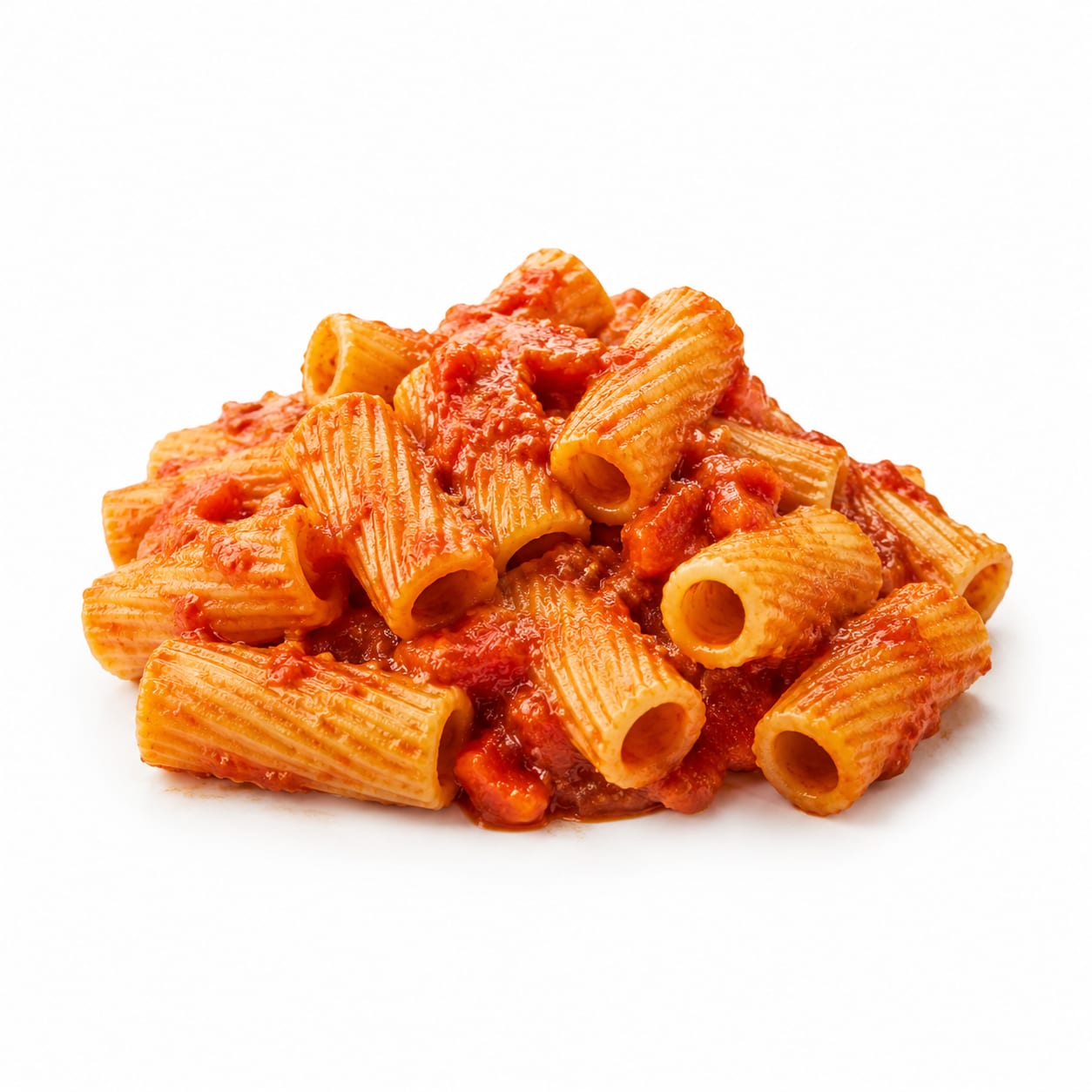
Rigatoni
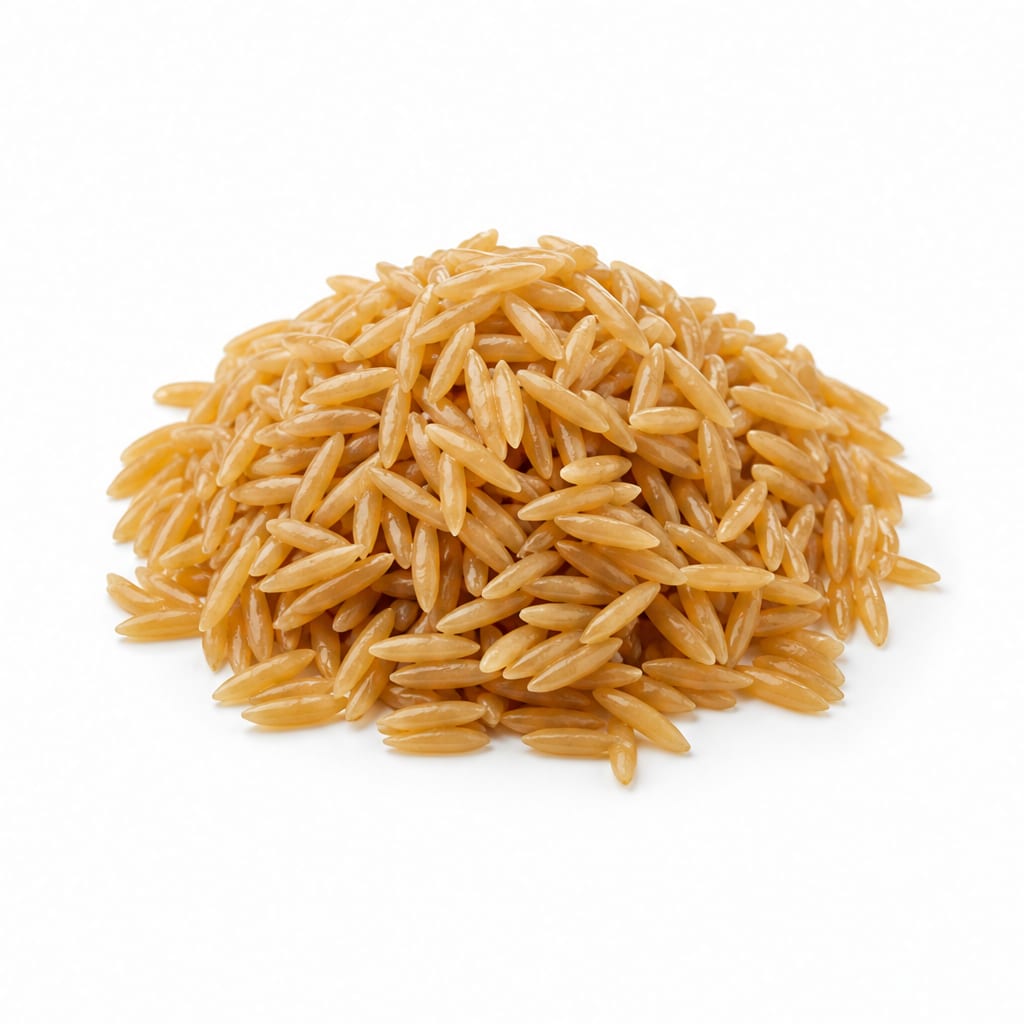
Brown Rice Pasta
Rigatoni offers better blood sugar stability and protein content, while Brown Rice Pasta is the clear choice for anyone avoiding gluten—but carries hidden arsenic risk and spikes blood sugar faster.
Rigatoni scores higher due to better glycemic control, more protein, and no arsenic concerns. Brown Rice Pasta remains essential for gluten-free needs but carries tradeoffs many users overlook.
Gluten avoidance versus steadier energy and lower heavy metal exposure
At a glance
Executive summary
Overall
It depends
Healthier
It depends
More practical
Rigatoni
Daily use
Rigatoni
Key comparison lenses
gluten free vs traditional pasta
The primary reason people choose brown rice pasta is avoiding gluten, making this the central tradeoff
blood sugar management
Brown rice pasta has a higher glycemic impact than traditional durum wheat pasta, which surprises many people
digestive tolerance
Gluten sensitivity and celiac concerns drive this comparison for many users
nutritional density
Both are carb-heavy staples, so micronutrient and fiber differences matter for daily use
arsenic exposure
Brown rice products carry measurable arsenic risk that users should know about
Best choice for
Rigatoni
- People without gluten issues seeking steadier energy
- Anyone managing blood sugar or insulin resistance
- Those who prioritize protein intake from carb sources
- Athletes needing sustained fuel without crashes
Brown Rice Pasta
- People with celiac disease or gluten intolerance
- Those with diagnosed wheat allergies
- Anyone following a strict gluten-free diet
Least suitable for
Rigatoni
- People with celiac disease or non-celiac gluten sensitivity
- Anyone with wheat allergy
Brown Rice Pasta
- People managing diabetes or insulin resistance
- Those concerned about arsenic exposure
- Anyone seeking the most satiating pasta option
Deep comparison
Dimension by dimension
Each lens scores both foods and breaks down who each option suits.
- Dimension 1 · Priority 95Rigatoni
Blood Sugar Stability
Rigatoni · 72Brown Rice Pasta · 48Traditional durum wheat pasta digests more slowly than brown rice pasta, giving you steadier energy after meals.
Tradeoff
Choosing gluten-free here means accepting a faster blood sugar rise and potential energy crash
Why it matters
The dense structure of extruded durum wheat creates resistant starch that slows glucose absorption. Brown rice flour breaks down faster despite being whole grain.
Real-world impact
After a brown rice pasta lunch, you may feel hungry again within 2 hours. Rigatoni tends to keep you satisfied closer to 3-4 hours.
Rigatoni
- Steady afternoon energy without the crash
- Better post-meal focus and productivity
- Less temptation to snack between meals
Better for
Brown Rice Pasta
- Post-meal energy dip within 1-2 hours
- Harder to manage portions due to quicker hunger return
- More insulin demand per serving
Worse for
- Dimension 2 · Priority 90Brown Rice Pasta
Gluten and Digestive Tolerance
Rigatoni · 30Brown Rice Pasta · 95Brown Rice Pasta is naturally gluten-free, making it the safe and obvious choice for anyone with celiac disease or gluten sensitivity.
Tradeoff
If you tolerate gluten well, avoiding it offers no health benefit and costs you in other areas
Why it matters
For the roughly 1% with celiac and 6% with gluten sensitivity, this is not optional—it is a medical necessity.
Real-world impact
If gluten causes bloating, brain fog, or digestive distress, switching to brown rice pasta can be life-changing within days.
Rigatoni
- Causes significant discomfort for gluten-sensitive individuals
- Triggers autoimmune damage in celiac patients
Worse for
Brown Rice Pasta
- No bloating or cramping for gluten-sensitive people
- Safe for celiac diners at restaurants
- Eliminates wheat-related digestive issues
Better for
- Dimension 3 · Priority 70Rigatoni
Protein Content
Rigatoni · 65Brown Rice Pasta · 45Durum wheat contains notably more protein than brown rice, giving rigatoni a meaningful edge for satiety and muscle maintenance.
Tradeoff
Gluten-free pasta eaters should consider adding protein to their meal to compensate
Why it matters
Protein in carb sources adds up over the day. A 2 oz serving of rigatoni has roughly 7g protein versus 4g in brown rice pasta.
Real-world impact
That 3g protein difference per serving means rigatoni meals feel more filling and require less added protein to satisfy you.
Rigatoni
- More filling meals with less extra protein needed
- Better support for maintaining muscle during weight loss
- Higher amino acid diversity from wheat protein
Better for
Brown Rice Pasta
- Meals feel less satisfying without added protein
- May need larger portions to feel full, increasing calorie intake
Worse for
- Dimension 4 · Priority 75Rigatoni
Arsenic and Heavy Metal Exposure
Rigatoni · 85Brown Rice Pasta · 45Brown rice accumulates inorganic arsenic from soil and water, making regular consumption a measurable concern—especially for children.
Tradeoff
Eating brown rice pasta daily increases arsenic exposure, while traditional wheat pasta does not carry this risk
Why it matters
Rice absorbs arsenic more efficiently than other grains. Brown rice retains more than white rice because arsenic concentrates in the bran.
Real-world impact
Having brown rice pasta 4-5 times per week contributes meaningfully to your cumulative arsenic intake. Rotating with other gluten-free grains reduces this risk.
Rigatoni
- No arsenic accumulation concern
- Safe for frequent daily consumption
- Better choice for children's regular meals
Better for
Brown Rice Pasta
- Measurable arsenic exposure with regular consumption
- Less suitable as a daily staple for young children
- Requires rotation with other gluten-free grains to manage risk
Worse for
- Dimension 5 · Priority 65Brown Rice Pasta
Fiber and Micronutrients
Rigatoni · 45Brown Rice Pasta · 70Brown Rice Pasta retains the whole grain bran layer, offering more fiber, magnesium, and manganese than refined rigatoni.
Tradeoff
Whole wheat rigatoni would close this gap, but standard rigatoni is made from refined semolina
Why it matters
The fiber difference is modest—about 2g per serving—but the mineral content gap is more meaningful over time.
Real-world impact
Brown Rice Pasta provides slightly better digestive regularity and mineral intake, but not enough to override blood sugar concerns for most people.
Rigatoni
- Often fortified with iron and B vitamins
- More bioavailable folate from fortification
Better for
- Refined semolina loses most natural fiber and minerals
- Depends on fortification rather than whole grain nutrition
Worse for
Brown Rice Pasta
- More natural fiber for digestive regularity
- Higher magnesium for muscle and nerve function
- More manganese for bone health and metabolism
Better for
- Dimension 6 · Priority 60Rigatoni
Taste and Culinary Experience
Rigatoni · 88Brown Rice Pasta · 55Rigatoni delivers the classic al dente bite and sauce-holding texture that brown rice pasta struggles to match.
Tradeoff
Brown rice pasta can become gummy or mushy, requiring careful cooking to achieve acceptable texture
Why it matters
Enjoyment drives long-term dietary adherence. If your gluten-free pasta feels like a compromise, you may eat less satisfying meals overall.
Real-world impact
Rigatoni holds up beautifully in baked dishes and hearty sauces. Brown rice pasta works best in simpler preparations where texture matters less.
Rigatoni
- Authentic al dente texture that satisfies
- Ridges hold sauce beautifully
- Stands up to baking and reheating
- More enjoyable eating experience for pasta lovers
Better for
Brown Rice Pasta
- Acceptable texture when cooked precisely
- Works well in Asian-inspired dishes
Better for
- Tendency toward gummy or sticky texture
- Breaks down easily when overcooked even slightly
- Less satisfying for traditional Italian recipes
Worse for
Timeline
Health impact over time
Short-term
Hours to days
Rigatoni
- Steadier post-meal energy with minimal crash
- More satiating per serving due to protein and resistant starch
- Can cause bloating or discomfort in gluten-sensitive individuals
Brown Rice Pasta
- Faster blood sugar rise leading to earlier hunger return
- Relief from gluten-related digestive symptoms for sensitive people
- Slightly gummier digestion feel due to starch structure
Long-term
Months to years
Rigatoni
- Better blood sugar management with regular consumption
- Lower cumulative arsenic exposure
- Potential for mild inflammation if non-celiac gluten sensitivity is present but undiagnosed
Brown Rice Pasta
- Arsenic accumulation risk with daily consumption, particularly concerning for children
- Higher insulin demand over time if used as a primary staple
- Complete elimination of gluten-related damage for celiac individuals
Risk profile
Safety & processing
Both are processed foods—milled grains extruded into pasta shapes. Rigatoni is typically just durum wheat semolina and water. Brown Rice Pasta is usually brown rice flour and water. Neither contains concerning additives, but both are far from whole foods in their natural state.
Rigatoni
Gluten-mediated autoimmune reaction
highFor people with celiac disease, even trace gluten causes intestinal damage. This is irrelevant for the general population.
Wheat allergy
mediumTrue wheat allergy can cause hives, swelling, or anaphylaxis. Distinct from gluten sensitivity.
Brown Rice Pasta
Inorganic arsenic exposure
mediumBrown rice accumulates arsenic from growing conditions. Regular daily consumption increases lifetime exposure. Children are especially vulnerable.
Cross-contamination with gluten
mediumNot all brown rice pasta is produced in certified gluten-free facilities. Celiac patients must verify labeling.
Who wins for whom
Audience fit
Same foods, different winners depending on your goal.
children
It dependsRigatoni is safer for frequent consumption due to no arsenic risk, but Brown Rice Pasta is essential for children with celiac disease.
daily consumption
RigatoniLower arsenic risk, steadier energy, and better satiety make rigatoni more sustainable as an everyday staple for most people.
diabetes
RigatoniLower glycemic impact means less insulin demand and better post-meal glucose control.
elderly
RigatoniBetter blood sugar control and higher protein help preserve muscle and metabolic health in aging adults—unless gluten intolerance is present.
muscle gain
RigatoniMore protein per serving and steadier carbohydrate delivery supports training and recovery better.
weight loss
RigatoniHigher protein and slower digestion make rigatoni more satiating per calorie, reducing the urge to overeat.
Your move
Decision guide
Choose Rigatoni
- You have no gluten sensitivity or celiac disease
- Steady energy and avoiding afternoon crashes matters to you
- You want more protein from your carb sources
- You eat pasta multiple times per week and want the safest daily option
- You cook traditional Italian dishes where texture matters
Choose Brown Rice Pasta
- You have celiac disease or diagnosed gluten sensitivity
- Wheat causes you bloating, pain, or digestive distress
- You are following a medically-prescribed gluten-free diet
- You eat pasta only occasionally and arsenic accumulation is less concerning
Either works if
- You eat pasta only 1-2 times per week
- You pair pasta with plenty of protein, fiber, and healthy fats
- Neither food is a major calorie source in your diet
Avoid both if
- You are managing severe blood sugar issues and need low-carb alternatives
- You are trying to minimize all processed grain products
- You have both gluten sensitivity and arsenic concerns—consider quinoa or legume-based pasta instead
Final recommendation
If you tolerate gluten, rigatoni is the better everyday pasta—steadier energy, more protein, no arsenic concerns. Choose Brown Rice Pasta only if you genuinely need to avoid gluten, and even then, rotate with other gluten-free grains like quinoa or buckwheat pasta to limit arsenic exposure.
Practical
Consumer tips
- 1
Rinse brown rice pasta after cooking to reduce gumminess and remove some surface starch
- 2
Cook brown rice pasta 1-2 minutes less than package directions for better texture
- 3
If going gluten-free, rotate between brown rice, quinoa, and chickpea pasta to limit arsenic exposure
- 4
Pair either pasta with olive oil, vegetables, and lean protein to slow digestion and improve the glycemic response
- 5
Check for certified gluten-free labels on brown rice pasta if you have celiac disease—cross-contamination is common
- 6
Whole wheat rigatoni gives you the fiber benefits of brown rice pasta without the arsenic risk or blood sugar spike