
Nutrition comparison
Ratatouille vs Vegetable Soup: Which Is Healthier for You?
Compare ratatouille and vegetable soup on nutrition, satiety, hydration, and daily usability. Find out which vegetable dish better fits your health goals and lifestyle.
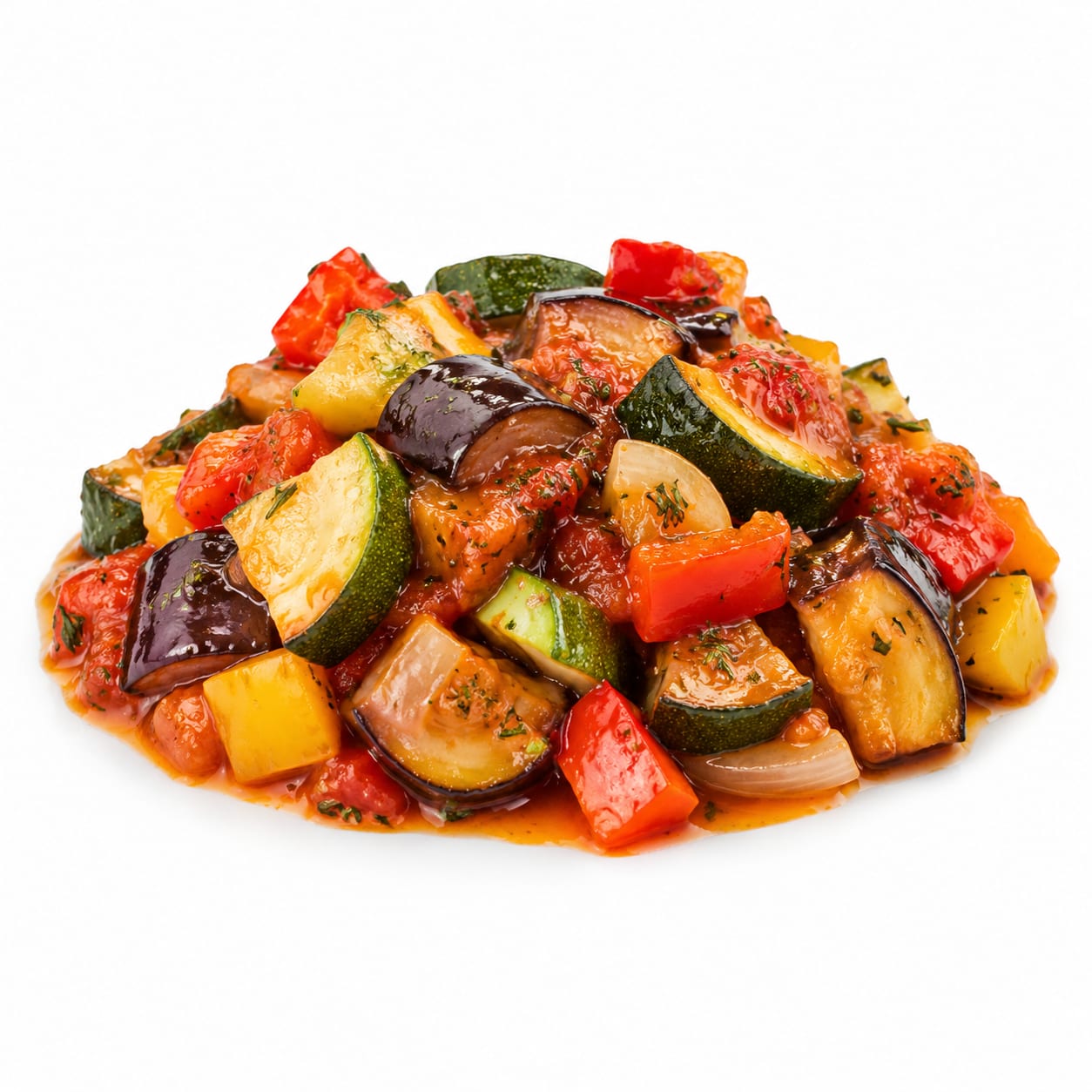
Ratatouille
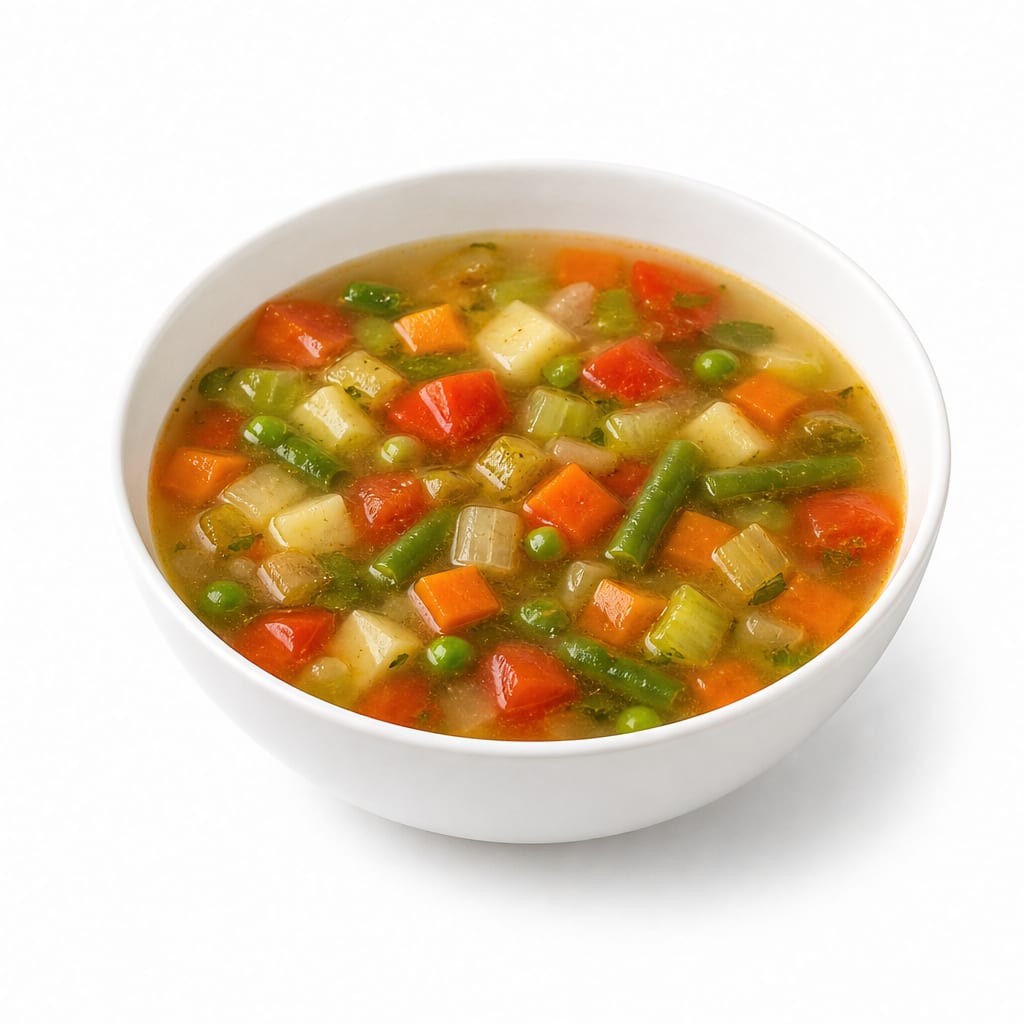
Vegetable Soup
Ratatouille delivers more concentrated nutrition and healthy fats, while vegetable soup offers superior hydration and easier digestion. Choose based on whether you need substance or lightness.
Ratatouille scores slightly higher due to superior nutrient concentration and healthy fat content, but vegetable soup remains competitive through hydration benefits and broader daily usability. The close scores reflect that both are genuinely healthy choices serving different needs.
Ratatouille gives you more nutrients per bite with satisfying healthy fats, but vegetable soup is gentler on the stomach and better for hydration at fewer calories.
At a glance
Executive summary
Overall
It depends
Healthier
It depends
More practical
Vegetable Soup
Daily use
Vegetable Soup
Key comparison lenses
Nutrient density vs hydration balance
Ratatouille concentrates vegetables into a thicker dish while vegetable soup dilutes them in broth, creating a fundamental tradeoff between nutrient concentration and fluid intake
Healthy fat content comparison
Ratatouille traditionally relies on olive oil, adding beneficial monounsaturated fats that vegetable soup typically lacks
Satiety and meal satisfaction
Users choosing between these foods often want to know which will keep them fuller longer and feel more like a complete meal
Digestive comfort and lightness
Soup is often chosen for easy digestion while ratatouille offers more substance, making this a key lifestyle decision point
Sodium and blood pressure considerations
Vegetable soup often contains broth with significant sodium while ratatouille relies more on herbs and olive oil for flavor
Best choice for
Ratatouille
- People needing sustained energy and satiety from a vegetable dish
- Those following Mediterranean diet principles
- Anyone wanting healthy fats alongside their vegetables
- Meal preppers looking for a dish that reheats beautifully
- People seeking a visually impressive vegetable centerpiece
Vegetable Soup
- People recovering from illness needing gentle nutrition
- Anyone focused on hydration alongside nourishment
- Those wanting a low-calorie filling option
- People with sensitive digestion who need easy-to-process meals
- Busy households wanting a quick comforting meal
Least suitable for
Ratatouille
- People watching fat intake closely
- Those needing very low-calorie meals
- Anyone with nightshade sensitivity due to tomatoes and eggplant
- People seeking quick 15-minute meals
Vegetable Soup
- Those needing calorie-dense nutrition
- People looking for healthy fat intake
- Anyone wanting a visually striking dish for entertaining
- Those who find brothy meals unsatisfying
Deep comparison
Dimension by dimension
Each lens scores both foods and breaks down who each option suits.
- Dimension 1 · Priority 90Ratatouille
Nutrient Concentration
Ratatouille · 88Vegetable Soup · 65Ratatouille packs more vitamins and antioxidants per serving because vegetables remain concentrated rather than diluted in broth.
Tradeoff
You get more nutrients per bite with ratatouille, but vegetable soup lets you consume a larger volume of food for fewer calories.
Why it matters
If you eat small portions or have a limited appetite, ratatouille delivers more nutritional value per mouthful.
Real-world impact
A cup of ratatouille provides roughly double the vitamin C and beta-carotene of a cup of vegetable soup because less water dilutes the content.
Ratatouille
- Small appetite eaters needing maximum nutrition per bite
- Those prioritizing antioxidant intake
- People eating fewer meals per day
Better for
- People who overeat when food is calorie-dense
- Those needing strict portion control
Worse for
Vegetable Soup
- Volume eaters who prefer larger portions
- Those who feel satisfied by eating more food volume
- People spreading nutrition across multiple daily meals
Better for
- Anyone with poor appetite needing nutrient density
- People requiring high nutritional intake in small volumes
Worse for
- Dimension 2 · Priority 88Ratatouille
Healthy Fat Profile
Ratatouille · 85Vegetable Soup · 40Ratatouille traditionally uses olive oil, providing heart-healthy monounsaturated fats that vegetable soup typically lacks.
Tradeoff
The olive oil in ratatouille boosts heart health and nutrient absorption but adds significant calories that vegetable soup avoids.
Why it matters
Fat-soluble vitamins like A, D, E, and K require dietary fat for absorption. Ratatouille naturally pairs these vitamins with the fat needed to use them.
Real-world impact
Eating ratatouille with its olive oil helps your body absorb the beta-carotene from tomatoes and peppers far more effectively than eating the same vegetables in fat-free broth.
Ratatouille
- Those following Mediterranean diet patterns
- People wanting to absorb more fat-soluble vitamins from vegetables
- Anyone needing sustained energy from meals
Better for
- People with gallbladder issues limiting fat intake
- Those on acute calorie restriction
Worse for
Vegetable Soup
- People on very low-fat diets for medical reasons
- Those strictly counting calories
- Anyone who gets sufficient healthy fats from other meals
Better for
- Anyone relying on this meal for satiety and energy
- People not getting healthy fats elsewhere in their diet
Worse for
- Dimension 3 · Priority 85Vegetable Soup
Hydration and Digestive Comfort
Ratatouille · 55Vegetable Soup · 92Vegetable soup provides substantial fluid intake and is significantly easier to digest, making it the go-to choice for recovery and gentle nourishment.
Tradeoff
Soup wins on hydration and digestibility but sacrifices the satisfying mouthfeel and substance that ratatouille provides.
Why it matters
Many people are chronically underhydrated, and soup quietly addresses this while nourishing. For upset stomachs or post-illness recovery, broth-based foods are dramatically better tolerated.
Real-world impact
A bowl of vegetable soup can contribute 400-500ml of fluid toward daily hydration needs, while ratatouille contributes minimal water content.
Ratatouille
- People who find watery meals unsatisfying
- Those already well-hydrated who want substance over fluid
Better for
- Anyone with acute digestive distress
- People needing increased fluid intake
Worse for
Vegetable Soup
- Anyone recovering from stomach illness
- Older adults who struggle with hydration
- People after dental work needing soft easy-to-eat food
- Those in hot climates needing extra fluids
Better for
- Those who feel hungry again shortly after brothy meals
- People wanting a dish that feels like a real meal
Worse for
- Dimension 4 · Priority 83Ratatouille
Satiety and Meal Satisfaction
Ratatouille · 82Vegetable Soup · 68Ratatouille keeps you fuller for longer thanks to its healthy fat content, concentrated fiber, and more substantial texture.
Tradeoff
Ratatouille satisfies hunger more effectively but at a higher calorie cost. Vegetable soup fills your stomach temporarily with volume but hunger returns sooner.
Why it matters
Meals that leave you satisfied reduce snacking and overeating later. The fat and fiber combination in ratatouille triggers stronger satiety signals.
Real-world impact
After eating ratatouille, you are likely to feel satisfied for 3-4 hours. After vegetable soup alone, hunger often returns within 1.5-2 hours unless paired with protein or bread.
Ratatouille
- People trying to reduce between-meal snacking
- Those eating fewer meals per day
- Anyone needing sustained afternoon energy
Better for
- People who feel sluggish after rich meals
- Those wanting a light pre-workout option
Worse for
Vegetable Soup
- People who prefer eating smaller meals more frequently
- Those wanting a light dinner before bed
- Anyone practicing intermittent fasting with late meals
Better for
- Anyone prone to late-night hunger after light dinners
- People who snack more when meals feel insubstantial
Worse for
- Dimension 5 · Priority 78Ratatouille
Sodium Load
Ratatouille · 75Vegetable Soup · 55Homemade ratatouille typically contains less sodium than vegetable soup because it relies on olive oil and herbs for flavor rather than broth.
Tradeoff
Ratatouille offers better sodium control naturally, but store-bought versions of either dish can be equally high in salt.
Why it matters
For the 45% of adults with hypertension, sodium content in everyday meals directly affects blood pressure management.
Real-world impact
A typical homemade vegetable soup using commercial broth contains 600-900mg sodium per bowl. Homemade ratatouille often contains 200-400mg per serving unless heavily salted.
Ratatouille
- People with hypertension monitoring sodium
- Those trying to reduce salt intake without sacrificing flavor
- Anyone cooking from scratch who wants easier sodium control
Better for
- People who add excessive salt during cooking
- Those eating pre-made ratatouille from delis
Worse for
Vegetable Soup
- Athletes needing electrolyte replenishment
- People with low blood pressure who benefit from salt
- Anyone using homemade low-sodium broth
Better for
- Anyone using canned or bouillon-based broths
- People with salt-sensitive blood pressure
Worse for
- Dimension 6 · Priority 72Ratatouille
Culinary Versatility
Ratatouille · 86Vegetable Soup · 70Ratatouille works as a side dish, main course, pasta sauce, sandwich filling, or bruschetta topping. Vegetable soup is more limited to being eaten as soup.
Tradeoff
Ratatouille transforms across meals and contexts but requires more cooking skill. Soup is simpler but stays soup.
Why it matters
Foods that adapt to multiple uses reduce meal planning fatigue and make leftovers exciting rather than repetitive.
Real-world impact
Leftover ratatouille can top toast for breakfast, dress pasta for lunch, or fill an omelet for dinner. Leftover soup is still soup the next day.
Ratatouille
- Creative home cooks who enjoy repurposing leftovers
- Those wanting one dish that spans multiple meal types
- People who get bored eating the same thing twice
Better for
- People who prefer straightforward single-use dishes
- Those intimidated by cooking technique
Worse for
Vegetable Soup
- Those who value simplicity and consistency
- People who find comfort in familiar repetitive meals
- Anyone wanting minimal cooking decisions
Better for
- Anyone prone to meal fatigue from repetition
- People who dislike eating the same meal twice
Worse for
Timeline
Health impact over time
Short-term
Hours to days
Ratatouille
- Provides sustained energy without blood sugar spikes due to fat and fiber content
- May feel heavy if eaten in large portions before physical activity
- Promotes fullness that reduces between-meal snacking for 3-4 hours
Vegetable Soup
- Quickly warms and hydrates the body, especially comforting in cold weather
- Hunger may return within 2 hours if eaten as a standalone meal
- Very gentle on the digestive system, unlikely to cause bloating or discomfort
Long-term
Months to years
Ratatouille
- Regular consumption supports heart health through olive oil and antioxidant-rich vegetables
- The combination of fat plus vegetables improves long-term nutrient absorption patterns
- May help establish sustainable vegetable intake because it tastes genuinely satisfying
Vegetable Soup
- Supports consistent hydration habits alongside daily vegetable consumption
- Low calorie density aids long-term weight management when used as a regular meal
- Easy digestibility makes it sustainable for people with chronic digestive sensitivities
Risk profile
Safety & processing
Both dishes are whole-food based when homemade, but vegetable soup carries a higher additive risk because commercial broths often contain hidden MSG, yeast extract, and preservatives that ratatouille recipes typically avoid.
Ratatouille
Nightshade sensitivity reaction
lowRatatouille contains tomatoes, eggplant, and peppers which can trigger joint pain or digestive issues in sensitive individuals. This affects roughly 5-10% of people with autoimmune conditions.
Oil oxidation from reheating
lowRepeated reheating of olive oil in leftover ratatouille can degrade some beneficial compounds, though this poses minimal health risk at home cooking temperatures.
Vegetable Soup
Sodium overconsumption from broth
mediumCommercial broths and bouillon cubes can push a single bowl of vegetable soup past 800mg sodium, which is concerning for those managing blood pressure.
BPA exposure from canned ingredients
lowIf using canned vegetables or broth, BPA from can linings may leach into the soup. Choosing fresh or frozen vegetables and homemade broth eliminates this concern.
Who wins for whom
Audience fit
Same foods, different winners depending on your goal.
children
Vegetable SoupVegetable soup is easier for children to eat and accept due to its mild flavor and soft texture. Ratatouille's stronger herb flavors and chunkier presentation can be a harder sell to picky eaters.
daily consumption
Vegetable SoupVegetable soup is lighter and more adaptable to daily rotation without palate fatigue. Ratatouille's richness makes it better suited for a few times per week rather than daily.
diabetes
RatatouilleThe olive oil in ratatouille slows carbohydrate absorption and stabilizes blood sugar more effectively than the broth-based lighter profile of vegetable soup.
elderly
Vegetable SoupSoup is easier to chew, swallow, and digest, which matters significantly for older adults. It also contributes to hydration, which is a common concern in elderly populations.
muscle gain
It dependsNeither dish is protein-rich enough to support muscle gain alone. Ratatouille pairs better with protein additions due to its texture and flavor, while soup accommodates added chicken or beans more seamlessly.
weight loss
Vegetable SoupVegetable soup provides more volume per calorie, helping you feel full on fewer calories. However, ratatouille may prevent overeating later due to better satiety, making it a close call depending on your eating patterns.
Your move
Decision guide
Choose Ratatouille
- You want a vegetable dish that truly satisfies as a meal rather than just a starter
- Heart health and Mediterranean diet principles are priorities for you
- You enjoy cooking and want a dish that transforms across multiple meals
- You struggle to eat enough vegetables because they feel insubstantial
- You are serving guests and want something visually impressive
Choose Vegetable Soup
- You need gentle, hydrating nourishment during or after illness
- Low-calorie volume eating helps you manage your weight more effectively
- You want something quick and comforting that requires minimal cooking skill
- Digestive sensitivity makes rich or fatty foods uncomfortable
- You live in a hot climate and prefer lighter meals
Either works if
- You simply want to eat more vegetables in any enjoyable form
- Both dishes can be batch-cooked and stored for efficient weekly meal prep
- Neither dish alone constitutes a complete protein meal, so both benefit from pairing with protein sources
Avoid both if
- You need a protein-dense meal and have no additions available
- You are following a very low-fiber diet for acute digestive conditions
- You have specific vegetable allergies present in both dishes such as tomatoes or onions
Final recommendation
Keep both in your rotation. Make ratatouille when you want a satisfying vegetable-forward meal that feels substantial and keeps you full. Make vegetable soup when you need something gentle, hydrating, and light. If forced to pick one for daily use, vegetable soup wins on consistency and comfort, but ratatouille wins on nutritional payoff per bite.
Practical
Consumer tips
- 1
For vegetable soup, use homemade or low-sodium broth to cut sodium by 60% without sacrificing flavor. Add a parmesan rind while simmering for depth instead of salt.
- 2
Make ratatouille in large batches. It improves over 2-3 days as flavors meld, making it perfect for Sunday meal prep that feeds you through Wednesday.
- 3
Boost vegetable soup's staying power by adding a scoop of white beans or lentils. This adds protein and fiber that transforms it from a starter into a complete meal.
- 4
If nightshades bother you in ratatouille, try a green variation with zucchini, green beans, leeks, and fennel cooked in the same olive oil and herb method.
- 5
For both dishes, finishing with a splash of good vinegar or lemon juice at serving brightens all the vegetable flavors and reduces the need for added salt.
- 6
Freeze individual portions of both dishes. Vegetable soup freezes beautifully for up to 3 months, and ratatouille freezes well for up to 2 months without texture loss.