
Nutrition comparison
Ratatouille vs Steamed Vegetables: Which Is Healthier?
Compare Ratatouille and Steamed Vegetables on nutrition, calories, satisfaction, and practical use. Find out which vegetable dish fits your health goals better.
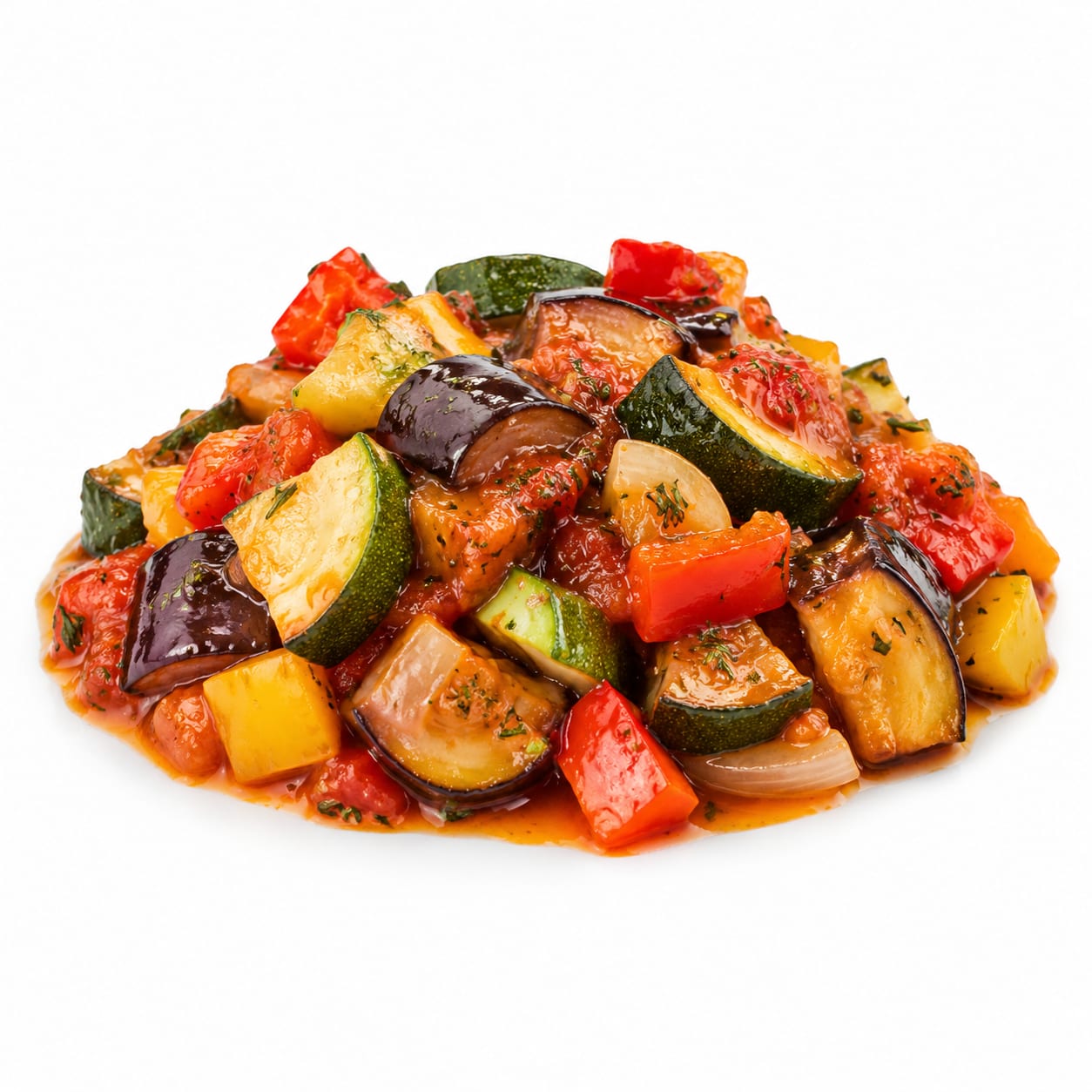
Ratatouille
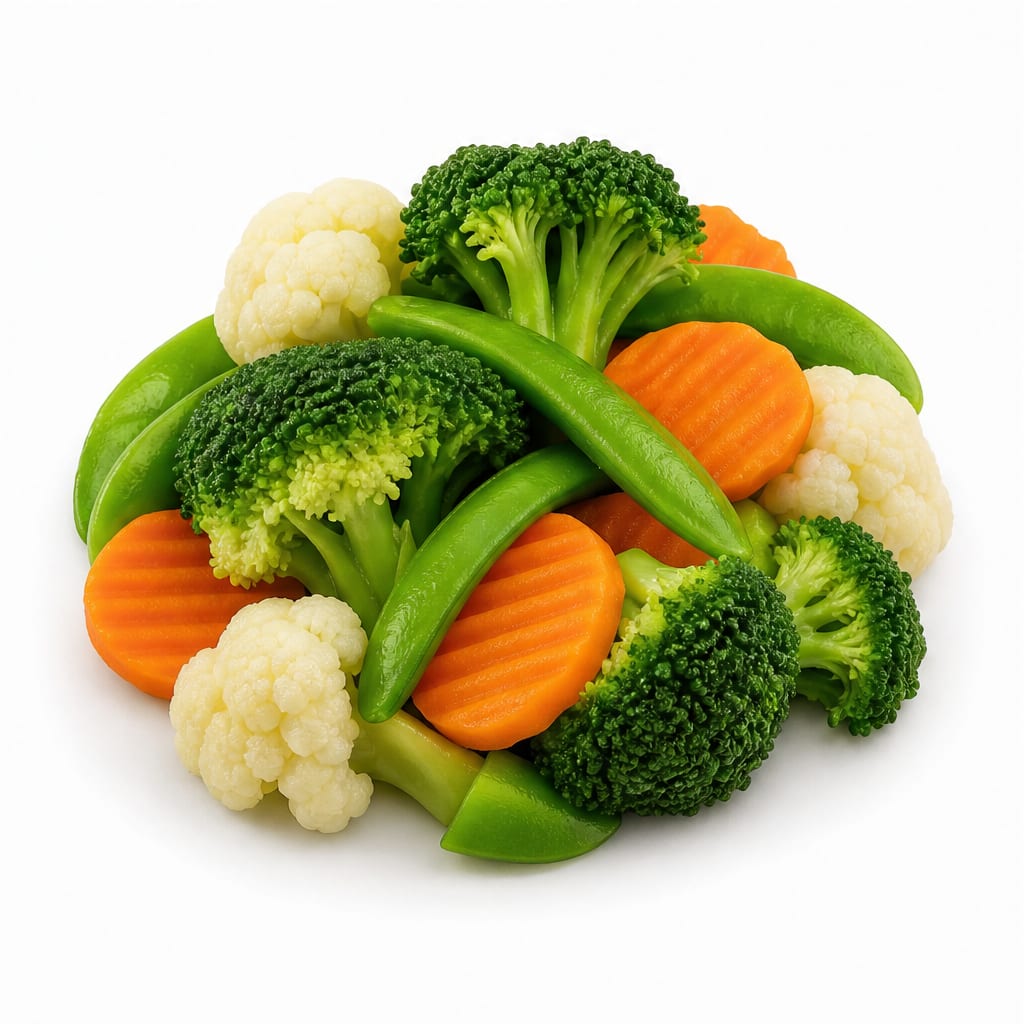
Steamed Vegetables
Ratatouille wins on flavor, satisfaction, and nutrient absorption. Steamed vegetables win on calorie control and simplicity. The better choice depends on whether you prioritize eating enjoyment or strict calorie minimization.
Ratatouille scores slightly higher because its flavor and fat content make a vegetable-heavy diet more sustainable long-term. Steamed vegetables score close behind due to superior calorie control and simplicity. The small gap reflects that both are genuinely healthy choices with different strengths.
Fat and flavor in Ratatouille versus minimal calories and simplicity in steamed vegetables.
At a glance
Executive summary
Overall
It depends
Healthier
It depends
More practical
Steamed Vegetables
Daily use
It depends
Key comparison lenses
Flavor satisfaction vs calorie minimization
The core tension: Ratatouille delivers rich flavor through olive oil and herbs, while steamed vegetables offer maximum calorie control with minimal additions.
Nutrient absorption optimization
Olive oil in Ratatouille significantly boosts absorption of fat-soluble vitamins (A, D, E, K) and antioxidants like lycopene from cooked tomatoes.
Weight management strategy
Users comparing these two options are often deciding between eating enjoyment and strict calorie control.
Meal sustainability and enjoyment
Bland food is harder to stick with long-term, making flavor a practical health factor, not just a luxury.
Preparation effort and convenience
Ratatouille requires more cooking time and technique, while steaming is quick and foolproof.
Best choice for
Ratatouille
- People who find plain vegetables boring and struggle to eat enough of them
- Anyone needing better absorption of fat-soluble vitamins from vegetables
- Those wanting a satisfying vegetable dish that feels like a real meal
- Home cooks who enjoy the process of making food taste great
Steamed Vegetables
- People strictly tracking calories for weight loss
- Anyone recovering from digestive issues who needs gentle, low-fat food
- Those short on time who want vegetables ready in under 10 minutes
- People watching their sodium or fat intake closely
Least suitable for
Ratatouille
- People on very low-fat diets for medical reasons
- Anyone needing ultra-quick meal prep on busy weeknights
- Those strictly counting every calorie who find oil hard to measure accurately
Steamed Vegetables
- People who abandon vegetable-heavy diets because the food tastes bland
- Anyone relying on vegetables as a main dish who needs lasting fullness
- Those with poor fat-soluble vitamin status who need enhanced absorption
Deep comparison
Dimension by dimension
Each lens scores both foods and breaks down who each option suits.
- Dimension 1 · Priority 95Ratatouille
Flavor and Eating Satisfaction
Ratatouille · 92Steamed Vegetables · 45Ratatouille is a flavor powerhouse with layered herbs, garlic, olive oil, and slow-cooked tomatoes. Steamed vegetables taste like what they are: plain vegetables.
Tradeoff
That incredible flavor comes from added olive oil and salt, which add calories and sodium.
Why it matters
People eat vegetables consistently when they enjoy them. Boring food leads to abandoned diets.
Real-world impact
If steamed broccoli makes you dread dinner, you will eventually stop eating it. Ratatouille makes vegetables something you actually look forward to.
Ratatouille
- Long-term diet adherence through enjoyment
- Converting vegetable-averse family members
- Making vegetables the star of a meal rather than an obligation
Better for
- Risk of overeating due to high palatability
- Harder to stop at a reasonable portion
Worse for
Steamed Vegetables
- Developing a taste for natural vegetable flavors
- Avoiding emotional reliance on added fats for palatability
Better for
- Meal fatigue and potential diet abandonment
- Needing to add sauces or dressings anyway, which may be less healthy
Worse for
- Dimension 2 · Priority 88Ratatouille
Nutrient Bioavailability
Ratatouille · 89Steamed Vegetables · 62Olive oil in Ratatouille dramatically improves absorption of vitamins A, E, and K, and lycopene from cooked tomatoes becomes far more available than in raw or plain steamed versions.
Tradeoff
You absorb more nutrients but also consume more calories from the oil that enables that absorption.
Why it matters
Eating nutrients your body cannot absorb is wasteful. Fat-soluble vitamins require dietary fat for utilization.
Real-world impact
A bowl of steamed carrots gives you beta-carotene your body struggles to use. The same carrots in Ratatouille with olive oil deliver significantly more usable vitamin A.
Ratatouille
- Maximizing lycopene from cooked tomatoes
- Absorbing fat-soluble vitamins from all the vegetables
- Getting the most nutritional value per bite
Better for
- Longer cooking time reduces some vitamin C content
- Some water-soluble nutrients are lost in the cooking liquid
Worse for
Steamed Vegetables
- Preserving heat-sensitive nutrients like vitamin C that longer cooking degrades
- Maintaining water-soluble B vitamins that can leach into steaming water
Better for
- Very low fat means poor absorption of vitamins A, D, E, and K
- Without cooking, some antioxidants in tomatoes remain locked in cell walls
Worse for
- Dimension 3 · Priority 85Steamed Vegetables
Calorie and Macronutrient Control
Ratatouille · 55Steamed Vegetables · 93Steamed vegetables are almost pure fiber and micronutrients with minimal calories. Ratatouille adds significant calories from olive oil, making portion control more important.
Tradeoff
Lower calories mean less satiety. You may feel hungrier sooner after steamed vegetables.
Why it matters
For weight loss, calorie density is the dominant factor. But calories that leave you hungry can backfire.
Real-world impact
A large bowl of steamed vegetables might run 120 calories. The same volume of Ratatouille could reach 250-350 calories from oil alone.
Ratatouille
- More satiating due to fat content slowing digestion
- Better at preventing between-meal snacking
Better for
- Oil calories add up fast and are easy to underestimate
- Less room in a calorie budget for protein sources
Worse for
Steamed Vegetables
- Easier to create a calorie deficit
- Larger portions for fewer calories
- More macronutrient flexibility to add protein elsewhere
Better for
- Low satiety may lead to overeating later
- May need to add fat sources anyway for balanced meals
Worse for
- Dimension 4 · Priority 75Steamed Vegetables
Digestive Tolerance
Ratatouille · 65Steamed Vegetables · 85Steamed vegetables are gentler on the digestive system with less fat and simpler preparation. Ratatouille's garlic, onions, and olive oil can trigger sensitivity in some people.
Tradeoff
Gentler digestion means less flavor stimulation and potentially less satisfaction.
Why it matters
For people with IBS, gallbladder issues, or sensitive stomachs, fat and alliums can cause real discomfort.
Real-world impact
If you have gallbladder problems or IBS, the garlic and oil in Ratatouille might cause bloating or pain. Steamed zucchini is far safer.
Ratatouille
- Slow-cooked vegetables may be easier to break down for some people
- Soft texture requires less chewing effort
Better for
- Garlic and onions are common IBS triggers
- Higher fat can slow gastric emptying uncomfortably
Worse for
Steamed Vegetables
- Lower fat is gentler on gallbladder and liver
- No garlic or onions to trigger FODMAP sensitivities
- Less likely to cause acid reflux
Better for
- Cruciferous vegetables steamed can still cause gas
- Lower fat may lead to faster gastric emptying and less sustained comfort
Worse for
- Dimension 5 · Priority 70Steamed Vegetables
Convenience and Preparation
Ratatouille · 40Steamed Vegetables · 90Steaming takes 5-10 minutes with almost no skill required. Ratatouille needs 45-60 minutes of simmering and multiple preparation steps.
Tradeoff
Quick preparation means less depth of flavor and less integration of ingredients.
Why it matters
When you are tired after work, the 5-minute option wins every time. Convenience determines what you actually cook, not what you wish you cooked.
Real-world impact
On a Wednesday night, steamed broccoli is realistic. Ratatouille is a weekend project or requires batch cooking.
Ratatouille
- Excellent for batch cooking and meal prep
- Reheats beautifully and often tastes better the next day
- Freezes well for future meals
Better for
- Too time-consuming for quick weeknight meals
- Multiple pots and pans to wash
- Requires more cooking experience to get right
Worse for
Steamed Vegetables
- Ready in minutes with no recipe needed
- Minimal cleanup with one pot or steamer basket
- No chopping skill required for pre-cut options
Better for
- Does not store as well once steamed
- Gets soggy and unappetizing as leftovers
- Limited to simple side dish role
Worse for
- Dimension 6 · Priority 80Ratatouille
Antioxidant and Anti-inflammatory Profile
Ratatouille · 88Steamed Vegetables · 70Ratatouille combines olive oil, cooked tomatoes, and herbs into an anti-inflammatory powerhouse. The synergy between these ingredients amplifies their individual benefits.
Tradeoff
The antioxidant advantage comes with more calories and longer cooking that reduces some heat-sensitive compounds.
Why it matters
Chronic inflammation drives most modern disease. Food combinations that fight it are worth the extra calories for many people.
Real-world impact
The lycopene in cooked tomatoes plus olive oil plus herbs like thyme and oregano creates an anti-inflammatory effect that plain steamed vegetables cannot match.
Ratatouille
- Lycopene from cooked tomatoes is a potent antioxidant
- Olive oil adds oleocanthal, an anti-inflammatory compound
- Herbs contribute their own antioxidant polyphenols
- Synergistic effects between ingredients amplify benefits
Better for
- Some vitamin C and heat-sensitive antioxidants are lost in long cooking
- Higher calorie cost per unit of antioxidant benefit
Worse for
Steamed Vegetables
- Higher vitamin C content preserved by gentle steaming
- Glucosinolates in steamed cruciferous vegetables support detoxification
Better for
- Lower overall antioxidant density without herbs and oil
- Missing the synergistic boost from combined ingredients
Worse for
Timeline
Health impact over time
Short-term
Hours to days
Ratatouille
- Greater immediate satiety from fat and fiber combination
- Steadier blood sugar due to fat slowing carbohydrate absorption
- Possible digestive discomfort if sensitive to garlic, onions, or fat
Steamed Vegetables
- Light feeling after eating with minimal digestive burden
- Possible hunger returning within 1-2 hours due to low calorie and fat content
- Quick energy from easily digestible carbohydrates without fat slowdown
Long-term
Months to years
Ratatouille
- Better long-term diet adherence due to meal enjoyment
- Improved fat-soluble vitamin status from consistent fat-vegetable pairing
- Potential gradual weight gain if oil portions are not managed
- Stronger anti-inflammatory protection from olive oil and herb synergy
Steamed Vegetables
- Consistent low calorie intake supporting weight maintenance or loss
- Possible nutrient absorption gaps for fat-soluble vitamins if eaten without any fat source
- Diet fatigue risk if meals feel monotonously plain
- Excellent digestive health from high fiber with low fat burden
Risk profile
Safety & processing
Both are whole-food preparations with minimal processing. Ratatouille adds olive oil, salt, and herbs, which are all natural ingredients. Steamed vegetables are as close to unmodified produce as cooking gets. Neither raises processing concerns.
Ratatouille
Oil oxidation from high-heat cooking
lowIf olive oil is heated past its smoke point, it can degrade. Traditional Ratatouille uses gentle simmering, which keeps oil stable. Avoid aggressive high-heat cooking.
Sodium overconsumption
mediumRestaurant and pre-made Ratatouille can be quite salty. Home cooking allows salt control, but recipes often call for generous seasoning.
Steamed Vegetables
Nutrient leaching into steaming water
lowWater-soluble vitamins like C and B can leach into steaming water. This is not a safety issue but reduces nutritional value. Minimal steaming time helps.
Cruciferous goitrogen concern
lowRaw or lightly steamed cruciferous vegetables contain goitrogens that can affect thyroid function in sensitive individuals. Steaming reduces these compounds significantly.
Who wins for whom
Audience fit
Same foods, different winners depending on your goal.
children
RatatouilleGetting kids to eat vegetables is about flavor and texture. Ratatouille's rich, savory taste is far more appealing to most children than plain steamed vegetables. The tomato sauce and soft texture help considerably.
daily consumption
It dependsFor calorie-conscious daily eating, steamed vegetables are safer. For long-term diet sustainability and enjoyment, Ratatouille keeps vegetables interesting day after day. Alternating between both is ideal.
diabetes
RatatouilleThe fat in Ratatouille slows glucose absorption, creating a flatter blood sugar curve. Steamed vegetables alone have minimal carbs, but if eaten as part of a meal, Ratatouille's fat content helps stabilize the overall glycemic response.
elderly
RatatouilleOlder adults often have reduced appetite and need calorie-dense, nutrient-rich foods. Ratatouille delivers more nutrition per bite and its soft texture is easy to chew. Fat-soluble vitamin absorption is especially important for this group.
muscle gain
It dependsNeither is a protein source. Steamed vegetables leave more calorie room for protein foods. Ratatouille provides more calories that could support a bulk, but you would need to add protein to either option.
weight loss
Steamed VegetablesSteamed vegetables provide maximum volume and fiber for minimal calories, making it easier to maintain a deficit. Ratatouille's oil adds calories that can quietly undermine weight loss if portions are not carefully measured.
Your move
Decision guide
Choose Ratatouille
- You find plain vegetables boring and tend to skip them
- You want maximum nutrient absorption from your vegetables
- You are cooking for a family that needs vegetables to taste good
- You have time to batch cook on weekends for the week ahead
- You want an anti-inflammatory eating pattern with real flavor
Choose Steamed Vegetables
- You are strictly tracking calories for weight loss
- You have digestive sensitivities to fat, garlic, or onions
- You need a vegetable side dish ready in under 10 minutes
- You are eating vegetables alongside a fatty main dish anyway
- You prefer simple, clean flavors without added ingredients
Either works if
- You want more vegetables in your diet and will eat whichever you actually prepare
- You are building a balanced plate and need a vegetable component
- You have no specific dietary restrictions and enjoy variety
Avoid both if
- You need a protein-rich main dish, as neither provides meaningful protein
- You are looking for a grab-and-go snack, as both require preparation and utensils
Final recommendation
Make Ratatouille when you have time and want vegetables to be the highlight of your meal. Steam vegetables when you need something quick, light, and low-calorie to accompany a protein. The best strategy is often both: batch cook Ratatouille for satisfying meals, and keep steaming as your quick weekday fallback. If you always choose steamed vegetables but find yourself reaching for snacks an hour later, switch to Ratatouille. The fat that adds calories also adds staying power that prevents overeating later.
Practical
Consumer tips
- 1
Make a large batch of Ratatouille on Sunday and portion it for the week. It reheats beautifully and often tastes better on day two.
- 2
If steamed vegetables feel too plain, add a drizzle of olive oil and lemon juice after cooking. You get some flavor benefit with far less oil than Ratatouille.
- 3
Use Ratatouille as a sauce over fish or chicken to turn a lean protein into a complete, satisfying meal.
- 4
For the lowest calorie Ratatouille possible, reduce olive oil to one tablespoon and use vegetable broth for moisture instead.
- 5
If you steam vegetables, save the steaming liquid. It contains leached vitamins and makes a great base for soup.
- 6
Pair steamed vegetables with a handful of nuts or a slice of avocado to get the fat needed for vitamin absorption without a long cooking process.
- 7
Freeze individual portions of Ratatouille in mason jars for instant healthy lunches.
- 8
Roasting vegetables is a middle ground between these two options: more flavor than steaming, less oil than Ratatouille.