
Nutrition comparison
Ratatouille vs Shakshuka: Which Mediterranean Dish Is Healthier?
Compare Ratatouille and Shakshuka nutrition — protein, calories, satiety, and meal versatility. Find out which Mediterranean favorite fits your health goals better.
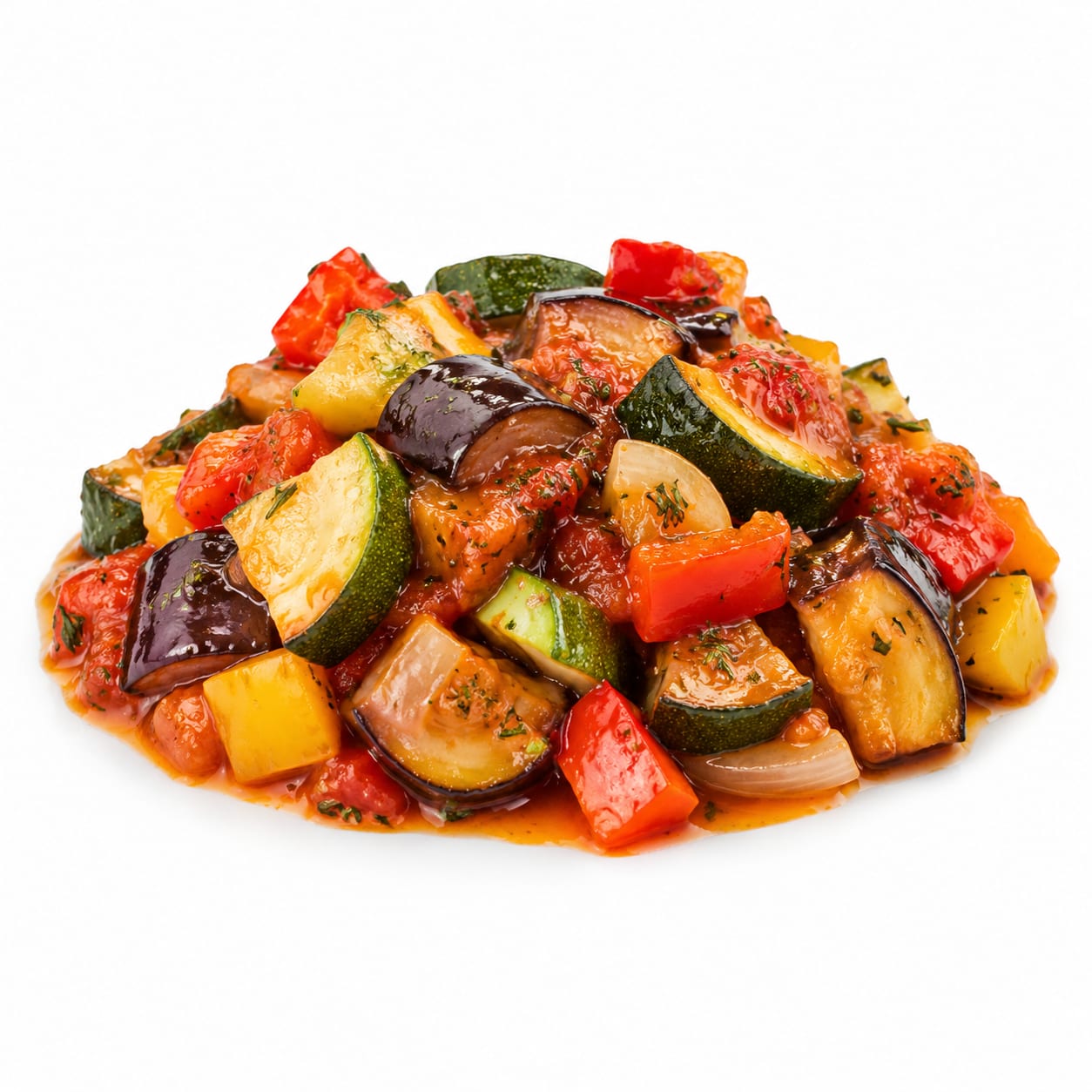
Ratatouille
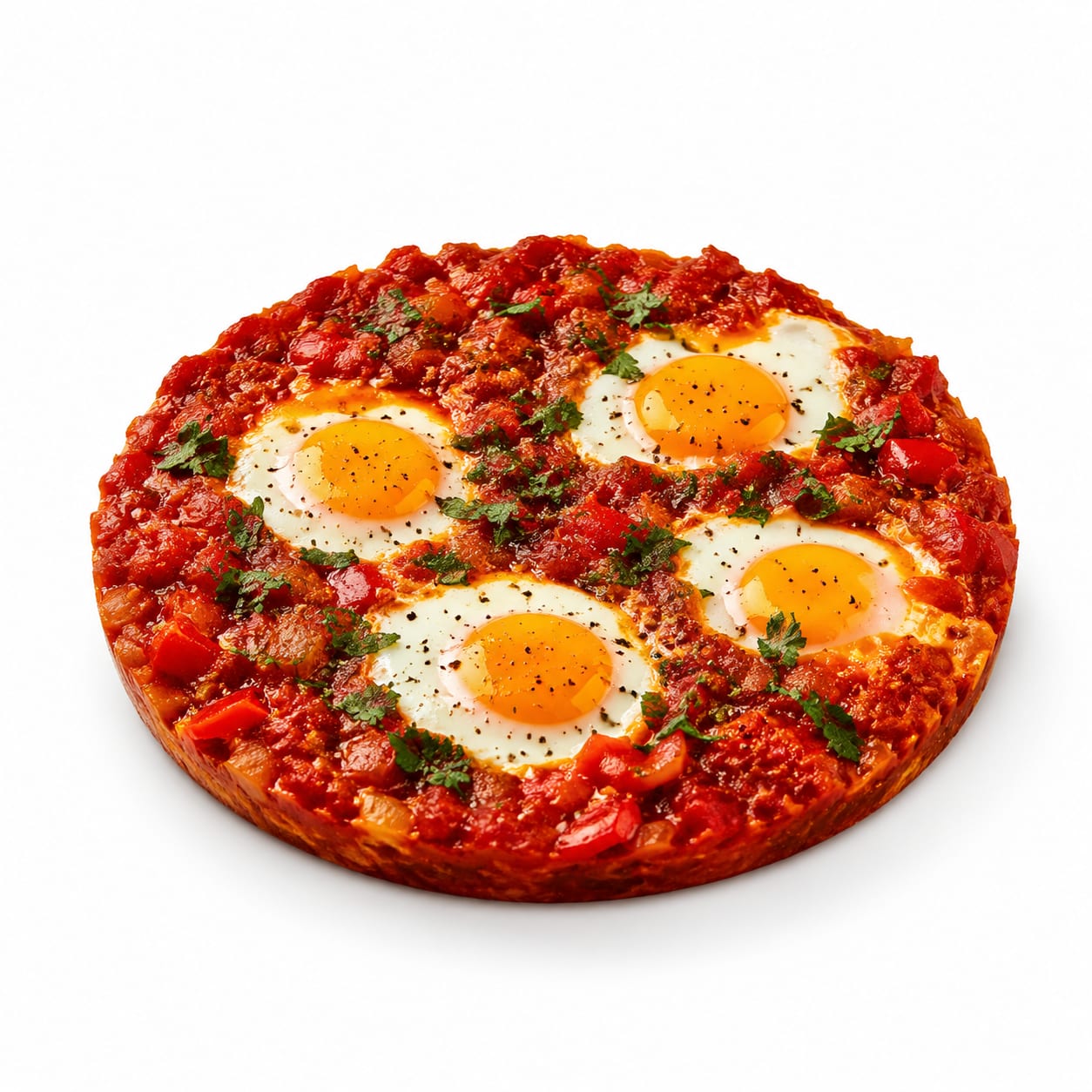
Shakshuka
Ratatouille is the lighter, plant-powered option; Shakshuka is the more filling, protein-rich meal. Your pick depends on whether you need low calories or lasting fullness.
Shakshuka edges ahead due to protein content and meal completeness, but Ratatouille's low calorie density and plant-based purity keep it competitive for specific goals.
Calorie density versus satiety power — Ratatouille fills your plate without filling your calorie budget, while Shakshuka fills your stomach for hours.
At a glance
Executive summary
Overall
It depends
Healthier
It depends
More practical
Shakshuka
Daily use
It depends
Key comparison lenses
protein and satiety comparison
Shakshuka's eggs provide substantial protein while Ratatouille is nearly protein-free, making this the most impactful nutritional difference
weight management and calorie density
Ratatouille is dramatically lower in calories per serving, appealing to anyone watching intake
meal completeness vs side dish role
Shakshuka works as a standalone meal; Ratatouille typically needs accompaniment to feel satisfying
plant based diet compatibility
Ratatouille is naturally vegan while Shakshuka centers on eggs, a key decision factor for many
blood sugar stability
The protein and fat in Shakshuka slow glucose absorption, while Ratatouille's carb-heavy profile may spike blood sugar faster when eaten alone
Best choice for
Ratatouille
- People counting calories or managing weight
- Vegans and plant-based eaters
- Anyone wanting a light side dish for heavier mains
- Those watching cholesterol intake
- People eating multiple small meals per day
Shakshuka
- Anyone needing a complete, satisfying meal in one pan
- Breakfast or brunch seekers wanting lasting energy
- People focused on protein intake without meat
- Those who tend to snack soon after light meals
- Active individuals needing sustained fuel
Least suitable for
Ratatouille
- People needing high protein per meal
- Anyone seeking a standalone meal without additions
- Those who get hungry soon after vegetable-heavy dishes
- Egg lovers wanting breakfast-style satisfaction
Shakshuka
- Vegans and strict plant-based eaters
- People with egg allergies or sensitivities
- Anyone strictly limiting dietary cholesterol
- Those wanting an ultra-light evening meal
Deep comparison
Dimension by dimension
Each lens scores both foods and breaks down who each option suits.
- Dimension 1 · Priority 95Shakshuka
Protein and Satiety
Ratatouille · 25Shakshuka · 82Shakshuka delivers roughly 12-16g protein per serving from eggs; Ratatouille provides under 3g. This gap defines how long each dish keeps you full.
Tradeoff
You trade away significant protein and lasting fullness when choosing Ratatouille alone, but gain a lighter eating experience.
Why it matters
Protein is the single biggest driver of meal satisfaction. Without it, you are more likely to reach for snacks within an hour or two.
Real-world impact
A Shakshuka breakfast can carry you to lunch. A Ratatouille lunch may leave you hunting for a snack by mid-afternoon.
Ratatouille
- Light eaters who prefer small frequent meals
- Anyone pairing it with a protein source like beans or chicken
Better for
- Athletes or gym-goers needing recovery protein
- People prone to afternoon energy crashes
Worse for
Shakshuka
- People who skip snacks between meals
- Anyone trying to hit daily protein targets
- Breakfast eaters needing hours of energy
Better for
- Those who find eggs heavy in the morning
- People wanting a light pre-bed meal
Worse for
- Dimension 2 · Priority 90Ratatouille
Calorie Density and Weight Management
Ratatouille · 92Shakshuka · 65Ratatouille typically runs 120-180 calories per generous serving. Shakshuka lands around 220-300 calories due to eggs and olive oil.
Tradeoff
Ratatouille lets you eat a large volume for few calories. Shakshuka costs more calories but pays you back in fullness.
Why it matters
If your primary goal is weight loss, volume eating with low-calorie dishes can be a powerful strategy — but only if it actually keeps you satisfied.
Real-world impact
You can eat a massive bowl of Ratatouille and still have room in your calorie budget. With Shakshuka, portion awareness matters more.
Ratatouille
- Calorie counters and volume eaters
- Anyone replacing a higher-calorie dinner side
- People who feel psychologically satisfied by large portions
Better for
- Those who find large low-calorie meals unsatisfying
- People who end up compensating with snacks
Worse for
Shakshuka
- People who prefer smaller portions that stick with them
- Anyone finding that low-calorie meals trigger overeating later
Better for
- Strict calorie counters at every meal
- People trying to cut dietary fat intake
Worse for
- Dimension 3 · Priority 82It depends
Nutrient Diversity and Micronutrients
Ratatouille · 85Shakshuka · 80Ratatouille offers broader vegetable diversity with eggplant, zucchini, peppers, and tomatoes. Shakshuka provides choline, B12, and vitamin D from eggs alongside tomatoes and peppers.
Tradeoff
Ratatouille wins on sheer variety of plant phytonutrients. Shakshuka wins on nutrients only found in animal foods.
Why it matters
Dietary diversity is strongly linked to better gut health and disease prevention. Both dishes deliver, but through different nutrient pathways.
Real-world impact
Ratatouille feeds your gut microbiome with diverse plant fibers. Shakshuka supports brain health and cell membranes through choline and B-vitamins.
Ratatouille
- Gut health optimizers seeking fiber diversity
- People falling short on vegetable variety
- Anyone eating limited plant types overall
Better for
- Anyone relying on it as a sole nutrient source
- People deficient in B12 or choline
Worse for
Shakshuka
- People low on choline or B12
- Pregnant women needing folate and choline support
- Those who do not eat many animal-sourced nutrients
Better for
- Those already eating plenty of eggs elsewhere in their diet
- People needing more fiber variety
Worse for
- Dimension 4 · Priority 78Shakshuka
Blood Sugar Stability
Ratatouille · 55Shakshuka · 78Shakshuka's eggs provide fat and protein that slow sugar absorption from tomatoes. Ratatouille eaten alone is mostly carbs with minimal protein or fat to buffer glucose impact.
Tradeoff
Ratatouille can cause a quicker blood sugar rise when eaten solo. Adding a protein side levels the playing field.
Why it matters
Steady blood sugar means steadier energy, fewer cravings, and better mood throughout the day.
Real-world impact
Eat Ratatouille by itself and you might feel a brief energy lift followed by a dip. Shakshuka delivers a slower, more even energy curve.
Ratatouille
- Anyone pairing it with protein-rich sides
- Active people burning through carbs quickly
Better for
- Diabetics eating it as a standalone meal
- Sedentary people sensitive to carb loads
Worse for
Shakshuka
- People with insulin resistance or prediabetes
- Anyone prone to energy crashes after meals
- Breakfast eaters needing stable morning energy
Better for
- Those sensitive to dietary fat at breakfast
- People who find eggs slow digestion uncomfortably
Worse for
- Dimension 5 · Priority 75Shakshuka
Meal Versatility and Practicality
Ratatouille · 68Shakshuka · 80Shakshuka is a complete one-pan meal that works as breakfast, lunch, or dinner. Ratatouille shines as a side but rarely stands alone without additions.
Tradeoff
Ratatouille is more flexible as a component — it pairs with anything. Shakshuka is more self-contained but less mixable into other meals.
Why it matters
In real life, meals that work without extra effort are the ones you actually cook repeatedly.
Real-world impact
Shakshuka is a lazy dinner hero: one pan, done. Ratatouille often means also cooking grains, protein, or bread to feel complete.
Ratatouille
- Meal preppers wanting a versatile vegetable base
- People who enjoy building multi-component plates
- Anyone serving a crowd with diverse mains
Better for
- Anyone too tired to cook multiple components
- People wanting a single-dish solution
Worse for
Shakshuka
- Busy cooks wanting one-pan satisfaction
- Breakfast and brunch hosts
- People who hate washing multiple pans
Better for
- Cooks wanting a neutral side that pairs with anything
- People who find one-pan meals monotonous over time
Worse for
- Dimension 6 · Priority 70Ratatouille
Digestive Comfort
Ratatouille · 78Shakshuka · 65Ratatouille is gentler on most stomachs — cooked vegetables with mild herbs. Shakshuka's spices and eggs can trigger reflux or sensitivity in some people.
Tradeoff
Ratatouille feels lighter and easier to digest for most. Shakshuka's spices add flavor but can irritate sensitive stomachs, especially at breakfast.
Why it matters
A meal that sits well matters more than nutrition stats if it causes discomfort.
Real-world impact
Ratatouille is a safe choice before bed or for sensitive digestion days. Shakshuka is best when your stomach is ready for bold flavors.
Ratatouille
- People with acid reflux or GERD
- Anyone eating late at night
- Those with spice sensitivity
Better for
- Anyone wanting bold, stimulating flavors to wake up their palate
Worse for
Shakshuka
- People with robust digestion who enjoy bold flavors
- Morning eaters who tolerate spices well
Better for
- People with morning nausea or reflux
- Those sensitive to cumin, paprika, or chili
Worse for
Timeline
Health impact over time
Short-term
Hours to days
Ratatouille
- Light, comfortable fullness without heaviness
- Possible hunger returning within 1-2 hours if eaten alone
- Gentle energy from natural vegetable carbohydrates
- Easy on digestion with minimal bloating risk
Shakshuka
- Sustained fullness lasting 3-4 hours from eggs and fat
- Steadier energy without sharp crashes
- Possible warmth or mild heartburn from spices in sensitive individuals
- More satisfying mouthfeel and eating experience
Long-term
Months to years
Ratatouille
- Excellent cardiovascular support from diverse antioxidants and fiber
- Very low risk of weight gain with regular consumption
- Potential nutrient gaps if relied on as a primary dish without protein additions
- Strong gut health benefits from varied plant fibers
Shakshuka
- Consistent protein intake supporting muscle maintenance and satiety
- Choline from eggs supports brain health long-term
- Dietary cholesterol from eggs may need monitoring for sensitive individuals
- Anti-inflammatory benefits from lycopene in cooked tomatoes combined with olive oil
Risk profile
Safety & processing
Both dishes are whole-food preparations made from scratch with fresh vegetables, eggs, olive oil, and spices. Neither involves ultra-processing, preservatives, or artificial additives when prepared traditionally.
Ratatouille
Nightshade sensitivity
lowRatatouille contains multiple nightshades — tomatoes, eggplant, peppers — which can trigger joint pain or inflammation in sensitive individuals.
Oil oxidation from reheating
lowLeftover ratatouille reheated multiple times may degrade the olive oil quality. Store and reheat gently to preserve fats.
Shakshuka
Undercooked eggs
mediumShakshuka features runny yolks by design. Use fresh, high-quality eggs and avoid if pregnant or immunocompromised.
Canned tomato BPA exposure
lowMany shakshuka recipes use canned tomatoes. Choose BPA-free cans or carton-packed tomatoes to reduce exposure.
Who wins for whom
Audience fit
Same foods, different winners depending on your goal.
children
ShakshukaKids benefit from the protein, choline, and B-vitamins in eggs, and the fun dippable bread format. Mild the spice level for younger palates.
daily consumption
It dependsRatatouille works daily as a side or light meal with minimal concerns. Shakshuka is fine daily for most people but those watching cholesterol may want to alternate days.
diabetes
ShakshukaThe protein and fat in Shakshuka slow carbohydrate absorption from tomatoes, leading to more stable blood sugar than Ratatouille alone.
elderly
RatatouilleRatatouille is softer, easier to digest, lower in cholesterol, and provides gentle fiber. The lighter profile suits slower metabolisms and sensitive digestion.
muscle gain
ShakshukaShakshuka provides complete protein with all essential amino acids from eggs, directly supporting muscle repair and growth.
weight loss
RatatouilleRatatouille's extremely low calorie density allows large satisfying portions without budget stress, though adding a protein source prevents later overeating.
Your move
Decision guide
Choose Ratatouille
- You are counting calories or trying to lose weight
- You eat plant-based or vegan
- You want a versatile vegetable side that pairs with anything
- You have acid reflux or spice sensitivity
- You prefer light meals that do not leave you feeling heavy
Choose Shakshuka
- You need a complete one-pan meal with lasting fullness
- You want a satisfying high-protein breakfast or brunch
- You are not getting enough protein from plant sources alone
- You enjoy bold, warming spices and rich flavors
- You tend to get hungry soon after vegetable-only meals
Either works if
- You are simply craving a warm, comforting vegetable-forward dish
- You want something nutritious and homemade without ultra-processed ingredients
- You are cooking for someone and want a crowd-pleasing option
Avoid both if
- You have severe nightshade intolerance — both rely heavily on tomatoes and peppers
- You need a quick no-cook meal — both require stovetop time
- You are looking for a high-protein, low-fat option — neither fits that narrow profile
Final recommendation
Let your hunger level and schedule decide. Need a light side or a calorie-friendly plate? Ratatouille is your friend. Need a meal that holds you for hours with zero extra cooking? Shakshuka wins. The smartest move: keep both in rotation — Ratatouille as your vegetable-packed side, Shakshuka as your satisfying standalone meal.
Practical
Consumer tips
- 1
Pair Ratatouille with white beans, lentils, or a poached egg to close the protein gap and make it a complete meal
- 2
Use BPA-free canned tomatoes for Shakshuka to reduce chemical exposure
- 3
Make a large batch of Ratatouille on Sunday — it reheats beautifully and tastes even better the next day
- 4
Go easy on olive oil in both dishes — calories add up fast when you are generous with the pour
- 5
If cholesterol is a concern, use one whole egg plus two whites per serving in Shakshuka
- 6
Freeze leftover Ratatouille in portions for quick weeknight sides — it freezes better than Shakshuka
- 7
Add a pinch of sugar to Shakshuka sauce if your tomatoes are too acidic — it balances the flavor without much added sugar