
Nutrition comparison
Ratatouille vs Pasta Primavera: Which Vegetable Dish Is Healthier?
Compare ratatouille and pasta primavera on calories, blood sugar impact, satiety, and nutrition. Find out which dish fits your health goals and when to choose each.
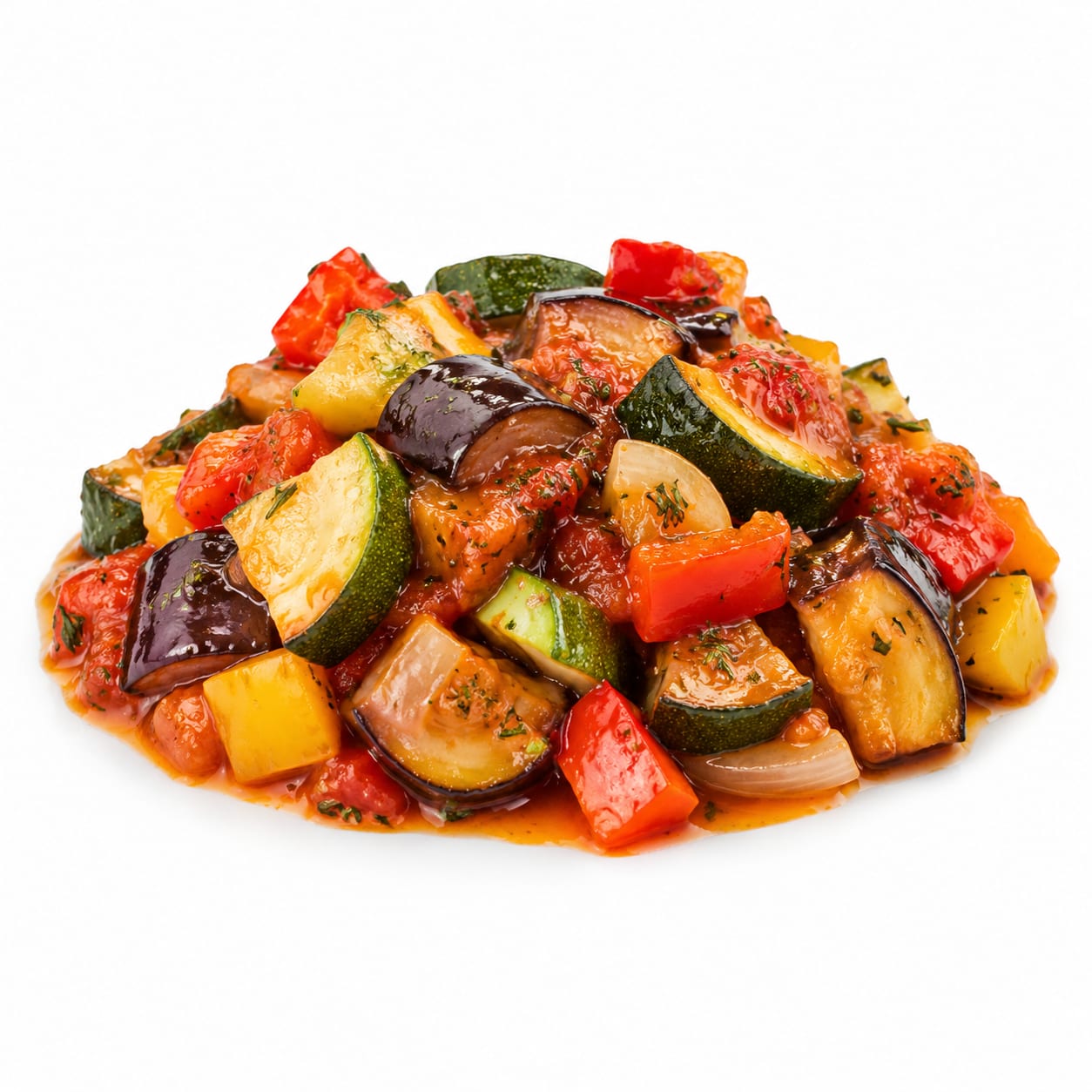
Ratatouille
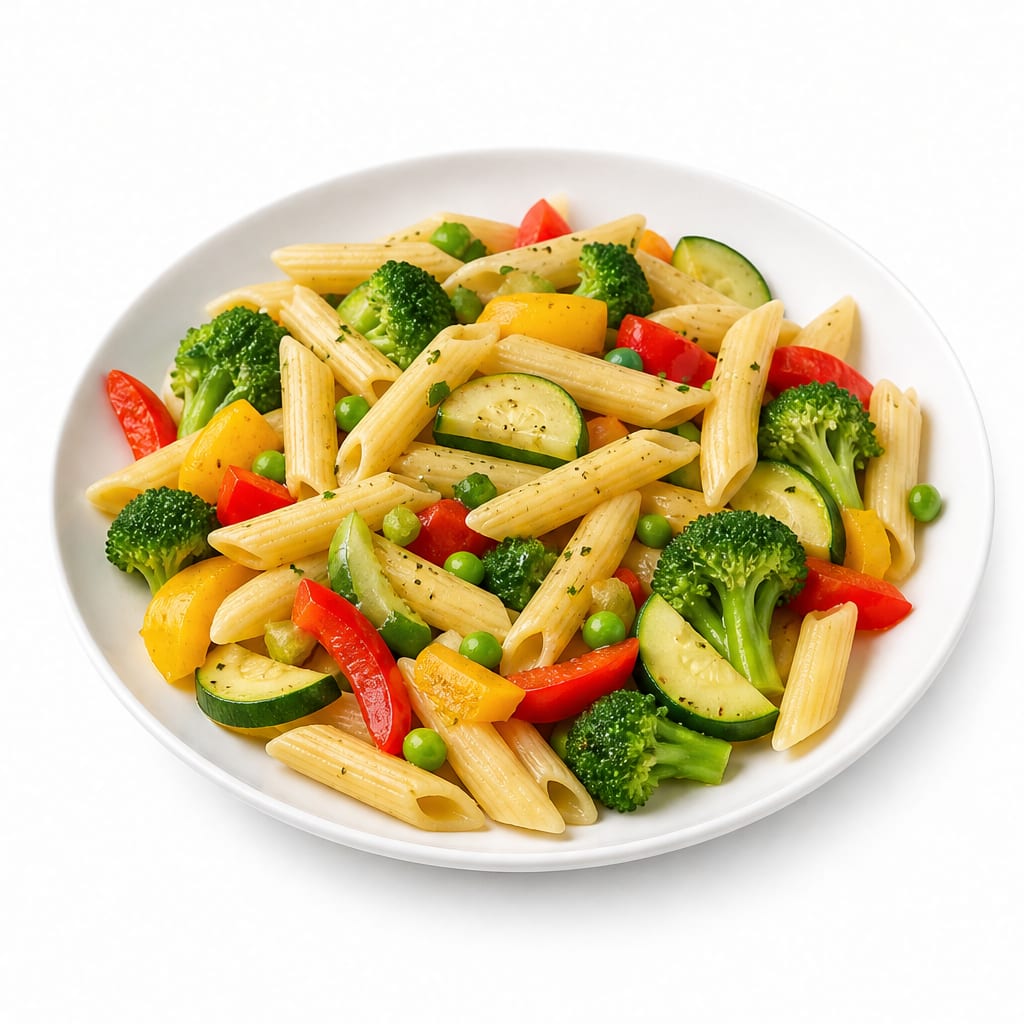
Pasta Primavera
Ratatouille delivers far more nutrition per calorie, but Pasta Primavera satisfies hunger longer and feels like a real meal.
Ratatouille scores higher for health outcomes but lower for satiety and practicality. Pasta Primavera is more satisfying but carries the metabolic cost of refined carbs and higher calories.
Nutrient density and blood sugar stability versus satiety and meal satisfaction.
At a glance
Executive summary
Overall
It depends
Healthier
Ratatouille
More practical
Pasta Primavera
Daily use
It depends
Key comparison lenses
low carb vs comfort carb
Ratatouille is vegetable-only while Pasta Primavera adds pasta, making carb load the central tradeoff
weight management
Calorie density differs dramatically between a pure vegetable stew and a pasta-based dish
blood sugar control
Refined pasta spikes blood sugar; ratatouille keeps it steady
nutrient density per calorie
Users choosing between these want to know if the pasta is worth the nutritional cost
meal completeness
Pasta Primavera feels like a complete meal; Ratatouille often needs accompaniment
Best choice for
Ratatouille
- People managing blood sugar or insulin resistance
- Anyone counting calories or trying to lose weight
- Low-carb and keto-adjacent eaters
- Those wanting maximum vegetable intake
Pasta Primavera
- Active people needing sustained energy
- Families wanting one-dish meals kids will eat
- Anyone who finds vegetable-only dishes unsatisfying
- Post-workout recovery meals
Least suitable for
Ratatouille
- People who need high-calorie meals to maintain weight
- Those who feel hungry shortly after vegetable-only dishes
- Anyone seeking quick comfort food satisfaction
Pasta Primavera
- People with diabetes or insulin resistance
- Those strictly limiting refined carbohydrates
- Anyone monitoring calorie density closely
Deep comparison
Dimension by dimension
Each lens scores both foods and breaks down who each option suits.
- Dimension 1 · Priority 95Ratatouille
calorie_density
Ratatouille · 92Pasta Primavera · 48Ratatouille has roughly one-third the calories per serving of Pasta Primavera.
Tradeoff
Lower calories mean you can eat a larger volume, but you may feel hungry sooner.
Why it matters
For weight management, calorie density is the single strongest predictor of success.
Real-world impact
A generous bowl of ratatouille runs 150-200 calories. Pasta Primavera easily hits 450-600.
Ratatouille
- Weight loss
- Volume eating
- Calorie budgeting
Better for
- Hard to eat enough calories without adding sides
Worse for
Pasta Primavera
- Weight maintenance
- Active lifestyles
- Feeling full after one plate
Better for
- Easy to overeat without realizing it
Worse for
- Dimension 2 · Priority 92Ratatouille
blood_sugar_stability
Ratatouille · 90Pasta Primavera · 45Ratatouille keeps blood sugar flat. Pasta Primavera causes a noticeable spike followed by a dip.
Tradeoff
Steady energy versus the short-lived satisfaction of a carb rush.
Why it matters
Blood sugar crashes drive cravings, fatigue, and overeating later in the day.
Real-world impact
After Pasta Primavera, you may feel sleepy at your desk by 3pm. Ratatouille avoids that crash entirely.
Ratatouille
- Diabetes management
- Steady afternoon energy
- Craving control
Better for
- Not useful for carb-loading needs
Worse for
Pasta Primavera
- Quick energy before exercise
- Replenishing glycogen after activity
Better for
- Insulin spikes
- Post-meal energy crashes
- Late-day hunger rebound
Worse for
- Dimension 3 · Priority 90Ratatouille
nutrient_density
Ratatouille · 94Pasta Primavera · 58Ratatouille packs more vitamins, minerals, and antioxidants per bite because there is no pasta diluting the vegetables.
Tradeoff
Maximum nutrition versus a more balanced macronutrient profile.
Why it matters
Nutrient density determines how much your body gets from each calorie you spend.
Real-world impact
Every serving of ratatouille delivers a full spectrum of phytonutrients. Pasta Primavera gives you roughly half the vegetable concentration.
Ratatouille
- Antioxidant intake
- Fiber per calorie
- Vitamin C and potassium
Better for
- Low in protein without additions
Worse for
Pasta Primavera
- B-vitamins from enriched pasta
- More balanced macronutrients
Better for
- Pasta displaces vegetable volume
- Fewer phytonutrients per serving
Worse for
- Dimension 4 · Priority 88Pasta Primavera
satiety_and_fullness
Ratatouille · 55Pasta Primavera · 82Pasta Primavera keeps you full longer because the pasta adds bulk, calories, and slower gastric emptying.
Tradeoff
Longer-lasting fullness comes with more calories and a blood sugar spike.
Why it matters
If a meal does not satisfy you, you snack later, which often negates the calorie savings.
Real-world impact
Ratatouille alone may leave you scavenging the kitchen an hour later. Pasta Primavera typically holds you for 3-4 hours.
Ratatouille
- Light eaters who prefer small meals
Better for
- May require bread or protein to feel complete
Worse for
Pasta Primavera
- One-plate meal satisfaction
- Longer gap between meals
- Reduced snacking urge
Better for
- Heavy feeling if you overeat
Worse for
- Dimension 5 · Priority 82Ratatouille
fiber_quality
Ratatouille · 88Pasta Primavera · 60Ratatouille delivers more fiber per calorie from diverse vegetables. Pasta Primavera adds some fiber but much of it comes from refined wheat.
Tradeoff
Higher total fiber versus more fiber variety but diluted by pasta.
Why it matters
Fiber from multiple vegetable sources feeds a wider range of gut bacteria.
Real-world impact
Ratatouille supports better digestion and gut health over time. Pasta Primavera contributes fiber but less effectively.
Ratatouille
- Gut microbiome diversity
- Digestive regularity
- Soluble fiber from eggplant and tomatoes
Better for
- Total fiber grams may be modest without large portions
Worse for
Pasta Primavera
- Whole wheat versions can close the gap
Better for
- Refined pasta fiber is less beneficial
- Less vegetable diversity per bite
Worse for
- Dimension 6 · Priority 75Pasta Primavera
versatility_and_pairing
Ratatouille · 70Pasta Primavera · 78Pasta Primavera is a complete standalone meal. Ratatouille shines as a side or needs thoughtful pairing.
Tradeoff
Standalone convenience versus flexible ingredient in other dishes.
Why it matters
Meals that require less assembly are easier to stick with long-term.
Real-world impact
Pasta Primavera is dinner in one bowl. Ratatouille often needs quinoa, eggs, or chicken to feel like a full meal.
Ratatouille
- Works as a topping for grain bowls
- Great as a side for protein
- Delicious cold as a leftover
Better for
- Rarely satisfying alone
- Requires meal planning around it
Worse for
Pasta Primavera
- One-dish meal convenience
- Kid-friendly format
- Easy to serve at gatherings
Better for
- Less flexible as an ingredient in other dishes
Worse for
Timeline
Health impact over time
Short-term
Hours to days
Ratatouille
- Light, clean energy without a crash
- May feel hungry within 1-2 hours if eaten alone
- Easy on digestion, low bloating risk
Pasta Primavera
- Immediate satisfaction and fullness
- Possible post-meal drowsiness from carb load
- Can feel heavy if portion is large
Long-term
Months to years
Ratatouille
- Supports healthy weight maintenance effortlessly
- High antioxidant intake may reduce inflammation
- Consistent blood sugar control reduces diabetes risk
Pasta Primavera
- Frequent consumption may contribute to gradual weight gain
- Refined carb habit increases metabolic syndrome risk over time
- Vegetable content still provides meaningful health benefits
Risk profile
Safety & processing
Ratatouille uses only whole vegetables, olive oil, and herbs. Pasta Primavera adds pasta, which is a processed grain product, though not ultra-processed. Both dishes are relatively clean compared to most restaurant options.
Ratatouille
Pesticide residue on conventional vegetables
mediumEggplant and bell peppers often carry pesticide residues. Washing helps but does not eliminate all exposure.
Solanine sensitivity from eggplant
lowSome people are sensitive to nightshades and may experience joint discomfort or digestive upset.
Pasta Primavera
Gluten exposure from wheat pasta
mediumProblematic for those with celiac disease or gluten sensitivity. Gluten-free pasta alternatives exist but change the nutritional profile.
Pesticide residue on vegetables
mediumSame concern as ratatouille, though vegetable content per serving is lower.
Who wins for whom
Audience fit
Same foods, different winners depending on your goal.
children
Pasta PrimaveraKids generally accept pasta more readily than a vegetable stew, making it an easier way to get some vegetables into them.
daily consumption
It dependsRatatouille is healthier daily but may feel monotonous without pairing creativity. Pasta Primavera offers more satisfaction but is best limited to a few times per week due to refined carbs.
diabetes
RatatouilleNo refined carbohydrates means minimal blood sugar impact. Pasta Primavera would require portion control and possibly whole wheat pasta.
elderly
RatatouilleLower calorie density, higher nutrient concentration, and easier digestion make ratatouille more appropriate for slower metabolisms.
muscle gain
Pasta PrimaveraPasta Primavera provides more calories and carbohydrates needed to fuel training and recovery, though neither dish is protein-rich.
weight loss
RatatouilleRatatouille delivers maximum food volume and nutrition at minimal calorie cost, making it far easier to maintain a deficit.
Your move
Decision guide
Choose Ratatouille
- You want to lose weight or maintain a low calorie intake
- Blood sugar control is a priority for you
- You enjoy cooking and pairing dishes together
- You want maximum vegetable nutrition per bite
- You are eating light before or after a heavy day of eating
Choose Pasta Primavera
- You need a satisfying one-plate meal that holds you for hours
- You are feeding a family that expects pasta at the table
- You are physically active and need carbohydrate fuel
- You want comfort food that still includes vegetables
- You are meal-prepping for busy weekdays and need simplicity
Either works if
- You want a vegetable-forward meal and are flexible on format
- You are comfortable adjusting portions to meet your goals
- You plan to add a protein source to either dish
Avoid both if
- You need a high-protein meal, as neither delivers significant protein
- You are looking for a quick 10-minute meal, as both require substantial prep
Final recommendation
Eat ratatouille when health is the top priority and you can pair it with protein or grains. Choose Pasta Primavera when you need comfort and satisfaction, ideally with whole wheat pasta to narrow the nutritional gap. Both are far better choices than most restaurant pasta dishes.
Practical
Consumer tips
- 1
Pair ratatouille with a poached egg or grilled chicken to make it a complete meal
- 2
Use whole wheat or chickpea pasta in Pasta Primavera to boost fiber and protein
- 3
Make a large batch of ratatouille and repurpose it over quinoa, on toast, or alongside fish throughout the week
- 4
Go heavy on the vegetables and light on the pasta in Pasta Primavera to get the best of both worlds
- 5
Choose organic bell peppers and eggplant when possible to reduce pesticide exposure
- 6
Add white beans to ratatouille for plant-based protein that makes it satisfying on its own