
Nutrition comparison
Ratatouille vs Minestrone: Which Vegetable Dish Is Healthier for You?
Compare Ratatouille and Minestrone on protein, fiber, calories, and satiety. Find out which Mediterranean classic better fits your health goals and lifestyle.
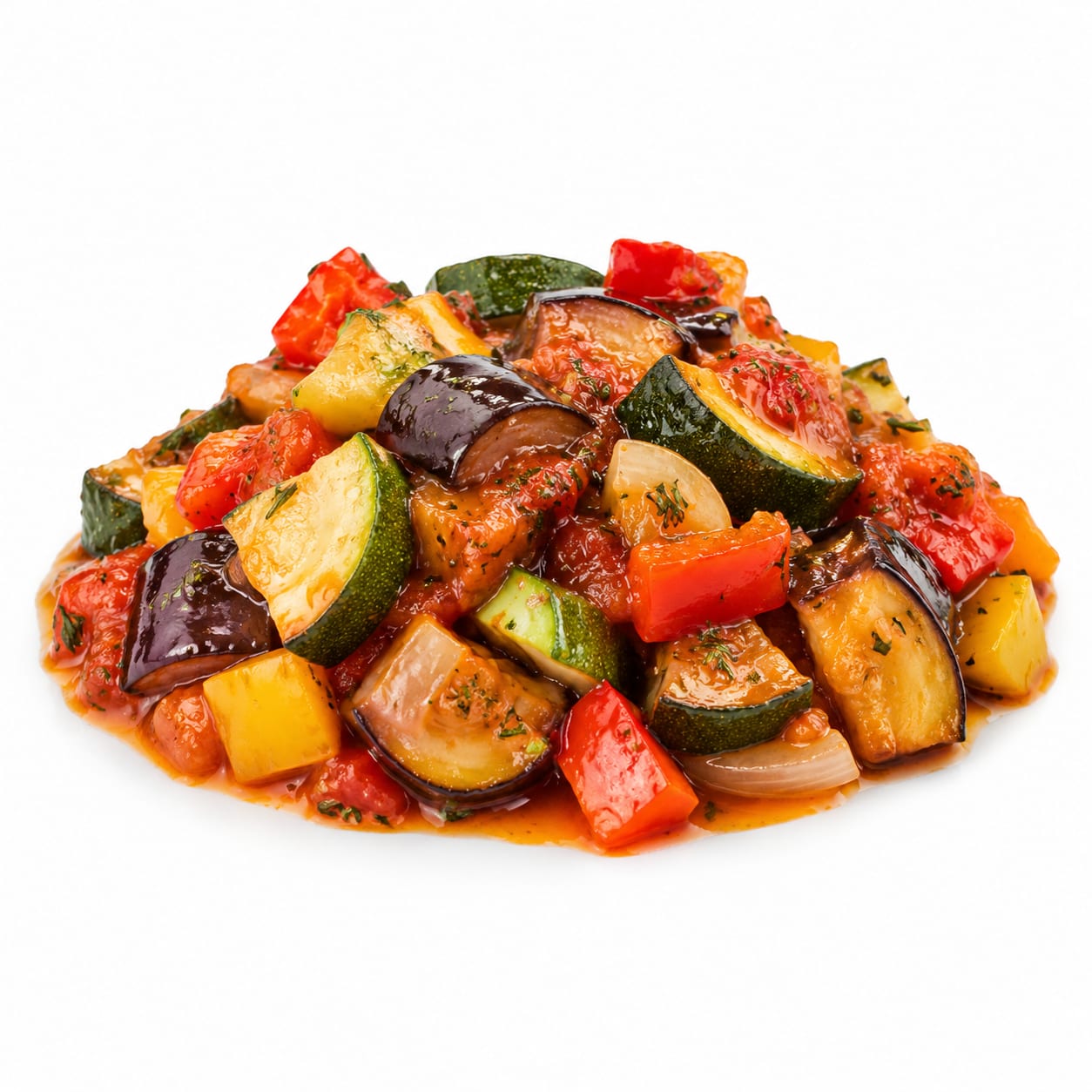
Ratatouille
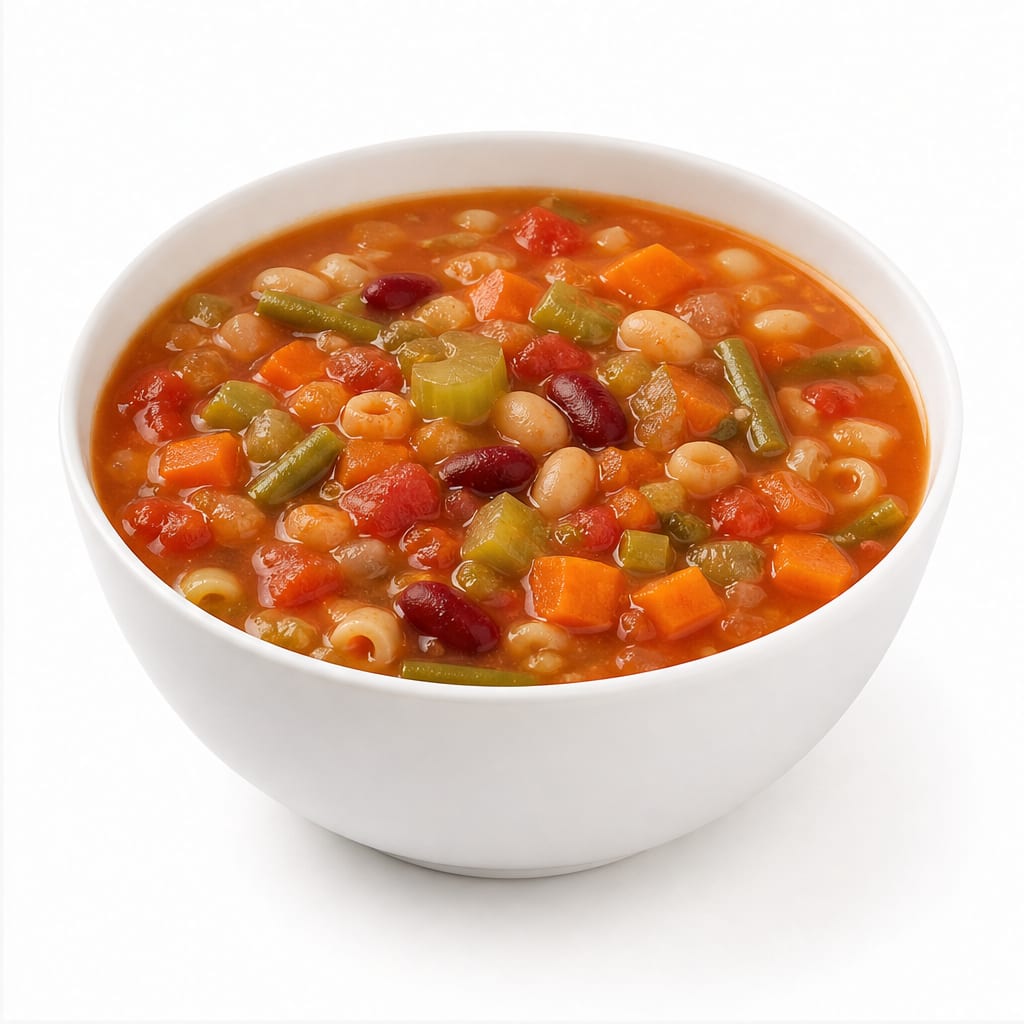
Minestrone
Minestrone fills you up longer as a complete meal; Ratatouille shines as a lighter, more versatile vegetable dish with richer concentrated flavors.
Minestrone edges ahead as a more complete, satisfying meal with built-in protein and fiber. Ratatouille scores well for naturalness and digestibility but lacks the macronutrient balance to stand alone.
Meal-in-a-bowl convenience and protein from beans versus lower calorie density and easier digestion without legumes.
At a glance
Executive summary
Overall
It depends
Healthier
It depends
More practical
Minestrone
Daily use
Minestrone
Key comparison lenses
meal completeness and satiety
Minestrone contains beans and often pasta, making it a more complete standalone meal, while Ratatouille is typically a side dish or lighter main
calorie density and weight management
Ratatouille is more calorie-dense due to olive oil, while Minestrone's broth base fills you up with fewer calories per volume
protein and sustained energy
Minestrone's beans provide significantly more protein and slow-burning carbs, critical for staying full longer
digestive comfort and tolerance
Ratatouille avoids beans and pasta, making it gentler on sensitive stomachs, while Minestrone's legumes can cause bloating
culinary versatility and meal integration
Ratatouille works as a side, topping, or spread, while Minestrone is firmly a soup course or bowl meal
Best choice for
Ratatouille
- People avoiding beans or legumes due to digestive sensitivity
- Low-carb eaters wanting a flavorful vegetable side
- Anyone wanting a concentrated vegetable dish to pair with protein
- Those watching portion calories who prefer oil-controlled cooking
- Mediterranean diet followers wanting a classic Provencal dish
Minestrone
- Anyone needing a filling one-bowl meal
- Budget-conscious eaters getting protein from beans
- Active people needing sustained energy from complex carbs
- Families wanting an easy, reheatable weeknight dinner
- Anyone increasing fiber intake gradually
Least suitable for
Ratatouille
- People needing a protein-rich standalone meal
- Anyone sensitive to nightshades like eggplant and tomatoes
- Those on strict low-fat diets concerned about olive oil content
- People wanting something quick to eat on the go
Minestrone
- People with severe bean or legume intolerance
- Those on low-carb or keto diets due to pasta and beans
- Anyone avoiding high-sodium broths
- People who find soups unsatisfying as meals
Deep comparison
Dimension by dimension
Each lens scores both foods and breaks down who each option suits.
- Dimension 1 · Priority 95Minestrone
satiety and fullness
Ratatouille · 55Minestrone · 85Minestrone keeps you full for hours thanks to beans, pasta, and broth volume. Ratatouille satisfies visually and flavorfully but leaves you hungry sooner without a protein side.
Tradeoff
You gain lasting fullness with Minestrone but accept the heaviness that comes from beans and carbs. Ratatouille stays light but needs accompaniment.
Why it matters
A meal that doesn't fill you up leads to snacking within two hours. Minestrone typically prevents that afternoon energy crash.
Real-world impact
Eat Minestrone at lunch and you'll likely skip the 3pm vending machine visit. Ratatouille alone might have you reaching for crackers an hour later.
Ratatouille
- Light eaters who prefer smaller meals
- Hot weather when heavy food feels unappealing
Better for
- Physically demanding days requiring calorie intake
- Growing teenagers needing more volume
Worse for
Minestrone
- Long workdays needing sustained energy
- Post-workout recovery meals
- Anyone tired of being hungry again by mid-afternoon
Better for
- Right before intense exercise when you need light digestion
- Late dinners close to bedtime
Worse for
- Dimension 2 · Priority 88Minestrone
protein content and quality
Ratatouille · 25Minestrone · 70Minestrone delivers 8-12g protein per bowl from cannellini or borlotti beans. Ratatouille provides only 2-3g, making it nutritionally incomplete alone.
Tradeoff
Plant protein from beans is excellent but not as bioavailable as animal protein. Still, it far surpasses Ratatouille's near-zero protein contribution.
Why it matters
Protein isn't just for muscles. It stabilizes blood sugar, reduces cravings, and keeps you from overeating later.
Real-world impact
A Minestrone lunch means steadier energy through the afternoon. A Ratatouille lunch means you should add grilled chicken or eggs to avoid a crash.
Ratatouille
- Meals where you're already getting protein from another course
Better for
- Anyone relying on this as their main meal
- Older adults needing higher protein intake
Worse for
Minestrone
- Vegetarians needing plant protein sources
- Anyone eating a one-dish meal
Better for
- Those who get sufficient protein elsewhere and want a lighter side
Worse for
- Dimension 3 · Priority 82Minestrone
fiber and digestive health
Ratatouille · 65Minestrone · 85Both dishes are fiber-rich, but Minestrone's beans push it to 8-10g fiber per serving versus Ratatouille's 4-6g. That said, bean fiber causes gas for some.
Tradeoff
More fiber usually means better gut health and steadier digestion, but the jump from vegetables to legumes can cause bloating in sensitive people.
Why it matters
Most people get only half the fiber they need. Minestrone closes that gap faster, but only if your stomach tolerates it.
Real-world impact
Minestrone can help normalize bathroom habits within days. For bean-sensitive folks, Ratatouille offers gentler fiber without the discomfort.
Ratatouille
- IBS sufferers avoiding fermentable oligosaccharides
- Anyone transitioning to more vegetables without shocking their system
Better for
- Those specifically trying to hit 30g+ daily fiber goals
Worse for
Minestrone
- Chronic constipation relief
- Building a diverse gut microbiome over time
Better for
- FODMAP-sensitive individuals
- Social situations where bloating would be uncomfortable
Worse for
- Dimension 4 · Priority 80Ratatouille
calorie density and weight management
Ratatouille · 78Minestrone · 72Ratatouille gives you more control over calories since you decide how much olive oil to use. Minestrone's beans and pasta add reliable nutrition but also reliable calories.
Tradeoff
Lower calorie density helps with weight loss, but only if the meal actually satisfies you. Ratatouille's lighter footprint can backfire if it leaves you snacking.
Why it matters
Weight management is about calories you don't notice, not hunger you white-knuckle through. The right choice depends on which food keeps you from overeating later.
Real-world impact
If you pair Ratatouille with a lean protein, you get a low-calorie, satisfying meal. If you eat it alone, you may eat more total calories by day's end.
Ratatouille
- Careful calorie counters who track everything
- Resting days with low energy expenditure
Better for
- Emotional eaters who need physical fullness as a signal
- Anyone who finds small meals triggering
Worse for
Minestrone
- Volume eaters who need large portions to feel satisfied
- Active people who can afford the extra calories
Better for
- Sedentary days when extra calories add up unnoticed
Worse for
- Dimension 5 · Priority 78It depends
blood sugar stability
Ratatouille · 72Minestrone · 68Ratatouille has minimal impact on blood sugar with its low carb profile. Minestrone's beans stabilize glucose, but pasta can cause a quicker rise depending on portion.
Tradeoff
Ratatouille is safer for strict blood sugar control, while Minestrone offers more balanced macros but introduces carb variability from pasta.
Why it matters
Blood sugar spikes lead to energy crashes and cravings within 90 minutes. The pasta in Minestrone is the wildcard here.
Real-world impact
Diabetics can eat Ratatouille confidently. With Minestrone, choosing a smaller pasta portion or whole grain version makes a real difference.
Ratatouille
- Type 2 diabetics monitoring glucose closely
- Keto or very low-carb adherents
Better for
- Endurance athletes who need carbohydrate fuel
Worse for
Minestrone
- Athletes needing carbs for performance
- Healthy individuals with normal insulin response
Better for
- Insulin-resistant individuals unless pasta is reduced
- Pre-diabetics being cautious with starches
Worse for
- Dimension 6 · Priority 70Ratatouille
versatility and meal integration
Ratatouille · 88Minestrone · 62Ratatouille works as a side, a pasta sauce, a bruschetta topping, or even cold as a salad. Minestrone is always soup, always needing a bowl and spoon.
Tradeoff
Culinary flexibility means Ratatouille adapts to more meals and leftovers, while Minestrone is a one-trick dish that does its trick very well.
Why it matters
Food that fits into more contexts gets eaten more and wasted less. Versatility reduces decision fatigue around meal planning.
Real-world impact
Leftover Ratatouille becomes tomorrow's omelet filling or sandwich spread. Leftover Minestrone is just tomorrow's soup again.
Ratatouille
- Meal preppers who want one base for multiple meals
- Creative home cooks who remix leftovers
Better for
- People who want a meal with zero additional effort
Worse for
Minestrone
- Those who find comfort in consistent, familiar meals
- Busy people who want to reheat and eat without thinking
Better for
- Anyone tired of eating the same thing two days in a row
Worse for
- Dimension 7 · Priority 72Ratatouille
sodium and heart health
Ratatouille · 75Minestrone · 58Ratatouille relies on herbs and olive oil for flavor, needing less salt. Minestrone's broth base often carries 600-900mg sodium per serving, sometimes more from canned stock.
Tradeoff
Better flavor with less sodium is a clear win for Ratatouille, though homemade Minestrone with low-sodium broth narrows the gap significantly.
Why it matters
Excess sodium raises blood pressure over time. Restaurant or canned Minestrone can deliver half your daily sodium in one bowl.
Real-world impact
If you're watching blood pressure, Ratatouille is the safer bet at restaurants. With Minestrone, always ask for low-sodium or make it at home.
Ratatouille
- Hypertension patients on sodium restrictions
- Anyone eating out frequently where salt control is limited
Better for
- Those who need extra salt in hot climates or after exercise
Worse for
Minestrone
- Healthy eaters making homemade versions with controlled salt
- Athletes who lose sodium through sweat
Better for
- Salt-sensitive individuals
- People relying on canned or restaurant versions
Worse for
Timeline
Health impact over time
Short-term
Hours to days
Ratatouille
- Light, comfortable fullness without heaviness
- Minimal blood sugar fluctuation after eating
- Possible heartburn from tomatoes or eggplant in sensitive individuals
- Quick satisfaction from rich flavors in small portions
Minestrone
- Sustained fullness lasting 3-4 hours
- Possible gas or bloating within 30-60 minutes from beans
- Warming and hydrating from broth content
- Mild energy boost from complex carbohydrates
Long-term
Months to years
Ratatouille
- Excellent antioxidant intake from concentrated vegetables and olive oil
- Low sodium habit supports healthy blood pressure
- May need protein supplementation if eaten as a frequent standalone meal
- Mediterranean-style eating pattern associated with reduced cardiovascular risk
Minestrone
- High fiber intake supports gut microbiome diversity over time
- Bean consumption linked to lower cholesterol and improved longevity
- Sodium exposure from broth could accumulate if not managed
- Consistent legume intake associated with reduced diabetes risk
Risk profile
Safety & processing
Both dishes are whole-food preparations with minimal processing risk. The main concern is store-bought Minestrone broth, which can contain hidden preservatives and excessive sodium. Homemade versions of both are equally clean.
Ratatouille
Nightshade sensitivity
lowEggplant, tomatoes, and peppers can trigger inflammation or joint pain in sensitive individuals, though this affects a small minority.
Oil oxidation from reheating
lowRepeated reheating of olive oil in leftover Ratatouille can degrade beneficial compounds. Reheat gently and avoid multiple cycles.
Minestrone
Sodium from broth
mediumCommercial or restaurant Minestrone often exceeds 800mg sodium per bowl, which is a third of the daily limit for most adults.
Undercooked beans
lowImproperly cooked dried beans can cause gastrointestinal distress from phytohaemagglutinin. Canned beans eliminate this risk.
Who wins for whom
Audience fit
Same foods, different winners depending on your goal.
children
MinestroneKids often prefer the familiar soup format and soft pasta. Ratatouille's chunky texture and stronger herb flavors can be a harder sell.
daily consumption
MinestroneMinestrone offers more balanced nutrition as a standalone meal, making it easier to eat regularly without needing supplemental protein or carbs.
diabetes
RatatouilleRatatouille's minimal carbohydrate content makes blood sugar management straightforward. Minestrone's pasta introduces carb-counting complexity.
elderly
MinestroneMinestrone's soft texture, higher protein, and hydrating broth support older adults' needs. The warmth and ease of eating are practical advantages.
muscle gain
MinestroneMinestrone provides more protein from beans, though neither dish is optimal for muscle building without adding animal protein.
weight loss
It dependsRatatouille has fewer calories per serving, but Minestrone's higher protein and fiber may prevent overeating later. The winner depends on whether you track calories or rely on fullness cues.
Your move
Decision guide
Choose Ratatouille
- You want a low-carb vegetable dish to pair with fish, chicken, or eggs
- Bean-related bloating is a real problem for you
- You're meal prepping and want a versatile base for multiple recipes
- You're watching sodium closely and prefer herb-driven flavor
- You enjoy cooking slowly and want a dish that improves overnight
Choose Minestrone
- You need a satisfying one-bowl meal that keeps you full for hours
- You're trying to eat more beans for their proven health benefits
- You want something warming and comforting on cold days
- You're feeding a family and need an easy, crowd-pleasing dinner
- You're active and need the sustained energy from complex carbs
Either works if
- You're following a Mediterranean eating pattern and want variety
- You're increasing vegetable intake and both sound appealing
- You want a meatless meal that still feels substantial
- You're cooking for someone who values traditional European cuisine
Avoid both if
- You have severe nightshade intolerance affecting tomatoes, peppers, and eggplant
- You need a high-protein meal and cannot add supplemental protein
- You're on a strict elimination diet that removes all vegetables temporarily
Final recommendation
Keep both in your rotation. Start with Minestrone when you need a complete meal that stands alone, and turn to Ratatouille when you want a lighter, more adaptable vegetable dish alongside protein. If forced to pick one for daily eating, Minestrone wins on nutritional completeness and satiety.
Practical
Consumer tips
- 1
Make Minestrone with low-sodium broth and whole grain pasta to maximize its health advantages
- 2
Use Ratatouille as a topping for grilled chicken or fish to create a balanced low-carb meal
- 3
Batch cook both and freeze individually for quick weeknight meals that beat takeout
- 4
If beans cause bloating, try adding a pinch of asafoetida or using lentils instead of larger beans in Minestrone
- 5
Choose Ratatouille at restaurants to avoid hidden sodium in soup broths
- 6
Add a dollop of pesto to Minestrone instead of extra salt for flavor without the blood pressure risk
- 7
Let Ratatouille rest overnight. The flavors concentrate and improve dramatically, making leftovers the best part