
Nutrition comparison
Ratatouille vs Chickpea Stew: Which is Healthier?
Compare Ratatouille and Chickpea Stew to find out which is better for weight loss, protein intake, and daily energy. Discover the nutritional tradeoffs.
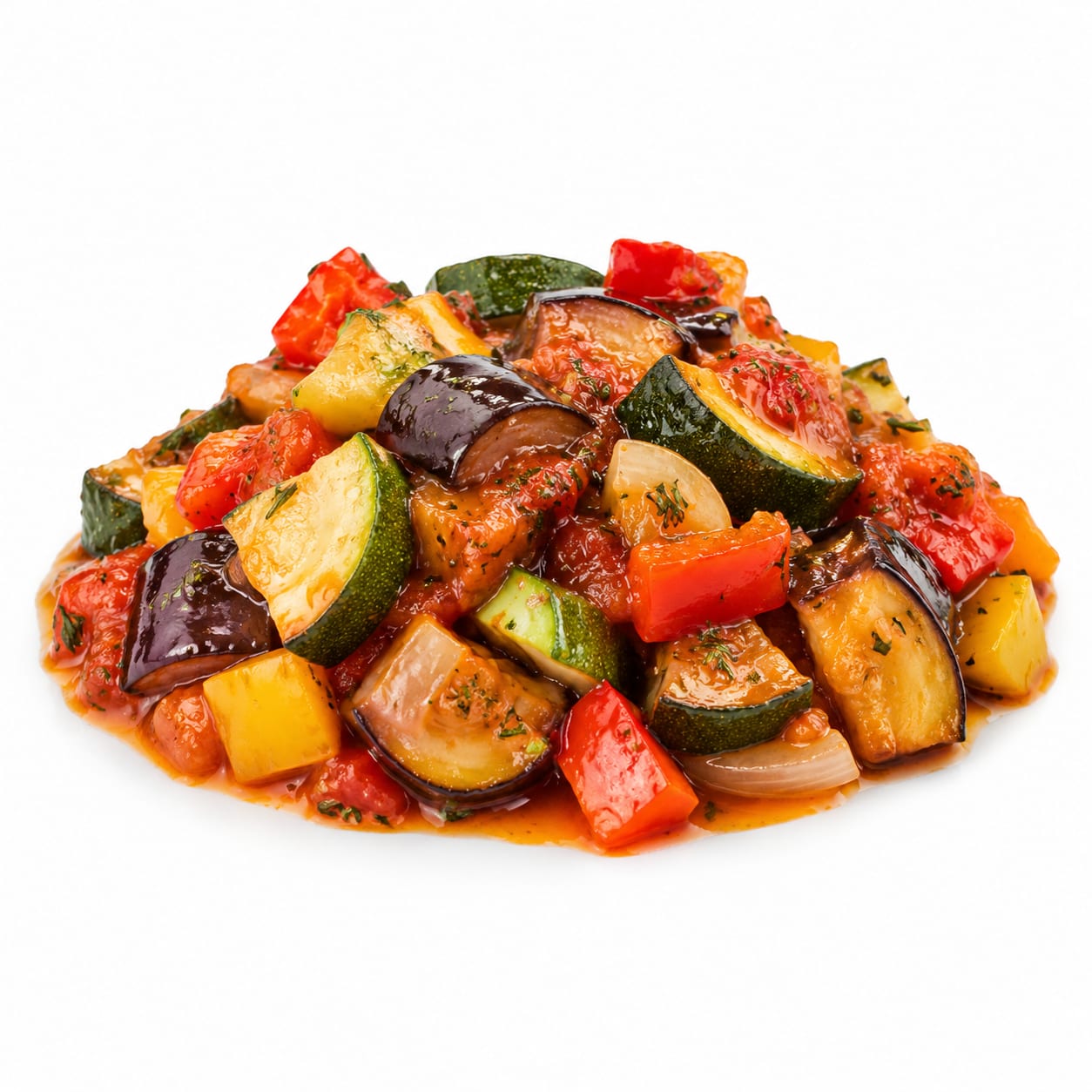
Ratatouille
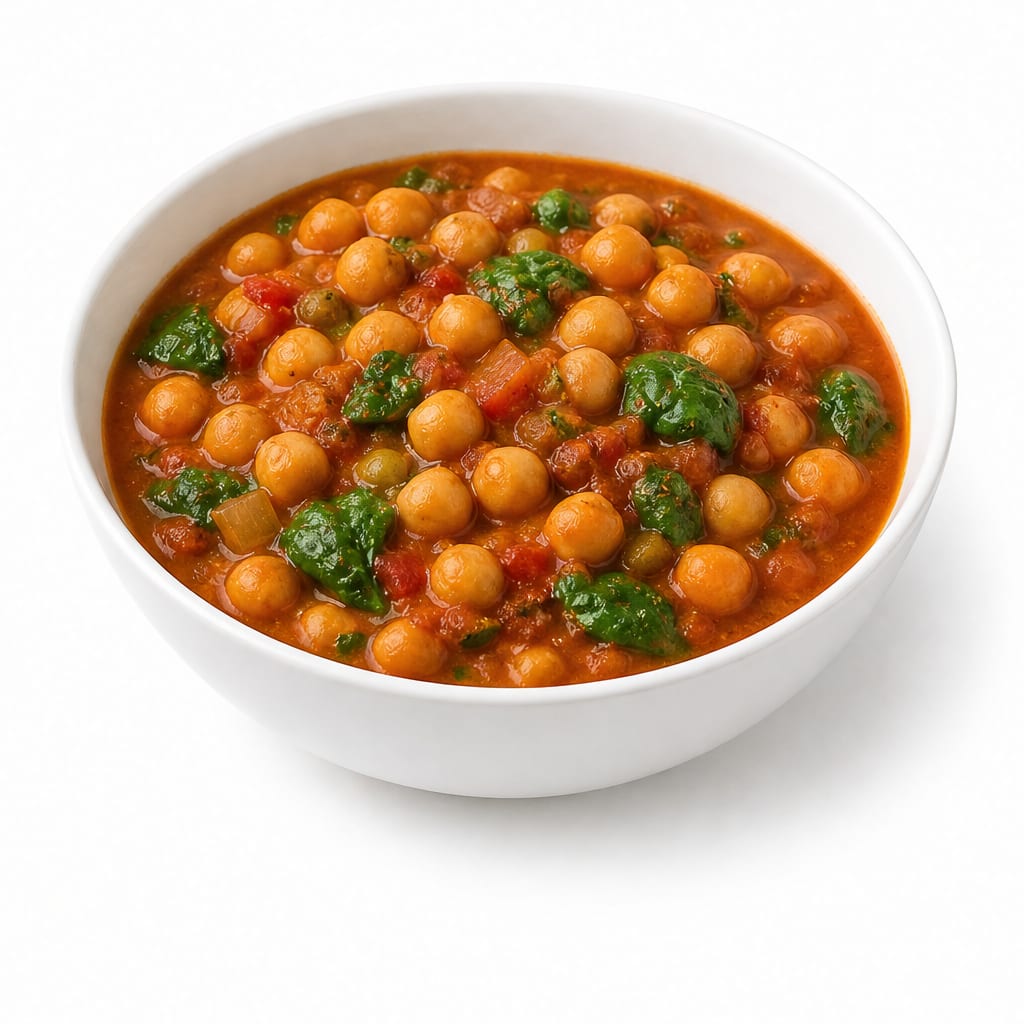
Chickpea Stew
Ratatouille is a light, low-calorie vegetable dish perfect for volume eating, while Chickpea Stew is a hearty, protein-rich main course that keeps you full for hours.
Chickpea Stew scores higher overall because it functions better as a nutritionally complete standalone meal, though Ratatouille is an exceptional choice for low-calorie diets.
Volume and lightness versus protein and lasting fullness.
At a glance
Executive summary
Overall
It depends
Healthier
It depends
More practical
Chickpea Stew
Daily use
Chickpea Stew
Key comparison lenses
Satiety and meal completeness
Chickpea Stew provides a filling, protein-rich meal, while Ratatouille is lighter and often needs a side dish to be satisfying.
Weight management and calorie density
Ratatouille offers massive volume for very few calories, whereas Chickpea Stew is more calorie-dense due to legumes and often olive oil.
Blood sugar stability
The protein and resistant starch in Chickpea Stew provide steadier energy compared to the carbohydrate-heavy profile of Ratatouille.
Digestive tolerance
Ratatouille is gentle on the stomach, while Chickpea Stew can cause bloating in those unaccustomed to high fiber.
Best choice for
Ratatouille
- Low-calorie volume eaters
- Light summer dinners
- Those needing a break from heavy legumes
Chickpea Stew
- Plant-based meal prep
- Sustained energy for long workdays
- Active individuals needing protein
Least suitable for
Ratatouille
- People needing high protein intake
- Those who get hungry easily on light meals
Chickpea Stew
- Strict low-carb dieters
- People with severe legume sensitivities
Deep comparison
Dimension by dimension
Each lens scores both foods and breaks down who each option suits.
- Dimension 1 · Priority 95Chickpea Stew
Satiety & Fullness
Ratatouille · 40Chickpea Stew · 90Chickpea Stew is far more filling due to its dense protein and fiber, while Ratatouille digests quickly and may leave you hungry soon after.
Tradeoff
You trade the light, fresh feeling of Ratatouille for the heavy, satisfying fullness of Chickpea Stew.
Why it matters
Meals that keep you full prevent mindless snacking and energy crashes later in the day.
Real-world impact
A bowl of Chickpea Stew easily carries you from lunch to dinner; Ratatouille often requires adding bread or a protein to avoid a 3 PM slump.
Ratatouille
- Hot days when you want a light stomach
- Appetizers before a multi-course meal
Better for
- Going long hours without eating again
Worse for
Chickpea Stew
- Preventing afternoon cravings
- Post-workout recovery meals
Better for
- Eating right before a heavy workout or run
Worse for
- Dimension 2 · Priority 85Chickpea Stew
Protein & Muscle Support
Ratatouille · 10Chickpea Stew · 85Chickpea Stew delivers substantial plant protein, whereas Ratatouille is almost entirely carbohydrates and fats.
Tradeoff
Ratatouille lacks the building blocks for muscle maintenance, while Chickpea Stew actively supports it.
Why it matters
Protein is essential for preserving muscle mass, supporting metabolism, and keeping you strong over time.
Real-world impact
If you eat Ratatouille as a main, you will likely need to add chicken, tofu, or beans to meet your protein needs.
Ratatouille
- Rest days with minimal energy output
Better for
- Athletes and highly active individuals
Worse for
Chickpea Stew
- Vegans needing complete meals
- Older adults preventing muscle loss
Better for
- Those strictly limiting protein intake
Worse for
- Dimension 3 · Priority 80Ratatouille
Calorie Density & Weight Loss
Ratatouille · 92Chickpea Stew · 65Ratatouille allows you to eat a massive volume of food for very few calories, making it a dieter's dream.
Tradeoff
You get more physical food on your plate with Ratatouille, but fewer calories to burn for sustained energy.
Why it matters
Volume eating helps control hunger psychologically without overconsuming calories.
Real-world impact
You can eat a huge bowl of Ratatouille for under 200 calories; Chickpea Stew will be double that for a smaller portion.
Ratatouille
- Volume eaters who like large portions
- Calorie counting diets
Better for
- People who need to gain weight
Worse for
Chickpea Stew
- Those who prefer smaller, energy-dense meals
Better for
- Strict calorie restrictors
Worse for
- Dimension 4 · Priority 75Chickpea Stew
Blood Sugar Stability
Ratatouille · 55Chickpea Stew · 85The protein and dense fiber in Chickpea Stew slow digestion, providing steadier blood sugar levels than the carb-heavier Ratatouille.
Tradeoff
Ratatouille's natural sugars from tomatoes and peppers can spike blood sugar faster without protein to buffer it.
Why it matters
Stable blood sugar means fewer cravings and more consistent energy throughout the day.
Real-world impact
Chickpea Stew avoids the quick drop that might hit an hour after a carb-heavy Ratatouille lunch.
Ratatouille
- Pre-workout light fuel
Better for
- Those prone to sugar crashes
Worse for
Chickpea Stew
- Managing afternoon energy crashes
- Diabetics needing stable glucose
Better for
- Those sensitive to legumes
Worse for
Timeline
Health impact over time
Short-term
Hours to days
Ratatouille
- Immediate lightness and high hydration
- May feel hungry again within 1-2 hours if eaten alone
Chickpea Stew
- Strong feeling of fullness
- Sustained energy for hours
- Possible mild bloating if unaccustomed to high fiber
Long-term
Months to years
Ratatouille
- Excellent cardiovascular health from high antioxidants
- Potential muscle loss if used as a primary protein source
Chickpea Stew
- Improved gut health from resistant starch
- Better weight maintenance from high satiety
- Stable blood sugar regulation
Risk profile
Safety & processing
Both are whole-food dishes made from scratch, making them exceptionally clean choices. The main difference lies in the olive oil content often used to cook Ratatouille versus the natural density of chickpeas.
Ratatouille
Nightshade sensitivity
lowEggplant, tomatoes, and peppers are nightshades, which can trigger inflammation or joint pain in sensitive individuals.
Chickpea Stew
Digestive discomfort
mediumChickpeas contain oligosaccharides that can cause gas or bloating if not cooked thoroughly or if the consumer lacks tolerance.
Who wins for whom
Audience fit
Same foods, different winners depending on your goal.
children
Chickpea StewChickpea Stew offers the protein and calories growing kids need, though Ratatouille can be a great way to sneak in veggies.
daily consumption
Chickpea StewChickpea Stew functions better as a daily staple because it is nutritionally complete as a main dish.
diabetes
Chickpea StewThe protein and soluble fiber in chickpeas stabilize blood sugar far better than a purely vegetable stew.
elderly
Chickpea StewOlder adults need concentrated protein to prevent muscle wasting, which Chickpea Stew provides in an easy-to-chew format.
muscle gain
Chickpea StewChickpea Stew provides the necessary protein building blocks that Ratatouille completely lacks.
weight loss
RatatouilleRatatouille offers massive portion sizes for minimal calories, making it easier to maintain a calorie deficit without feeling deprived.
Your move
Decision guide
Choose Ratatouille
- You want a low-calorie, light meal
- You are eating a heavy protein as a main and need a veggie side
- You have digestive issues with beans
Choose Chickpea Stew
- You need a filling, plant-based main course
- You are meal-prepping for the week
- You want steady energy without crashes
Either works if
- You want a warming, veggie-forward dinner
- You are looking for a healthy comfort food
Avoid both if
- You are on a strict low-fiber diet for digestive rest
Final recommendation
Choose Chickpea Stew if you need a hearty, standalone meal that keeps you full, and Ratatouille if you want a light, low-calorie vegetable dish to pair with a protein source.
Practical
Consumer tips
- 1
Add white beans or grilled chicken to Ratatouille to boost its protein and make it a complete meal.
- 2
Rinse canned chickpeas well before adding them to Chickpea Stew to reduce gas-causing compounds.
- 3
Both dishes taste even better the next day as flavors meld, making them perfect for meal prep.
- 4
If watching calories, be mindful of the olive oil used in Ratatouille, as it adds up quickly.