
Nutrition comparison
Ratatouille vs Caponata: Which Mediterranean Vegetable Dish Is Healthier?
Compare Ratatouille and Caponata nutrition — sodium, sugar, calories, and health tradeoffs. Find out which French or Sicilian vegetable dish fits your diet better.
Overall winner · Ratatouille
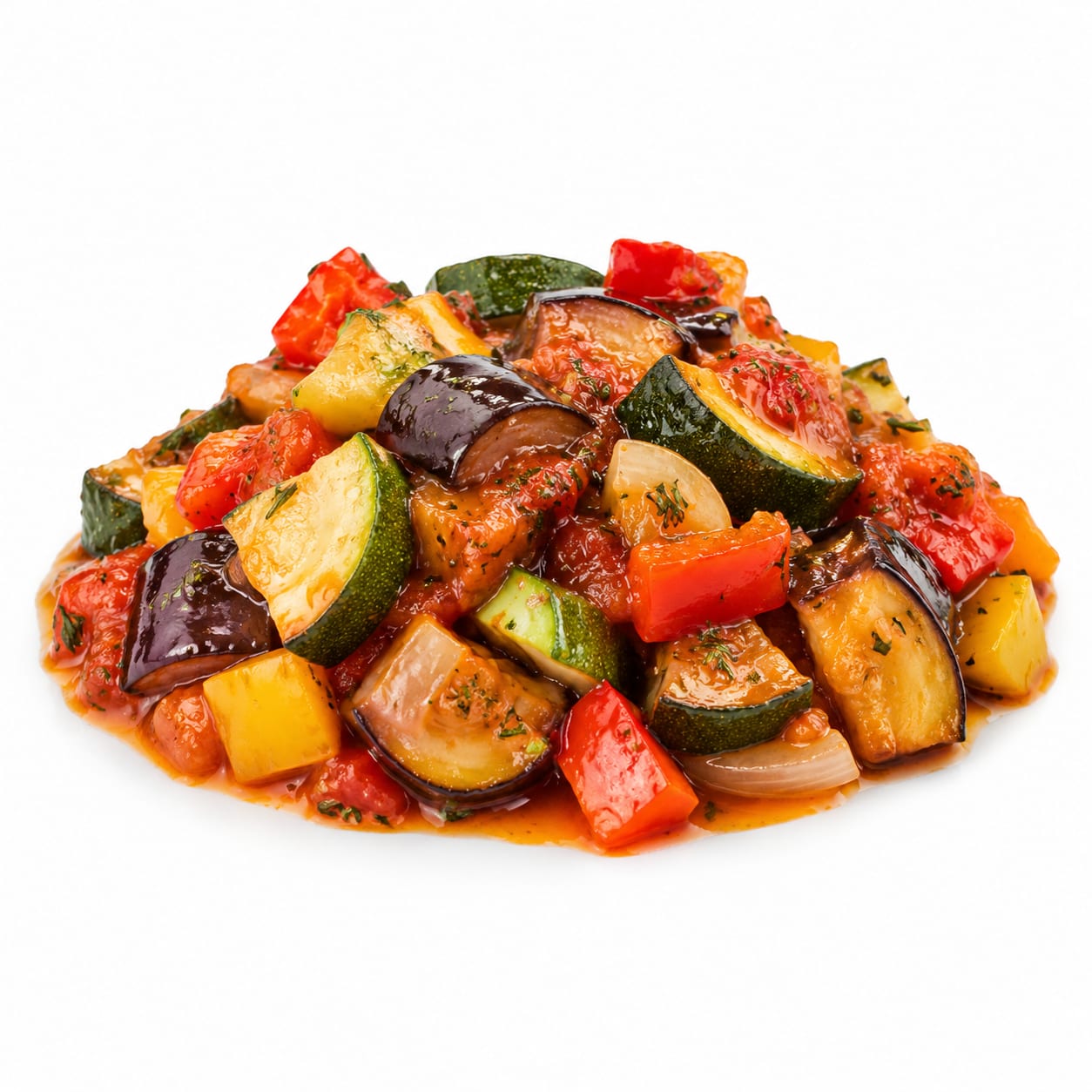
Ratatouille
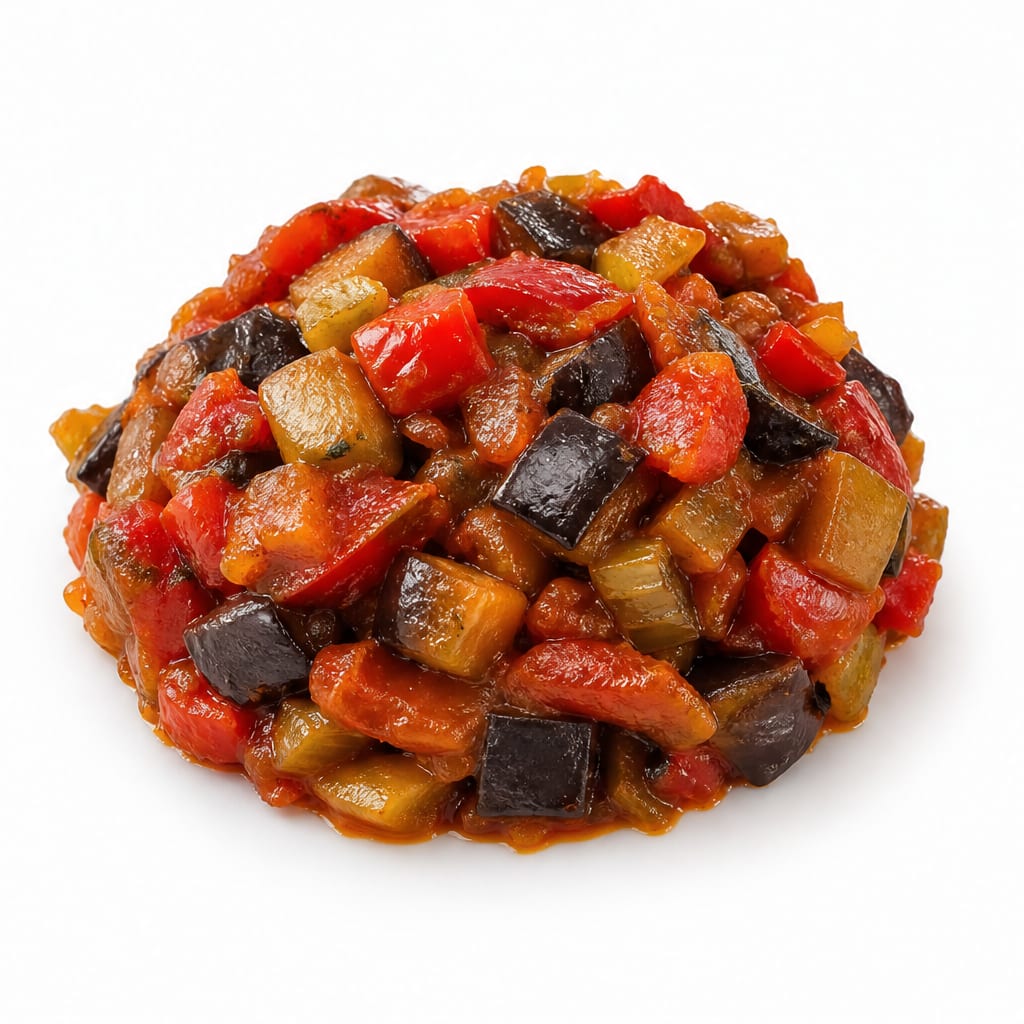
Caponata
Ratatouille wins for everyday health — lower sodium, no added sugar, and more versatile as a meal. Caponata is the flavor bomb you enjoy in smaller portions.
Ratatouille scores higher due to lower sodium, no added sugar, and greater meal versatility. Caponata remains a delicious but more indulgent option best enjoyed in moderation.
Caponata delivers a bigger, more addictive flavor hit but carries noticeably more sodium and sugar. Ratatouille is the cleaner, lighter choice you can eat more freely.
At a glance
Executive summary
Overall
Ratatouille
Healthier
Ratatouille
More practical
Ratatouille
Daily use
Ratatouille
Key comparison lenses
Sodium and sugar tradeoffs between two Mediterranean vegetable dishes
Caponata's agrodolce profile adds significant sugar and sodium from capers, olives, and vinegar, while Ratatouille stays lighter and simpler
Everyday meal versatility versus condiment-style eating
Ratatouille works as a main or side, Caponata is primarily a relish or antipasto, shaping how often and how much you'd eat
Blood sugar and heart health implications
Both are vegetable-forward but Caponata's added sugar and sodium change the metabolic equation significantly
Flavor satisfaction and emotional eating
Caponata's intense sweet-sour-salty punch is more craveable but harder to stop eating; Ratatouille is gentler and less triggering
Best choice for
Ratatouille
- Low-sodium diets
- Blood sugar management
- Large satisfying portions without guilt
- Family dinners where everyone needs vegetables
- Meal prep that works as a main or side
Caponata
- Antipasto platters and entertaining
- Bold flavor in small amounts
- Adding excitement to plain proteins or bread
- Mediterranean-themed gatherings
Least suitable for
Ratatouille
- People seeking intense, punchy flavors
- Those wanting a quick condiment to liven up leftovers
Caponata
- Salt-sensitive individuals
- People managing diabetes or insulin resistance
- Anyone eating large portions mindlessly
- Low-sodium diets
Deep comparison
Dimension by dimension
Each lens scores both foods and breaks down who each option suits.
- Dimension 1 · Priority 95Ratatouille
Sodium Load
Ratatouille · 82Caponata · 38Ratatouille keeps sodium modest with just herbs and a pinch of salt. Caponata piles it on through olives, capers, and salted ingredients.
Tradeoff
Caponata's signature tang comes at a real sodium cost — a single serving can deliver 400-600mg, while Ratatouille typically stays under 200mg.
Why it matters
If you're watching blood pressure or eating multiple salty foods in a day, Caponata can quietly push you over your limit.
Real-world impact
A Caponata habit alongside other seasoned foods could add 300-400mg of extra sodium per meal compared to Ratatouille — meaningful over a week.
Ratatouille
- Hypertension management
- Heart-healthy eating patterns
- Low-sodium diets
Better for
- Situations where you need aggressive electrolyte replenishment
Worse for
Caponata
- Post-workout rehydration when sodium is actually helpful
- People who struggle to eat enough salt
Better for
- Anyone on a sodium-restricted diet
- Evening meals when salt disrupts sleep
Worse for
- Dimension 2 · Priority 88Ratatouille
Added Sugar Content
Ratatouille · 90Caponata · 48Ratatouille relies on natural tomato sweetness. Caponata's agrodolce style adds sugar or honey deliberately.
Tradeoff
That sweet-sour balance in Caponata is delicious but typically adds 2-3 teaspoons of sugar per serving that Ratatouille simply doesn't have.
Why it matters
Added sugar in savory dishes is easy to overlook but still affects blood sugar, cravings, and daily intake totals.
Real-world impact
Eating Caponata regularly could add 8-12g of hidden sugar per meal — not catastrophic, but not trivial if you're tracking.
Ratatouille
- Diabetes and prediabetes management
- Keto or low-carb eating
- Reducing sugar cravings
Better for
- People who find plain vegetables unappealing and need flavor hooks
Worse for
Caponata
- Situations where palatability matters more than macros
- Encouraging picky eaters to consume vegetables
Better for
- Blood sugar stability
- Anyone cutting hidden sugars
Worse for
- Dimension 3 · Priority 82Ratatouille
Meal Versatility and Satiety
Ratatouille · 85Caponata · 60Ratatouille works as a main dish, side, or topping. Caponata is really a condiment — delicious but not filling alone.
Tradeoff
You can build a whole satisfying meal around Ratatouille. Caponata needs something else to carry the plate.
Why it matters
Foods that serve as meal centers make healthy eating easier and more sustainable than foods that only accessorize.
Real-world impact
A bowl of Ratatouille with grains or protein feels like dinner. Caponata on crostini feels like a snack — and you'll likely keep eating.
Ratatouille
- Meal prep and batch cooking
- Satisfying vegetarian mains
- Families needing flexible dishes
Better for
- Need for a bold condiment to rescue bland food
Worse for
Caponata
- Quick appetizer situations
- Livening up plain chicken or fish
Better for
- Anyone trying to eat a filling vegetable-forward meal
Worse for
- Dimension 4 · Priority 72It depends
Antioxidant and Micronutrient Density
Ratatouille · 75Caponata · 78Both deliver solid vegetable nutrition. Caponata edges ahead slightly thanks to olives and capers adding polyphenols, but the margin is small.
Tradeoff
Caponata's extra antioxidants come packaged with extra sodium and sugar. Ratatouille's nutrition is cleaner but slightly less diverse.
Why it matters
Both dishes are genuinely nutritious — this is not where the meaningful difference lives.
Real-world impact
The antioxidant gap between these two is minor compared to the sodium and sugar gap. Don't choose Caponata for nutrition alone.
Ratatouille
- Getting clean vegetable nutrition without tradeoffs
Better for
- Missing the unique phytonutrients from capers and olives
Worse for
Caponata
- Maximizing polyphenol variety from olives and capers
Better for
- Paying a sodium and sugar price for modest antioxidant gains
Worse for
- Dimension 5 · Priority 78Ratatouille
Cravings and Overeating Potential
Ratatouille · 80Caponata · 45Ratatouille is satisfying but easy to stop eating. Caponata's sweet-salty-umami combo is genuinely hard to put down.
Tradeoff
Caponata's hyper-palatable flavor profile makes portion control harder — you keep reaching for more bread to scoop it.
Why it matters
The best healthy food is one you can enjoy without triggering a cascade of overeating.
Real-world impact
It's easy to accidentally eat double portions of Caponata with bread, turning a light appetizer into a 500+ calorie experience.
Ratatouille
- Mindful eating practices
- Weight management
- Emotional eaters who struggle with hyper-palatable foods
Better for
- Situations where you need to stimulate a weak appetite
Worse for
Caponata
- People with poor appetite who need flavor stimulation to eat
Better for
- Late-night snacking scenarios
- Anyone who struggles to stop eating tasty food
Worse for
- Dimension 6 · Priority 65Ratatouille
Digestive Tolerance
Ratatouille · 78Caponata · 62Ratatouille's gentler acidity and simpler ingredient list is easier on sensitive stomachs. Caponata's vinegar and capers can irritate.
Tradeoff
The same vinegar that makes Caponata delicious can trigger reflux or stomach discomfort in sensitive people.
Why it matters
If you have GERD, IBS, or acid sensitivity, the difference between these two is noticeable within an hour of eating.
Real-world impact
Ratatouille is a safe bet before bed or on sensitive stomach days. Caponata is riskier for anyone prone to heartburn.
Ratatouille
- Acid reflux and GERD management
- Sensitive digestion days
- IBS-friendly eating
Better for
- No real downside for digestion
Worse for
Caponata
- People with robust digestion who enjoy bold flavors
Better for
- Acid-sensitive individuals
- Evening meals for reflux sufferers
Worse for
Timeline
Health impact over time
Short-term
Hours to days
Ratatouille
- Steady energy from complex carbs with no sugar spike
- Comforting and light — won't leave you sluggish
- Easy on the stomach after eating
Caponata
- Quick flavor satisfaction but potential sugar and sodium spike
- May trigger thirst from high salt content
- Can stimulate appetite rather than satisfy it
Long-term
Months to years
Ratatouille
- Supports heart health through low sodium and high vegetable intake
- Sustainable as a daily or near-daily vegetable option
- Helps maintain healthy blood pressure over time
Caponata
- Regular high sodium intake could raise blood pressure if portions aren't controlled
- Added sugar contributes to cumulative daily intake
- Still provides vegetable benefits, but the packaging dilutes the net health gain
Risk profile
Safety & processing
Both are whole-food dishes made from real vegetables with simple cooking methods. The difference is in seasoning choices, not processing. Caponata's sugar and salt additions are traditional, not industrial, but they still carry metabolic weight.
Ratatouille
Solanine sensitivity from undercooked eggplant
lowRarely an issue when eggplant is fully cooked as in traditional Ratatouille, but undercooked pieces could bother sensitive individuals.
Nightshade intolerance
lowContains multiple nightshades — eggplant, tomatoes, peppers — which can trigger joint pain or inflammation in a small subset of people.
Caponata
High sodium from preserved ingredients
mediumCapers, olives, and added salt can push sodium to levels concerning for hypertensive individuals, especially in restaurant versions.
Nightshade intolerance
lowSame nightsheds concern as Ratatouille, compounded by vinegar which can aggravate sensitive stomachs.
Store-bought versions with preservatives
lowJarred Caponata may contain potassium sorbate or sodium benzoate — homemade avoids this entirely.
Who wins for whom
Audience fit
Same foods, different winners depending on your goal.
children
RatatouilleMilder flavor and no added sugar make Ratatouille more kid-friendly, though some children may actually prefer Caponata's sweeter taste.
daily consumption
RatatouilleRatatouille can be eaten daily without accumulating sodium or sugar concerns. Caponata is better as an occasional treat.
diabetes
RatatouilleNo added sugar and lower overall carbohydrate impact make Ratatouille clearly safer for blood sugar management.
elderly
RatatouilleLower sodium is critical for older adults managing blood pressure, and Ratatouille's softer texture is equally gentle.
muscle gain
It dependsNeither is a protein source — both need pairing with protein. Ratatouille is easier to eat in larger volumes alongside a protein main.
weight loss
RatatouilleLower calorie density, no added sugar, and easier portion control make Ratatouille the more reliable choice for sustainable weight loss.
Your move
Decision guide
Choose Ratatouille
- You're watching sodium or blood pressure
- You want a vegetable dish you can eat generously
- You're meal prepping for the week
- Blood sugar management is a priority
- You prefer clean, simple flavors over intense ones
Choose Caponata
- You're hosting and need a show-stopping appetizer
- You're eating a small portion as a condiment alongside lean protein
- Plain vegetables bore you and flavor is what gets you to eat them
- You have no sodium concerns and want maximum Mediterranean punch
Either works if
- You just want a delicious vegetable dish and portions are moderate
- You're already eating a low-sodium diet overall
- Both fit your meal plan as occasional sides
Avoid both if
- You have severe nightshade intolerance or sensitivity
- You're on a very strict low-FODMAP diet — both contain garlic and onions
Final recommendation
Make Ratatouille your everyday vegetable champion and save Caponata for when you want something special. If you love Caponata, try making it with less sugar and salt — you'll keep most of the character while closing the health gap significantly.
Practical
Consumer tips
- 1
When making Caponata at home, cut sugar by half and rinse capers — you'll retain the agrodolce spirit with noticeably less metabolic cost
- 2
Ratatouille improves over 2-3 days in the fridge, making it ideal for Sunday meal prep
- 3
If restaurant Caponata tastes very sweet, assume it has more sugar than you'd add at home
- 4
Pair Ratatouille with quinoa or farro for a complete satisfying meal — it needs a grain or protein to feel like dinner
- 5
Jarred Caponata often has more sodium than homemade — check labels if buying pre-made
- 6
Both freeze well, so make large batches when vegetables are in season